
Access Flooring and Raised Floor Systems Guide
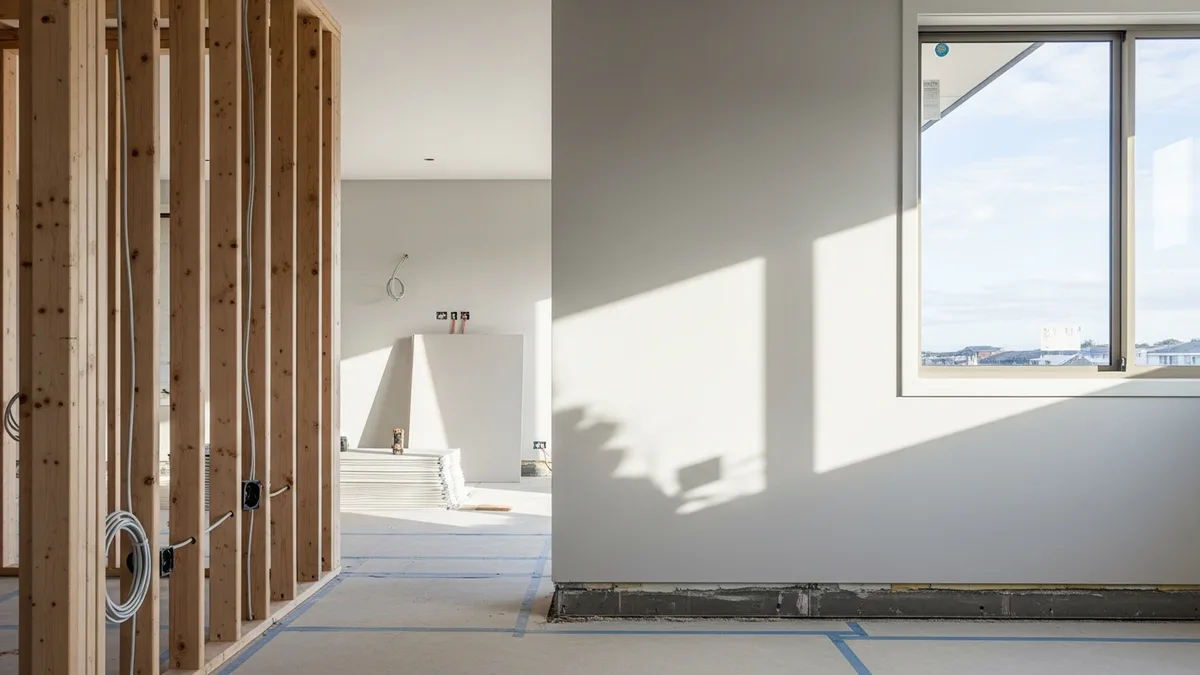
If you have spent any time on commercial construction projects, you have probably run into the challenge of routing cables, data lines, HVAC ducts, and plumbing through a building without turning the ceiling into a tangled mess. Access flooring solves that problem by creating a usable void space between the structural slab and the surface people walk on. It is one of those systems that, once you understand how it works, you start seeing applications for it everywhere.
This guide breaks down what contractors need to know about access flooring and raised floor systems, from selecting the right panel type to managing installation on a live job site.
What Access Flooring Is and Why Contractors Should Care
Access flooring (sometimes called raised flooring or raised access flooring) is a system built from modular panels that sit on top of adjustable pedestals. The pedestals bolt or bond to the structural slab, and the panels drop into place on top of them. The result is a grid of removable floor tiles with an open plenum underneath that can house anything from fiber optic cables to chilled water piping.
The concept has been around since the 1960s, when data centers needed a way to run massive cable bundles beneath mainframe computers. Today, access flooring shows up in corporate offices, hospitals, laboratories, control rooms, broadcast studios, and government facilities. The applications keep expanding because building owners want flexibility, and flooring contractors are seeing more demand for these systems. When you can lift a panel and reroute services in an afternoon instead of cutting concrete, you save time and money on every future renovation.
For contractors, access flooring work touches multiple trades. You are coordinating with electricians, data cabling crews, HVAC techs, and fire protection installers, all of whom need access to that plenum. Managing those interactions is where a solid construction project management approach makes or breaks the job.
The financial upside for contractors is real. Access flooring is specialty work, and owners pay a premium for crews that know how to install it correctly. If you are looking to grow your commercial division, adding raised floor capability to your service list can open doors to data center, healthcare, and corporate office projects that have strong margins.
Types of Access Floor Panels and Pedestal Systems
Not all access floor systems are created equal. Choosing the right combination of panels and pedestals depends on the load requirements, the finish the owner wants, and what is running through the plenum.
Panel Types
Steel panels with concrete fill are the workhorse of the industry. A steel shell gets filled with lightweight concrete, giving you a panel that handles rolling loads from server racks, heavy furniture, and equipment carts. These panels typically weigh 30 to 40 pounds each and handle concentrated loads of 1,000 to 1,250 pounds. You will see these in data centers, trading floors, and any space where heavy equipment moves across the floor.
All-steel panels skip the concrete fill and rely on welded or stamped steel construction. They are lighter, which makes installation faster, but they can be noisier underfoot unless you add damping pads. These work well in control rooms and broadcast facilities where weight matters but you still need solid load ratings.
Calcium sulfate panels (sometimes called woodcore or cementitious panels) use a calcium sulfate core wrapped in a steel shell. They offer good acoustic performance, hold screws well for attaching floor finishes, and hit a middle ground between weight and load capacity. Corporate offices and government buildings favor these because they accept carpet tiles, vinyl, laminate, or stone finishes without fuss.
Aluminum panels are lightweight and corrosion-resistant, making them the go-to choice for cleanrooms, laboratories, and environments with moisture concerns. If you are working on pharmaceutical or biotech projects, our cleanroom and pharmaceutical facility construction guide covers the full scope of requirements beyond just flooring. They cost more per panel but save on pedestal sizing and structural loading.
Pedestal Systems
Pedestals come in fixed-height and adjustable varieties. For most commercial work, you want adjustable pedestals so you can level the floor across an uneven slab. A typical pedestal has a steel base plate, a threaded rod or screw mechanism for height adjustment, and a head that receives the panel corners.
Corner-lock pedestals grip all four panel corners and lock them in place, which gives you a stiffer floor and reduces panel rocking. Snap-on pedestals allow panels to drop in without tools, which speeds up installation but can allow more movement underfoot.
Stringer systems connect pedestals with horizontal braces, creating a rigid grid that improves seismic performance and lateral stability. If you are working in a seismic zone or installing a floor higher than 18 inches, stringers are usually required by the engineer of record.
Getting the right materials ordered and delivered on schedule means staying on top of your material management process from day one. Raised floor components often ship from specialty manufacturers with lead times of 6 to 10 weeks, so early procurement is critical.
Planning and Specifying a Raised Floor Installation
Before a single pedestal hits the slab, you need a solid plan. Here is what goes into specifying an access floor system correctly.
Load Requirements
The structural engineer and the access floor manufacturer both need to agree on load ratings. The key numbers are:
- Concentrated load: The maximum weight on a single point, typically measured on a 1-inch square area at the center of a panel. Office environments usually need 1,000 pounds. Data centers may require 2,000 pounds or more.
- Ultimate load: The load at which the panel fails. This should be at least 3 times the concentrated load rating for a reasonable safety factor.
- Rolling load: Important for spaces where heavy carts, server racks on wheels, or pallet jacks cross the floor. Rolling loads are measured in pounds over a specific wheel size and number of passes.
- Uniform distributed load (UDL): The total weight spread evenly across the panel, measured in pounds per square foot. Most commercial systems handle 250 to 1,250 PSF depending on the panel type.
Finished Floor Height
The plenum height drives pedestal selection and affects everything from door frame heights to stair landings. Work with the architect early to confirm the finished floor elevation, and make sure every trade knows that number. A 12-inch raised floor changes door rough openings, ADA ramp calculations, and ceiling heights. Speaking of code requirements, if the project involves public spaces, you should review the ADA compliance requirements for commercial projects before finalizing your floor height.
Fire Rating and Plenum Requirements
Most building codes treat the space under a raised floor as a plenum, which means strict rules about what materials can go in there. Cables need to be plenum-rated (CMP for data, OFNP for fiber). Some jurisdictions require fire suppression in the plenum space, which adds another coordination point with the fire protection contractor.
The panels themselves may need to meet specific fire ratings. ASTM E136 (noncombustibility) and NFPA 75 (data center fire protection) are common references. Get the spec sheet from the manufacturer and confirm it meets local code before you order.
Coordination with Other Trades
This is where access flooring projects get complicated. The plenum is shared space. Electricians want cable trays on one side, the HVAC crew needs ducts for underfloor air distribution, and the plumber may be running condensate drains. Without a coordination plan, you end up with conflicts that cost time and money.
A BIM model or at minimum a detailed 2D coordination drawing showing every service in the plenum will save you headaches. Make sure each trade knows their zone and their maximum height within the plenum. Use your scheduling tools to sequence the work so each trade gets clean access before the panels go down.
Installation Process Step by Step
Once materials arrive and the slab is ready, here is how a typical raised floor installation flows.
Step 1: Slab Preparation
The structural slab needs to be clean, dry, and reasonably level. Most access floor manufacturers specify a maximum slab deviation of 1/4 inch over 10 feet. If the slab is worse than that, you have two options: self-level with a floor topping compound, or use taller pedestals with more adjustment range.
Sweep the slab, fill any major cracks or holes, and verify that the concrete has cured to the required moisture level. Pedestal adhesive will not bond properly to wet or dusty concrete.
Step 2: Layout and Pedestal Placement
Contractors across the country trust Projul to run their businesses. Read their reviews.
Snap chalk lines to establish the grid. Standard panels are 24 inches by 24 inches (600mm x 600mm is the metric equivalent you will see on international projects). Start from a reference wall or column line and work outward. The goal is to minimize cut panels at the perimeter.
Set pedestals at every grid intersection. Apply adhesive to the base plate, press it onto the slab, and adjust the height to the target elevation using a laser level. Some crews set all pedestals first and then drop panels. Others work in sections, setting pedestals and panels together row by row. The row-by-row method gives you a walking surface as you go, which is helpful on large floors.
Step 3: Panel Installation
Drop panels onto the pedestal heads, checking for level and tight joints as you go. Use a straightedge across multiple panels to catch any high or low spots. If a panel rocks, adjust the pedestal underneath.
At the perimeter, you will need to cut panels to fit against walls, columns, and other obstructions. Use a circular saw with a metal-cutting blade for steel panels, or a diamond blade for calcium sulfate panels. Cut panels sit on half-pedestals or angle brackets attached to the wall.
Step 4: Stringer Installation (If Required)
If the spec calls for stringers, install them between pedestals after the grid is set but before final panel placement. Stringers snap or bolt onto the pedestal heads and lock the grid into a rigid framework. This step is especially important in seismic zones or for floors over 18 inches tall.
Step 5: Underfloor Services
With the grid in place, pull panels as needed and install the underfloor services. Cable trays, power whips, data cables, HVAC ducts, and plumbing all go in during this phase. Keep a detailed as-built drawing showing what runs where. Future maintenance crews will thank you.
Coordinate this phase tightly. You do not want the electrician pulling panels that the HVAC crew just placed ductwork under. A clear subcontractor management plan keeps everyone working in the right areas at the right times.
Step 6: Floor Finish Application
Once all underfloor services are in and inspected, replace the panels and apply the finished surface. Carpet tiles are the most common finish because they are modular (you can pull one tile and the panel beneath it without disturbing the rest of the floor). Vinyl composition tile (VCT), luxury vinyl plank, laminate, and even stone or porcelain tile are options depending on the space.
For a deeper look at flooring finish options and installation techniques, check out our flooring installation guide.
Common Problems and How to Avoid Them
Every contractor who has done raised floor work has a story about something going sideways. Here are the most common problems and how to prevent them.
Panel Rocking
Panels that rock underfoot are the number one complaint from building occupants. The cause is usually pedestals that are slightly off-level or gaskets that have compressed unevenly. Prevention: use a laser level during installation, check every panel before moving on, and install corner-lock pedestals if the spec allows them.
Pedestal Adhesive Failure
If the slab is dusty, wet, or contaminated with curing compound residue, the pedestal adhesive will not stick. The pedestal pops loose, and you have a section of floor that shifts. Prevention: prep the slab properly. Grind off curing compound in the pedestal locations, vacuum the surface, and check moisture levels with a calcium chloride test or relative humidity probe.
Plenum Congestion
When multiple trades cram services into the plenum without coordination, you end up with cables draped over duct work, pipes blocking panel removal, and no room to add anything later. Prevention: create a plenum coordination drawing before any trade starts work. Assign vertical zones (for example, electrical on the bottom 4 inches, data in the middle, HVAC on top) and enforce them.
Incorrect Load Rating
Specifying panels that cannot handle the actual loads in the space leads to cracked panels, sagging, and potential safety hazards. This happens most often when a space gets repurposed (an office becomes a server room, for example). Prevention: always specify panels with a load rating that accounts for future use changes. When in doubt, go one grade higher.
Cost Overruns on Cut Panels
Perimeter cuts generate waste and take time. On complex floor plans with lots of columns, curved walls, or irregular shapes, cut panels can eat your labor budget. Prevention: run a panel layout in CAD before you start and count every cut piece. Factor that labor into your estimate upfront so there are no surprises.
Air Leakage in Underfloor Air Systems
If the raised floor is part of an underfloor air distribution (UFAD) system, air leakage through panel joints and perimeter gaps will kill system performance. Prevention: specify gasketed panels, seal the perimeter with foam or caulk, and use brush grommets where cables pass through panels. Test the plenum for pressure before the mechanical contractor signs off.
Underfloor Air Distribution: What Contractors Need to Know
Underfloor air distribution (UFAD) is one of the biggest reasons access flooring has expanded beyond data centers and into corporate offices, hospitals, and government buildings. Instead of pushing conditioned air down from ceiling diffusers, UFAD systems push air up through the raised floor plenum and deliver it at floor level through vents built into the panels or at workstation locations.
For contractors, UFAD projects add another layer of complexity to what is already a multi-trade coordination challenge. But they also add margin, because UFAD installations require tighter tolerances, better sealing, and more careful plenum management than a standard raised floor job.
How UFAD Changes the Raised Floor Scope
On a standard access floor job, the plenum is just a pathway for cables and pipes. Air tightness is not a major concern. On a UFAD project, the plenum becomes a pressurized air chamber, and every gap, crack, or unsealed penetration is a performance problem.
That means your installation crew needs to pay attention to details that would not matter on a conventional raised floor:
- Panel gaskets become critical. Every panel-to-panel joint needs a compressed gasket to prevent air from leaking through the floor surface in the wrong location. Gasketed panels cost more, but skipping them on a UFAD project is not an option.
- Perimeter sealing has to be airtight. Where the raised floor meets walls, columns, and other vertical surfaces, you need a continuous seal. Closed-cell foam backer rod with sealant is the standard approach. Some contractors use pre-formed rubber seals that press-fit against the wall.
- Cable penetrations through panels need brush grommets or sealed pass-throughs. An open hole in a floor panel on a UFAD system is like leaving a window open on your house with the AC running.
- Plenum dividers may be required to create separate pressure zones for different areas of the building. These are sheet metal partitions that attach to the slab below and the panel grid above.
Pressure Testing the Plenum
Before the mechanical contractor brings the air handling units online, the plenum needs to hold pressure. A typical UFAD system operates at 0.05 to 0.10 inches of water column static pressure in the plenum. That does not sound like much, but it is enough that even small leaks add up.
The test procedure is straightforward: seal all diffuser openings, pressurize the plenum with a blower, and measure the pressure with a manometer. If the pressure drops faster than the spec allows, you have leaks to find and fix. Common culprits are unsealed perimeter joints, gaps around column penetrations, and panels that were not fully seated on their gaskets.
Some general contractors will ask the raised floor installer to guarantee a maximum leakage rate. If that is in your contract, make sure you have time and budget to do the pressure test and fix any issues before the floor finish goes down. Pulling up carpet tiles to reseal panels is time-consuming and looks unprofessional.
Coordinating with the Mechanical Contractor
On a UFAD project, your relationship with the mechanical contractor is more important than on any other type of raised floor job. The air handling units, ductwork (if any), and floor diffusers all have to work together with the raised floor system.
Some UFAD systems use an open plenum with no ductwork at all. The air handler pushes conditioned air into the plenum, and the plenum itself acts as the distribution duct. Other systems use short duct runs or displacement boxes to direct air to specific zones.
Either way, the mechanical contractor needs clear access to the plenum during installation, and their equipment cannot interfere with panel removal for future maintenance. Work out the routing plan early and document it. A 3D coordination model is ideal, but even a simple zoning diagram showing which areas of the plenum belong to which trade will prevent conflicts.
One more thing: floor diffusers. These are the vents that building occupants see and interact with. They come in various styles, from simple grate panels to swirl diffusers that spread air in a circular pattern. The architect usually selects these, but the raised floor installer needs to know their locations, sizes, and mounting requirements before setting the panel grid. A diffuser that lands on a panel joint instead of the center of a panel creates a headache that is much easier to avoid in planning than to fix in the field.
Raised Floor Systems in Data Center Construction
Data centers are where access flooring got its start, and they remain the most demanding application for raised floor systems. If you are bidding data center work, the standards are higher, the tolerances are tighter, and the stakes are bigger than on a typical commercial office project.
Why Data Centers Are Different
A data center raised floor is not just a convenient way to hide cables. It is a critical piece of the cooling infrastructure. Most data centers use the raised floor plenum as a cold air supply chamber. Computer room air conditioning (CRAC) units push cold air into the plenum, and perforated floor tiles in front of server racks deliver that cold air exactly where it is needed. If the raised floor system does not perform correctly, servers overheat, and that means downtime that costs the building owner thousands of dollars per minute.
That performance requirement drives several differences from standard commercial raised floor work:
Higher load ratings. Server racks loaded with equipment can weigh 2,500 pounds or more, concentrated on four leveling feet. The floor panels under and around server racks need to handle those point loads without deflection. Most data center specs call for panels rated at 1,500 to 2,500 pounds concentrated load, with ultimate loads of 4,500 pounds or more.
Greater floor heights. Data center plenums typically run 24 to 36 inches, compared to 12 to 18 inches in offices. Some high-performance facilities go to 48 inches. Taller plenums mean longer pedestals, which means stringers are almost always required for lateral stability.
Seismic bracing. Data centers house mission-critical equipment, and the raised floor system needs to survive an earthquake without panels popping out or pedestals toppling. In seismic zones, the engineer of record will specify stringer systems, perimeter anchoring, and sometimes diagonal bracing between pedestals. If you have not done seismic raised floor work before, get training from the manufacturer before you bid the job.
Grounding. Static electricity and sensitive electronics do not mix. Data center raised floors need an electrical grounding system that connects every panel and pedestal to the building ground. Conductive or static-dissipative panels with grounding straps at each pedestal are standard. The electrical contractor runs a ground grid, and the raised floor installer connects to it at specified intervals.
Airflow management. Beyond the basic UFAD requirements described above, data centers need precise control over where cold air goes. Blanking panels fill open spaces in server racks. Brush grommets seal cable openings. Solid panels go everywhere that cold air is not needed. The goal is to eliminate bypass airflow (cold air that reaches the return without passing through equipment) because every cubic foot of wasted cold air is wasted energy and reduced cooling capacity.
Sequencing Data Center Raised Floor Work
The installation sequence on a data center project is more rigid than on a typical office build-out. Here is a common flow:
- Slab prep and moisture testing. Data center slabs often have a vapor barrier underneath, but you still need to verify moisture levels. High moisture can corrode pedestal hardware and cause adhesive failure over time.
- Pedestal and stringer installation. Set the full grid with stringers before placing any panels. This gives the structural engineer a chance to inspect the framework and sign off before it gets covered up.
- Ground grid connection. The electrical contractor installs the grounding system, and you connect it to the pedestal grid. This happens before panels go down so every connection is accessible and testable.
- Panel placement in infrastructure zones. Start placing panels in the areas where cable trays and cooling equipment go first. This gives the electrical and mechanical trades a working surface to stand on while they install their systems.
- Underfloor infrastructure. Cable trays, power whips, fiber runs, and cooling pipes go in. This is the most coordination-heavy phase. Keep panels accessible and clearly marked for each trade.
- Final panel placement and sealing. Once all underfloor work is inspected and documented, place the remaining panels, install grommets and seals, and do the final level check.
- Floor finish. Data centers often use bare panels or anti-static vinyl tile rather than carpet. The finish needs to be conductive or static-dissipative to maintain the grounding system.
Pricing Data Center Raised Floor Work
Data center raised floor projects command higher per-square-foot prices than office work, but they also carry higher risk. The precision requirements mean more labor hours per square foot, the materials cost more, and the coordination burden is heavier.
When estimating data center raised floor work, factor in these items that do not always show up on office projects:
- Seismic stringer systems and bracing
- Grounding hardware and testing
- Pressure testing for UFAD performance
- As-built documentation (most data center owners require detailed records of every cable path and plenum component)
- Extended warranty requirements (some data center specs call for 10-year or longer warranties on the floor system)
If you are tracking your costs with construction job costing software, set up separate cost codes for these data-center-specific items so you can see your true margins on this work.
Retrofitting Raised Floors in Existing Buildings
Some of the most profitable access flooring work happens in existing buildings. Tenant improvements, technology upgrades, and building repurposing projects all create demand for raised floor installations in spaces that were not originally designed for them. These retrofit projects have their own challenges that new construction does not.
Assessing the Existing Conditions
Before you can install a raised floor in an existing building, you need to understand what you are working with. That means a thorough site survey covering:
Slab condition. Is the concrete flat enough for pedestals, or does it need grinding or leveling? Are there cracks, spalling, or areas of deterioration that need repair? Is there a moisture problem? Old buildings sometimes have slabs poured directly on grade without a vapor barrier, and that moisture will cause problems for pedestal adhesives and certain panel types.
Floor-to-ceiling height. Adding a raised floor eats into the available ceiling height. In an office building with 9-foot ceilings, a 12-inch raised floor drops your clear height to 8 feet. That might work in most areas, but check against code requirements for minimum ceiling heights in occupied spaces. Corridors, restrooms, and ADA-accessible routes all have specific clear height requirements.
Door and window locations. Every door that opens into the raised floor area needs its frame raised, its threshold modified, or a ramp built at the transition. Exterior windows that extend close to the floor may end up partially below the new floor surface, which creates both an aesthetic problem and a potential fire egress issue. Survey every opening and document what modifications are needed.
Existing MEP systems. What is already running through the ceiling or under the slab? If the building currently has overhead cable trays and you are moving services to the underfloor plenum, you need to plan the migration sequence so the building stays operational during construction. In an occupied building, phased installation is common: you install the raised floor in one zone, migrate services into the plenum, verify everything works, and then move to the next zone.
Structural capacity. A raised floor adds dead load to the structure. Panels, pedestals, and whatever runs through the plenum all add weight. On most commercial buildings with concrete slabs, this is not a concern. But on older buildings, wood-framed structures, or upper floors of lightweight steel buildings, you may need a structural engineer to verify that the slab can handle the additional load.
Transition Details That Make or Break the Job
The transitions between the raised floor area and adjacent spaces at the original floor level are where retrofit projects get tricky. Every transition needs to look clean, meet ADA requirements, and hold up to foot traffic.
Ramps are the most common transition for height changes of 6 inches or more. ADA requires a maximum slope of 1:12, so a 12-inch raised floor needs a 12-foot ramp. That is a lot of floor space dedicated to a ramp, and it needs handrails if the rise exceeds 6 inches. Ramps can be built from the raised floor system itself (with sloped panels on angled pedestals) or framed separately from wood or steel.
Steps are sometimes used where a ramp would consume too much space, but they create ADA compliance issues unless an accessible ramp is also provided nearby. Steps need to meet code requirements for riser height, tread depth, nosing profile, and handrails.
Flush transitions are possible when the raised floor area connects to an adjacent space at the same elevation, like a corridor that has been built up to match. These look the best but require careful planning to get the elevations right.
Whatever transition type you use, document it in your submittal package and get architect approval before you build it. Transition details are one of the first things an inspector will look at on a raised floor retrofit.
Working in Occupied Buildings
Many retrofit raised floor projects happen in buildings that are still occupied. That adds constraints that do not exist on new construction:
- Noise restrictions. Cutting panels, drilling into slabs, and running impact tools create noise that disrupts office workers. You may be limited to working evenings, weekends, or during specific hours.
- Dust control. Slab grinding and panel cutting generate dust that cannot migrate into occupied areas. Temporary barriers, negative air machines, and HEPA filtration may be required.
- Access limitations. You may not have full access to the space all at once. Phased installation lets the owner keep parts of the floor operational while you work on others.
- Security. Government facilities, financial institutions, and healthcare buildings have security protocols that affect your access, your crew’s background check requirements, and what tools you can bring on site.
Planning all of this requires clear communication between your crew, the building owner, the property manager, and the other trades on the job. This is where having a centralized communication tool pays off. When a schedule change or access restriction hits, everyone needs to know about it immediately, not three days later when someone checks their email.
Bidding and Estimating Raised Floor Projects
If you are new to access flooring, getting your numbers right on the first few bids is critical. Underbid, and you will lose money on a specialty trade that should be profitable. Overbid, and you will not win enough work to build the experience you need.
Breaking Down the Estimate
A raised floor estimate has several distinct cost buckets that you need to track separately:
Materials. This includes panels, pedestals, stringers (if required), gaskets, adhesive, perimeter trim, and any specialty items like grounding hardware or floor diffusers. Get manufacturer quotes for the specific system in the spec. Do not estimate based on generic pricing because the range between a basic office system and a high-performance data center system is enormous.
Panel layout and waste. Run the panel layout in CAD or use the manufacturer’s layout service to count the exact number of full panels, cut panels, and specialty panels (diffuser panels, grommeted panels, blank-off panels). Cut panels generate waste, and complex floor plans with lots of columns and curves will push your waste factor up. Budget 5 to 10 percent waste on simple rectangular floors and 10 to 15 percent on complex layouts.
Labor. Installation productivity varies based on floor height, panel type, and job conditions. A crew of two experienced installers can typically place 400 to 600 square feet of standard-height panels per day on a clean, open slab. That rate drops significantly for tall floors with stringers, complex perimeters, or occupied buildings with access restrictions. Track your actual production rates and build a database over time so your estimates get more accurate with each project.
Slab prep. If the slab needs grinding, leveling, or moisture mitigation, those costs can be significant. Self-leveling compounds run $1 to $3 per square foot depending on the required thickness. Moisture mitigation systems (epoxy coatings, sheet membranes) add $2 to $5 per square foot. Include slab prep as a separate line item so you can negotiate it if the general contractor or owner is handling that work.
Floor finish. Some raised floor contracts include the finished surface (carpet tile, vinyl, stone) and some do not. Make sure you know what is in your scope before you price it. If floor finish is included, get quotes from your flooring supplier for the specific product in the spec. Do not assume you can substitute a cheaper product without a formal substitution request.
Equipment. Raised floor installation does not require heavy equipment, but you will need suction cup panel lifters, laser levels, adhesive applicators, and cutting tools. For large projects, you may rent a panel saw or a slab grinder. Include equipment costs and any rental fees in your estimate.
Coordination and supervision. On a complex raised floor project with UFAD, data center requirements, or multiple phases in an occupied building, you need a foreman or project manager dedicated to the job. Their time is a real cost that should be in the estimate, not absorbed as overhead.
Protecting Your Margins
A few practices will help you maintain margins on raised floor work:
Get the spec locked down early. Access floor systems vary widely in price, and vague specs lead to assumptions that come back to bite you. If the spec says “raised floor system” without specifying a manufacturer, panel type, or load rating, submit an RFI and get clarification before you bid.
Watch for scope gaps. The space between the raised floor installer’s scope and the general contractor’s scope is where money disappears. Who handles slab prep? Who installs the perimeter sealing? Who provides and installs floor diffusers? Who does the final cleaning of the plenum? Get every one of these questions answered in writing before you sign the subcontract.
Track change orders carefully. Field conditions on existing buildings frequently differ from what the drawings show. Columns that are not where they are supposed to be, slab elevations that do not match the survey, and hidden utilities in the slab are all common discoveries that change your work. Document everything with photos and daily reports, and submit change orders promptly. Using construction daily reporting tools keeps your documentation organized and defensible.
Build relationships with manufacturers. Access floor manufacturers often provide layout services, technical support, and even installation training at no cost to contractors who buy their products. Take advantage of these resources, especially when you are building your raised floor business. The manufacturer’s rep can also help you troubleshoot issues in the field and may be willing to visit the job site for critical installations.
Managing Access Flooring Projects with the Right Tools
Access flooring projects involve dozens of moving parts: long lead-time materials, multiple trade coordination, precise installation tolerances, and a finished product that has to look and perform perfectly. The contractors who handle these projects well are the ones with strong systems behind them.
Tracking material orders, delivery dates, and installation progress across a raised floor project is exactly the kind of work where construction management software earns its keep. When your pedestal shipment is delayed by two weeks, you need to know immediately so you can reschedule the electricians who were planning to start cable tray installation. That kind of real-time visibility into your schedule and material pipeline is what separates smooth projects from chaotic ones.
If you are still running these coordination tasks through spreadsheets and group texts, you are leaving money on the table and exposing yourself to mistakes. A tool like Projul brings your scheduling, communication, material tracking, and budgeting into one platform so nothing slips through the cracks.
For contractors building out their commercial capabilities, access flooring is a high-value specialty that rewards precision and planning. The systems are not complicated, but they demand attention to detail at every step. Get the spec right, prep the slab, coordinate the trades, and use the right tools to keep everything on track. Do that consistently, and you will build a reputation that keeps the phone ringing.
The commercial construction space has plenty of room for contractors who take the time to learn specialty systems like raised floors. If you are expanding from residential work, our residential to commercial construction guide covers the key differences you need to prepare for. And if tenant improvement projects are on your radar, the commercial tenant improvement guide walks through the scope and coordination challenges you will face.
Access flooring is one of those trades where doing it right the first time saves everyone time, money, and frustration down the road. Take the time to learn the systems, invest in the right training, and build your processes around solid project management fundamentals. The work is out there, and the contractors who deliver quality raised floor installations will keep winning it.
Ready to stop guessing and start managing? Schedule a demo to see Projul in action.
DISCLAIMER: We make no warranty of accuracy, timeliness, and completeness of the information presented on this website. Posts are subject to change without notice and cannot be considered financial advice.
Frequently Asked Questions
What is access flooring in construction?
How much does a raised floor system cost per square foot?
What is the typical height of a raised floor system?
Can access flooring be installed over existing concrete slabs?
How do you maintain a raised floor system after installation?
Related Articles
Parking Garage Waterproofing and Deck Coating: A Contractor's Complete Guide
Parking garage waterproofing and deck coating work is specialized, high-stakes, and easy to get wrong. This guide...
Read More →
Construction Plaster and Specialty Wall Finishes Guide
Plaster and specialty wall finishes are making a serious comeback in both residential and commercial construction. This...
Read More →
Built-Up Roofing vs Single-Ply Membrane: A Contractor's Complete Guide
Built-up roofing and single-ply membranes are the two dominant flat roofing systems in commercial construction. This...
Read More →