
Construction Client Retention Guide: Get More Repeat Clients | Projul
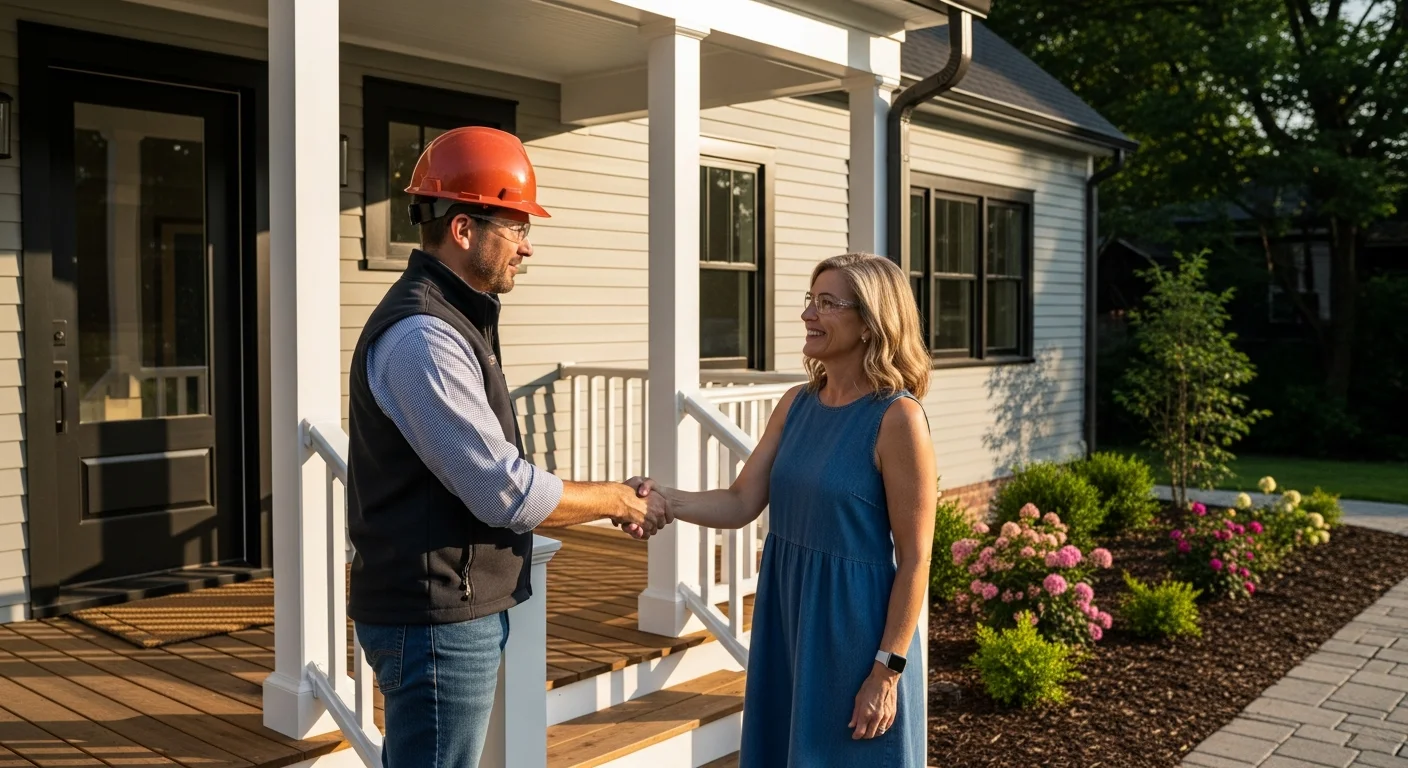
Construction Client Retention: How to Turn One-Time Customers Into Repeat Clients
Let me hit you with a number that should make you uncomfortable: the average contractor spends somewhere between $500 and $2,000 to acquire a single new customer. That includes your ad spend, your time writing proposals, doing site visits for projects you never land, and all the back-and-forth that goes into closing a deal.
Now here’s the kicker. You probably have dozens, maybe hundreds, of past clients sitting in your phone or some dusty spreadsheet who already trust you, already know your work, and would hire you again tomorrow if you just picked up the phone. But most of us don’t make that call. We’re too busy chasing the next lead to remember the people who already said yes.
That’s what this guide is about. Not some fluffy theory about “customer experience.” Real, practical stuff you can do starting this week to keep your past clients coming back and telling their neighbors about you.
Why Most Contractors Lose Clients (And Don’t Even Realize It)
Here’s the thing nobody talks about in construction: we don’t usually “lose” clients to a competitor. We lose them to silence. The project ends, you cash the final check, and then… nothing. Six months later, that client needs their deck rebuilt or wants to add a bathroom, and they can’t remember your company name. So they Google “contractor near me” and end up hiring somebody else.
It’s not that they were unhappy with your work. It’s that you disappeared.
Think about your own habits for a second. When’s the last time you reached out to a client after the final walkthrough? Not to chase a payment or fix a punch list item, but just to check in? If you’re like most GCs I know, the answer is “not recently.”
The construction industry has a weird relationship with repeat business. Restaurants, barbers, dentists, they all think about retention because their model depends on it. But contractors tend to treat every job like a standalone transaction. Finish the job, move on, find the next one. That mindset is costing you real money.
Consider this: it costs 5 to 7 times more to win a new client than to keep an existing one. A past client who already trusts you is more likely to say yes to your proposal, less likely to negotiate you down to the bone on price, and way more likely to send referrals your way. If you’re not actively working to retain clients, you’re basically leaving a pile of cash on the table every single year.
Build a Follow-Up System That Actually Works
I know what you’re thinking. “I don’t have time to call every past client.” Fair enough. You’re running crews, managing subs, dealing with inspectors, and putting out fires every day. But here’s the good news: a follow-up system doesn’t have to eat your whole day. It just has to exist.
Start with the basics. After every completed project, schedule three touchpoints:
One week after completion: A quick call or text. “Hey, just checking in to make sure everything’s holding up. Any questions about anything we installed?” This is also the perfect time to ask for a review.
Three months after completion: A short email or message. Share a seasonal maintenance tip related to the work you did. If you installed a roof, remind them about gutter cleaning before fall. If you did a bathroom remodel, send a quick note about caulk maintenance. This keeps you top of mind and positions you as someone who cares beyond the invoice.
One year after completion: The anniversary check-in. “Hey, it’s been a year since we wrapped up your kitchen. How’s everything holding up? We’d love to swing by for a quick look if anything needs attention.” This is where a lot of repeat work comes from, because a year in, things do come up.
Now, doing this manually for every client is a pain. That’s where having a real CRM built for contractors makes a huge difference. You can set up automated reminders so nothing falls through the cracks, and your whole team can see the client history without digging through text messages or email threads. The follow-up doesn’t need to be fancy. It just needs to happen consistently.
Nail the Client Experience From First Call to Final Walkthrough
Retention doesn’t start after the project is done. It starts the first time a potential client picks up the phone or fills out your contact form. Every interaction shapes whether this person will hire you once or hire you for life.
Let’s break down the moments that matter most:
The proposal stage. This is your first impression, and it sets the tone for everything that follows. A sloppy, vague proposal tells the client you’re disorganized. A clear, detailed proposal tells them you know what you’re doing and you respect their time. If you’re still sending proposals on the back of a napkin, check out our construction proposal writing guide for a better approach.
Setting expectations early. The number one cause of client frustration in construction is mismatched expectations. They thought the job would take four weeks, it took eight. They thought the tile would look like the sample, it doesn’t quite match. You can prevent most of this by being upfront about timelines, potential delays, material variations, and what the process actually looks like day to day. We put together a full guide on managing construction client expectations that digs into the specifics.
Communication during the build. This is where most contractors drop the ball. The client is sitting at home wondering what’s happening, and you’re too busy on-site to send an update. But here’s the reality: a 30-second text with a progress photo does more for client satisfaction than almost anything else. If you’re not sure how to structure your communication, our client communication guide lays it out step by step.
Contractors across the country trust Projul to run their businesses. Read their reviews.
Even better, give your clients a way to check on their project without having to call you. A customer portal where they can see progress photos, approve change orders, and view their schedule takes a massive amount of friction out of the relationship. Clients love it because they feel informed. You love it because you get fewer “just checking in” phone calls during the day.
The final walkthrough. Don’t rush this. Walk through every detail with the client, explain how things work, answer their questions, and make sure they feel good about the finished product. This is the moment that determines whether they remember you as “that contractor who did a great job” or “that contractor who rushed out the door.”
Create a Warranty and Maintenance Program Worth Talking About
Here’s a retention strategy that most contractors overlook completely: what happens after the warranty period?
Most of us offer a standard one-year warranty. Some of us actually honor it promptly, which already puts you ahead of the pack. But the real opportunity is turning warranty work into a relationship builder rather than treating it like a burden.
When a client calls with a warranty issue, your response time and attitude tell them everything about your company. If you drag your feet or make them feel like they’re bothering you, that’s the last time they’ll ever call. But if you show up quickly, fix the issue without drama, and treat it like part of the job, you’ve just earned a client for life.
Take it a step further and create a simple maintenance program. Nothing complicated. Maybe you send an annual maintenance checklist related to the work you performed. Or offer a discounted annual inspection where you check on the materials and workmanship from the original project. This gives you a built-in reason to stay in touch and a natural opportunity to spot additional work.
For a deeper look at how to structure this, our warranty management guide covers the nuts and bolts of building a warranty program that actually drives repeat business.
The point is this: the project doesn’t end when you hand over the keys. The relationship continues, and the contractors who understand that are the ones building businesses that grow without constantly scrambling for new leads.
Turn Happy Clients Into Your Best Sales Team
Word of mouth is still the most powerful marketing channel in construction. Period. You can spend thousands on Google Ads and SEO, and you should, but nothing closes a deal faster than “my neighbor used them and they were great.”
The problem is that most contractors leave referrals to chance. You finish a job, hope the client tells their friends, and wait. That’s not a strategy. That’s wishful thinking.
Here’s how to be intentional about it:
Ask at the right moment. The best time to ask for a referral is when the client is happiest. That’s usually right after a successful final walkthrough, when they send you a complimentary text, or when they post about their new kitchen on social media. Don’t wait three months. Strike while the iron is hot.
Make it easy. Don’t just say “tell your friends about us.” Give them something to share. A simple referral card, a link to your website, or even a pre-written text they can forward. The less work they have to do, the more likely they’ll actually do it.
Build a formal program. A structured referral program takes this from a one-off ask to a repeatable system. Whether you offer a gift card, a discount on future work, or just a heartfelt thank-you, having a defined process means you’ll actually follow through. Our referral program guide walks through how to set one up from scratch.
Celebrate your referrals. When someone sends you a client, acknowledge it immediately. A personal thank-you call, a handwritten note, or a small gift goes a long way. People who feel appreciated refer more. People who feel ignored stop.
And here’s something that surprises a lot of contractors: your best referral sources aren’t always your residential clients. Think about real estate agents, property managers, insurance adjusters, and other tradespeople you work with. Building relationships with these folks creates a steady pipeline of referral work that compounds over time.
Reviews matter too. Online reviews are basically digital word of mouth. After every completed project, make it part of your process to ask for a Google review. Most happy clients will leave one if you ask directly and make it easy. Send them the link. Don’t make them search for your business page.
Track What Matters and Keep Improving
You can’t improve what you don’t measure. And most contractors have no idea what their actual retention rate is, let alone which strategies are working.
Start tracking a few simple numbers:
Repeat client rate. What percentage of your revenue comes from past clients? If you don’t know this number, you’re flying blind. Pull up your books from last year and figure it out. For most contractors, this number is somewhere between 20 and 30 percent. Top performers push it above 50 percent.
Referral source tracking. When a new lead comes in, ask how they heard about you. Keep a simple log. Over time, you’ll see which past clients are your top referral sources, which marketing channels are working, and where to focus your energy.
Client satisfaction scores. This doesn’t have to be a formal survey. A simple “How did we do? Anything we could have done better?” at the end of every project gives you real feedback you can act on. The clients who give you honest criticism are doing you a favor. Listen to them.
Response time on warranty calls. Track how quickly you respond to post-project issues. If your average response time is creeping up, that’s a red flag that your retention will suffer.
A good contractor CRM makes tracking all of this way easier than trying to do it with spreadsheets and memory. You can tag clients, set follow-up reminders, track referral sources, and see your pipeline at a glance. If you’re running more than a handful of projects a year, having a system for this isn’t optional anymore.
The bottom line is pretty straightforward. The contractors who build lasting businesses aren’t just good at building things. They’re good at building relationships. Every client interaction is either moving someone toward hiring you again or moving them toward forgetting you exist. The strategies in this guide aren’t complicated, but they require consistency. Set up your follow-up system, deliver a great experience, stay in touch after the project, ask for referrals, and track your results.
You already do the hard part. You build stuff that lasts. Now build client relationships that last too.
Ready to stop guessing and start managing? Schedule a demo to see Projul in action.
Ready to see how Projul can help you keep track of your clients and grow your repeat business? Book a free demo and we’ll walk you through it.
Frequently Asked Questions
What is a good client retention rate for a construction company?
How do I stay in touch with past construction clients without being annoying?
How much cheaper is it to retain a construction client versus finding a new one?
Should I offer discounts to get repeat construction clients?
What is the best way to ask a construction client for a referral?
Related Articles
Construction Warranty Callback Management: How to Handle Warranty Work Without Losing Money
Warranty callbacks don't have to destroy your margins. This guide covers practical systems for tracking, scheduling,...
Read More →
Building Your Own Contractor Shop or Yard: What Every GC Needs to Know
At some point, every growing contractor faces the same question: do we keep renting, or do we build our own shop? This...
Read More →
Construction Contract Negotiation: 25 Tips to Protect Your Business Before You Sign
Most contractors lose money not because they can't build, but because they signed a bad contract. Here are 25...
Read More →