
Construction Elevator Pitch & Sales Presentation Guide | Projul
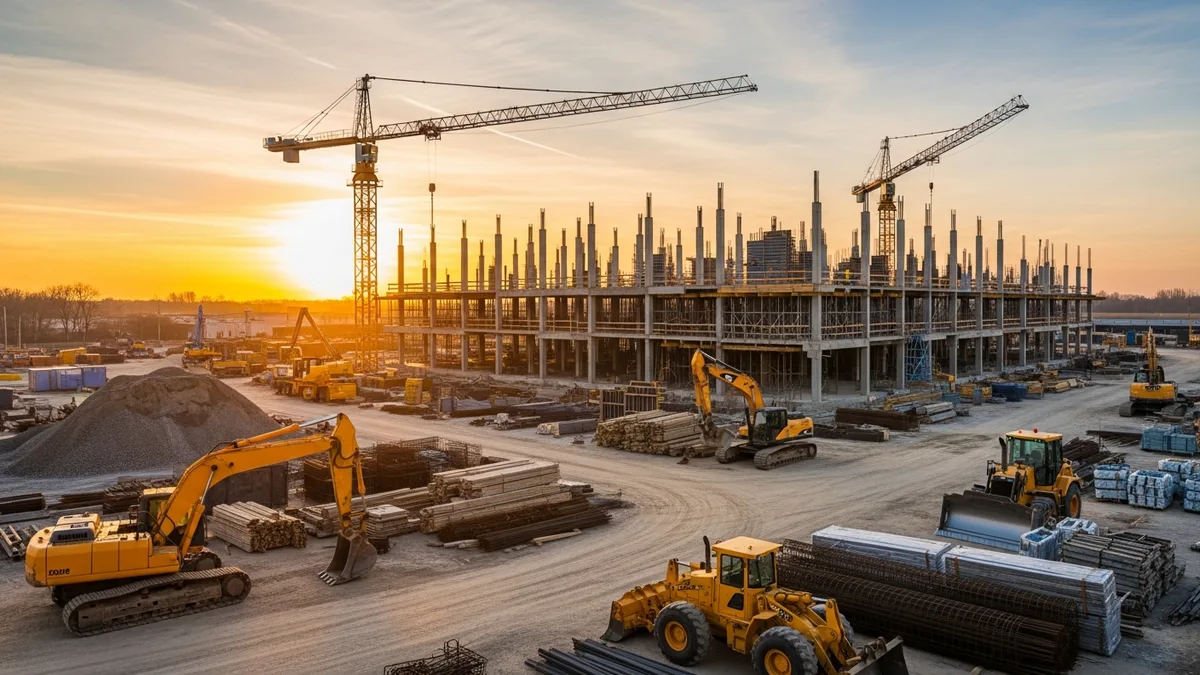
You have about 30 seconds to make someone care about your construction company. Whether you are shaking hands at a networking event, sitting across from a property owner, or presenting to a general contractor’s team, those first few moments set the tone for everything that follows.
Most contractors are great at building things. Selling those skills to someone who has never watched you work? That is where a lot of us struggle. This guide breaks down how to craft a pitch that sticks, build a presentation that wins work, and follow up in a way that actually closes deals.
Crafting Your 30-Second Elevator Pitch
An elevator pitch is not a sales script. It is a short, honest explanation of what your company does and why someone should care. You are not trying to close a deal in 30 seconds. You are trying to earn the next conversation.
Here is a simple framework that works for contractors:
Line 1: Who you are and what you do. Keep it specific. “I run a commercial interior buildout company in Denver” is better than “I’m in construction.”
Line 2: Who you help. Name your ideal client. “We work with property managers and restaurant groups who need tenant improvements done on tight timelines.”
Line 3: What makes you different. This is the hard one. Think about what clients actually compliment you on. Maybe it is your communication, your speed, or the fact that you show up when you say you will. Whatever it is, say it plainly.
Line 4: A soft open. Not a hard sell. Something like, “If you ever need a number on a project, I’d be happy to take a look.”
Put those four lines together and you have a pitch that sounds like a real person talking, not a billboard. Practice it out loud until it feels natural. If it sounds rehearsed, trim it down.
A few things to avoid in your pitch:
- Industry jargon. The person you are talking to might not know what a GC is, let alone what a GMP contract means.
- Vague claims. “We do quality work” means nothing. Everyone says that. Be specific: “We finished our last three restaurant buildouts ahead of schedule.”
- Talking too long. If you catch yourself going past 30 seconds, stop. Less is more here.
Your elevator pitch is also the foundation of your company website and lead generation strategy. The language you use face-to-face should match the language on your homepage. If your pitch says one thing and your website says another, prospects will notice.
Building a Sales Deck That Actually Works
A sales deck for a construction company is not the same as a Silicon Valley startup pitch. Nobody cares about your “market opportunity.” They care about whether you can get the job done on time, on budget, and without making their life harder.
Here is what a solid construction sales deck looks like:
Slide 1: Title slide. Company name, logo, your name, and contact info. Simple.
Slide 2: The problem. This is where you show you understand the client’s pain. For a property owner, it might be, “Finding a contractor who communicates, stays on schedule, and doesn’t surprise you with change orders is harder than it should be.” Mirror their frustration back to them.
Slide 3: Your solution. How your company solves that problem. Keep it to three or four bullet points. Focus on outcomes, not processes.
Slide 4-5: Project photos and case studies. Show, don’t tell. Pick two or three projects similar to the one you are pitching. Include before and after photos, timeline, budget, and a one-sentence client quote if you have one.
Slide 6: Your process. Walk them through how a project works with your company from first call to final walkthrough. This builds confidence because it shows you have done this before and you have a system. If you use construction project management software to keep jobs on track, mention it here. Clients like knowing their project will not be managed on sticky notes.
Slide 7: Your team. A photo of your crew or key team members. People hire people, not companies. Put faces to the name.
Slide 8: Pricing overview. You do not need to give exact numbers in a deck, but show how your pricing works. Are you fixed price? Cost plus? Time and materials? Explain the approach so there are no surprises. For more on structuring this section, check out our guide on how to write a construction proposal.
Slide 9: Call to action. Tell them exactly what happens next. “Let’s schedule a site visit this week so we can get you a number by Friday.”
Keep the whole thing under 10 slides. If you cannot make your case in 10 slides, you are overcomplicating it. Use big photos and minimal text. Your slides are a backdrop, not a teleprompter.
Presentation Tips for GC and Owner Meetings
Walking into a meeting with a general contractor or building owner is different from chatting with a homeowner at their kitchen table. The stakes are higher, the audience is more experienced, and they have seen dozens of contractors pitch before you.
Here is how to stand out:
Do your homework. Before you walk in, research the company, the project, and the people in the room. Check their website, look at their recent projects, and see if they have any public bid results or press. Showing up informed tells them you are serious about this specific job, not just casting a wide net.
Lead with their project, not your resume. The biggest mistake contractors make in formal meetings is spending the first ten minutes talking about themselves. Flip the script. Start by acknowledging what you know about their project, their timeline, and their challenges. Then explain how your experience applies to their specific situation.
Bring physical materials. A laptop or tablet is great for your slide deck, but also bring printed one-pagers, material samples, or a bound project portfolio. Some decision-makers are visual learners. Some want something to flip through after you leave. Give them both options.
Know your numbers cold. If they ask about your bonding capacity, your insurance limits, your safety EMR, or your last three project budgets, you should be able to answer without digging through your phone. Write these numbers on a reference card and keep it in your pocket.
Talk about communication, not just construction. GCs and owners have been burned by subs and contractors who go dark mid-project. Tell them how you communicate. Weekly reports? A client portal? Daily photo updates? Your client communication approach can be the thing that separates you from the next contractor in the waiting room.
Ask questions. A presentation should be a conversation, not a monologue. Ask about their priorities, their timeline concerns, and what went wrong on their last project. These questions show you care about their outcome, and the answers give you ammunition to tailor your proposal.
Handling Objections Without Losing the Deal
Objections are not rejections. They are requests for more information. When a prospect pushes back on something, it usually means they are interested enough to engage but need a reason to say yes.
Here are the most common objections contractors face and how to handle them:
“Your price is too high.”
Curious what other contractors think? Check out Projul reviews from real users.
This is the big one. First, resist the urge to immediately offer a discount. Instead, ask what they are comparing your number to. In many cases, a competing bid excluded scope items, allowances, or contingency that your bid includes. Walk through your pricing line by line and point out what is covered. If you have used accurate estimating practices, your numbers will hold up under scrutiny.
If price is genuinely the issue, offer to adjust scope rather than cutting your margin. “We could switch from custom cabinets to semi-custom and save about $8,000. Want me to re-run the numbers?” That is a collaborative solution, not a surrender.
“We’re still getting other bids.”
Fair enough. The right response is, “That makes sense. When do you expect to make a decision?” Then make a note to follow up on that date. Do not badmouth competitors. Do not pressure them to decide now. Just be the contractor who followed up on time.
“We’ve had bad experiences with contractors before.”
This is an opening, not a wall. Ask what went wrong. Listen carefully. Then explain specifically how your process prevents that from happening. If their last contractor blew the schedule, walk them through your scheduling approach and how you track milestones. If communication was the issue, show them exactly how and when you send updates.
“We’re not ready to start yet.”
Ask when they expect to be ready and what needs to happen before then. Offer to do a preliminary estimate or site visit in the meantime so they have real numbers when budgeting. Stay in touch monthly with a brief, non-pushy email. When they are ready, you will be the first call.
“Can you match this other price?”
Never match blind. Ask to see the competing bid’s scope. Nine times out of ten, the scopes are different. Point out the differences respectfully. “Their number doesn’t include demo, and they’ve got a $15,000 allowance where we have actual material costs. Apples to apples, we’re actually within $3,000 of each other.”
The key to handling any objection is staying calm and curious. Defensive contractors lose deals. Contractors who ask questions and provide clear answers win them.
Proposal Follow-Up That Gets Responses
You sent the proposal. Now what? If your strategy is “wait and hope,” you are leaving money on the table. Most construction jobs are not won by the best bid. They are won by the contractor who followed up consistently and professionally.
Here is a follow-up timeline that works:
Day 1: Confirmation email. As soon as you submit the proposal, send a short email confirming delivery. “Hi [Name], just confirming the proposal for [project] came through. Let me know if you have any questions. Happy to walk through it anytime.”
Day 3-5: First follow-up. A quick check-in. Keep it brief: “Wanted to make sure you had a chance to look over the proposal. Any questions or anything you’d like me to clarify?” That is it. No essays.
Day 7-10: Second follow-up. This time, add a small piece of value. Maybe reference a similar project you just completed, share a photo, or mention something relevant to their timeline. “We just wrapped a similar buildout on Main Street, came in $4K under budget. Happy to share photos if you’re interested.”
Day 14-21: Final follow-up. Be honest and direct. “I want to respect your time, so this will be my last follow-up. If the project is still moving forward, I’d love to be in the conversation. If the timing isn’t right, no worries at all. My door’s open whenever you’re ready.”
A good CRM built for construction will track all of this for you automatically. You can set reminders, log every touchpoint, and see at a glance which proposals need attention. Trying to manage follow-ups from memory or sticky notes is how deals slip through the cracks.
Some extra follow-up tips:
- Call, don’t just email. A two-minute phone call is worth five emails. If they don’t answer, leave a brief voicemail and follow up with a text.
- Reference something specific. Mentioning a detail from your site visit or meeting shows you were paying attention.
- Know when to stop. Three follow-ups with no response means move on. Stay in their pipeline for the long term, but stop chasing this specific proposal.
- Track your win rate. If you are sending 20 proposals a month and closing two, you have a 10% win rate. That number tells you whether your pitch, pricing, or follow-up needs work. For more on managing this process, check out our construction sales pipeline guide.
Closing Techniques for Contractors
Closing is not about being slick. It is about making it easy for the client to say yes. If you have done everything right up to this point, the close should feel like a natural next step, not a high-pressure moment.
Here are closing techniques that work in construction:
The assumptive close. Instead of asking “Do you want to go ahead?”, say “When would you like us to start?” or “Should we target the first week of April for mobilization?” This assumes the deal is moving forward and shifts the conversation to logistics.
The deadline close. If there is a legitimate time constraint, use it. “Material prices on steel are locked through March 15. If we get the contract signed this week, I can hold those numbers.” Never invent fake deadlines. Clients see through that instantly. But real ones, like material price holds, permit windows, or crew availability, are fair game.
The summary close. Before asking for the decision, recap what you have discussed. “So we’re looking at a 12-week timeline, starting mid-April, with the full kitchen and two bathrooms in scope. Total is $127,000 with the selections we discussed. Does that match your expectations?” This gives them a chance to correct anything and confirms alignment before you ask for the signature.
The choice close. Give them two options instead of a yes or no. “Would you prefer the standard timeline or the accelerated schedule with the overtime premium?” Either answer moves the deal forward.
The puppy dog close. In construction, this looks like offering a small first step. “Why don’t we start with the site survey and engineering? That’s $3,500, and it gives us real numbers before you commit to the full project.” This lowers the barrier to entry and gets the relationship started.
A few things to remember about closing:
- Ask for the business. A surprising number of contractors present beautifully and then never actually ask for the contract. Don’t assume the client will bring it up. Say it plainly: “We’d love to do this project. Can we get the paperwork started?”
- Make signing easy. If your contract requires printing, signing, scanning, and emailing, you are adding friction. Digital signatures through your construction management platform make it easy for clients to sign from their phone in two minutes.
- Follow up after the close. Once the contract is signed, send a welcome email outlining next steps, key dates, and who their point of contact will be. This reassures the client they made the right choice and sets the tone for a smooth project.
Want to put this into practice? Book a demo with Projul and see the difference.
Winning work as a contractor is not about having the flashiest presentation or the cheapest price. It is about being clear, being prepared, and following through. Nail your pitch, build a simple deck, handle objections with confidence, follow up like a professional, and ask for the business. Do those things consistently, and you will close more jobs than the contractor who just sends a number and hopes for the best.
Frequently Asked Questions
How long should a construction elevator pitch be?
What should I include in a construction sales presentation?
How do I handle price objections during a construction sales meeting?
How many times should I follow up after a construction proposal?
Should I use a slideshow or printed materials for construction sales presentations?
Related Articles
Construction Exit Strategy: How to Sell Your Construction Company
What buyers look for in a construction company and how to get yours ready to sell at the right price.
Read More →
How to Build a Referral Program for Your Construction Business
A step-by-step guide to building a referral program that keeps qualified leads coming in from your existing network.
Read More →
How to Create a Construction Business Continuity Plan
How to keep your construction business running when things go sideways.
Read More →