
Construction Industry Trends for 2026
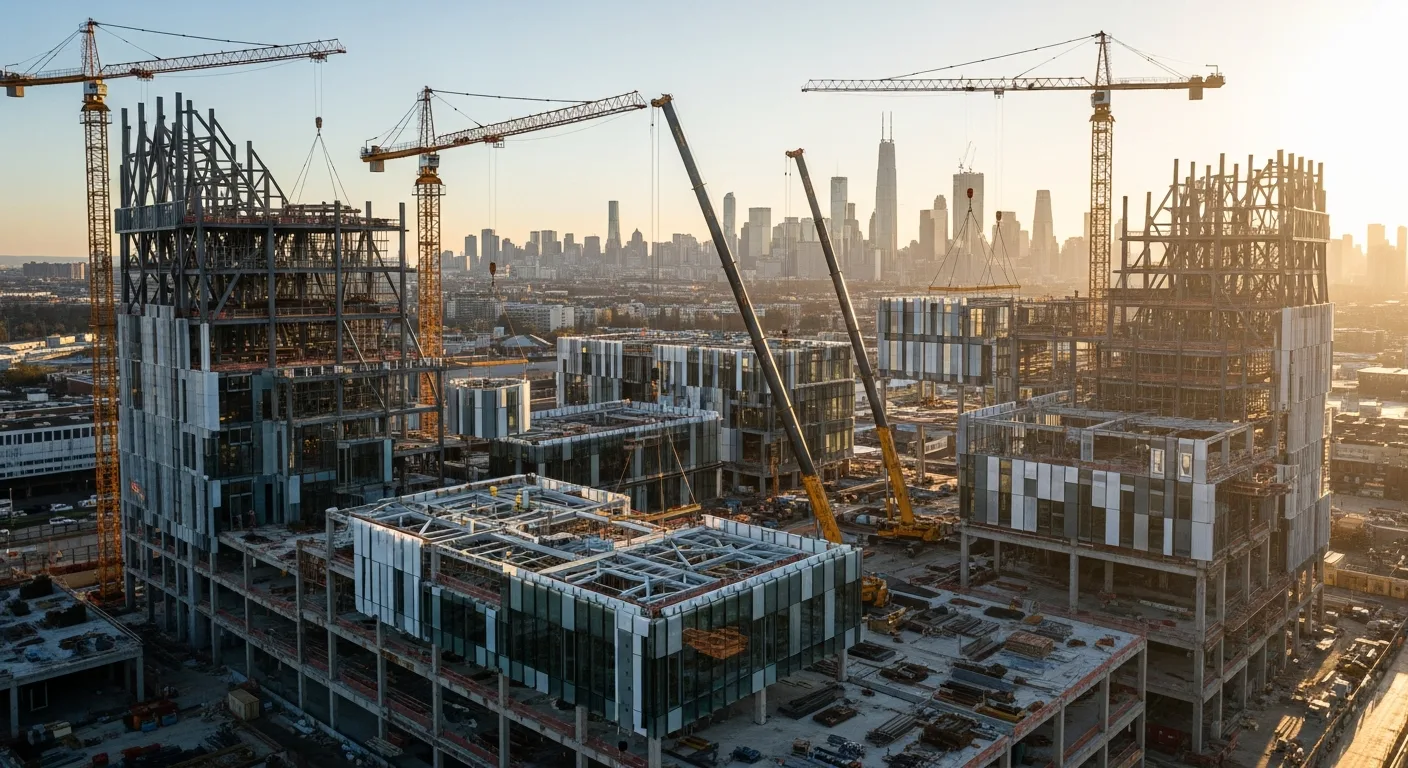
Construction Industry Trends 2026: What Contractors Need to Know
If you’ve been in construction for any length of time, you know the industry never sits still. Every year brings new pressures, new opportunities, and new headaches. 2026 is no different.
But this year feels like a turning point for a lot of contractors. Between a labor market that keeps getting tighter, material costs that refuse to stabilize, and technology that’s actually starting to deliver on its promises, the businesses that pay attention to what’s coming will be the ones that thrive.
Let’s break down the trends that matter most to contractors right now, with a focus on what you can actually do about them.
The Labor Shortage Isn’t Going Away
This one has been on every “trends” list for years now, and for good reason. The construction labor shortage is not a blip. It’s a structural problem.
The numbers tell the story. The industry needs hundreds of thousands of additional workers just to keep up with current demand, and retirements are accelerating. Baby boomers who built careers in the trades are aging out, and younger workers aren’t replacing them at anywhere near the same rate.
Here’s what’s different in 2026:
- Immigration policy changes have further reduced the available labor pool in many markets. Regardless of where you stand politically, the impact on construction crews is real.
- Wage pressure keeps climbing. Skilled tradespeople know they have options, and they’re exercising them. If you’re not competitive on pay and benefits, you’re losing people.
- Training expectations have shifted. New workers want a clear path, not just “show up and figure it out.” Companies with structured apprenticeship and mentorship programs are having an easier time attracting talent.
What You Can Do
Stop treating hiring as something you do when you’re desperate. Build a year-round recruiting pipeline. Partner with trade schools and high schools in your area. Offer real training programs, not just on-the-job learning. And take retention seriously: the cost of losing an experienced crew member is enormous once you factor in recruiting, training, and lost productivity.
Material Prices: Volatile Is the New Normal
Remember when lumber tripled during COVID and everyone thought it would settle back down? It eventually did, mostly. But the broader lesson is that stable, predictable material pricing is a thing of the past.
In 2026, here’s what we’re seeing:
- Steel and lumber have leveled off compared to the wild swings of 2021 to 2023, but prices remain elevated compared to pre-pandemic levels.
- Concrete costs are climbing, driven by cement plant capacity constraints and increased infrastructure demand from federal spending programs.
- Copper and electrical components are in particularly tight supply. Electrification trends (EV infrastructure, heat pumps, solar installations) are competing with traditional construction for the same materials.
- Lead times remain extended for specialty items like switchgear, transformers, and custom HVAC equipment.
What You Can Do
Build material cost volatility into your bids. If you’re still pricing jobs with fixed material costs and no escalation clause, you’re gambling. Include material escalation provisions in your contracts. Lock in prices with suppliers when you can. And for long-duration projects, consider buying and storing critical materials early rather than ordering just in time.
AI Is Getting Real (Not Just Hype)
For years, “AI in construction” was mostly a conference talking point. Vendors would demo flashy technology, but most contractors couldn’t see how it applied to their day-to-day work.
That’s changing in 2026. AI tools are finally reaching a point where they’re practical, affordable, and genuinely useful for small to mid-size contractors, not just enterprise firms with six-figure technology budgets.
Here’s where AI is making a real difference right now:
- Estimating and takeoffs. AI-powered tools can read blueprints and generate material takeoffs in a fraction of the time it takes to do manually. They’re not perfect, but they’re a solid starting point that reduces hours of work.
- Scheduling. AI scheduling tools can flag conflicts, predict delays based on weather and resource availability, and suggest adjustments before problems hit.
- Safety monitoring. Jobsite cameras with AI can detect PPE violations, unsafe conditions, and near-miss events in real time.
- Equipment maintenance. Predictive maintenance systems track equipment health data and alert you before a breakdown happens on site.
What You Can Do
Don’t try to adopt everything at once. Pick one pain point in your business, like estimating accuracy or scheduling conflicts, and find an AI tool that addresses it. Start small, measure the results, and expand from there. The contractors who ignore this entirely will fall behind. But the ones who chase every shiny new tool will waste money too. Be strategic.
Modular and Prefab Construction Keeps Growing
Modular construction has been “the next big thing” for decades. In 2026, it’s finally hitting its stride, and not just for temporary structures or basic housing.
Several factors are driving adoption:
- Labor shortages make off-site construction more attractive. You need fewer workers on the actual jobsite when major components arrive pre-built.
- Schedule compression is a huge selling point. Modular construction can cut project timelines by 30% to 50% compared to traditional methods.
- Quality control is easier in a factory setting. Controlled environments mean fewer weather delays, less material waste, and more consistent workmanship.
- Healthcare, education, and multifamily housing are leading sectors for modular adoption. These project types benefit from repetitive floor plans and fast delivery requirements.
What You Can Do
If you’re a general contractor, start familiarizing yourself with modular suppliers and processes in your area. Even if you’re not building modular projects yet, understanding how prefab components can fit into traditional builds gives you a competitive edge.
If you’re a specialty contractor (mechanical, electrical, plumbing), look into off-site prefabrication for your scope. Prefabbing pipe racks, electrical panels, or plumbing assemblies in your shop and delivering them ready to install can dramatically reduce your on-site labor hours.
Sustainability Requirements Are Expanding
Green building is no longer optional for many project types. In 2026, the regulatory and market pressure around sustainability is reaching contractors who have never had to think about it before.
Key developments:
- Updated energy codes are rolling out in states and municipalities across the country. If your local jurisdiction adopts the 2024 IECC or similar standards, insulation requirements, air sealing standards, and mechanical system specifications are all tightening.
- Embodied carbon tracking is emerging as a requirement on government and institutional projects. This means tracking the carbon footprint of the materials you use, not just the building’s operating energy.
- Waste diversion requirements are becoming more common. Some jurisdictions require construction projects to divert 50% to 75% of waste from landfills.
- Client expectations are shifting. Even on private projects, more owners are asking about sustainable practices, recycled content, and energy performance.
What You Can Do
Stay current on code changes in your market. If you build in multiple jurisdictions, this can be particularly complex, but it’s essential. Start tracking your waste streams and recycling rates even before it’s required, so you’re ahead when mandates arrive. And consider adding energy-efficient or sustainable options to your proposals. Clients increasingly value contractors who can speak intelligently about these topics.
Insurance Costs Are Squeezing Margins
If you’ve renewed your commercial insurance recently, you probably noticed the premium increase. Construction insurance costs have been climbing steadily, and 2026 is no exception.
Drivers of higher premiums include:
- Increased claim severity. Material and labor costs to fix defects have risen, so claim payouts are higher.
- More frequent weather events. Storms, floods, and wildfires are driving up property and builder’s risk insurance costs, especially in vulnerable regions.
- Nuclear verdicts. Large jury awards in construction injury cases have made underwriters more cautious and more expensive.
- Cyber liability. As construction companies adopt more technology, insurers are adding cyber coverage requirements and increasing premiums accordingly.
What You Can Do
Work with a construction-focused insurance broker, not a generalist. They understand the risks specific to your trade and can help you find coverage that matches your actual exposure without overpaying. Invest in safety programs. A strong safety record, documented with data, gives you negotiating power at renewal time. And review your contracts for insurance requirements before signing. Being asked to carry $5 million in coverage for a $200,000 job isn’t uncommon, and it’s worth pushing back.
Interest Rates and Their Impact on Project Volume
Interest rates have been a major storyline in construction for the past few years. After the aggressive rate hikes of 2022 to 2023, rates have come down somewhat but remain well above the near-zero levels contractors got used to during the 2010s.
The impact varies by sector:
- Residential construction has felt the squeeze most directly. Higher mortgage rates have slowed new home starts, though renovation and remodeling work has picked up as homeowners invest in existing properties instead of buying new.
- Commercial development has cooled in areas like office and retail, where financing costs make speculative projects harder to pencil out.
- Infrastructure and institutional work remain strong, supported by federal funding programs that are less sensitive to interest rate fluctuations.
- Industrial construction (data centers, manufacturing, energy) is booming regardless of rates, driven by technology investment and reshoring trends.
What You Can Do
Diversify your project mix if you can. Contractors who are heavily dependent on one sector are vulnerable when that sector slows. If residential is your bread and butter, consider building capabilities in renovation or light commercial. If you’re a commercial contractor, look at where institutional and infrastructure spending is flowing in your area.
Technology Adoption Beyond AI
AI gets the headlines, but there are other technology trends quietly changing how contractors operate in 2026:
- Construction management software adoption continues to grow, especially among small to mid-size contractors who previously relied on spreadsheets and paper. Tools like Projul help contractors manage scheduling, estimating, and job costing without the complexity of enterprise platforms.
- Drones for site surveying, progress documentation, and roof inspections are now commonplace. The cost has dropped enough that even small contractors can justify the investment.
- Wearable technology for safety (smart hard hats, biometric monitors) is gaining traction on larger jobsites.
- BIM (Building Information Modeling) is expanding beyond design into construction execution, with more contractors using 3D models for coordination, clash detection, and as-built documentation.
What You Can Do
Focus on the basics first. If you’re still running your business on spreadsheets, email threads, and paper forms, that’s where to start. A good construction management platform will give you better visibility into your jobs, reduce errors, and save your team hours of administrative work every week.
How Technology Is Reshaping Construction Operations
Beyond the individual tools mentioned above, there’s a broader shift happening in how construction companies run their day-to-day operations. Technology is changing the back office just as much as it’s changing the jobsite.
For decades, most contractors ran their businesses with a combination of spreadsheets, whiteboards, phone calls, and gut instinct. That worked well enough when projects were simpler and margins were wider. But today’s environment demands more precision, more speed, and more accountability than those old methods can deliver.
Here’s where the shift is most visible:
Estimating Accuracy Is Becoming a Competitive Advantage
In a market where material costs change weekly and labor rates vary by trade and region, the quality of your estimates directly affects whether you win profitable work or end up underwater on jobs you shouldn’t have taken.
Contractors who still estimate by hand or with basic spreadsheets are at a measurable disadvantage. They spend more time building bids, they miss line items more often, and they struggle to adjust quickly when costs change mid-project. Purpose-built estimating tools reduce these risks by centralizing your cost data, automating calculations, and giving you templates that reflect real-world pricing.
The difference shows up in your win rate and your margins. When you can turn around an accurate estimate in hours instead of days, you bid on more work and win more of it. When your estimates reflect actual costs instead of outdated numbers from last quarter, your margins hold up through the life of the project.
Scheduling Has Moved Beyond the Whiteboard
Construction scheduling has always been complicated. Multiple crews, weather dependencies, material deliveries, inspections, subcontractor availability. Keeping all of that straight on a whiteboard or in your head works until it doesn’t.
In 2026, more contractors are moving to digital scheduling platforms that give everyone on the team real-time visibility into what’s happening and what’s coming next. The benefits go beyond just having a calendar:
- Crews know where to be and when. No more morning phone calls or confusion about which job they’re on today.
- Changes propagate instantly. When a rain day pushes Tuesday’s work to Wednesday, the whole schedule adjusts and everyone sees it.
- You spot conflicts before they become problems. Double-booked crews, overlapping subcontractor schedules, and inspection timing issues become visible before they cause delays.
- Historical data helps future planning. When you track how long tasks actually take versus how long you estimated, your future schedules get more accurate over time.
Job Costing Tells You the Truth About Your Business
Ask most contractors how a job went, and they’ll tell you it “went well” or “was a tough one.” Ask them to show you the actual numbers, and many can’t. Not because they don’t care, but because tracking costs at the job level has traditionally been painful and time-consuming.
Need a refresher on industry jargon? Check out our common construction terms.
Investing in construction management software is one of the best ways to tackle these issues head-on.
That’s changing. Modern job costing tools make it possible to track labor hours, material costs, subcontractor expenses, and change orders against your original budget in real time. You don’t have to wait until the job is done (and the invoices are all in) to know whether you made money.
This matters more than ever in 2026. With tight margins, rising costs, and competitive bidding, the difference between a 15% margin and a 5% margin on a project often comes down to whether you caught cost overruns early enough to do something about them.
Contractors who track job costs closely can:
- Identify which project types are most profitable and focus their business development there.
- Spot crews or subcontractors who consistently run over budget and address the issue.
- Build more accurate estimates for future projects based on real cost data, not guesses.
- Have honest conversations with clients about change orders backed by documentation.
The Cost of Doing Nothing Is Going Up
Every year, the gap between contractors who use modern tools and those who don’t gets wider. It’s not just about efficiency. It’s about survival.
When your competitor can turn around a detailed estimate in two hours and you need two days, you’re losing bids. When their project manager can see every job’s status from their phone and yours is driving between sites to check on progress, you’re burning time and money. When they know exactly which jobs are profitable and you’re guessing, they’re making better business decisions.
Construction management software isn’t a luxury anymore. It’s table stakes for running a competitive business. And the good news is that it doesn’t have to be expensive or complicated. Projul’s plans are designed to be accessible for contractors of all sizes. See pricing for details.
Preparing Your Business for These Trends
Reading about trends is one thing. Actually preparing your business to handle them is another. Here’s a practical framework for thinking about what to do next.
Audit Where You Are Today
Before you start buying new tools or changing your processes, take an honest look at how your business operates right now. Ask yourself:
- How long does it take to produce an estimate? If the answer is days, there’s room to improve.
- Do you know which of your jobs from last year were profitable? If not, you need better job costing.
- How do you communicate schedule changes to your crews? If it’s phone calls and texts, you’re wasting time and creating confusion.
- What’s your employee turnover rate? If you’re losing good people regularly, your retention strategy needs work.
- Are you tracking safety incidents and near-misses? If not, your insurance costs will reflect that.
This isn’t about grading yourself harshly. It’s about identifying the areas where small changes could have the biggest impact on your bottom line.
Prioritize Based on Pain, Not Hype
The temptation with any trends article (this one included) is to try to address everything at once. Don’t do that. Pick the one or two areas that are causing you the most pain right now and focus there.
If you’re losing money on jobs and don’t know why, start with job costing. If you’re spending 20 hours a week on estimates that should take five, fix your estimating process first. If your crews are constantly confused about the schedule, that’s your starting point.
The contractors who try to adopt AI, go modular, implement new software, overhaul their safety program, and revamp their hiring process all in the same quarter usually end up doing none of those things well.
Invest in Your People First
Technology is important, but it’s only as good as the people using it. Before you roll out new software or new processes, make sure your team is ready for the change.
That means:
- Explaining the “why.” People resist change when they don’t understand the reason for it. If you’re implementing new scheduling software, explain how it will make their jobs easier, not just how it helps management.
- Providing real training. Not just a 30-minute demo. Give your team time to learn the tools and ask questions.
- Getting buy-in from field leaders. If your superintendents and foremen don’t use the new system, nobody will. Involve them in the selection process.
- Being patient. Any new process takes time to stick. Expect a learning curve and plan for it.
Build Relationships That Protect Your Business
Several of the trends we’ve covered (material volatility, insurance costs, labor shortages) can be mitigated through strong relationships:
- Suppliers: Contractors with strong supplier relationships get better pricing, priority on limited inventory, and advance notice of price increases.
- Subcontractors: Reliable subs are gold. Pay them on time, treat them with respect, and they’ll prioritize your jobs when schedules get tight.
- Insurance brokers: A broker who specializes in construction can save you thousands per year and help you avoid coverage gaps.
- Bankers and bonding agents: When you need a line of credit or a bond for a new project, existing relationships make the process faster and smoother.
Set Up Systems That Scale
If your business is growing (or you want it to), the systems you have today need to support the company you want to be tomorrow. That means moving away from processes that depend on one person’s memory or one person’s spreadsheet.
When your estimator quits, can someone else step in and produce accurate bids using your existing data? When you add a third crew, does your scheduling process still work? When you take on your first $2 million project, do you have the job costing infrastructure to track it properly?
These are the questions that separate businesses that grow from businesses that stay stuck at the same size year after year.
The Big Picture: Adapt or Get Left Behind
None of these trends exist in isolation. The labor shortage drives modular construction adoption. Material price volatility makes accurate estimating more critical. Sustainability requirements affect material choices and costs. Insurance costs rise when safety programs are weak.
The contractors who will do well in 2026 and beyond are the ones who see these connections and adapt their businesses accordingly. That doesn’t mean chasing every trend or buying every new tool. It means staying informed, making deliberate choices, and building a business that can handle whatever comes next.
The good news? You don’t have to figure it all out alone. Talk to other contractors in your market. Attend industry events. Read publications that cover the business side of construction, not just the technical side. And invest in tools that give you better data about your own business, because you can’t manage what you can’t measure.
Final Thoughts
2026 is shaping up to be a year of both challenge and opportunity for contractors. The businesses that take these trends seriously, plan ahead, and make smart investments in their people, processes, and technology will be in the strongest position.
The ones that keep doing things the way they’ve always been done? They’ll find it increasingly hard to compete.
Which group do you want to be in?
Ready to Get Ahead of the Curve?
If you’re looking for a construction management platform built specifically for contractors, Projul can help. From estimating and scheduling to job costing and beyond, Projul gives you the tools to run a tighter, more profitable business without the complexity of enterprise software.
You can check our pricing and schedule a free demo to see how it works for your business. No pressure, no commitment. Just a conversation about how to make your operation run better.
Frequently Asked Questions
What are the biggest construction industry trends in 2026?
How is AI being used in construction in 2026?
Are construction material prices going up or down in 2026?
How bad is the construction labor shortage in 2026?
What sustainability requirements affect contractors in 2026?
Is modular construction growing in 2026?
How are interest rates affecting construction in 2026?
What should contractors do to prepare for 2026 trends?
Related Articles
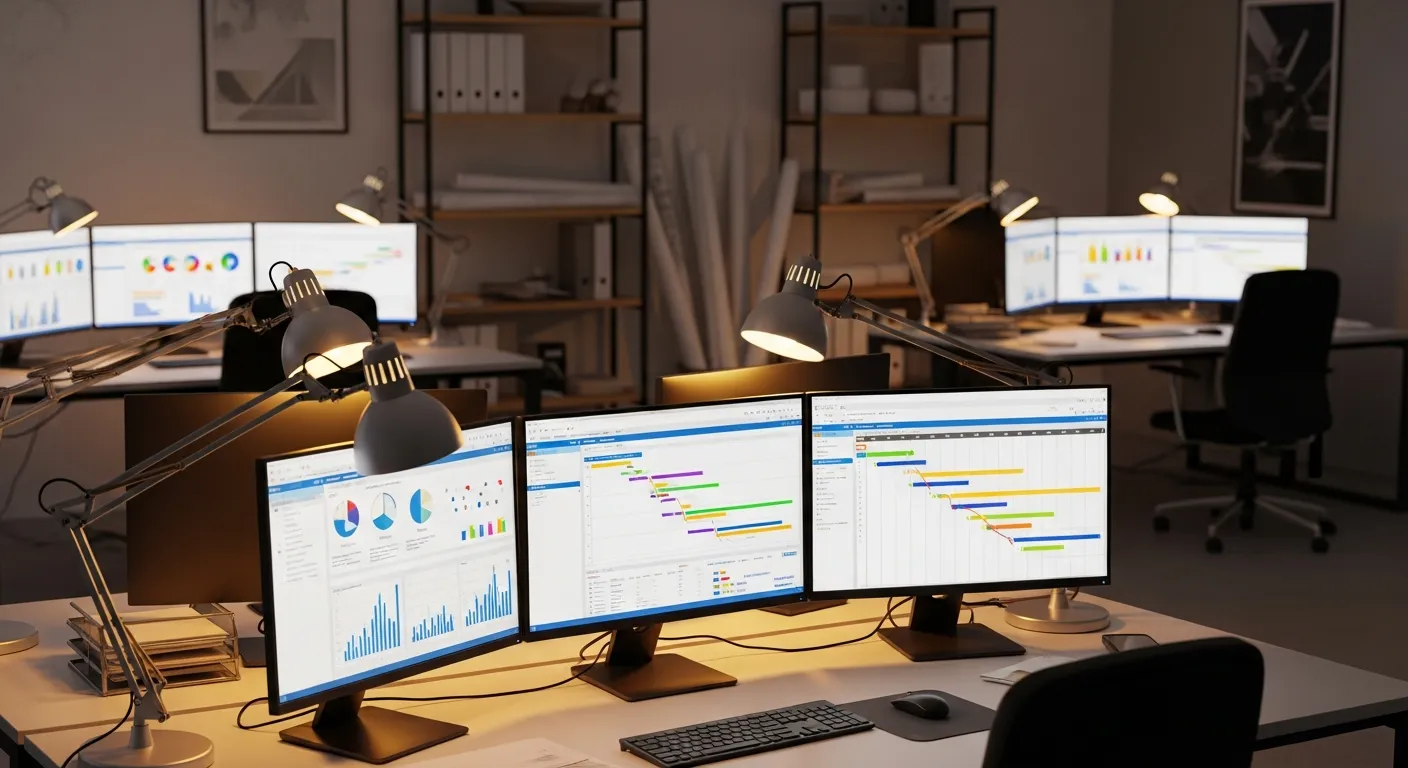
How to Implement Construction Software Without Losing Your Mind
Most construction software rollouts fail. Not because the software is bad, but because the rollout was rushed. Here are...
Read More →
How Selections Can Pay for Themselves in Three Easy Steps
Most contractors lose thousands each year on wrong material orders, slow client decisions, and missed upsell chances....
Read More →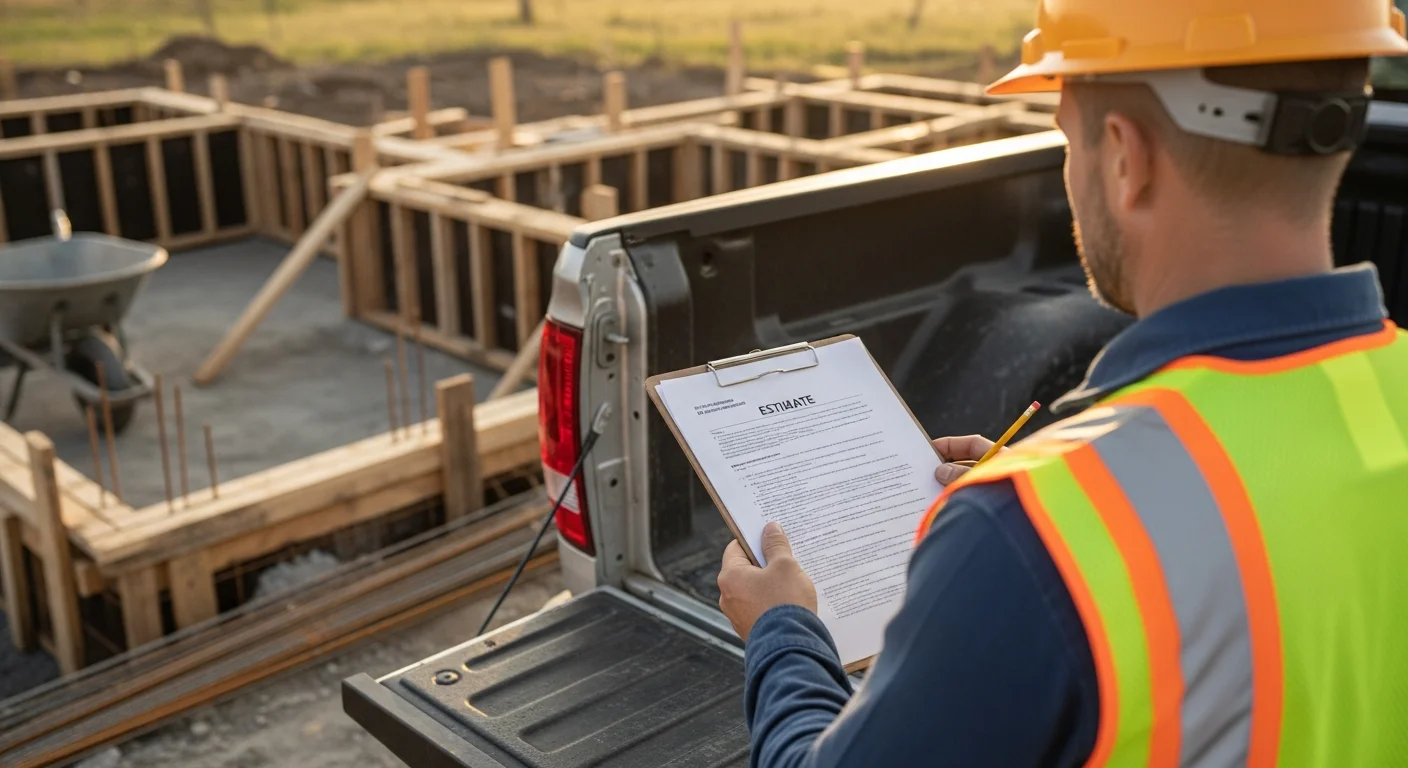
3 Free Concrete Estimate Templates for Every Pour Type (2026)
Three ready-to-use concrete estimate templates with realistic line items, material costs, labor rates, and markup...
Read More →