
How to Identify Load-Bearing Walls in Construction: A Contractor's Complete Guide | Projul
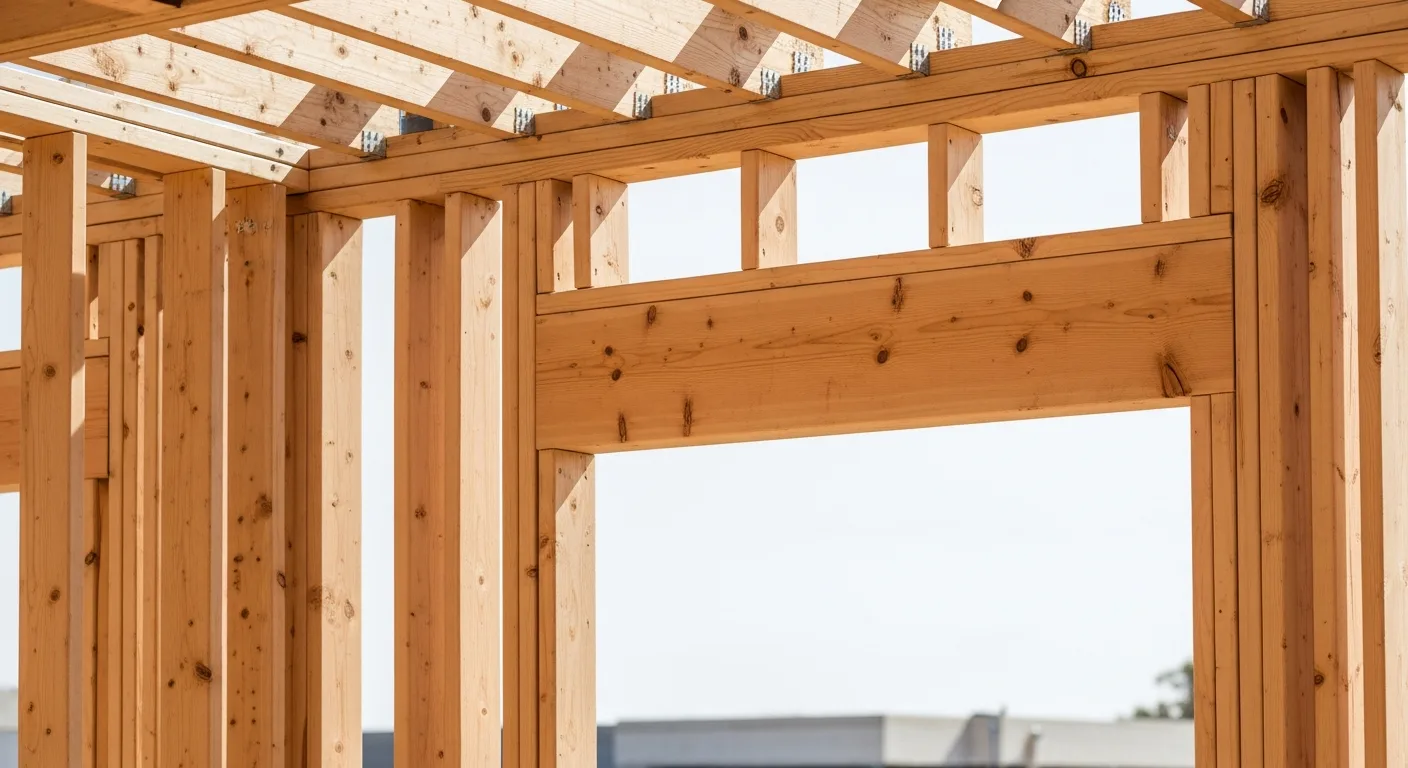
Identifying load-bearing walls is one of the most critical skills in renovation and remodeling work. Get it wrong, and you are looking at structural damage, safety hazards, and expensive repairs. Get it right, and you can confidently plan demolition, open up floor plans, and deliver the results your clients want.
This guide walks through the practical methods contractors use to identify load-bearing walls, the structural principles behind them, and the steps to follow when a load-bearing wall needs to be modified or removed.
Why Load-Bearing Wall Identification Matters
Every building has a structural system that transfers loads from the roof, through the walls and floors, down to the foundation, and into the ground. Load-bearing walls are key components of this system. They carry vertical loads from above and transfer them to the structure below.
When a homeowner or client asks you to “open up” a space, remove a wall, or create a wider opening, the first question is always: is this wall carrying structural loads?
If the answer is yes, the wall can still be modified, but it requires engineering, proper temporary support during construction, and a replacement structural element (typically a beam) to carry the loads the wall was supporting.
If you skip this analysis and remove a load-bearing wall without proper support, the results can be:
- Sagging or bouncy floors on the level above
- Cracked drywall and plaster throughout the building
- Doors and windows that stick or will not close
- Visible deflection in roof or ceiling framing
- In extreme cases, partial or complete structural collapse
The liability exposure for a contractor who removes a load-bearing wall improperly is significant. It can result in lawsuits, insurance claims, license suspension, and even criminal charges if someone is injured.
Structural Basics: How Loads Travel Through a Building
Understanding basic load paths helps you identify which walls are carrying loads and which are simply dividing space.
Vertical Load Path
In a typical wood-frame building, the load path flows like this:
- Roof loads (dead weight of roofing materials plus live loads like snow and maintenance workers) transfer to rafters or trusses.
- Rafters or trusses transfer loads to the top of exterior walls and, in many cases, to interior bearing walls.
- Upper floor loads transfer through floor joists to the walls that support their ends and midspans.
- Walls transfer loads down through the wall framing to the wall below or to a beam.
- First floor walls or basement beams transfer loads to the foundation.
- The foundation transfers loads to the soil.
At every point in this chain, something must support the load. If you remove one link without replacing it, the chain breaks.
Which Walls Carry Loads?
A wall is load-bearing if it supports any of the following:
- Roof framing (rafters, trusses, or beams) bearing on or above the wall
- Floor joists bearing on or above the wall
- Another load-bearing wall above it
- A beam that transfers loads to it
A wall is non-load-bearing (a partition wall) if it supports only its own weight. Partition walls can be removed without structural consequences.
Methods for Identifying Load-Bearing Walls
No single method is foolproof. Use multiple methods together to build confidence in your assessment.
Method 1: Review the Structural Plans
The most reliable method is to review the original structural drawings. These plans show which walls are designated as bearing walls, where beams are located, and how the structural system works.
Where to find plans:
- The homeowner may have copies from the original construction or previous renovations
- The local building department typically keeps copies of permitted plans on file
- The original architect or builder may have records
What to look for on the plans:
- Wall type designations (bearing vs. non-bearing)
- Foundation plans showing footings and beams (bearing walls typically sit above footings or beams)
- Framing plans showing joist direction and bearing points
- Structural details showing connections and load paths
If you have reliable structural plans, they are your best resource. However, plans do not always reflect what was actually built, and previous renovations may have changed the structural system. Always verify conditions in the field.
Method 2: Check the Direction of Floor Joists and Rafters
This is the most commonly used field method. Joists and rafters transfer loads perpendicular to their span. A wall that runs perpendicular to the joists above it is more likely to be load-bearing because the joists may be bearing on it.
How to check joist direction:
- In the basement or crawl space, look up at the floor joists above. Note their direction.
- In the attic, look at the ceiling joists and rafters. Note their direction and where they bear.
- If you cannot see the framing, check the subfloor. Subfloor panels typically run perpendicular to the joists, and nailing patterns reveal joist spacing and direction.
Important caveats:
- A wall parallel to joists can still be load-bearing if it supports a beam that carries joists from the side.
- Joists that lap over a wall (rather than being continuous) indicate a bearing point.
- Engineered trusses may have interior bearing points that are not obvious from below.
Method 3: Follow the Load Path from Roof to Foundation
Start at the top of the building and work down, tracing how loads get from the roof to the ground.
In the attic:
- Where do the rafters or trusses bear? They always bear on exterior walls, and many also bear on an interior ridge beam or bearing wall.
- If you see a wall directly below the ridge or at a rafter bearing point, it is almost certainly load-bearing.
On each floor:
- Where do the floor joists bear? They bear on walls and beams at their ends and sometimes at their midspan.
- If a wall sits at the midspan of long joists, it is likely supporting those joists to prevent excessive deflection.
In the basement or crawl space:
- Look for beams, posts, and columns. These indicate load-bearing points above.
- A wall directly above a beam or column line is almost certainly load-bearing.
- Look for additional footings or thickened foundation walls that indicate concentrated load points.
Method 4: Check the Foundation
Bearing walls need adequate foundation support. Check the foundation for clues:
- Continuous footings directly below a wall indicate a bearing wall.
- Posts or columns on individual footings in the basement or crawl space indicate load-bearing points above.
- Thickened slab areas under interior walls (in slab-on-grade construction) may indicate a bearing wall.
Method 5: Examine the Wall Construction
While not definitive, wall construction can provide clues:
- Double top plates are standard in most wood-frame construction, both bearing and non-bearing. However, a single top plate may indicate a non-bearing partition in some construction styles.
- Larger studs or closer spacing (like 2x6 studs or studs at 12 inches on center) may indicate a bearing wall, though this is not always the case.
- Wall thickness that is greater than standard partition walls may indicate structural function.
Method 6: Look for Concentrated Loads
Even walls that do not carry distributed floor or roof loads may carry concentrated loads:
- A wall that supports one end of a beam is load-bearing at that point.
- A wall that supports a post carrying loads from above is load-bearing.
- Headers over openings in bearing walls transfer loads to the studs on either side. These jack studs and king studs are carrying significant loads.
Special Situations
Some structural systems make load-bearing wall identification more complex.
Truss Roof Systems
Engineered trusses typically span from exterior wall to exterior wall without interior support. In truss-framed buildings, interior walls below the trusses are often non-bearing. However, some truss designs include interior bearing points, and the truss engineering documents will specify which walls must remain in place.
Never assume that all interior walls under a truss roof are non-bearing without checking the truss drawings. Some truss systems use girder trusses that bear on interior walls, with common trusses bearing on the girder truss.
Multi-Story Buildings
In multi-story buildings, a wall on the first floor may be non-bearing based on the floor framing above it, but it may be supporting a bearing wall on the second floor that carries the roof. You must trace the load path through all levels, not just the floor immediately above.
Buildings with Structural Modifications
Previous renovations may have changed the building’s structural system. A wall that was originally non-bearing may have become load-bearing if a previous renovation added a beam that bears on it. Conversely, a previously bearing wall may have been supported by a beam in a prior renovation, making it non-bearing now.
Look for evidence of previous structural work: steel beams, laminated wood beams, posts with connection hardware, or changes in framing patterns.
Steel and Concrete Frame Buildings
In buildings with steel or concrete structural frames, interior and even some exterior walls may be non-bearing. The frame carries all the structural loads, and the walls simply divide space. However, do not assume this is the case without reviewing the structural drawings. Some mixed systems use walls as structural elements in combination with the frame.
Temporary Support During Bearing Wall Removal
When removing or modifying a load-bearing wall, you must provide temporary support for the loads the wall carries before removing any framing.
Shoring Requirements
Install temporary shoring on both sides of the bearing wall to support the floor or roof structure above. Shoring typically consists of temporary walls or adjustable steel posts (lally columns) bearing on a plate that distributes the load to the floor below.
Key shoring considerations:
- Shore must carry the full load the bearing wall supports
- Shoring must bear on a surface capable of supporting the load (not just the subfloor)
- Leave shoring in place until the permanent beam and supports are fully installed and loaded
- Verify that the floor below the shoring can support the concentrated loads
Sequence of Work
A typical bearing wall removal follows this sequence:
- Install temporary shoring on both sides of the wall
- Remove finishes (drywall, trim) from the bearing wall
- Remove the bearing wall framing
- Install the permanent beam and post/column supports
- Make structural connections per the engineering design
- Verify that loads are transferring to the new beam
- Remove temporary shoring
- Patch and finish around the new beam and supports
When to Call a Structural Engineer
While experienced contractors can often identify bearing walls using the methods described above, there are situations where a structural engineer is essential.
Always consult an engineer when:
- You cannot determine bearing status with confidence using field methods
- The building has an unusual structural system
- Previous renovations have modified the structural system
- You are removing or modifying a bearing wall and need beam sizing
- The building is multi-story and loads are complex
- The project involves commercial or public buildings
- Local codes require engineered plans for structural modifications
What the engineer provides:
- Definitive determination of bearing vs. non-bearing status
- Load calculations for the wall being removed
- Beam and support design (size, material, connections)
- Temporary shoring design (for complex situations)
- Stamped drawings for permit submission
The cost of engineering is minimal compared to the risk of getting it wrong. For a typical residential bearing wall removal, engineering fees range from 500 to 2,000 dollars. The cost of repairing structural damage from an improperly removed bearing wall can easily exceed 50,000 dollars.
Documentation and Project Management
Bearing wall work requires careful documentation for permits, inspections, and liability protection.
Before Starting
- Photograph the existing conditions
- Document the structural analysis (plans review, field observations, engineering report)
- Obtain all required permits
- Document the temporary shoring plan
During Construction
- Photograph the shoring installation
- Photograph the wall removal
- Photograph the beam and support installation, including connections
- Document beam and support materials (grade stamps, steel certifications)
- Record any field changes and get engineering approval
After Completion
- Photograph the completed structural work before closing up
- Obtain inspection approval
- Store all documentation (engineering reports, permits, inspection records, photos) in your project file
Using construction management software like Projul to organize photos by project phase and store documentation makes it easy to find what you need for inspections, warranty questions, or future work on the same building.
Red Flags: When Something Does Not Look Right
Trust your instincts. If something seems off during a renovation or demolition project, stop and investigate. Common red flags include:
- Sagging or uneven floors: May indicate a bearing wall was removed or a support has failed.
- Cracked drywall or plaster patterns: Diagonal cracks near door and window corners can indicate structural movement.
- Doors and windows that stick: Can indicate the building structure is shifting.
- Visible deflection in beams or headers: Indicates the member may be undersized or overloaded.
- Previous “renovations” with no permits: Hidden structural modifications may not have been done properly.
When you encounter these conditions, document them and consult a structural engineer before proceeding.
Wrapping Up
Identifying load-bearing walls is a fundamental skill for any contractor doing renovation or remodeling work. While the methods described in this guide will help you make informed assessments, remember that the consequences of getting it wrong are serious.
Use multiple identification methods together, trace the complete load path from roof to foundation, and call in a structural engineer when you are not 100 percent confident. The cost of engineering is a small investment compared to the risks of structural failure.
Document everything, from your initial assessment through construction and final inspection. Good documentation protects your client, your company, and the future owners of the building.
With the right approach and tools like Projul for managing your project documentation, bearing wall identification and modification becomes a manageable part of your renovation workflow rather than a source of anxiety.
Frequently Asked Questions
What is a load-bearing wall?
How can I tell if a wall is load-bearing without opening it up?
Are all exterior walls load-bearing?
Can a load-bearing wall be removed?
Do I need a structural engineer to remove a load-bearing wall?
What happens if someone removes a load-bearing wall without proper support?
How much does it cost to remove a load-bearing wall?
Are interior partition walls ever load-bearing?
Related Articles

BIM Clash Detection: How to Catch Conflicts Before They Cost You on the Jobsite
BIM Clash Detection: How to Catch Conflicts Before They Cost You on the Jobsite Every contractor has a story about the...
Read More →
Asphalt Paving and Compaction Guide: Mix Types, Laydown Temperatures, and Quality Testing
Asphalt paving looks straightforward from a distance. A truck dumps material, the paver lays it down, and rollers...
Read More →
Construction Jobsite Wi-Fi & Connectivity Guide: Setting Up Reliable Internet in the Field
A practical guide to getting reliable internet on construction job sites. Learn about cellular hotspots, mesh networks,...
Read More →