
Loading Dock Design and Construction: Dock Height, Levelers, Seals, Shelters, and Traffic Flow | Projul
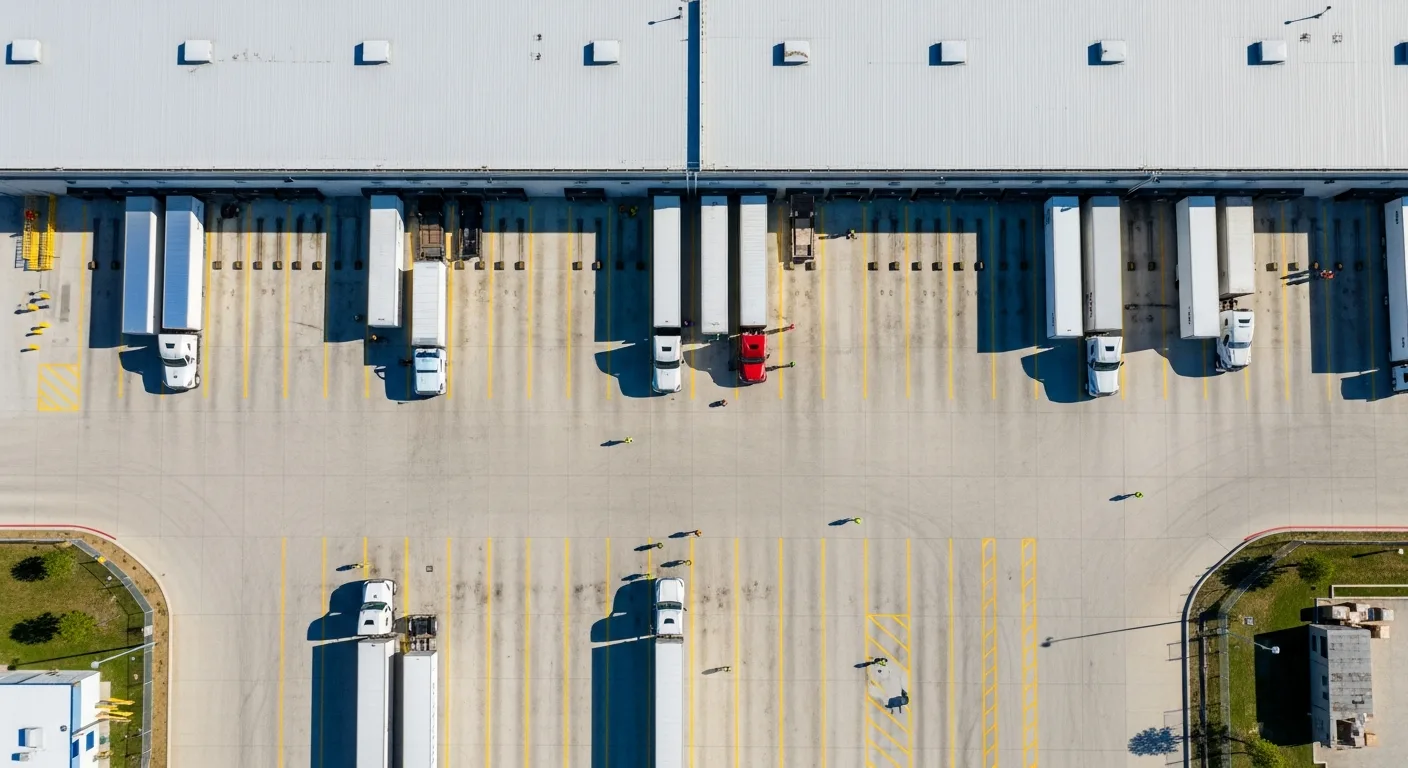
A loading dock is where the rubber meets the road for any warehouse, distribution center, or manufacturing facility. Get the design wrong and you are dealing with bottlenecks, damaged freight, safety incidents, and wasted labor every single day. Get it right and trucks cycle through efficiently, product stays protected, and your crew can focus on moving material instead of fighting the dock.
This guide covers the full scope of loading dock design and construction, from initial site planning through dock height selection, leveler types, seals, shelters, and traffic flow layout. Whether you are building new or retrofitting an existing facility, these details will help you make solid decisions that hold up for decades.
Starting With Site Planning
Before you pour a single yard of concrete, you need to understand the operation. Loading dock design starts with questions about the business, not the building.
Volume and Vehicle Types
How many trucks per day will this dock handle? What kinds of trucks? A grocery distribution center receiving 53-foot reefer trailers has very different requirements than a machine shop that gets a few flatbed deliveries per week.
Common vehicle types and their approximate bed heights:
- Over-the-road trailers (dry van and reefer): 48 to 52 inches
- Straight trucks and box trucks: 30 to 42 inches
- Flatbed trailers: 48 to 60 inches (varies with load)
- Parcel delivery vans: 20 to 30 inches
If you are serving a mix of vehicle types, you will need levelers with enough range to bridge those height differences, or you will need dedicated dock positions for different vehicle classes.
Number of Dock Positions
The number of dock positions depends on peak truck volume, average dwell time, and how much staging area you have in the yard. A common rule of thumb is one dock position for every 10,000 square feet of warehouse space, but that number varies wildly based on throughput.
For high-volume cross-dock operations, you might need a dock position for every 3,000 to 5,000 square feet. For slow-turn storage facilities, one per 20,000 square feet might be plenty.
Using construction management software like Projul helps keep these design decisions documented and tracked from preconstruction through final punch list, especially when coordinating between the general contractor, architect, and equipment suppliers.
Dock Orientation
Loading docks are typically placed on the rear or side of the building, away from public entrances and customer parking. The orientation affects truck access, site circulation, and how much yard space you need.
Key orientation considerations:
- Perpendicular docks (90 degrees) need the most apron space but provide the most efficient dock-to-dock spacing
- Angled docks (45 to 60 degrees) reduce the required apron depth but use more building wall length per position
- Drive-through docks allow trucks to pull forward after loading, reducing yard congestion
Dock Height: Getting the Numbers Right
Standard dock height in North America is 48 inches above the finished grade of the drive approach. This dimension has been the industry standard for decades because it aligns with the bed height of most over-the-road trailers.
When to Deviate From Standard
Not every operation should default to 48 inches. If your facility primarily serves straight trucks or smaller delivery vehicles, a lower dock height of 36 to 44 inches might make more sense. Some food processing and pharmaceutical facilities build docks at 52 or 54 inches to match specialized trailer types.
The key is to survey the actual vehicles that will use your dock. Measure bed heights on at least 20 representative trucks during a typical week. That data will tell you the ideal fixed dock height and the required leveler range.
Grade-Level Docks
Some operations use grade-level docks where the entire building floor is at truck bed height, built up on fill or a raised slab. Others use depressed driveways where the truck backs down a ramp to meet a lower dock. Both approaches have trade-offs in terms of site work costs, drainage, and accessibility.
Dock Levelers: Bridging the Gap
The dock leveler is the single most important piece of equipment at any loading dock. It bridges the gap between the dock floor and the trailer bed, compensating for differences in height, trailer creep, and suspension movement during loading.
Types of Dock Levelers
Mechanical levelers use a spring-loaded mechanism. The operator walks out, pulls a release chain, and the leveler rises. Then the operator walks the lip down onto the trailer bed. These are the most affordable option and work well for low to moderate use, typically rated for 10 to 30 cycles per day.
Hydraulic levelers use a push-button control to raise and lower the platform. They are smoother to operate, require less physical effort, and handle higher cycle counts. Most facilities doing more than 20 loads per day should consider hydraulic units.
Air-powered levelers use an airbag system under the deck to raise and lower the platform. They offer a good balance between the simplicity of mechanical units and the convenience of hydraulic units, with fewer maintenance requirements than hydraulic systems.
Vertical storing levelers store in a vertical position when not in use, creating a complete seal at the dock opening. They are the premium option, providing the best energy efficiency and cleanliness for climate-controlled or food-grade facilities.
Edge-of-dock levelers mount directly to the dock face and provide a short lip that reaches out to the trailer. They handle a limited height range (typically plus or minus 3 inches) and are best for facilities where trailer heights are consistent and loads are light to moderate.
Leveler Sizing
Standard dock leveler widths are 6 feet and 6 feet 6 inches, designed to fit within standard 8-foot dock door openings. Length (the distance the leveler extends from the dock) is typically 6 feet for standard applications, with 8-foot and 10-foot models available for operations that need a longer, gentler transition slope.
Capacity ratings range from 25,000 pounds for light-duty units to 80,000 pounds or more for heavy industrial applications. Always size the leveler for the heaviest loaded forklift that will cross it, not just the static load.
Leveler Pit Construction
Pit-style levelers (mechanical, hydraulic, and air-powered) require a formed concrete pit at each dock position. The pit must be accurately sized to the leveler model, with proper structural reinforcement and drainage.
Typical pit dimensions:
- Width: matches leveler width plus 1 to 2 inches on each side
- Length: matches leveler length plus 1 to 2 inches
- Depth: 12 to 16 inches below finished floor, depending on leveler model
The pit needs a drain or sump to handle rainwater infiltration. A clogged pit drain is one of the most common maintenance headaches at loading docks, so use a drain design that is easy to clean and connect it to a proper storm system.
Dock Bumpers
Dock bumpers absorb the impact of trailers backing into the dock face. They protect both the building structure and the trailer, and they set the standoff distance between the trailer and the dock wall.
Bumper Types
- Molded rubber bumpers are the most common type, available in various projection depths from 4 to 6 inches. They bolt directly to the dock face.
- Laminated rubber bumpers are built from layers of recycled rubber and fabric, offering higher energy absorption for heavy-use docks.
- Steel-face bumpers have a steel wear plate over the rubber core, extending service life in high-cycle applications.
Bumper height placement should center the bumper at the trailer’s impact point, typically 14 to 24 inches above the drive approach. Mount bumpers with through-bolts or expansion anchors into properly reinforced concrete.
Dock Seals and Shelters
The seal between the building and the trailer is critical for energy efficiency, pest control, weather protection, and maintaining interior temperatures. The two main options are dock seals and dock shelters.
Dock Seals
Dock seals consist of foam pads covered in durable fabric, mounted in a U-shape around the dock opening (two side pads and a head pad). When a trailer backs in, the foam compresses against the trailer sides and top, creating a tight seal.
Advantages of dock seals:
- Excellent energy efficiency with minimal air infiltration
- Good protection against rain, wind, and pests
- Relatively simple installation and maintenance
Limitations:
- Work best with a consistent trailer size and type
- Trailers must back in straight; angled approaches can damage the pads
- Foam pads wear out and need periodic replacement
Dock Shelters
Dock shelters use rigid or flexible curtain panels that project out from the building and drape over the top and sides of the trailer. They accommodate a wider range of trailer sizes and allow some tolerance for off-center backing.
Advantages of dock shelters:
- Accommodate varying trailer widths and heights
- Allow more flexibility in trailer positioning
- Available in rigid frame, flexible frame, and retractable configurations
Limitations:
- Less airtight than dock seals
- More exposed framework that can be damaged by impact
- Higher initial cost for premium models
Choosing Between Seals and Shelters
If your dock primarily serves one type of trailer and energy efficiency is critical (refrigerated or climate-controlled facilities), dock seals are usually the better choice. If you need to accommodate a variety of vehicle sizes, dock shelters provide more flexibility.
Some facilities use a combination, with seals at high-priority positions and shelters at general-use positions.
Dock Doors
The most common loading dock door is the sectional overhead door, available in insulated and non-insulated versions. For high-cycle docks, high-speed roll-up doors reduce energy loss and improve throughput.
Door Sizing
Standard loading dock door sizes:
- Width: 8 feet (standard), 9 feet or 10 feet (wide body)
- Height: 8 feet, 9 feet, or 10 feet
Size the door to accommodate your largest expected trailer opening plus clearance for the dock seal or shelter frame. For facilities using dock shelters, wider doors are often necessary to provide adequate clearance.
Door Operators
Motorized door operators are standard for commercial loading docks. Chain-hoist operators are the workhorse of the industry, reliable and easy to maintain. For high-cycle applications, direct-drive operators offer smoother, faster operation with less wear.
Interlocking controls that tie the dock door to the leveler and vehicle restraint are a smart safety investment. The system prevents the door from opening until the trailer is secured and the restraint is engaged.
Vehicle Restraints
Vehicle restraints prevent trailers from pulling away from the dock while forklifts are on the trailer. This is one of the most critical safety systems at any loading dock, and OSHA takes it seriously.
Types of Vehicle Restraints
- Wheel chocks are the simplest option but depend on the driver to place them correctly. They do not prevent early departure if the driver forgets or removes them.
- Mechanical hook restraints engage the trailer’s rear impact guard (RIG) with a rotating hook that locks the trailer to the dock. The dock attendant operates the restraint from inside the building.
- Automatic hook restraints detect the trailer’s presence and engage automatically when the trailer backs into position. These are the safest option because they remove human error from the equation.
Restraint Communication
A traffic signal system with interior and exterior lights communicates the dock status:
- Green exterior light: safe to back in or pull away
- Red exterior light: do not move, loading in progress
- Green interior light: safe to begin loading
- Red interior light: trailer not secured, do not enter
These lights should be interlocked with the restraint system so they change automatically based on restraint status.
Traffic Flow and Yard Layout
A well-designed yard keeps trucks moving efficiently and reduces the risk of accidents. Poor traffic flow leads to congestion, delays, and incidents that cost time and money.
Apron Space
The apron is the paved area directly in front of the dock where trucks maneuver. For 90-degree docks with standard 53-foot trailers, you need a minimum of 60 feet from the dock face to any obstruction. More is better; 70 to 80 feet gives drivers comfortable maneuvering room.
For angled docks, the required apron depth decreases:
- 60-degree angle: approximately 45 to 50 feet
- 45-degree angle: approximately 35 to 40 feet
One-Way vs. Two-Way Traffic
One-way traffic patterns are safer and more efficient for most dock layouts. Trucks enter on one side of the building, circulate around to the dock, and exit on the opposite side. This eliminates head-on conflicts and reduces the backing distance.
Trailer Staging
If trailers are dropped and staged at dock positions, you need space for the tractor to disconnect and pull away. This typically requires an additional 15 to 20 feet beyond the normal apron distance.
For facilities that use yard hostlers (spotting tractors) to move trailers, the yard layout should include staging lanes where dropped trailers wait for their dock appointment.
Pavement Design
Loading dock approaches and yards take a beating from heavy trucks. The pavement needs to handle concentrated wheel loads, repeated turning movements, and the occasional fuel or oil spill.
Concrete is the preferred material for the dock apron and approach, typically 7 to 8 inches thick with welded wire fabric or rebar reinforcement. Asphalt can work for general yard areas but tends to rut and deform under trailer stands and landing gear.
Structural Considerations
The dock area of a building sees concentrated loads that the rest of the structure might not experience. The structural design needs to account for these specific forces.
Dock Wall
The dock wall takes impact loads from backing trailers and concentrated loads from dock levelers and restraints. A minimum of 8-inch reinforced concrete masonry or 8-inch cast-in-place concrete is typical. The wall must be designed for the horizontal impact load from a backing trailer, which varies but is commonly specified at 10,000 to 20,000 pounds.
Floor Loads
The dock floor immediately inside the doors sees the heaviest forklift traffic in the building. Design for the maximum loaded forklift weight plus impact factor. Fiber-reinforced concrete or heavy rebar mats are common in this zone.
Canopy and Roof Drainage
Many loading docks include a canopy or roof overhang to protect the dock area from weather. The canopy must be designed for snow loads, wind loads, and the weight of any dock equipment mounted to it. Drainage from the canopy should be routed away from the dock approach to prevent icing in cold climates.
Lighting and Safety
Good lighting at the loading dock is a safety and productivity requirement. The dock area should have a minimum of 10 foot-candles at floor level, with higher levels (20 to 30 foot-candles) at the dock leveler and inside the trailer.
Interior Dock Lights
Adjustable arm dock lights mount above or beside each dock door and swing out over the leveler to illuminate the trailer interior. LED models are standard now, providing bright, even light with minimal heat and long service life.
Exterior Lighting
The approach and yard area need adequate lighting for truck drivers backing in during nighttime hours. Wall-mounted LED area lights or pole-mounted fixtures should provide uniform coverage with minimal glare.
Safety Markings
Paint or apply safety striping around dock edges, leveler perimeters, and vehicle restraint areas. Yellow and black diagonal stripes are the standard for dock edges. Floor markings inside the building should define safe zones and forklift traffic lanes near the dock area.
Managing the Build With the Right Tools
Loading dock construction involves coordination between the concrete contractor, steel erector, door installer, equipment supplier, and the general contractor. Drawings, submittals, RFIs, and change orders flow back and forth throughout the project.
Keeping all of this organized in a tool like Projul means nothing falls through the cracks. Track equipment lead times, coordinate concrete pours with leveler pit dimensions, and keep the whole team aligned from groundbreaking through commissioning.
If you are planning a dock construction project and want to see how Projul handles commercial builds, schedule a demo or check out the pricing page to find the right plan for your team.
Maintenance Planning
A loading dock is a piece of production equipment, not just part of the building. It needs regular maintenance to stay safe and functional.
Routine Maintenance Items
- Dock leveler: inspect springs, hydraulic cylinders, lip hinges, and deck plates monthly
- Dock seals/shelters: check fabric for tears, inspect foam for compression set, verify frame alignment
- Vehicle restraints: test engagement and release monthly, inspect hook and mounting hardware
- Dock bumpers: check for excessive wear, loose mounting, and cracking
- Dock doors: lubricate tracks and hardware, inspect panels for damage, test operator and safety devices
- Drainage: clear pit drains and approach drains seasonally
Replacement Cycles
Plan for the following approximate replacement intervals:
- Dock seal foam pads: 3 to 7 years depending on traffic
- Dock shelter curtains: 5 to 10 years
- Dock bumpers: 5 to 15 years depending on type and usage
- Dock leveler major overhaul: 10 to 20 years
- Dock doors: 15 to 25 years
Common Design Mistakes to Avoid
After seeing hundreds of loading dock projects, here are the mistakes that come up again and again:
-
Not enough apron space. This is the number one error. Once the building is built and the parking lot is paved, there is no easy fix. Always err on the side of more apron depth.
-
Wrong dock height for the operation. Defaulting to 48 inches without surveying actual vehicle types leads to levelers working at their extreme range or being unable to reach certain trucks.
-
Skipping vehicle restraints. Wheel chocks alone are not adequate for most commercial operations. The cost of automatic restraints is a fraction of a single forklift-off-dock accident.
-
Poor drainage at the dock approach. Water pooling at the dock face causes icing, trailer hydroplaning, and accelerated concrete deterioration.
-
Undersized levelers. Specifying levelers based on product weight instead of loaded forklift weight is a common and expensive error.
-
Ignoring future growth. Building extra dock positions now costs a fraction of retrofitting them later. If there is any possibility of expansion, rough in the additional positions during initial construction.
Final Thoughts
Loading dock design is one of those areas where getting the details right pays dividends every single day the building operates. The difference between a well-designed dock and a poorly designed one shows up in truck turnaround times, energy costs, safety records, and crew morale.
Take the time to survey your vehicle types, model your traffic flow, and spec the right equipment for your operation. And when the project kicks off, use a purpose-built construction management platform like Projul to keep every detail tracked and every team member on the same page.
Frequently Asked Questions
What is the standard loading dock height for commercial buildings?
What is the difference between a dock leveler and a dock plate?
How wide should a loading dock door be?
What is the recommended slope for a loading dock approach?
How do dock seals differ from dock shelters?
What is the minimum turning radius needed for trucks at a loading dock?
How thick should the concrete be at a loading dock?
Can you retrofit a loading dock with a leveler after construction?
Related Articles

BIM Clash Detection: How to Catch Conflicts Before They Cost You on the Jobsite
BIM Clash Detection: How to Catch Conflicts Before They Cost You on the Jobsite Every contractor has a story about the...
Read More →
Asphalt Paving and Compaction Guide: Mix Types, Laydown Temperatures, and Quality Testing
Asphalt paving looks straightforward from a distance. A truck dumps material, the paver lays it down, and rollers...
Read More →
Construction Jobsite Wi-Fi & Connectivity Guide: Setting Up Reliable Internet in the Field
A practical guide to getting reliable internet on construction job sites. Learn about cellular hotspots, mesh networks,...
Read More →