
Pre-Construction Planning Guide for Contractors
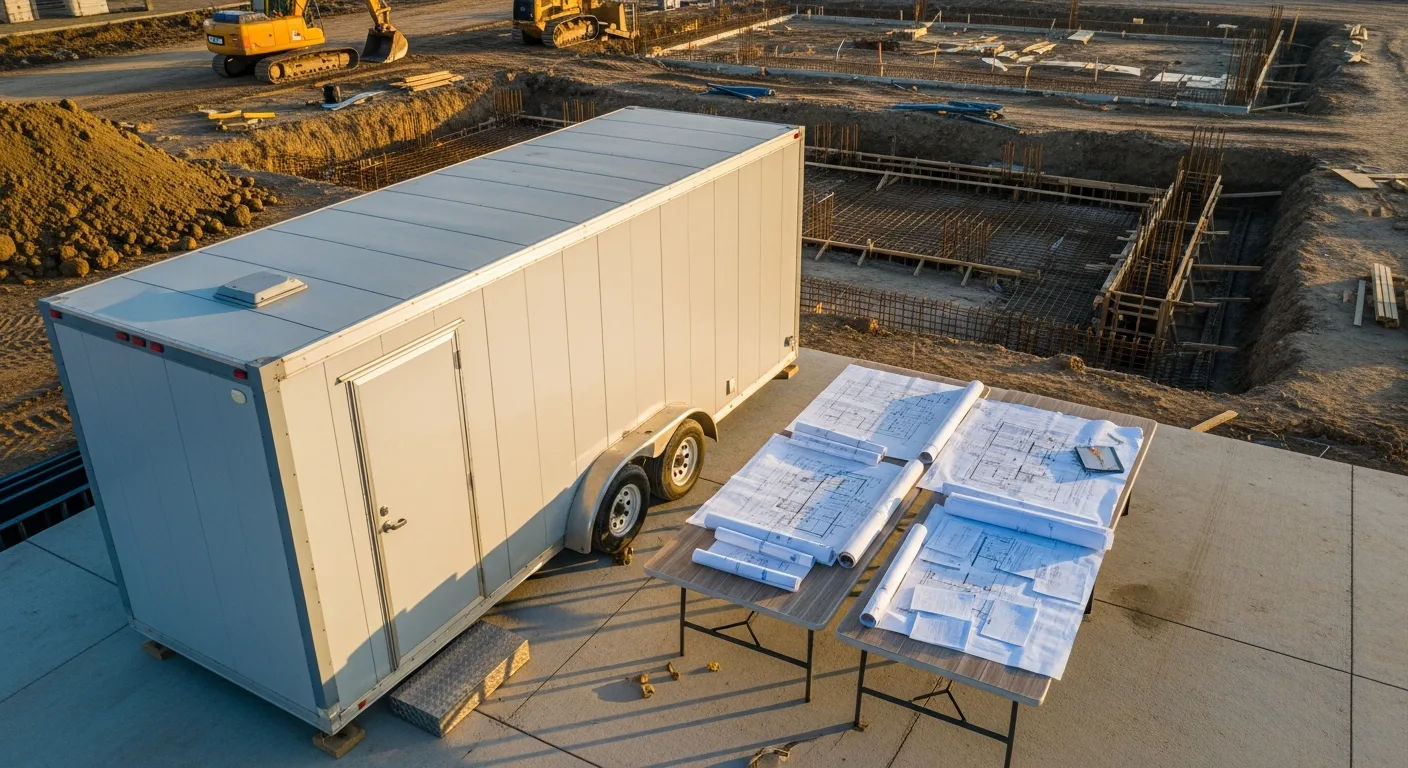
Every experienced contractor has a story about a project that went sideways. Maybe the budget blew up. Maybe the schedule slipped by three months. Maybe a subcontractor bailed halfway through. And if you dig into what went wrong, the root cause almost always traces back to the same place: pre-construction.
Pre-construction is the phase everyone knows matters but too many contractors rush through. They are eager to get boots on the ground, shovels in the dirt, and revenue on the books. So they skim the site analysis, ballpark the budget, and figure they will sort out the details as they go.
That approach works until it does not. And when it stops working, it stops working in expensive, stressful, relationship-damaging ways.
This guide covers what good pre-construction planning actually looks like, step by step, so you can stop learning these lessons the hard way.
Why Pre-Construction Matters More Than You Think
Pre-construction is where you make the decisions that determine whether a project will be profitable or a nightmare. The numbers back this up: studies consistently show that the cost of fixing a problem increases tenfold with each project phase. A $500 issue caught in pre-construction becomes a $5,000 problem during construction and a $50,000 disaster after the client moves in.
But pre-construction is not just about catching problems. It is about setting up the project for success. When you invest real time and effort in this phase, you get:
- Accurate budgets that protect your margins
- Realistic schedules that you can actually hit
- Qualified subcontractors who show up and perform
- Informed clients who understand what they are getting
- Documented decisions that protect you when disputes arise
Skip any of these, and you are gambling with your profit and your reputation.
Step 1: Site Analysis
Before you can build anything, you need to understand what you are building on. Site analysis is the foundation of every other pre-construction activity.
What to Evaluate
- Existing conditions: What is on the site now? Existing structures, utilities, vegetation, drainage patterns, and soil conditions all affect your plan.
- Access and logistics: How will materials get delivered? Where will crews park? Where can you stage equipment? On tight urban sites, logistics planning can make or break your schedule.
- Utilities: Where are existing water, sewer, gas, electric, and telecom connections? Are they adequate for the project, or will you need upgrades?
- Environmental factors: Are there wetlands, protected species, contaminated soil, or flood zone restrictions? These can add months and significant cost if discovered late.
- Neighboring properties: What are the setback requirements? Are there shared walls, party agreements, or neighbor concerns that could affect construction?
How to Document It
Walk the site with your superintendent, take photos, and create a site logistics plan. This does not need to be a work of art. A marked-up aerial photo with notes about access, staging, and constraints is usually enough. The point is to have a shared reference that everyone on the team can look at.
Step 2: Budgeting and Estimating
The estimate is the single most important document in pre-construction. Get it right, and the project has a chance. Get it wrong, and no amount of good field management will save you.
Levels of Estimating
Not every estimate needs the same level of detail. Match your effort to the project phase:
- Conceptual estimate (order of magnitude): Based on cost per square foot or similar rules of thumb. Accuracy: plus or minus 30%. Used for early feasibility discussions.
- Schematic design estimate: Based on preliminary drawings. Breaks out major systems and assemblies. Accuracy: plus or minus 15 to 20%.
- Design development estimate: Based on more detailed drawings. Includes specific materials, quantities, and subcontractor pricing. Accuracy: plus or minus 10%.
- Construction document estimate: Based on final plans and specs. Full quantity takeoffs, firm sub bids, and detailed pricing. Accuracy: plus or minus 5%.
Common Estimating Mistakes
- Relying on old data. Material prices change constantly. Using last year’s numbers without adjusting for current market conditions is a recipe for a budget shortfall.
- Ignoring soft costs. Permits, inspections, insurance, temporary facilities, and project management time all cost money. If they are not in your estimate, they are coming out of your margin.
- Skipping the contingency. Every project has unknowns. A 5 to 10% contingency is not padding. It is realistic planning.
- Not getting real sub bids. Estimating subcontractor work based on your own assumptions instead of actual quotes is one of the fastest ways to blow a budget.
Presenting the Budget to Clients
How you present the budget matters as much as the numbers themselves. Break it down into categories the client can understand. Show what is included and what is not. Be upfront about allowances and contingencies. And never present a budget without explaining the assumptions behind it.
Step 3: Scheduling
A schedule is not a wishful thinking exercise. It is a commitment to your client, your subcontractors, and your own team about when things will happen.
Building a Realistic Schedule
Start with the major milestones: permit approval, foundation, framing, dry-in, rough-ins, finishes, and substantial completion. Then work backward and forward to fill in the tasks between milestones.
Key principles:
- Account for lead times. Custom windows, structural steel, specialty equipment, and permit approvals all take time. Build these into your schedule from the start, not after you realize you should have ordered them three weeks ago.
- Include buffer. Weather, inspections, material delays, and subcontractor scheduling conflicts will happen. A schedule with zero float is a schedule that will miss its deadline.
- Coordinate with subcontractors. Do not just assign dates to subcontractors and expect them to show up. Talk to them during pre-construction, confirm their availability, and get their input on sequencing.
- Consider the client’s timeline. Is there a lease expiration, a school year, a business opening, or another hard deadline driving the schedule? Know this upfront and plan accordingly.
Communicating the Schedule
Share the schedule with everyone who needs to see it: the client, your field team, subcontractors, and suppliers. Use a format they can actually read. A 500-line Gantt chart may be useful for your project manager, but the client probably just needs a milestone summary.
Step 4: Permitting
Permits are the gatekeeper between pre-construction and construction. Delays here ripple through the entire project, and they are one of the most common causes of schedule overruns.
Getting Ahead of Permitting
- Research requirements early. Every jurisdiction has different requirements. Some need structural engineering, energy calculations, or specialized inspections that take time to prepare.
- Build relationships with your local building department. This is not about cutting corners. It is about understanding their process, their timeline, and their expectations so you can submit clean applications that do not get kicked back.
- Submit as early as possible. Permit review timelines vary widely. Some jurisdictions turn permits around in a week. Others take two months. Know your local timeline and work backward from your construction start date.
- Track the status. Do not submit a permit application and forget about it. Follow up regularly, respond to comments quickly, and keep your client informed about where things stand.
Common Permit Pitfalls
- Assuming the architect handled everything (they may not have)
- Forgetting about specialty permits (fire, health department, DOT, environmental)
- Not accounting for plan review comments and resubmittals
- Starting work before the permit is issued (this can result in fines, stop-work orders, or having to tear out completed work)
Step 5: Subcontractor Selection
Your subcontractors will do the majority of the actual construction work. Choosing the wrong ones is one of the most expensive mistakes you can make.
How to Select Subcontractors
- Prequalify before you bid. Check licenses, insurance, references, financial stability, and safety records before inviting a sub to bid. It is much easier to disqualify someone before the project than to deal with their failures during construction.
- Get multiple bids. Three bids per trade is the standard minimum. This gives you pricing confidence and options if your first choice falls through.
- Evaluate more than price. The lowest bid is not always the best bid. Consider the sub’s track record on similar projects, their current workload, their key personnel, and their willingness to commit to your schedule.
- Lock in scope clearly. Vague scopes lead to disputes. Make sure every subcontract clearly defines what is included, what is excluded, and how changes will be handled.
Building Long-Term Sub Relationships
The best subcontractor relationships are built over multiple projects. Pay on time, treat them with respect, communicate clearly, and include them in pre-construction discussions. Good subs have options, and they will prioritize contractors who make their lives easier.
Step 6: Risk Assessment
Every project has risks. The question is whether you identify and plan for them or get surprised by them in the field.
Common Construction Risks
- Weather: Seasonal patterns, extreme heat or cold, rain, and snow can all affect your schedule and costs.
- Market conditions: Material price volatility, labor shortages, and subcontractor availability change constantly.
- Site conditions: Unknown underground conditions, environmental contamination, and structural issues in existing buildings are common sources of surprises.
- Design issues: Incomplete plans, conflicting details, and design changes during construction create cost and schedule impacts.
- Client changes: Owners who change their minds frequently can wreck a budget and schedule if changes are not managed properly.
- Regulatory changes: New codes, inspection requirements, or permitting processes can affect projects in progress.
Creating a Risk Register
A risk register is simply a list of identified risks with their likelihood, potential impact, and your plan for dealing with them. It does not need to be complicated. A spreadsheet with four columns works fine:
- Risk description
- Likelihood (high, medium, low)
- Impact (high, medium, low)
- Mitigation plan
Review the risk register with your team during pre-construction and update it periodically throughout the project.
Step 7: Client Alignment
This is the step that separates good contractors from great ones. You can have perfect estimates, schedules, and sub selections, but if the client’s expectations do not match reality, you are headed for trouble.
What to Align On
- Scope: What exactly is included in the project? What is not? Where are the boundaries? Put it in writing and make sure the client acknowledges it.
- Budget: Does the client understand where their money is going? Do they know what the contingency covers? Are there allowances they need to make selections for?
- Schedule: Does the client understand the timeline, including the factors that could cause delays? Are there any dates they absolutely cannot miss?
- Communication: How often will you provide updates? In what format? Who is the client’s decision-maker, and how quickly can they respond to questions?
- Change process: How will changes be handled? Who has authority to approve them? What is the impact on cost and schedule? Agreeing on this upfront prevents most disputes.
The Pre-Construction Kickoff Meeting
Before construction starts, hold a formal kickoff meeting with the client. Walk through the scope, budget, schedule, communication plan, and change process. Answer questions, address concerns, and make sure everyone is on the same page.
Document the meeting with minutes and distribute them to all participants. This creates a shared record of expectations that you can reference throughout the project.
Tools and Systems That Make Pre-Construction Work
Pre-construction generates a lot of information: estimates, schedules, permits, subcontractor bids, site photos, meeting notes, and client correspondence. If this information lives in scattered spreadsheets, email threads, and filing cabinets, things will fall through the cracks.
You need a system that keeps everything in one place and makes it accessible to everyone who needs it. Projul was built for exactly this. Your estimates, schedules, documents, and team communication all live in one platform, so when construction starts, your field team has everything they need without hunting through email chains or shared drives.
A Pre-Construction Checklist
Here is a practical checklist you can use on your next project:
Site Analysis
- Site visit completed with superintendent
- Photos and site logistics plan created
- Existing conditions documented
- Utility locations confirmed
- Environmental and regulatory constraints identified
Budget and Estimate
- Estimate completed at appropriate level of detail
- Subcontractor bids received and evaluated
- Soft costs included
- Contingency included
- Budget presented to and approved by client
Schedule
- Master schedule created with milestones
- Lead times identified and ordered
- Subcontractor availability confirmed
- Client timeline constraints incorporated
- Buffer included for weather and delays
Permits
- Permit requirements researched
- Applications submitted
- Review comments addressed
- Permits issued and posted
Subcontractors
- Subcontractors prequalified
- Bids received (minimum three per trade)
- Subcontracts executed with clear scopes
- Insurance certificates collected
Risk Assessment
- Risk register created
- Mitigation plans documented
- Team reviewed and acknowledged risks
Client Alignment
- Scope document signed
- Budget approved
- Schedule reviewed and accepted
- Communication plan agreed upon
- Change order process defined
- Pre-construction kickoff meeting held
The Bottom Line
Pre-construction is not overhead. It is not a cost center. It is not something you do because the contract requires it. Pre-construction is the phase where you earn your profit, protect your reputation, and set up your team to succeed.
The contractors who invest in thorough pre-construction planning are the ones who finish projects on time, on budget, and with clients who call them back for the next one. The ones who skip it are the ones posting on contractor forums about how they lost money on another project.
Which one do you want to be?
Frequently Asked Questions
What is pre-construction planning in construction?
How long does pre-construction take?
Who is involved in pre-construction planning?
What documents are produced during pre-construction?
How much should pre-construction cost?
What happens if you skip pre-construction planning?
What software helps with pre-construction planning?
Should subcontractors be involved in pre-construction?
Related Articles

How to Implement Construction Software Without Losing Your Mind
Most construction software rollouts fail. Not because the software is bad, but because the rollout was rushed. Here are...
Read More →
How Selections Can Pay for Themselves in Three Easy Steps
Most contractors lose thousands each year on wrong material orders, slow client decisions, and missed upsell chances....
Read More →
3 Free Concrete Estimate Templates for Every Pour Type (2026)
Three ready-to-use concrete estimate templates with realistic line items, material costs, labor rates, and markup...
Read More →