
Why Construction Projects Go Over Schedule
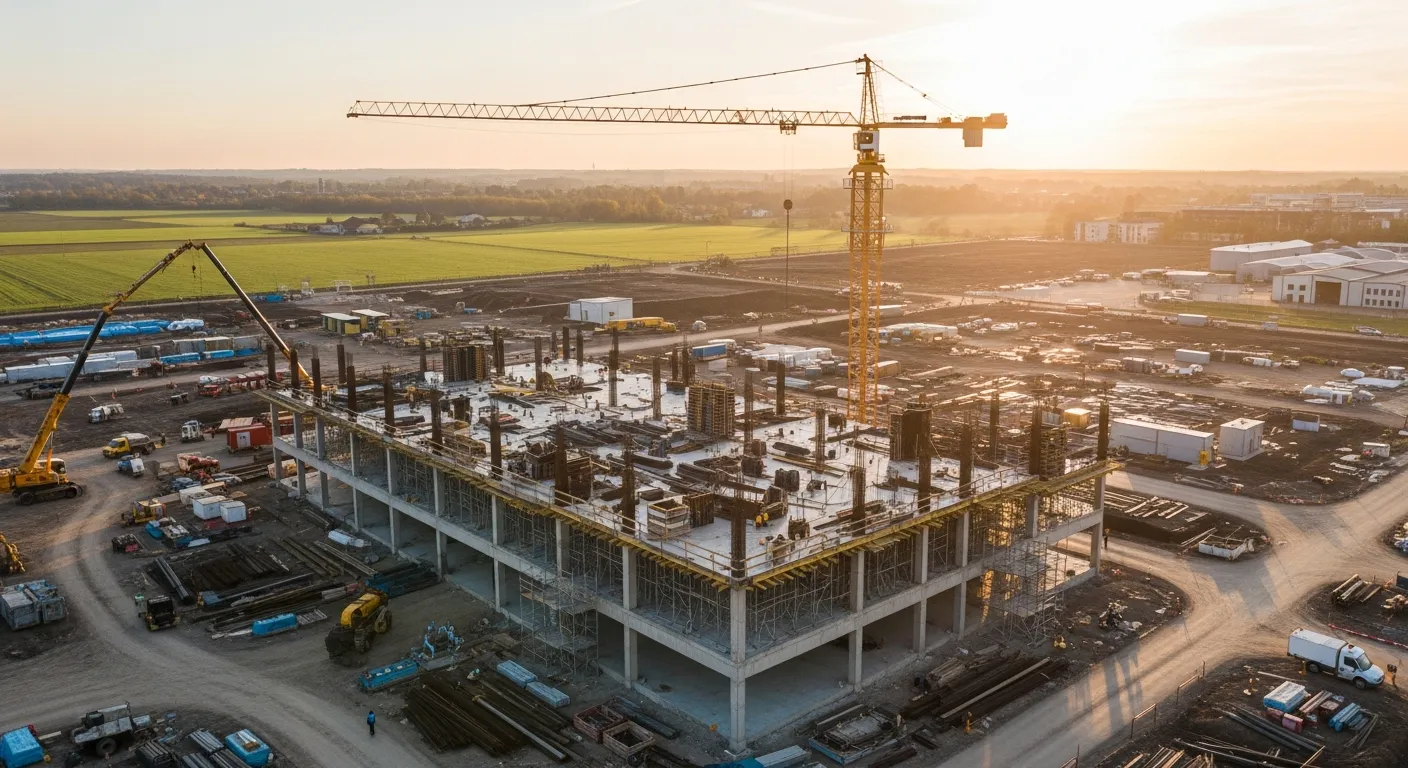
Every contractor has lived this nightmare. The project was supposed to take 12 weeks. You are now in week 18. The client calls every day asking when you will be done. Your crew that was supposed to start the next job two weeks ago is still stuck on this one. And the profit margin you estimated is getting thinner by the day.
Late projects are not just annoying. They are expensive. Extended overhead, idle labor, equipment sitting on site longer than planned, and the domino effect on your other jobs can turn a profitable project into a money pit.
The worst part? Most construction delays are preventable. Not all of them, obviously. You cannot stop a hurricane or a global supply chain meltdown. But the majority of schedule overruns come from the same handful of problems that contractors deal with over and over again.
Here is why projects go over schedule and ten practical ways to keep your jobs on time.
The Real Reasons Construction Projects Run Late
Before we get to the solutions, let us be honest about the problems. These are the schedule killers that show up on project after project.
Unrealistic Schedules
This is the big one. Many contractors build schedules based on everything going perfectly. Every sub shows up on time. Weather cooperates. Materials arrive when expected. The client makes decisions quickly. Inspections pass the first time.
That never happens. When your baseline schedule has no room for reality, every small hiccup pushes the completion date further out.
Poor Communication
Your project manager knows the schedule changed. But did the framing crew get the message? Did the electrician know they got bumped to next Tuesday? Did the material supplier adjust the delivery date?
In most construction companies, schedule information lives in one person’s head or on a whiteboard in the office. The field team finds out about changes through a game of telephone that would be funny if it were not so expensive.
Subcontractor No-Shows
You built your schedule around your plumber starting Monday. Monday comes and the plumber is still on another job. Now your drywall crew that was supposed to follow the plumber is delayed. Which pushes back paint. Which pushes back trim. One sub missing one date can cascade through the entire schedule.
Scope Creep and Client Changes
The client wants to move a wall. Then they want to upgrade the countertops, which have an eight-week lead time instead of two. Then they cannot decide on tile for three weeks. Each change and each delay in client decisions adds time to the project that was never in the original schedule.
Material and Supply Delays
You ordered the windows ten weeks ago. The manufacturer says they are delayed another three weeks. Your framing is done. Your crew is ready to install. And they have nothing to install. So they move to another job, and when the windows finally arrive, you cannot get them back for a week.
Inspection Failures
A failed inspection means rework, rescheduling the inspection, and waiting for the inspector to come back. In some jurisdictions, that wait can be a week or more. And nothing that depends on that inspection can proceed in the meantime.
Weather
Rain, snow, extreme heat, and frozen ground are all legitimate delays that you cannot prevent. But you can plan for them, and most contractors do not.
10 Ways to Keep Your Projects on Schedule
1. Build Realistic Schedules from the Start
Stop scheduling based on best-case scenarios. Look at your last ten projects and compare the estimated timeline to the actual timeline. If you are consistently running 20% over, your estimates are 20% too optimistic.
Build buffers into your schedule for weather, inspection delays, and sub availability. A schedule with built-in contingency is not padding. It is realistic planning based on what actually happens on construction projects.
Use historical data from past projects to inform your estimates. If rough-in inspections always take three days to schedule in your area, do not assume same-day turnaround.
2. Identify Your Critical Path and Protect It
The critical path is the longest sequence of dependent tasks that determines your project completion date. Any delay to a critical path task directly delays the entire project.
Know what is on your critical path for every project. Focus your attention, your best crews, and your most reliable subs on those tasks. If you have to make tradeoffs, protect the critical path first.
Non-critical tasks have float, meaning they can slip a bit without affecting the overall timeline. Understanding the difference helps you make smart decisions when problems come up.
3. Confirm Subcontractor Availability Before You Need Them
Do not assume your subs will be available just because they said “probably” three months ago. Confirm availability two weeks before their scheduled start date and again two days before. Get it in writing.
Better yet, build relationships with backup subs for every critical trade. When your primary electrician cannot make it, having a reliable backup ready to step in keeps your project moving.
Include schedule commitment language in your subcontractor agreements. Make it clear that hitting their scheduled dates is a contractual obligation, not a suggestion.
4. Order Long-Lead Materials Early
Identify every long-lead item at the start of the project and order them immediately. Custom windows, specialty fixtures, structural steel, custom cabinetry, and anything with a lead time over two weeks should be on order before the foundation is poured.
Track material delivery dates against your project schedule. If a delivery is going to be late, you need to know weeks in advance so you can adjust the schedule or find an alternative supplier.
Some contractors maintain a spreadsheet for this. Others use project management software that tracks material procurement alongside the schedule. Either way, the key is knowing where every critical material is at all times.
5. Centralize Your Schedule and Make It Accessible to Everyone
A schedule that lives on a whiteboard in the office or in one person’s head is useless to the crew in the field. Everyone who needs to know the schedule should be able to see it in real time from wherever they are.
This means using digital scheduling tools that your field team, office staff, and subs can all access from their phones. When the schedule changes, everyone sees the update immediately. No phone calls. No miscommunication. No excuses.
Projul’s scheduling features give your entire team real-time access to the project schedule from any device. When something changes, everyone affected gets notified automatically. That alone eliminates a huge percentage of the communication breakdowns that cause delays.
6. Hold a Quick Daily or Weekly Coordination Meeting
A 15-minute standup meeting with your project managers at the start of each day or week keeps everyone aligned. Cover three things: what was completed, what is happening today (or this week), and what obstacles are in the way.
These meetings surface problems early. If a sub is going to miss their date, you find out Monday morning instead of Friday afternoon when it is too late to adjust. If materials are delayed, you can reassign the crew to other tasks instead of having them stand around.
Keep these meetings short and focused. They are not for solving problems. They are for identifying problems so the right people can solve them.
7. Track Progress in Real Time, Not After the Fact
If you do not know where a project actually stands until you visit the site or call the foreman, you are always reacting to problems instead of preventing them.
Implement daily progress tracking. This does not need to be complicated. Your field team marks tasks as complete or updates percentage done from their phones. That information flows to the project manager, who can see at a glance whether the project is on track.
When you see a task falling behind schedule on Tuesday, you can take corrective action on Wednesday. When you do not find out until the end of the month, you have already lost weeks.
8. Manage Client Decisions as Actively as You Manage the Build
Client decision delays are one of the biggest hidden causes of schedule overruns. The tile selection that takes three weeks instead of three days. The countertop color that cannot be finalized because the homeowner is on vacation. The change order that needs approval but sits in someone’s inbox for two weeks.
Create a decision schedule at the start of every project. List every decision the client needs to make, when they need to make it by, and what the impact will be if they miss the deadline. Share this with the client upfront so they understand that their decisions directly affect the timeline.
Follow up on pending decisions proactively. Do not wait for the client to come to you. If a decision is due Friday, check in on Wednesday.
9. Build Weather Contingency Into Your Schedule
Look at historical weather data for your area. If you average 8 rain days in April, do not schedule 20 consecutive days of exterior work in April. Plan for the weather you are likely to get, not the weather you want.
Have a list of indoor or weather-independent tasks that crews can pivot to when outdoor work gets shut down. If rain stops the framing crew, can they work on interior rough-in instead? Having a plan B for weather days keeps your crew productive even when the weather does not cooperate.
Track weather delays as they happen. This creates documentation for contract purposes and helps you plan better on future projects.
10. Use a Scheduling System That Handles Dependencies and Changes
Spreadsheets and whiteboards break down the moment something changes. And in construction, something always changes.
You need a scheduling system that understands task dependencies, so when one task slips, you can immediately see the downstream impact on every related task. That visibility is what allows you to make smart decisions about where to allocate resources and which problems to tackle first.
Good construction scheduling software also makes it easy to update the schedule and communicate changes to everyone involved. When the plumber finishes two days early, the drywall crew should know immediately so they can start sooner. When a material delivery slips, every task that depends on that material should automatically flag as at risk.
This is where project management platforms earn their keep. Projul’s drag-and-drop scheduling with automatic notifications means schedule changes take seconds instead of hours of phone calls. Your subs, crew, and clients all see the current schedule in real time.
What a Delay-Prevention System Looks Like
Individual tips are helpful, but the contractors who consistently deliver on time have built a system that prevents delays at every stage.
Before the project starts: Realistic schedule with contingency built in. All long-lead materials ordered. Sub availability confirmed. Client decision schedule shared. Critical path identified.
During the project: Daily progress tracking from the field. Weekly coordination meetings. Real-time schedule visible to all team members. Proactive client decision follow-up. Weather backup plans in place.
When problems arise: Same-day identification through real-time tracking. Immediate schedule impact assessment. Rapid reallocation of resources. Clear communication of changes to all affected parties.
This system does not require perfection. It requires visibility and speed. You will still have problems. What changes is how quickly you see them and how fast you respond.
The Cost of Getting This Wrong
Let us put some numbers on it. A contractor running $3 million in annual revenue with an average project duration of 12 weeks typically has 8 to 12 active projects at any time.
If the average project runs two weeks over schedule, that is roughly $6,000 to $12,000 in extended overhead per project. Across 20 to 25 projects per year, that is $120,000 to $300,000 in preventable costs.
Then add the soft costs: damaged client relationships, negative reviews, lost referrals, and the stress on your team from constantly putting out fires. Late projects affect everything.
The Bottom Line
Most construction delays are not caused by bad luck. They are caused by bad systems. Unrealistic schedules, poor communication, and reactive management create an environment where delays are inevitable.
The fix is straightforward: plan realistically, communicate proactively, track progress in real time, and use tools that give your entire team visibility into the schedule. You will not eliminate every delay, but you can eliminate the preventable ones. And in construction, that is the difference between projects that make money and projects that cost you money.
Frequently Asked Questions
What is the most common cause of construction project delays?
How much do construction delays cost contractors?
How do you prevent weather delays on construction projects?
How do material shortages cause construction delays?
What is schedule float in construction?
How can construction software help prevent project delays?
How do you handle subcontractor scheduling conflicts?
What is the best way to communicate schedule changes to a construction team?
Related Articles

Construction Client Onboarding Guide: From Signed Contract to First Day on Site
A good client onboarding process prevents disputes, reduces callbacks, and builds trust before the first nail is...
Read More →
Switching From BuilderTrend to Projul: A Contractor's Migration Guide
If you're thinking about leaving BuilderTrend, you're not alone. Here's a practical guide to switching to Projul,...
Read More →
Construction Invoice Guide: Get Paid Faster With the Right Software
Construction invoicing software helps contractors create, send, and track invoices tied to actual job costs, change...
Read More →