
How to Become a Construction Project Manager
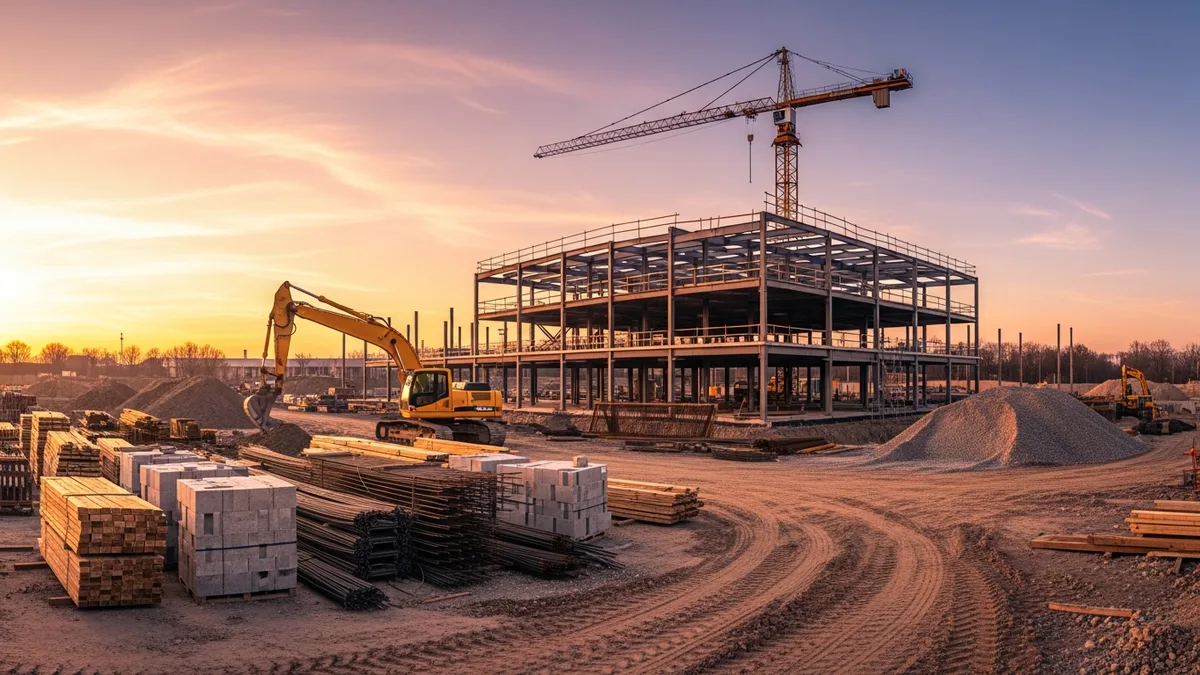
How to Become a Construction Project Manager: Career Path, Skills, and What Nobody Tells You
If you have spent any time in construction, you have probably worked with a project manager who made everything look easy. Jobs ran on time. Budgets held. Subs showed up when they were supposed to. And then you have worked with a PM who turned a straightforward remodel into a six-month disaster with change orders stacked to the ceiling.
The difference between those two people is not luck. It is not even experience, necessarily. It comes down to a specific set of skills, habits, and decisions made over years of doing the work.
This guide breaks down exactly what it takes to become a construction project manager, from the career path itself to the skills that actually matter on the job. No fluff. Just the real picture of what this role looks like and how to get there.
What Does a Construction Project Manager Actually Do?
Let’s start with the basics, because “project manager” means different things at different companies.
In most general contracting firms, the PM is the person responsible for the overall success of a project from preconstruction through closeout. That includes budgeting, scheduling, procurement, subcontractor management, owner communication, and quality control. You are the single point of accountability.
On a typical day, you might review submittals in the morning, run an owner meeting before lunch, solve a field conflict with your superintendent in the afternoon, and process pay applications before you leave. The next day looks completely different. That is the nature of the job.
The PM does not swing a hammer. But the PM needs to understand every trade well enough to catch problems before they become expensive. You are managing the flow of information between the office and the field, between the owner and the subs, between what was drawn and what is actually getting built.
At smaller companies, the PM might also be the estimator, the scheduler, and sometimes the superintendent. At larger firms, the role is more specialized, with dedicated teams for each function. Either way, the core responsibility is the same: deliver the project on time, on budget, and at the quality the owner expects.
Good project tracking is what separates PMs who stay on top of their jobs from PMs who are constantly reacting to problems they should have seen coming.
The Career Path: How People Actually Get Here
There is no single path to becoming a construction PM. But there are a few common routes, and they each come with their own strengths and blind spots.
Route 1: Up Through the Trades
This is the traditional path. You start as a laborer or apprentice, learn a trade, move into a foreman role, then superintendent, then project manager. The timeline is usually 8 to 15 years depending on how fast you move and what opportunities come your way.
The biggest advantage of this path is field credibility. When you have actually framed walls, run conduit, or poured concrete, your crews respect you differently. You can walk a job and spot problems because you have made those mistakes yourself. That kind of knowledge does not come from a textbook.
The downside is that the business side of project management, things like contract language, insurance requirements, and financial reporting, can feel foreign at first. You have to be willing to learn that stuff on your own or through company mentorship.
Route 2: Construction Management Degree
A four-year degree in construction management or civil engineering is becoming more common, especially at mid-size and large firms. You graduate, start as an assistant PM or project engineer, and work your way into a full PM role within 3 to 5 years.
The advantage here is that you come in understanding the business fundamentals: estimating, scheduling software, contract law, and project controls. You speak the language of the office from day one.
The downside is that you may lack field experience, and that gap shows. The best companies pair young PEs with experienced superintendents to close that gap quickly. If your company does not do that, you need to spend as much time in the field as possible during your first few years.
Route 3: Adjacent Industry Crossover
Some PMs come from engineering, architecture, or even military project management backgrounds. They bring strong organizational skills and discipline but need time to learn construction-specific processes, trade sequencing, and how GCs actually operate.
Regardless of which path you take, investing in a structured training program is one of the fastest ways to close knowledge gaps and get people ready for more responsibility.
Skills That Separate Good PMs from Great Ones
Here is where it gets honest. Plenty of people can read a set of plans and put together a schedule. The skills that make someone a great PM are less technical and more about how you operate under pressure.
Communication
Thousands of contractors have made the switch. See what they have to say.
This is the number one skill. Full stop. A PM who cannot communicate clearly with owners, architects, subs, and field crews will struggle no matter how smart they are.
Communication in construction is not about being polished. It is about being clear, direct, and consistent. When you tell a sub they need to be on site next Tuesday, that needs to be in writing. When the owner asks about a potential delay, you need to give them the real answer, not the answer you think they want to hear.
The best PMs over-communicate. They send weekly updates even when things are going well. They document conversations. They follow up. It sounds basic, but most project problems trace back to someone assuming everyone was on the same page when they were not.
Scheduling and Time Management
If you cannot manage your own time, you definitely cannot manage a project timeline. Great PMs live and die by their schedules. They update them regularly, they use them as communication tools with subs and owners, and they build in realistic float for the things that always go wrong.
Good scheduling tools make a massive difference here. The days of running a $5 million project off a spreadsheet and a whiteboard are over. You need software that lets you adjust in real time and share updates with everyone who needs to see them.
Financial Acumen
A PM who does not understand job costing is a liability. You need to track costs against budget in real time, not at the end of the month when it is too late to course correct. You need to understand how change orders affect margin. You need to know when a sub’s billing does not match the work in place.
This does not mean you need an accounting degree. It means you need to care about the numbers and check them regularly. The PMs who “leave that to the accountant” are the ones who deliver projects at 2% margin when they were supposed to hit 8%.
Problem Solving Under Pressure
Every project has problems. Materials show up late. Inspections fail. Weather wipes out two weeks of exterior work. The question is not whether problems will happen. It is how fast you can identify them, evaluate your options, and make a decision.
Great PMs do not panic. They have seen enough to know that most problems have a solution if you stay calm and think it through. They also know when to escalate, when something is beyond their authority or expertise, and they get the right people involved early rather than trying to fix everything alone.
Leadership and People Management
Here is the part that surprises people coming up through the trades. Being a PM is mostly a people job. You are leading a team, managing subcontractor relationships, and working through owner personalities. The technical stuff is maybe 30% of the role. The rest is people.
This means you need to know how to run a productive meeting, how to have a difficult conversation with a sub who is underperforming, and how to motivate your team during a tough stretch. Companies that invest in employee retention understand that keeping good PMs is about more than money. It is about creating an environment where people want to stay and grow.
Certifications and Education: What Actually Matters
Let’s talk credentials. The construction industry has a mixed relationship with certifications. Some companies require them. Others do not care as long as you can deliver projects.
PMP (Project Management Professional)
The PMP from PMI is the most widely recognized project management certification across all industries. It requires a combination of education and documented project management experience, plus passing a rigorous exam. In construction, it carries weight especially with owners and developers who work across multiple industries.
CCM (Certified Construction Manager)
The CCM from the Construction Management Association of America (CMAA) is specifically designed for construction professionals. It requires a combination of education and experience, plus an exam covering project delivery methods, cost management, scheduling, and safety. This one is more niche but very respected within the construction management community.
OSHA 30
This is table stakes. If you are managing construction projects and do not have your OSHA 30, get it done. It is not optional in most organizations, and it demonstrates a baseline commitment to job site safety.
Bachelor’s Degree
A degree in construction management, civil engineering, or a related field helps, especially early in your career. But after 10 years of successfully delivering projects, nobody is going to ask where you went to school. Your track record speaks for itself.
The honest answer on certifications: they open doors and demonstrate commitment to your craft, but they do not replace the ability to actually manage a project. Get them if you can, but do not let the absence of a certification stop you from pursuing the PM role if you have the skills and experience.
Building Your Career: Practical Steps to Get There
Enough theory. Here are the concrete steps you should take if you want to become a construction PM, regardless of where you are starting from.
Step 1: Get Field Time
If you are coming from a degree program, spend your first two to three years as close to the field as possible. Walk jobs every day. Ask questions. Understand how things actually get built, not just how they look on paper. If you are already in the field, keep building that knowledge base while you start learning the office side.
Step 2: Learn Estimating
Even if you never become a full-time estimator, understanding how a job is priced will make you a better PM. You will understand where the margin is, where the risk is, and why certain decisions were made during preconstruction. Ask your estimating team if you can sit in on bid reviews and help with quantity takeoffs.
Step 3: Get Comfortable with Software
Modern project management runs on software. Scheduling, document management, RFIs, submittals, daily logs, budgets, all of it. If you are still doing things on paper or in disconnected spreadsheets, you are falling behind. Find tools that make sense for how your company works and commit to using them consistently.
Step 4: Find a Mentor
The fastest way to grow is to learn from someone who has already done it. Find a senior PM who is willing to let you shadow them, review your work, and give you honest feedback. This relationship is worth more than any certification or degree. A solid succession planning process at your company should include exactly this kind of mentorship.
Step 5: Take on Increasing Responsibility
Volunteer for the hard stuff. Run a difficult subcontractor meeting. Take the lead on a change order negotiation. Manage a small project on your own. You learn project management by doing project management. Nobody ever got good at this job by watching from the sidelines.
Step 6: Invest in Your Team
As you move into the PM role, your success becomes tied to the people around you. Build a team you trust. Invest time in developing your assistant PMs and project engineers. The PMs who try to do everything themselves hit a ceiling fast. The ones who build strong teams can take on bigger and more complex work.
Companies that are serious about workforce development create clear pathways for people to grow from entry-level positions into PM roles. If your company does not have that, be the one who starts building it.
The Reality of the Job: What Nobody Tells You
Let’s close with some honest talk about what this job is actually like day to day, because the job descriptions and career guides tend to paint a rosier picture than reality.
The Hours Are Real
Construction project management is not a 40-hour-a-week job. During crunch times, and there are always crunch times, you will work early mornings, late nights, and occasional weekends. The workload is cyclical. Some weeks are manageable. Others will test you. If work-life balance is your top priority above all else, this might not be the right fit. But if you are willing to put in the effort, the financial and professional rewards are significant.
You Will Make Mistakes
Every PM has a story about a costly mistake. A missed scope item in a sub contract. A schedule that was too aggressive. A client relationship they handled badly. The difference between PMs who grow and PMs who flame out is how they respond to those mistakes. Own them, learn from them, and do not repeat them.
The Money Is Good
Let’s be real, this is a well-paying career. Mid-level PMs at established GCs typically earn $90,000 to $120,000. Senior PMs and directors of project management can earn $150,000 or more, especially in commercial and heavy civil work. Add in bonuses, profit sharing, and benefits, and the total compensation package is competitive with most white-collar professions.
Technology Is Changing the Job
The PMs who resist technology are getting left behind. The ones who adopt the right tools are managing more work with less stress. That is not a sales pitch. It is what we see every day working with contractors who are scaling their businesses. The right project management platform gives you visibility into your jobs that was not possible 10 years ago.
If you are ready to see what modern project management software looks like for contractors, check out a demo and see how it fits into your workflow.
Relationships Are Everything
At the end of the day, construction is a relationship business. The PMs who build trust with owners get repeat work. The PMs who treat subs fairly get better pricing and priority scheduling. The PMs who invest in their teams get loyalty and performance. Everything in this career comes back to how you treat people.
Construction project management is not easy. But for the right person, it is one of the most rewarding careers in the industry. You get to build things. You get to solve problems. You get to lead teams. And when you drive past a building you managed and see it standing there, full of people using it every day, that feeling never gets old.
Want to put this into practice? Book a demo with Projul and see the difference.
Start where you are. Learn everything you can. Take on more than you think you are ready for. That is how every great PM got to where they are today.
Frequently Asked Questions
How long does it take to become a construction project manager?
Do you need a degree to be a construction project manager?
What certifications help construction project managers?
What is the average salary for a construction project manager?
What is the hardest part of being a construction project manager?
Related Articles
Change Orders: Stop Giving Away All Your Profit
Change orders are where most contractors lose their profit. Not because the work is hard, but because the paperwork...
Read More →
Sell More Jobs With Photos in Your Estimates
Most contractors send plain text estimates with line items and dollar amounts. But adding photos to your estimates can...
Read More →
Building Your Own Contractor Shop or Yard: What Every GC Needs to Know
At some point, every growing contractor faces the same question: do we keep renting, or do we build our own shop? This...
Read More →