
Rebar Tying Techniques: A Complete Guide to Methods, Tools, and Best Practices | Projul
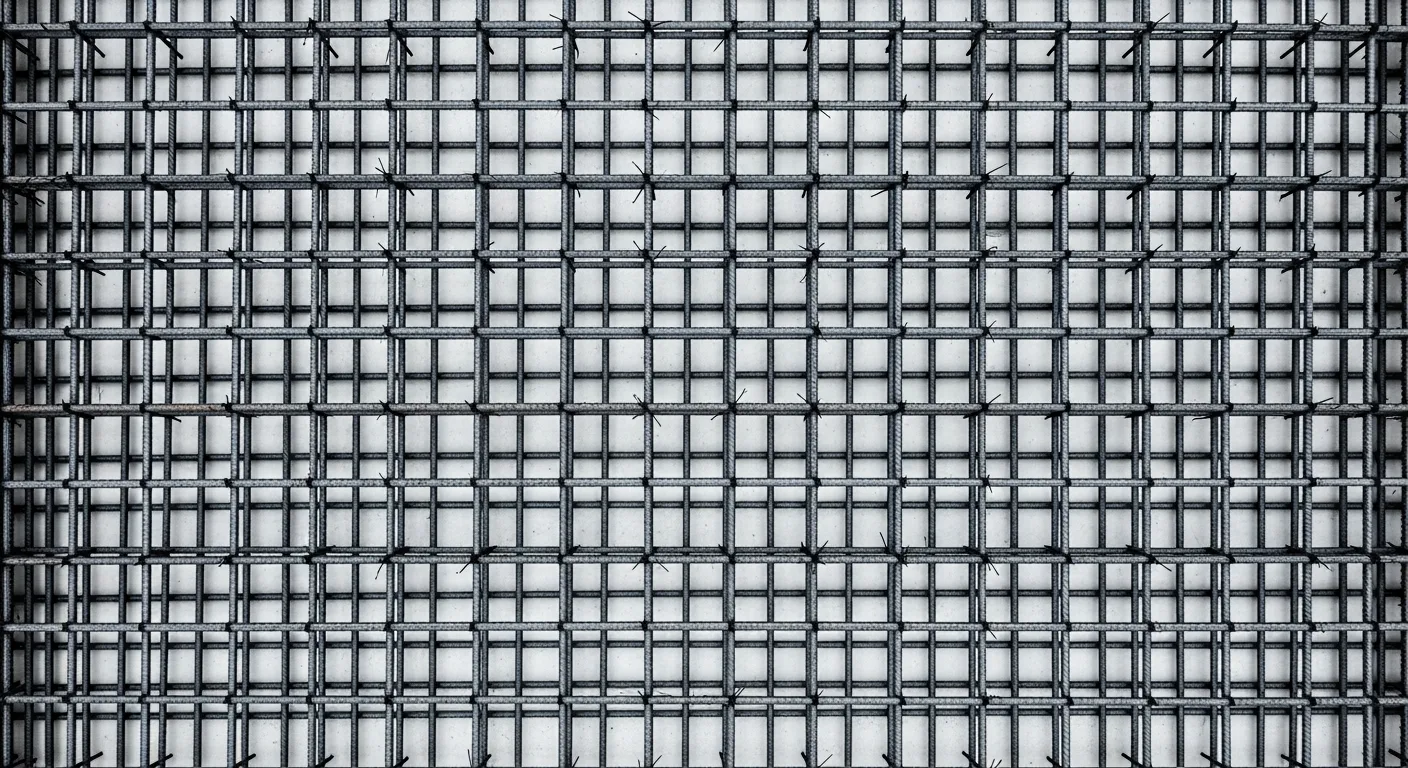
If you have spent any time on a concrete crew, you know that tying rebar is one of those tasks that looks simple until you actually have to do it all day. The technique matters. The wire gauge matters. The pattern matters. And when you get it wrong, bars shift during the pour and you end up with reinforcement that is not where the engineer drew it.
This guide covers everything you need to know about rebar tying, from basic hand techniques to automatic tools, wire selection, tie patterns, and the mistakes that cost crews time and money on the job site.
Why Rebar Tying Matters
Let’s get one thing straight: rebar ties are not structural. The concrete and the steel do the structural work. But those ties serve a critical purpose. They hold bars in the correct position so the reinforcement is where it needs to be when the concrete sets.
If bars shift during placement or the pour, you can end up with:
- Reduced concrete cover, which leads to corrosion problems down the road
- Bars that are too close together or too far apart from the engineered spacing
- Failed inspections that shut down the pour and cost you a day (or more)
- Structural concerns that require core drilling or other testing after the fact
Good tying technique is about speed, consistency, and keeping the steel where it belongs. Nothing more, nothing less.
Types of Rebar Ties
There are several tying methods used in the field. Each one has a specific use case, and experienced ironworkers will switch between them depending on the application.
Snap Tie (Simple Tie)
The snap tie is the bread and butter of rebar work. Here is how it works:
- Wrap the wire diagonally around the intersection of two bars
- Twist the two ends together with your tie wire reel or pliers
- Snap (bend) the twisted end down against the bar
This tie is fast and effective for horizontal mats where the bars are not under much stress before the pour. Most floor slabs, footings, and grade beams use snap ties almost exclusively.
Wrap and Snap Tie
Similar to the basic snap tie, but you wrap the wire around both bars one full time before twisting. This gives slightly more holding power and is good for situations where the bars might get bumped before the pour.
Saddle Tie (U-Tie)
The saddle tie is the workhorse for vertical work and any application where you need a stronger connection:
- Push the wire down on one side of the running bar
- Bring it up and over the crossing bar
- Pull it back down on the other side of the running bar
- Twist the ends together on top
This creates a figure-eight wrap that locks both bars firmly. Use saddle ties on:
- Wall reinforcement cages
- Column cages
- Any vertical mat where gravity wants to pull bars out of position
- Heavy bar sizes (#6 and above) where snap ties might not hold
Figure-Eight Tie
A variation of the saddle tie that wraps in a true figure-eight pattern around both bars. It provides the strongest hand-tied connection and is used on critical structural elements or when specified by the engineer.
Double Wrap Tie
Exactly what it sounds like. You wrap the wire around the intersection twice before twisting. This is common on larger bar sizes where a single wrap might slip.
Wrap and Saddle Tie
A combination technique that uses a wrap around both bars followed by a saddle pattern. This is the strongest field tie and is reserved for the most demanding applications, like heavy column cages or seismic reinforcement details.
Choosing the Right Tie Wire
Not all tie wire is the same. Here is what you need to know.
Wire Gauge
- 16.5-gauge: The standard for most rebar work. Soft enough to twist easily, strong enough to hold bars in position.
- 16-gauge: Slightly stiffer. Some crews prefer it for larger bar sizes.
- 15-gauge: Used for heavy bars (#8 and above) or when extra holding strength is needed.
- 14-gauge: The heaviest commonly used. Reserved for very large bars or special applications.
Wire Type
- Black annealed: The industry standard. Soft, easy to work with, and inexpensive. It rusts quickly when exposed, but that does not matter since it gets buried in concrete.
- Galvanized: Corrosion-resistant. Used in marine environments, bridge decks, or other applications where the wire might be exposed before the pour for extended periods.
- PVC-coated: Used when absolutely no corrosion contact is acceptable, typically in specialty applications.
- Stainless steel: Rare and expensive. Only used when specified by the engineer for extreme corrosion environments.
Wire Packaging
Tie wire comes in several formats:
- Coils: Traditional format. You pull wire from the coil, cut it to length, and fold it for hand tying.
- Pre-cut lengths: Wire pre-cut to specific lengths (usually around 12 to 16 inches) and bundled. Saves time on the job.
- Wire reels: Small spools that fit in a wire reel holder on your belt. This is the fastest method for hand tying because you pull wire directly from the reel as you tie.
- Automatic tool spools: Proprietary wire spools sized for specific automatic tying tools.
Hand Tying Tools
Tie Wire Reel and Holder
A wire reel holder clips to your belt and holds a spool of tie wire. You pull wire with one hand and twist with the other (or with pliers). This is the setup most ironworkers use daily.
Tie Wire Pliers
Standard pliers work, but purpose-built tie wire pliers have features that make the job faster:
- Angled jaws for reaching between bars
- Built-in wire cutters
- Comfortable grips for all-day use
- Some models have a twist mechanism built in
The Hook Tool
Some old-school ironworkers use a simple hook tool. You loop the wire around the bars, hook one end, and spin the tool to twist the wire tight. It is fast once you get the technique down, but it takes practice to master.
Automatic Rebar Tying Tools
If your crew ties a significant volume of rebar, automatic tying tools are worth serious consideration. Here is what is on the market.
MAX RB401T and RB611T
MAX has been the leader in this space for years. Their tools:
- Tie a connection in under one second
- Use proprietary wire spools
- Handle bar sizes from #3 x #3 up to #6 x #6 (depending on the model)
- Battery powered with good run time
- The RB611T handles up to #11 x #11 for heavy commercial work
Makita DTR180
Makita’s entry into the automatic rebar tier market. It uses their standard 18V LXT battery platform, which is a big advantage if your crew already runs Makita cordless tools. Tying speed and quality are comparable to the MAX tools.
BN Products BNTT Series
Another solid option. BN Products has been making rebar tools for a long time, and their automatic tiers are reliable and well-supported.
Cost Considerations
Automatic tying tools typically cost between $1,500 and $3,500 depending on the model and bar size capacity. Wire spools add ongoing cost, usually $30 to $60 per spool depending on the brand and wire count.
The math is straightforward: if a hand tier does 150 to 200 ties per hour and an automatic tool does 800 to 1,000 ties per hour, the labor savings on a large job pay for the tool quickly. For a crew doing concrete foundations regularly, the payback period is often just a few weeks.
Tie Patterns and Spacing
Knowing how to tie is only half the battle. Knowing where to tie matters just as much.
Horizontal Mats (Slabs, Footings, Grade Beams)
The standard pattern for flat work is a checkerboard: tie every other intersection, staggering from row to row. This provides enough support to keep bars in position while cutting the number of ties roughly in half compared to tying every intersection.
Some engineers and inspectors require every intersection tied on critical structural elements. Always check the specs and drawings before you start.
Vertical Reinforcement (Walls and Columns)
Vertical work requires more ties because gravity is working against you. The general practice is:
- Tie every intersection on the first and last rows of horizontal bars
- Tie every other intersection on middle rows
- Always tie at every support point (where the cage meets chairs or spacers)
For columns, most specs call for ties at every intersection because the cage needs to maintain its shape during the pour when the concrete pressure is pushing against it from the outside.
Laps and Splices
At lap splices (where two bars overlap), tie at least three points: both ends of the lap and the middle. Some specs require ties at a tighter spacing through the lap zone. Check the drawings.
Special Situations
- Curved bars: Tie at closer spacing to maintain the curve
- Bundled bars: Each bar in the bundle needs individual ties to the crossing bars
- Epoxy-coated rebar: Use coated tie wire to prevent galvanic corrosion at contact points
- Top mat on elevated decks: Tie every intersection since workers will be walking on the mat
Common Mistakes to Avoid
After years of watching crews tie rebar, these are the mistakes that show up over and over.
Not Enough Ties
Skipping too many intersections to save time is a false economy. When bars shift during the pour, the rework costs far more than the extra minutes of tying.
Wrong Wire Gauge
Using wire that is too light for the bar size means ties that slip and pop during the pour. Match your wire gauge to the bar size.
Loose Ties
A tie that is not snug is not doing its job. You do not need to torque it down, but there should be no play between the bars at the intersection.
Ignoring the Chairs
Rebar ties hold bars to each other. Chairs and bolsters hold the mat at the right elevation. Both systems need to work together. Tie the mat to the chairs, and make sure the chairs are at the right spacing to prevent sag between supports.
Not Checking Before the Pour
Walk the mat before you call for concrete. Check tie integrity, bar spacing, cover dimensions, and chair stability. Fix problems now, not after 50 yards of concrete are on top.
Rebar Tying Speed Tips
Want to tie faster without sacrificing quality? Here are some practical tips from experienced crews.
- Use a wire reel instead of pre-cut lengths. Pulling from a reel is faster than grabbing individual wires.
- Develop a rhythm. Reach, wrap, twist, snap, move. Do not think about each tie individually.
- Work in rows, not random patterns. This keeps you moving in one direction and reduces wasted movement.
- Keep your wire reel loaded. Swapping spools takes time. Carry a spare on your belt.
- Use kneepads on horizontal mats. You will be faster when you are not shifting around trying to get comfortable.
- Consider automatic tools for large volume work. The upfront cost is real, but the time savings are significant.
Managing Rebar Work with Project Management Software
Rebar tying is just one piece of the concrete reinforcement process. You also need to track material deliveries, schedule inspections, coordinate with the concrete supplier, and make sure your crew is on the right job at the right time.
This is where construction project management software makes a real difference. With a tool like Projul, you can:
- Schedule rebar crews and track their hours against the bid
- Manage material orders and deliveries so the steel is on site when you need it
- Document inspections with photos directly from the field
- Track costs in real time so you know if the rebar phase is on budget
If you are still managing concrete jobs with spreadsheets and phone calls, check out what Projul can do for your operation.
Safety Considerations
Rebar work comes with specific safety concerns that every crew member needs to understand.
Impalement Hazards
Open vertical rebar is a serious impalement risk. OSHA requires protective caps on all exposed vertical rebar ends where workers could fall onto them. Use mushroom-style rebar caps rated for the fall distance involved.
Repetitive Motion Injuries
Hand tying rebar all day puts stress on your wrists, hands, and forearms. Rotate crew members between tying and other tasks when possible. Automatic tying tools also reduce repetitive motion strain significantly.
Cuts and Punctures
Tie wire ends are sharp. Wear cut-resistant gloves and be aware of wire ends sticking up from completed ties. Bend or trim any wire ends that could catch on clothing or skin.
Working at Height
Tying rebar on elevated decks, walls, and columns involves fall protection requirements. Follow your company’s fall protection plan and OSHA regulations for the specific work situation.
Inspection Requirements
Before the pour, an inspector will check the rebar installation against the structural drawings. Here is what they are looking at:
- Bar sizes and spacing match the drawings
- Concrete cover meets minimum requirements (typically 1.5 to 3 inches depending on the exposure condition)
- Lap splice lengths meet the specified requirements
- Tie pattern and integrity are adequate to hold bars in position during the pour
- Chairs and bolsters are properly placed and stable
- Clearances between rebar and formwork, embeds, and other elements
A clean inspection keeps the project moving. A failed inspection means delays, rework, and unhappy clients. Take the time to self-inspect before you call for the official inspection.
Wrapping Up
Rebar tying is one of those fundamental skills in concrete construction that separates experienced crews from green ones. The technique itself is not complicated, but doing it well, doing it fast, and doing it consistently across a large job takes practice and attention to detail.
Whether you are training new crew members, considering automatic tying tools, or just looking to tighten up your operation, the basics remain the same: right tie for the application, right wire for the bar size, right pattern for the element, and check your work before the concrete truck shows up.
Good rebar work is invisible once the concrete is poured. But it is the foundation (literally) of every structural concrete element on the job. Get it right, and you never have to think about it again. Get it wrong, and the problems show up years later when it is too expensive to fix.
For help managing your concrete and rebar operations, from scheduling to cost tracking, take a look at Projul’s features or request a demo to see how it works for crews in the field.
Frequently Asked Questions
What is the most common rebar tying method?
How tight do rebar ties need to be?
What gauge wire is used for tying rebar?
Are automatic rebar tying tools worth the investment?
How many ties per rebar intersection are required?
Can you use plastic rebar ties instead of wire?
What is a saddle tie and when should you use it?
How do you prevent rebar from shifting during a concrete pour?
Related Articles

BIM Clash Detection: How to Catch Conflicts Before They Cost You on the Jobsite
BIM Clash Detection: How to Catch Conflicts Before They Cost You on the Jobsite Every contractor has a story about the...
Read More →
Asphalt Paving and Compaction Guide: Mix Types, Laydown Temperatures, and Quality Testing
Asphalt paving looks straightforward from a distance. A truck dumps material, the paver lays it down, and rollers...
Read More →
Construction Jobsite Wi-Fi & Connectivity Guide: Setting Up Reliable Internet in the Field
A practical guide to getting reliable internet on construction job sites. Learn about cellular hotspots, mesh networks,...
Read More →