
Rebar Tying Techniques: Methods, Tools, and Tips
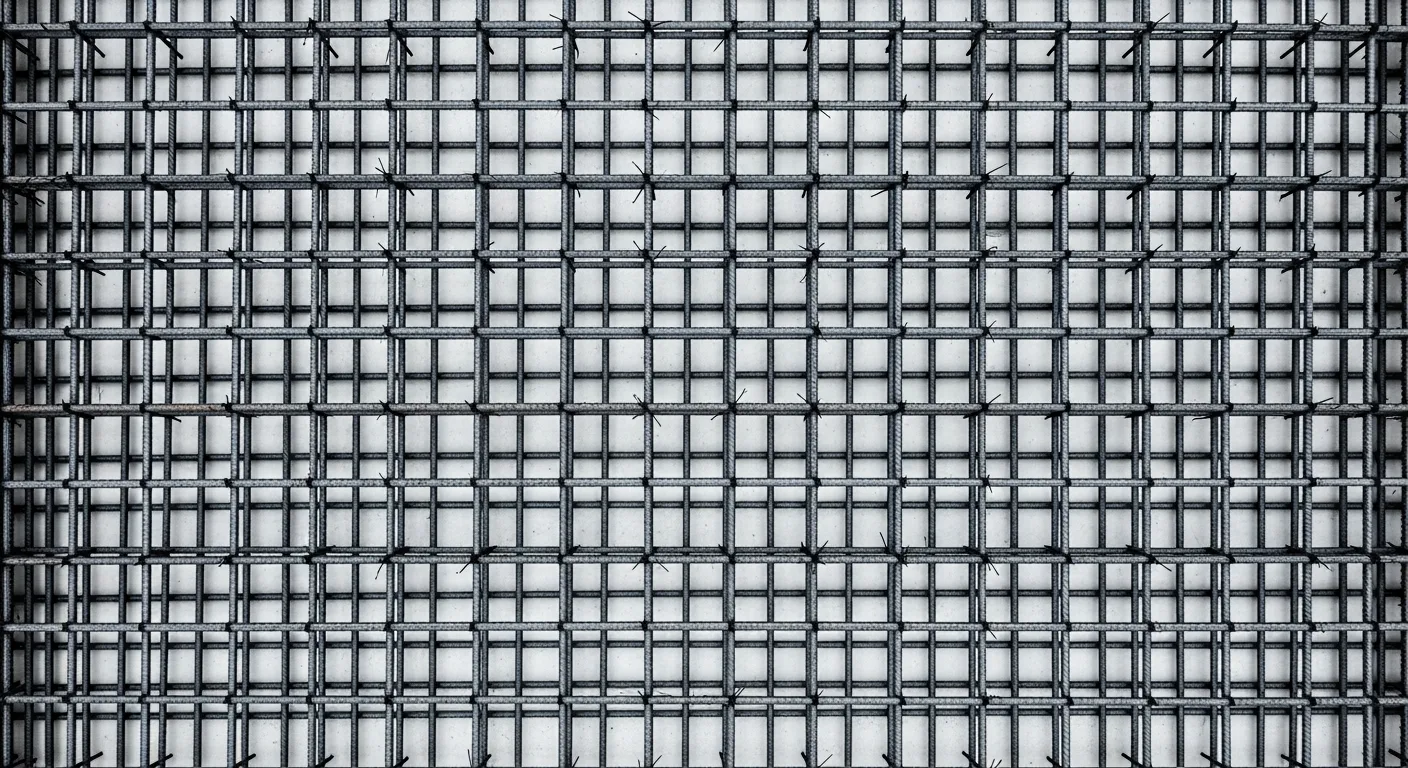
If you have spent any time on a concrete crew, you know that tying rebar is one of those tasks that looks simple until you actually have to do it all day. The technique matters. The wire gauge matters. The pattern matters. And when you get it wrong, bars shift during the pour and you end up with reinforcement that is not where the engineer drew it.
This guide covers everything you need to know about rebar tying, from basic hand techniques to automatic tools, wire selection, tie patterns, and the mistakes that cost crews time and money on the job site.
Why Rebar Tying Matters
Let’s get one thing straight: rebar ties are not structural. The concrete and the steel do the structural work. But those ties serve a critical purpose. They hold bars in the correct position so the reinforcement is where it needs to be when the concrete sets.
If bars shift during placement or the pour, you can end up with:
- Reduced concrete cover, which leads to corrosion problems down the road
- Bars that are too close together or too far apart from the engineered spacing
- Failed inspections that shut down the pour and cost you a day (or more)
- Structural concerns that require core drilling or other testing after the fact
Good tying technique is about speed, consistency, and keeping the steel where it belongs. Nothing more, nothing less.
Types of Rebar Ties
There are several tying methods used in the field. Each one has a specific use case, and experienced ironworkers will switch between them depending on the application.
Snap Tie (Simple Tie)
The snap tie is the bread and butter of rebar work. Here is how it works:
- Wrap the wire diagonally around the intersection of two bars
- Twist the two ends together with your tie wire reel or pliers
- Snap (bend) the twisted end down against the bar
This tie is fast and effective for horizontal mats where the bars are not under much stress before the pour. Most floor slabs, footings, and grade beams use snap ties almost exclusively.
Wrap and Snap Tie
Similar to the basic snap tie, but you wrap the wire around both bars one full time before twisting. This gives slightly more holding power and is good for situations where the bars might get bumped before the pour.
Saddle Tie (U-Tie)
The saddle tie is the workhorse for vertical work and any application where you need a stronger connection:
- Push the wire down on one side of the running bar
- Bring it up and over the crossing bar
- Pull it back down on the other side of the running bar
- Twist the ends together on top
This creates a figure-eight wrap that locks both bars firmly. Use saddle ties on:
- Wall reinforcement cages
- Column cages
- Any vertical mat where gravity wants to pull bars out of position
- Heavy bar sizes (#6 and above) where snap ties might not hold
Figure-Eight Tie
A variation of the saddle tie that wraps in a true figure-eight pattern around both bars. It provides the strongest hand-tied connection and is used on critical structural elements or when specified by the engineer.
Double Wrap Tie
Exactly what it sounds like. You wrap the wire around the intersection twice before twisting. This is common on larger bar sizes where a single wrap might slip.
Wrap and Saddle Tie
A combination technique that uses a wrap around both bars followed by a saddle pattern. This is the strongest field tie and is reserved for the most demanding applications, like heavy column cages or seismic reinforcement details.
Choosing the Right Tie Wire
Not all tie wire is the same. Here is what you need to know.
Wire Gauge
- 16.5-gauge: The standard for most rebar work. Soft enough to twist easily, strong enough to hold bars in position.
- 16-gauge: Slightly stiffer. Some crews prefer it for larger bar sizes.
- 15-gauge: Used for heavy bars (#8 and above) or when extra holding strength is needed.
- 14-gauge: The heaviest commonly used. Reserved for very large bars or special applications.
Wire Type
- Black annealed: The industry standard. Soft, easy to work with, and inexpensive. It rusts quickly when exposed, but that does not matter since it gets buried in concrete.
- Galvanized: Corrosion-resistant. Used in marine environments, bridge decks, or other applications where the wire might be exposed before the pour for extended periods.
- PVC-coated: Used when absolutely no corrosion contact is acceptable, typically in specialty applications.
- Stainless steel: Rare and expensive. Only used when specified by the engineer for extreme corrosion environments.
Wire Packaging
Tie wire comes in several formats:
- Coils: Traditional format. You pull wire from the coil, cut it to length, and fold it for hand tying.
- Pre-cut lengths: Wire pre-cut to specific lengths (usually around 12 to 16 inches) and bundled. Saves time on the job.
- Wire reels: Small spools that fit in a wire reel holder on your belt. This is the fastest method for hand tying because you pull wire directly from the reel as you tie.
- Automatic tool spools: Proprietary wire spools sized for specific automatic tying tools.
Hand Tying Tools
Tie Wire Reel and Holder
A wire reel holder clips to your belt and holds a spool of tie wire. You pull wire with one hand and twist with the other (or with pliers). This is the setup most ironworkers use daily.
Tie Wire Pliers
Standard pliers work, but purpose-built tie wire pliers have features that make the job faster:
- Angled jaws for reaching between bars
- Built-in wire cutters
- Comfortable grips for all-day use
- Some models have a twist mechanism built in
The Hook Tool
Some old-school ironworkers use a simple hook tool. You loop the wire around the bars, hook one end, and spin the tool to twist the wire tight. It is fast once you get the technique down, but it takes practice to master.
Automatic Rebar Tying Tools
If your crew ties a significant volume of rebar, automatic tying tools are worth serious consideration. Here is what is on the market.
MAX RB401T and RB611T
MAX has been the leader in this space for years. Their tools:
- Tie a connection in under one second
- Use proprietary wire spools
- Handle bar sizes from #3 x #3 up to #6 x #6 (depending on the model)
- Battery powered with good run time
- The RB611T handles up to #11 x #11 for heavy commercial work
Makita DTR180
Makita’s entry into the automatic rebar tier market. It uses their standard 18V LXT battery platform, which is a big advantage if your crew already runs Makita cordless tools. Tying speed and quality are comparable to the MAX tools.
BN Products BNTT Series
Another solid option. BN Products has been making rebar tools for a long time, and their automatic tiers are reliable and well-supported.
Cost Considerations
Automatic tying tools typically cost between $1,500 and $3,500 depending on the model and bar size capacity. Wire spools add ongoing cost, usually $30 to $60 per spool depending on the brand and wire count.
The math is straightforward: if a hand tier does 150 to 200 ties per hour and an automatic tool does 800 to 1,000 ties per hour, the labor savings on a large job pay for the tool quickly. For a crew doing concrete foundations regularly, the payback period is often just a few weeks.
Tie Patterns and Spacing
Knowing how to tie is only half the battle. Knowing where to tie matters just as much.
Horizontal Mats (Slabs, Footings, Grade Beams)
The standard pattern for flat work is a checkerboard: tie every other intersection, staggering from row to row. This provides enough support to keep bars in position while cutting the number of ties roughly in half compared to tying every intersection.
Some engineers and inspectors require every intersection tied on critical structural elements. Always check the specs and drawings before you start.
Vertical Reinforcement (Walls and Columns)
Vertical work requires more ties because gravity is working against you. The general practice is:
- Tie every intersection on the first and last rows of horizontal bars
- Tie every other intersection on middle rows
- Always tie at every support point (where the cage meets chairs or spacers)
For columns, most specs call for ties at every intersection because the cage needs to maintain its shape during the pour when the concrete pressure is pushing against it from the outside.
Laps and Splices
At lap splices (where two bars overlap), tie at least three points: both ends of the lap and the middle. Some specs require ties at a tighter spacing through the lap zone. Check the drawings.
Special Situations
- Curved bars: Tie at closer spacing to maintain the curve
- Bundled bars: Each bar in the bundle needs individual ties to the crossing bars
- Epoxy-coated rebar: Use coated tie wire to prevent galvanic corrosion at contact points
- Top mat on elevated decks: Tie every intersection since workers will be walking on the mat
Common Mistakes to Avoid
After years of watching crews tie rebar, these are the mistakes that show up over and over.
Not Enough Ties
Skipping too many intersections to save time is a false economy. When bars shift during the pour, the rework costs far more than the extra minutes of tying.
Wrong Wire Gauge
Using wire that is too light for the bar size means ties that slip and pop during the pour. Match your wire gauge to the bar size.
Loose Ties
A tie that is not snug is not doing its job. You do not need to torque it down, but there should be no play between the bars at the intersection.
Ignoring the Chairs
Rebar ties hold bars to each other. Chairs and bolsters hold the mat at the right elevation. Both systems need to work together. Tie the mat to the chairs, and make sure the chairs are at the right spacing to prevent sag between supports.
Not Checking Before the Pour
Walk the mat before you call for concrete. Check tie integrity, bar spacing, cover dimensions, and chair stability. Fix problems now, not after 50 yards of concrete are on top.
Rebar Tying Speed Tips
Want to tie faster without sacrificing quality? Here are some practical tips from experienced crews.
- Use a wire reel instead of pre-cut lengths. Pulling from a reel is faster than grabbing individual wires.
- Develop a rhythm. Reach, wrap, twist, snap, move. Do not think about each tie individually.
- Work in rows, not random patterns. This keeps you moving in one direction and reduces wasted movement.
- Keep your wire reel loaded. Swapping spools takes time. Carry a spare on your belt.
- Use kneepads on horizontal mats. You will be faster when you are not shifting around trying to get comfortable.
- Consider automatic tools for large volume work. The upfront cost is real, but the time savings are significant.
Managing Rebar Work with Project Management Software
Rebar tying is just one piece of the concrete reinforcement process. You also need to track material deliveries, schedule inspections, coordinate with the concrete supplier, and make sure your crew is on the right job at the right time.
This is where construction project management software makes a real difference. With a tool like Projul, you can:
- Schedule rebar crews and track their hours against the bid
- Manage material orders and deliveries so the steel is on site when you need it
- Document inspections with photos directly from the field
- Track costs in real time so you know if the rebar phase is on budget
If you are still managing concrete jobs with spreadsheets and phone calls, check out what Projul can do for your operation.
Safety Considerations
Rebar work comes with specific safety concerns that every crew member needs to understand.
Impalement Hazards
Open vertical rebar is a serious impalement risk. OSHA requires protective caps on all exposed vertical rebar ends where workers could fall onto them. Use mushroom-style rebar caps rated for the fall distance involved.
Repetitive Motion Injuries
Hand tying rebar all day puts stress on your wrists, hands, and forearms. Rotate crew members between tying and other tasks when possible. Automatic tying tools also reduce repetitive motion strain significantly.
Cuts and Punctures
Tie wire ends are sharp. Wear cut-resistant gloves and be aware of wire ends sticking up from completed ties. Bend or trim any wire ends that could catch on clothing or skin.
Working at Height
Tying rebar on elevated decks, walls, and columns involves fall protection requirements. Follow your company’s fall protection plan and OSHA regulations for the specific work situation.
Inspection Requirements
Before the pour, an inspector will check the rebar installation against the structural drawings. Here is what they are looking at:
- Bar sizes and spacing match the drawings
- Concrete cover meets minimum requirements (typically 1.5 to 3 inches depending on the exposure condition)
- Lap splice lengths meet the specified requirements
- Tie pattern and integrity are adequate to hold bars in position during the pour
- Chairs and bolsters are properly placed and stable
- Clearances between rebar and formwork, embeds, and other elements
A clean inspection keeps the project moving. A failed inspection means delays, rework, and unhappy clients. Take the time to self-inspect before you call for the official inspection.
Rebar Tying Tools Comparison: Hand Tying vs. Automatic Tier vs. Wire Twister
Choosing the right tying method is not just about preference. It is a business decision that affects labor cost, crew fatigue, production speed, and quality consistency across the job. Here is a detailed breakdown of the three main approaches.
Hand Tying with Pliers or Hook
Hand tying is where every ironworker starts. You pull wire from a reel, loop it around the intersection, twist with pliers or a hook tool, and snap the tail down. It is simple, reliable, and requires almost zero capital investment.
Speed: A skilled hand tier can complete 150 to 200 ties per hour in a steady rhythm on a horizontal mat. On vertical work where positioning is awkward, that number drops to 100 to 150 ties per hour. New workers will be significantly slower, often around 80 to 100 ties per hour until they develop muscle memory.
Cost: A quality pair of tie wire pliers costs $15 to $40. A hook tool runs $10 to $25. Wire reels and holders are another $15 to $30. Total setup cost per worker is under $75, making this the lowest barrier to entry by far.
Fatigue: This is where hand tying falls short. Repetitive twisting motions put significant strain on the wrist, forearm, and hand. After four to six hours of continuous tying, grip strength drops and tie quality starts to suffer. Crews that tie rebar as a primary task report higher rates of carpal tunnel syndrome and tendonitis over time. Rotating workers between tying and other tasks helps, but it does not eliminate the problem.
Best for: Small jobs, tight spaces where tools cannot reach, occasional rebar work, and training new crew members on fundamentals.
Wire Twister Tools
Wire twisters are a step up from basic pliers. These tools use a pull-and-release mechanism or a spring-loaded twist action to spin the wire tight. You hook the wire around the intersection, engage the twister, and it spins the wire with a single pull or trigger squeeze.
Speed: Wire twisters improve hand tying speed by roughly 20 to 30 percent, putting production in the 200 to 260 ties per hour range. The improvement comes from eliminating the manual wrist rotation, which is the slowest and most fatiguing part of the hand tying sequence.
Cost: Manual pull-type twisters cost $20 to $50. Higher-end models with ergonomic handles and adjustable tension run $40 to $80. They use the same standard tie wire as hand tying, so there is no ongoing consumable cost difference.
Fatigue: Wire twisters reduce wrist strain compared to pliers because the twisting motion is transferred to a pull action using larger muscle groups. However, they still require bending, reaching, and repetitive hand movements. They are a meaningful improvement for fatigue, but not a complete solution for all-day tying work.
Best for: Crews that do regular rebar work but not enough volume to justify automatic tools. They are also a good option for workers who are developing wrist problems from hand tying but are not ready to invest in automatic equipment.
Automatic Rebar Tying Tools
Automatic tiers are battery-powered tools that wrap and twist wire with a single trigger pull. You position the nose of the tool over the bar intersection, squeeze the trigger, and the tool feeds wire, wraps it around both bars, twists it tight, and cuts the wire in under one second.
Speed: Automatic tools consistently produce 800 to 1,200 ties per hour depending on the operator and the tool model. That is four to six times faster than hand tying. On a large foundation mat with 3,000 intersections, an automatic tool can save an entire day of labor compared to hand tying.
Cost: The tools themselves range from $1,500 to $3,500. Proprietary wire spools cost $30 to $60 each and produce 80 to 120 ties per spool depending on bar size. Over the life of a busy tool, wire spool costs can add up to several thousand dollars per year. Budget $0.25 to $0.50 per tie for the wire consumable alone.
Fatigue: This is the biggest advantage of automatic tools beyond speed. They virtually eliminate repetitive wrist motion. The operator simply positions and squeezes a trigger, which is far less demanding than manual twisting. Crews report being able to tie all day with minimal hand and wrist fatigue. For companies concerned about workers’ compensation claims related to repetitive stress injuries, automatic tools are a strong risk mitigation strategy.
Best for: Crews that tie rebar regularly on commercial foundations, structural slabs, retaining walls, or any project with high tie volumes. The payback calculation is simple: if the tool saves you one full labor day per month at $400 to $600 per day for a skilled worker, it pays for itself in three to six months.
Side-by-Side Comparison
When deciding between these options, consider the volume of rebar work your crew handles in a typical month. If you are pouring two or three residential footings, hand tying with a wire twister is perfectly efficient. If you are doing commercial foundations or multi-story structural concrete, automatic tools pay for themselves quickly and keep your crew healthier in the process.
The other factor to consider is tie consistency. Automatic tools produce a uniform tie every single time, which means fewer inspection issues and more predictable bar positioning during the pour. Hand-tied connections vary with the skill and fatigue level of the worker, and that variability shows up on large jobs.
Rebar Placement and Spacing Requirements by Structural Element
Getting rebar tied correctly does not matter if the bars are in the wrong position to begin with. Placement and spacing requirements vary significantly depending on the structural element, and getting these details right is what keeps inspectors happy and structures sound.
Footings
Continuous spread footings for residential and light commercial construction typically use a simple bottom mat of reinforcement. Common configurations include:
- Residential strip footings: Two to four longitudinal bars (#4 or #5) running the length of the footing, with transverse bars at 12 to 18 inch spacing. The longitudinal bars carry the bending forces, while the transverse bars distribute loads and hold everything in position.
- Stepped footings: Require additional bars at the step transitions. The structural drawings will show development lengths and hook details at each step. Pay close attention to these details because inspectors focus on step transitions.
- Pad footings (isolated footings): Use a grid of bars in both directions at the bottom of the pad. Bar spacing is typically 6 to 12 inches depending on the column load. Bars should extend to within 3 inches of the footing edge (minus the required cover).
- Concrete cover: ACI 318 requires 3 inches of clear cover for concrete cast directly against earth. If forms are used and then removed, the minimum drops to 1.5 inches for #5 bars and smaller, or 2 inches for #6 through #18 bars.
Practical tip: Use concrete bricks or purpose-built chairs rated for 3 inches when placing footing mats directly on soil. Standard 1.5 inch slab bolsters will not provide enough cover and will cause an inspection failure.
Walls
Wall reinforcement consists of vertical bars and horizontal bars arranged in one or two layers (curtains) depending on wall thickness and loading.
- Single curtain walls: Walls 8 inches thick or less often use a single layer of reinforcement centered in the wall. Vertical and horizontal bars are typically #4 or #5 at 12 to 18 inch spacing.
- Double curtain walls: Walls thicker than 8 inches, or any wall with significant lateral loads (retaining walls, basement walls, shear walls), use two layers of reinforcement with bars near each face. Cross ties connect the two curtains at regular intervals to maintain spacing.
- Horizontal bar spacing: Commonly 12, 16, or 18 inches on center. Never more than 18 inches for walls designed to ACI 318.
- Vertical bar spacing: Same general range as horizontal. Boundary elements at wall ends and openings require tighter spacing, often 4 to 6 inches between vertical bars.
- Concrete cover: 1.5 inches minimum for interior walls not exposed to weather. 2 inches for exterior walls or walls exposed to weather or soil.
Practical tip: When building wall cages flat on the ground before tilting them into place, add extra ties at every intersection. The lifting and tilting process puts stress on the cage that a checkerboard pattern cannot handle. Tie every intersection on cages that will be lifted.
Slabs
Slab reinforcement varies dramatically depending on whether you are placing a slab on grade, a structural suspended slab, or a post-tensioned deck.
- Slabs on grade: Typically reinforced with welded wire fabric (WWF) or a grid of #3 or #4 bars at 12 to 18 inch spacing. The reinforcement is primarily for shrinkage and temperature crack control, not structural loading. Bars or mesh should be positioned in the upper third of the slab thickness.
- Structural slabs: Use top and bottom mats of reinforcement with bar sizes and spacing determined by the structural engineer. Bottom bars carry positive bending moments at midspan. Top bars carry negative bending moments over supports. Spacing typically ranges from 6 to 12 inches.
- One-way slabs: Primary reinforcement runs in one direction (the short span) with temperature and shrinkage bars running perpendicular. The temperature bars are typically #3 or #4 at 12 to 18 inch spacing.
- Two-way slabs: Reinforcement in both directions carries structural loads. Pay close attention to the drawings for column strip versus middle strip reinforcement, which will have different bar sizes and spacing.
- Concrete cover: 0.75 inches minimum for slabs not exposed to weather (with #11 bars or smaller). 1.5 inches for slabs exposed to weather. 2 inches for slabs in contact with soil.
Practical tip: On structural slabs, the most common placement error is getting the top mat too low. Use high chairs or continuous bar supports rated for the correct height, and check the elevation with a ruler at multiple points before calling for inspection.
Columns
Column reinforcement is the most demanding in terms of tying quality because the cage must hold its shape during a tall vertical pour with significant lateral concrete pressure.
- Vertical bars: Minimum of four bars for rectangular columns, six for circular columns. Bar sizes typically range from #6 to #11 depending on the load. Vertical bars must be continuous or spliced with proper lap lengths (often 30 to 40 bar diameters for compression splices).
- Ties (stirrups): Horizontal ties wrap around the vertical bars at regular intervals. Standard spacing is the smallest of 16 longitudinal bar diameters, 48 tie bar diameters, or the least column dimension. In seismic zones, tie spacing tightens significantly in the hinge regions at the top and bottom of the column.
- Seismic detailing: In moderate to high seismic zones, columns require closely spaced hoops (often at 4 to 6 inch spacing) in the plastic hinge regions. Hoop ends must have 135-degree hooks extending at least 6 bar diameters into the core. Do not substitute 90-degree hooks in seismic hoop regions.
- Concrete cover: 1.5 inches minimum for columns not exposed to weather. In practice, many engineers specify 2 inches for constructability.
Practical tip: Pre-assemble column cages on the ground using a jig or template to maintain consistent tie spacing. Mark the vertical bars at tie locations with a lumber crayon before assembly. This is faster and more accurate than measuring each tie location while working vertically.
Common Rebar Inspection Failures and How to Pass the First Time
A failed rebar inspection means no pour that day. The concrete trucks get turned around or delayed, the crew stands idle, and the schedule slips. Most inspection failures are preventable with a solid pre-inspection checklist and attention to the details that inspectors focus on.
Insufficient Concrete Cover
This is the number one reason rebar inspections fail. The bars are too close to the form face, too close to the soil, or sagging in the middle of a span where the chairs are spaced too far apart.
How to prevent it: Measure cover at multiple points along every form face and at the bottom of every mat. Do not rely on a single measurement at one corner. Use the right chairs for the application. Standard wire chairs work for interior slabs, but heavier continuous bar supports are needed for long spans between support points. On footings cast against soil, verify 3 inches of cover (not the 1.5 inches you use for formed surfaces).
Wrong Bar Sizes
It happens more often than anyone likes to admit. A crew grabs #4 bars when the drawing calls for #5, or mixes up bar marks and puts the wrong size in the wrong location.
How to prevent it: Read the bar markings stamped on every piece of rebar before you place it. The mill mark, bar size, steel grade, and manufacturer are all rolled into the bar surface. Train every crew member to verify bar sizes, not just the foreman. On large jobs, color-code bar bundles with spray paint or flagging tape when they arrive on site.
Incorrect Lap Splice Lengths
Lap splices that are too short are a structural deficiency, and inspectors measure them carefully. The required lap length depends on bar size, concrete strength, bar spacing, and whether the splice is in a tension or compression zone.
How to prevent it: Calculate the required lap lengths from the structural drawings or the project specifications before you start placing steel. Write the required lap length for each bar size on a piece of plywood or a whiteboard at the work area so every crew member can reference it. Measure lap lengths with a tape, not by eyeballing it. Add an extra inch or two as a buffer because bars can shift slightly during tying.
Missing or Misplaced Bars
Inspectors check bar count and spacing against the structural drawings. Missing bars, bars at the wrong spacing, or bars in the wrong layer (top versus bottom) will all trigger a failure.
How to prevent it: Mark bar locations on the forms or on the supporting surface before you start placing steel. Use a spacing stick (a piece of rebar or lumber cut to the required on-center dimension) to verify spacing as you go. Count bars in each section and compare to the drawing count.
Inadequate Tie Pattern
While tie pattern alone rarely fails an inspection, an inspector who sees loose bars, a sparse tie pattern, or ties that have come undone will question whether the reinforcement will stay in position during the pour. Some inspectors will require additional ties before approving the placement.
How to prevent it: Follow the tie pattern specified in the project documents. If no pattern is specified, use the standard checkerboard on horizontal mats and tie every intersection on vertical cages and critical elements. Walk the entire placement before calling for inspection and re-tie any connections that feel loose.
Dirty or Damaged Bars
Rebar that is caked with mud, covered in oil or form release agent, or has excessive rust scale will not bond properly with the concrete. Inspectors will reject bars that appear contaminated.
How to prevent it: Store rebar off the ground on dunnage. Keep it away from form oil and curing compounds. Light surface rust is actually beneficial for bond and is not a problem. Heavy flaking rust scale that you can knock off with a hammer needs to be cleaned with a wire brush before placement.
Pre-Inspection Checklist
Before you call for the inspection, walk the placement with this checklist:
- Verify bar sizes at multiple locations by reading the mill marks
- Measure concrete cover at the top, bottom, and all sides at a minimum of three points per structural element
- Measure and verify at least three lap splice lengths per bar size
- Count bars in representative sections and compare to the drawing
- Check that all chairs and bolsters are stable and at the correct height
- Verify that all required embeds, sleeves, and block-outs are in place and properly secured
- Confirm that the reinforcement is clean and free from contaminants
- Walk the entire placement and re-tie any loose connections
- Take photographs of the completed placement for your project records
Spending 30 to 45 minutes on this self-inspection before calling the inspector saves hours (or days) of rework when something gets caught.
Estimating Rebar Work: Quantities, Labor, and Consumables
Accurate rebar estimating separates profitable concrete jobs from money losers. Whether you are bidding a new project or tracking costs on one in progress, these benchmarks give you a solid starting point.
Pounds of Rebar per Cubic Yard of Concrete
The amount of reinforcing steel in a concrete element varies by the type of structure and the loads it carries. These are typical ranges used for budgeting and rough estimating:
- Slabs on grade: 50 to 80 pounds per cubic yard. Lightly reinforced with temperature and shrinkage steel only.
- Structural slabs (elevated): 100 to 180 pounds per cubic yard. Higher reinforcement ratios due to bending and shear demands.
- Footings: 60 to 120 pounds per cubic yard. Varies widely with footing size and column loads.
- Walls (non-retaining): 80 to 130 pounds per cubic yard. Increases with wall height and lateral load requirements.
- Retaining walls: 120 to 200 pounds per cubic yard. Heavy reinforcement on the tension face, especially at the base.
- Columns: 150 to 350 pounds per cubic yard. Columns have the highest reinforcement ratios of any common structural element.
- Beams and grade beams: 120 to 250 pounds per cubic yard. Depends on span length and loading.
For a quick project-level estimate on a typical commercial building, 120 to 160 pounds of rebar per cubic yard of concrete is a reasonable average when all elements are blended together. Residential work runs lighter, typically 60 to 100 pounds per cubic yard overall.
Bar Weight Reference
When converting from linear feet on the drawings to pounds for ordering, use these standard weights:
- #3 bar: 0.376 pounds per foot
- #4 bar: 0.668 pounds per foot
- #5 bar: 1.043 pounds per foot
- #6 bar: 1.502 pounds per foot
- #7 bar: 2.044 pounds per foot
- #8 bar: 2.670 pounds per foot
- #9 bar: 3.400 pounds per foot
- #10 bar: 4.303 pounds per foot
- #11 bar: 5.313 pounds per foot
Always add 5 to 10 percent for waste, laps, and cutting losses when ordering material.
Labor Hours per Ton of Rebar
Labor productivity for rebar installation depends on bar size, complexity of the placement, access conditions, and crew experience. These ranges cover the full scope of unloading, sorting, cutting, bending, placing, and tying:
- Simple slab mats (#4 and #5 bars): 8 to 14 labor hours per ton. Flat work with good access is the most productive rebar installation.
- Footings: 10 to 16 labor hours per ton. Slightly more complex than slabs due to step-downs and dowel placement.
- Walls: 14 to 22 labor hours per ton. Vertical placement, lifting cages, and tighter spacing increase labor time.
- Columns: 18 to 28 labor hours per ton. Complex fabrication, tight tie spacing, and confined work areas drive labor up.
- Elevated structural slabs: 16 to 24 labor hours per ton. Includes the extra time for working at height, placing top and bottom mats, and coordinating with formwork.
- Complex structural elements (stairs, transfer beams, pile caps): 22 to 35 labor hours per ton. Congested reinforcement and intricate detailing push labor to the high end.
For budget-level estimating on a mixed commercial project, 16 to 20 labor hours per ton is a reasonable average. Adjust up for complex structures and tight access, or down for simple repetitive work with experienced crews.
Tie Wire Consumption
Tie wire consumption is a small but real cost that should be included in your estimates:
- Hand tying with 16.5-gauge wire: Approximately 5 to 7 pounds of tie wire per ton of rebar installed. This assumes a standard checkerboard pattern on horizontal mats and every-intersection tying on vertical elements.
- Automatic tying tools: Wire consumption is slightly higher per tie (the tool uses a fixed length of wire per cycle), but total consumption is comparable because the consistent tie size avoids the waste that comes from hand-tied tails and re-ties.
- Cost: Black annealed tie wire costs roughly $30 to $50 per 100-pound coil. For a 50-ton rebar job, budget 250 to 350 pounds of tie wire, or about $75 to $175 in wire costs.
Putting the Estimate Together
Here is a quick example for a commercial foundation with 80 cubic yards of concrete:
- Rebar quantity: 80 CY x 130 lbs/CY = 10,400 lbs (5.2 tons)
- Add 8% for waste and laps: 5.2 x 1.08 = 5.6 tons to order
- Labor: 5.2 tons x 16 hours/ton = 83 labor hours (roughly 2.5 crew-days with a 4-person crew)
- Tie wire: 5.2 tons x 6 lbs/ton = 31 lbs of tie wire
- Chairs and accessories: Budget $0.10 to $0.15 per square foot of contact area for chairs, bolsters, and spacers
These numbers give you a framework for bidding. Adjust based on your crew’s actual productivity data, local material prices, and the specific complexity of the project. Track actual hours and material usage on every job and update your estimating database. The crews that win consistently are the ones whose estimates match reality because they measure and adjust.
Rebar Storage and Handling on the Job Site
How you store and move rebar before it ever gets tied has a direct impact on crew productivity and material quality. Poorly stored steel means rusted bundles stuck together, bent bars that need straightening, and wasted time sorting through a disorganized pile when you should be placing.
Receiving and Unloading
When rebar arrives on site, verify the delivery against the shop drawings and the packing list before the truck leaves. Check bar marks, sizes, lengths, and quantities. Fabrication shops occasionally mix up bar marks or short-ship a bundle, and catching it at delivery is far easier than discovering it when your crew is ready to place.
Unload bundles with a crane, forklift, or excavator equipped with a rebar-rated sling or chain. Never drag bundles off the truck, which bends bars and damages tags. Set bundles on timber dunnage (4x4s or 6x6s) to keep the steel off the ground. Direct ground contact accelerates rust, gets mud caked on the bars, and makes the bottom layer of any bundle nearly impossible to pull out cleanly.
Organizing the Laydown Area
On a busy concrete job, the rebar laydown area can turn into a tangled mess in a hurry if nobody takes ownership of it. Set up the area with a few basic rules:
- Group by bar mark. Each bar mark from the shop drawings gets its own stack or section. Label the stacks with the bar mark number using spray paint on a piece of plywood or a stake driven into the ground next to the bundle.
- Keep bundles banded. Do not cut the bands on a bundle until you are ready to place those bars. Loose bars in a pile are a safety hazard and a sorting headache.
- Stage by pour sequence. If the project has multiple pours, organize the laydown area so the bars needed for the first pour are most accessible. Restacking bundles because you buried the first-pour steel under the second-pour steel is pure wasted labor.
- Leave access for equipment. Forklifts and cranes need room to pick bundles. Do not pack the laydown area so tight that you cannot get a machine in to move material.
Preventing Damage and Contamination
Rebar is tough, but it is not indestructible. A few common job site mistakes can turn good steel into rejected material:
- Form release oil and curing compound: Keep rebar away from areas where form oil is being applied or where curing compound is being sprayed. Oil on the bar surface prevents proper bond with the concrete and will get flagged during inspection.
- Excessive bending: Bars that get bent during handling need to be straightened before placement, which takes time and can weaken the steel if done improperly. Use proper rigging to prevent bending during lifts.
- Welding splatter: If welding is happening near stored rebar, cover the bundles with a tarp or plywood. Weld splatter on bars creates stress risers that can initiate cracks under load.
- Vehicle traffic: Do not let trucks or equipment drive over stored rebar. Crushed or kinked bars are scrap.
Moving Rebar to the Work Area
Getting bars from the laydown area to the point of placement is one of the biggest time sinks on a concrete job. Plan your material flow:
- Short carries: For residential footings and small slabs, hand-carrying bars is fine. Two workers can carry a bundle of #4 or #5 bars easily.
- Long hauls: On commercial jobs, use a forklift, crane, or material buggy to move bundles to the work area. Every minute your skilled tying crew spends carrying bars is a minute they are not tying.
- Elevated work: Pre-stage bars on the deck level before you start placing. Flying bundles up one at a time with the crane while the crew waits below is inefficient. Coordinate with the crane operator to stage a full pour’s worth of material at the beginning of the shift.
Good material handling is not exciting, but it directly affects how many tons of rebar your crew can install in a day. A crew that spends 30 percent of their time sorting, carrying, and looking for bars is only 70 percent productive, no matter how fast they tie.
Training New Crew Members on Rebar Tying
Every concrete crew needs a system for bringing new workers up to speed on rebar tying. Throwing a new hire into the middle of a large mat with a reel of wire and saying “watch the guy next to you” is not training. It produces slow, inconsistent work and builds bad habits that are hard to fix later.
Start with the Basics Off the Job
The best approach is to set up a training station away from the active work area. Lay out a small grid of bars on chairs and let the new worker practice tying without the pressure of production. Focus on these fundamentals:
- Wire handling. Show them how to load a wire reel, pull wire smoothly, and manage the tail without tangling. New workers waste an enormous amount of time fighting with tangled wire.
- The snap tie. This is the first tie everyone learns. Have them practice the wrap, twist, and snap motion until it becomes automatic. A new worker should be able to do a clean snap tie with their eyes closed before moving to production work.
- Tie tension. New workers tend to either leave ties too loose (bars move when touched) or crank them too tight (wasting time and breaking wire). Teach them the right feel: snug enough that the bars do not shift, but not so tight that the wire is at its breaking point.
- Body position. On horizontal mats, show them how to position their body to minimize reaching and twisting. Working from a comfortable kneeling position with the wire reel on the correct side makes a measurable difference in speed and fatigue.
Progress to Production Work
Once a new worker can tie snap ties at a reasonable speed (100 or more ties per hour) with consistent quality, move them to production work alongside an experienced tier. Pair them up so the experienced worker can correct technique issues in real time.
Start them on simple horizontal mats where the consequences of a slow or inconsistent tie are lowest. As they build speed and confidence, introduce more demanding applications:
- Saddle ties on vertical reinforcement
- Tighter spacing where accuracy matters more
- Larger bar sizes that require different wire gauges and more grip strength
- Awkward positions like tying overhead on the bottom of elevated beams
Setting Expectations
Be realistic about the learning curve. A new worker is not going to match an experienced ironworker’s speed for months. Here is a rough timeline for most workers:
- Week 1: Learning wire handling and basic snap ties. Speed: 60 to 80 ties per hour.
- Weeks 2 to 4: Building muscle memory and rhythm. Speed: 100 to 150 ties per hour.
- Months 2 to 3: Becoming comfortable with multiple tie types and different applications. Speed: 150 to 200 ties per hour.
- Month 6 and beyond: Full production speed with consistent quality. Speed: 200+ ties per hour.
These numbers vary with the individual, but they give you a framework for evaluating whether a new worker is progressing at a reasonable rate. If someone is still at 80 ties per hour after a month of full-time work, they may need more structured coaching or may not be suited for the role.
Cross-Training for Flexibility
The most valuable concrete crew members can do more than tie rebar. Cross-train your tying crew on related tasks so you have flexibility on the job site:
- Reading structural drawings: Every crew member should understand how to read bar marks, spacing callouts, and detail sheets. This reduces errors and lets the crew self-check their work.
- Placing and spacing bars: Tying is faster when the tier does not have to also figure out where each bar goes. But everyone should know how to lay out and space bars correctly.
- Setting chairs and bolsters: Proper chair placement is just as important as proper tying. Train everyone on chair types, spacing requirements, and how to secure chairs to the bars and the supporting surface.
- Using automatic tools: If your crew uses automatic tiers, make sure everyone knows how to operate, maintain, and troubleshoot them. A tool sitting idle because only one person knows how to load the wire spool is a waste.
If you are managing multiple concrete crews and juggling training alongside active projects, construction scheduling software helps you assign the right mix of experienced and new workers to each job without overloading any single crew.
Coordinating Rebar Work with Other Trades
Rebar placement does not happen in isolation. On any concrete project, the rebar crew is working around formwork carpenters, plumbers, electricians, and concrete finishers. Poor coordination between these trades is one of the biggest sources of delays and rework on concrete jobs.
Embeds and Sleeves
Mechanical and electrical contractors need sleeves, block-outs, and embedded items installed in the reinforcement before the pour. These include:
- Pipe sleeves through foundations and walls
- Electrical conduit routed through slabs and walls
- Anchor bolts set in footings and piers
- Hold-down brackets for wood or steel framing
- Embed plates for steel connections
The problem is that these items often show up after the rebar is partially or fully tied, which means cutting ties, moving bars, installing the embed, and re-tying everything. This is a huge time waster.
The fix: Hold a pre-pour coordination meeting (even a 10-minute standup at the work area) with every trade that has embeds or penetrations in that pour. Walk the placement together and agree on the sequence:
- Bottom mat rebar placed and partially tied
- Embeds, sleeves, and conduit installed and secured
- Top mat rebar placed and tied
- Final adjustments and inspection
When embeds are planned into the sequence from the start, the rebar crew ties once instead of three times. This alone can save hours on a complex pour.
Formwork Coordination
The rebar crew and the formwork crew need to communicate about timing and access. Rebar cannot be placed until the forms are set, braced, and stable. But formwork adjustments after the rebar is placed (moving a wall form, adjusting a bulkhead) can damage or displace the reinforcement.
Best practice: Agree on a handoff point. The formwork crew gets the forms to a defined stage (set, braced, and dimensionally checked), then the rebar crew takes over. Any formwork changes after the rebar is placed require the rebar crew to inspect and repair any displaced steel. Build this expectation into your project schedule so both crews know when they own the work area.
On larger jobs, project management tools that show task dependencies help everyone see the sequence and avoid stepping on each other. When the form crew can see that rebar placement is blocked until their work is complete and inspected, they prioritize accordingly.
Concrete Placement
The relationship between the rebar crew and the concrete placement crew is usually the smoothest because they are often the same people. But on jobs where a separate finishing crew handles the pour, a few coordination items matter:
- Pump line routing: Discuss where the concrete pump line and hose will run before the pour starts. Dragging a loaded pump hose across a tied mat displaces bars and breaks ties. Route the line along edges or on planned walkways with plywood protection.
- Vibrator access: Internal vibrators need to fit between bars and into form corners. If the rebar spacing is tight, confirm that the vibrator head will fit before the pour. Relocating a bar during an active pour is a problem nobody wants.
- Foot traffic: Workers walking on the top mat during the pour will push bars down and disturb ties. Use designated walkways (plywood on rebar chairs) and keep foot traffic to a minimum on the reinforcement.
The Scheduling Reality
On paper, the sequence is clean: forms, rebar, inspect, pour. In practice, these trades overlap, compete for crane time, and bump into each other constantly. The projects that run smoothly are the ones where the superintendent or project manager actively manages the daily sequence and keeps communication open between trades.
If your current system for coordinating pours is a whiteboard in the trailer and a string of text messages, you are leaving time and money on the table. Tools like Projul’s scheduling features let you build pour sequences with dependencies, assign crews, and push updates to everyone’s phone so there are no surprises at 6 AM.
Rebar Work in Extreme Weather
Concrete does not care about your comfort. Pours happen in July heat and January cold, and the rebar crew is out there in both. Weather affects not just the crew but the materials and the quality of the installation.
Hot Weather Challenges
When the temperature pushes above 90 degrees Fahrenheit, rebar work gets harder for several reasons:
- Crew fatigue. Heat exhaustion and dehydration are real safety concerns. OSHA requires a heat illness prevention plan when temperatures exceed action levels. Schedule rebar tying for the cooler parts of the day (early morning, late afternoon) when possible, and enforce mandatory water and shade breaks.
- Hot steel. Rebar sitting in direct sun can reach surface temperatures well above 150 degrees Fahrenheit. This is hot enough to cause burns through gloves and makes handling bars uncomfortable. Cover staged material with tarps or plan deliveries for early morning placement.
- Accelerated concrete set time. While this is primarily a placing and finishing concern, it affects the rebar crew because it compresses the window between passing inspection and starting the pour. Have the rebar completely tied, inspected, and approved before the concrete trucks arrive. On hot days, there is no time for last-minute fix-ups. For more on this topic, check out our hot weather concrete guide.
Cold Weather Challenges
Cold weather brings a different set of problems:
- Stiff wire. Tie wire becomes noticeably stiffer in cold temperatures, making hand tying slower and more fatiguing. Some crews switch to a slightly lighter gauge in cold weather to compensate, but check with the engineer if the project specifies a wire gauge.
- Frozen ground. Setting chairs on frozen ground works fine, but the ground may settle unevenly when it thaws. For footings placed on frozen soil (where allowed by the geotech), verify chair stability after any thaw cycle.
- Glove thickness. Thicker winter gloves reduce dexterity, slowing tie speed and making it harder to work with smaller gauge wire. Automatic tying tools are especially valuable in cold weather because they reduce the manual dexterity required.
- Shorter days. Less daylight means less productive time. Plan your rebar installation sequence to maximize the available hours. Stage materials and lay out bars during the last light of the previous day so your crew can start tying immediately at first light. Cold weather planning is similar to what we cover in the cold weather concrete guide for the pour itself.
Wet Weather
Rain does not stop rebar work on most job sites (the steel is going to get wet anyway), but it creates slippery conditions on elevated decks and in excavations. Wet forms and rebar are harder to grip, and mud in the bottom of footings contaminates the bars.
Key precautions in wet conditions:
- Pump standing water out of excavations before placing rebar
- Clean mud off bars before tying (a quick rinse with a hose is enough)
- Use extra caution on elevated work where wet rebar and deck surfaces create slip hazards
- Protect tie wire spools from extended rain exposure; soaked wire is harder to work with and rusts faster in the spool
Wind
High winds rarely stop rebar work, but they affect crane operations. If you are flying bundles of rebar to elevated decks or across the site with a crane, wind speed limits apply. Most crane operators follow a 30 mph sustained wind limit for general lifts, though the actual limit depends on the crane model, load weight, and rigging configuration. Plan material staging to minimize crane lifts on windy days.
Wrapping Up
Rebar tying is one of those fundamental skills in concrete construction that separates experienced crews from green ones. The technique itself is not complicated, but doing it well, doing it fast, and doing it consistently across a large job takes practice and attention to detail.
Whether you are training new crew members, considering automatic tying tools, or just looking to tighten up your operation, the basics remain the same: right tie for the application, right wire for the bar size, right pattern for the element, and check your work before the concrete truck shows up.
Good rebar work is invisible once the concrete is poured. But it is the foundation (literally) of every structural concrete element on the job. Get it right, and you never have to think about it again. Get it wrong, and the problems show up years later when it is too expensive to fix.
For more on the concrete process, see our guides on formwork best practices and concrete finishing techniques. And for help managing your concrete and rebar operations, from scheduling to cost tracking, take a look at Projul’s features or request a demo to see how it works for crews in the field.
Frequently Asked Questions
What is the most common rebar tying method?
How tight do rebar ties need to be?
What gauge wire is used for tying rebar?
Are automatic rebar tying tools worth the investment?
How many ties per rebar intersection are required?
Can you use plastic rebar ties instead of wire?
What is a saddle tie and when should you use it?
How do you prevent rebar from shifting during a concrete pour?
Related Articles

How Construction Teams Use AI to Cut Admin Time
Most contractors lose a full day every week to paperwork. AI now handles the repetitive admin work that used to eat...
Read More →
Concrete Tilt-Up Construction: A Contractor's Complete Field Guide
Tilt-up construction accounts for roughly 15 percent of all industrial and commercial buildings in North America. This...
Read More →
How to Implement Construction Software Without Losing Your Mind
Most construction software rollouts fail. Not because the software is bad, but because the rollout was rushed. Here are...
Read More →