
Construction Seasonal Shutdown Planning Guide
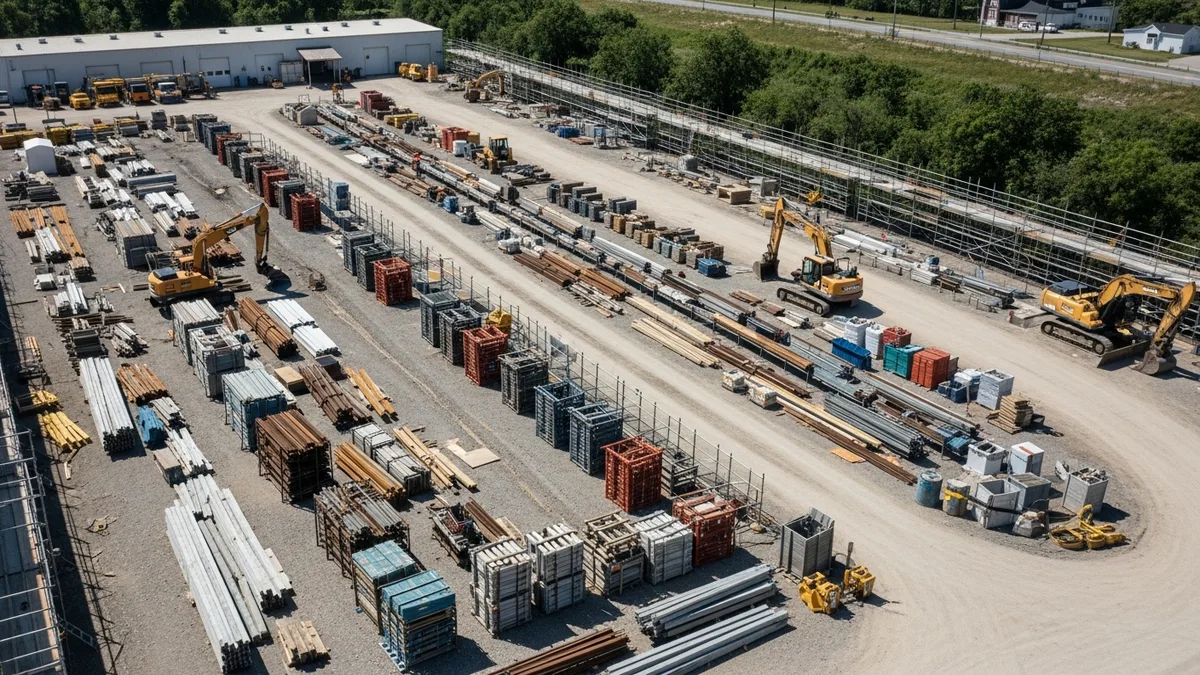
Every construction company hits the same wall at some point between November and March. The weather turns, holidays pile up, and the pressure to shut things down for a while becomes impossible to ignore. Whether you run a full seasonal shutdown or just scale back during the holidays, the way you handle that transition can make or break your next year.
This is not about theory. This is about the nuts and bolts of shutting down job sites without losing money, protecting work that is not finished, keeping your crew in the loop, and firing everything back up when the weather cooperates. If you have been winging it every winter, it is time to build an actual plan.
Why a Seasonal Shutdown Plan Matters More Than You Think
A lot of contractors treat the winter slowdown like something that just happens to them. They react instead of planning. Jobs get left half-covered. Crews find out about the shutdown a week before it happens. Cash flow goes sideways because nobody thought about billing cycles around the holidays.
The companies that come out of winter strong are the ones that treated the shutdown like a project in itself. They set dates early, communicated with everyone involved, and made deliberate decisions about what gets finished before the break and what gets buttoned up to wait.
Here is what is at stake if you skip the planning:
- Weather damage to unfinished work. Exposed framing, open roofs, and unsealed foundations are sitting ducks for rain, snow, and freeze-thaw cycles. Repairs eat into your margins fast.
- Crew turnover. If your workers do not know what to expect, they start looking for other gigs. Good help is hard enough to find without losing people to poor communication. A solid crew management approach keeps your team loyal through the slow months.
- Client frustration. Homeowners and commercial clients get nervous when their project goes quiet. A clear shutdown plan with a restart date keeps the phone from ringing off the hook in January.
- Cash flow gaps. Two to eight weeks without billing can create real problems if you have not planned for it. Your cash flow management strategy needs to account for seasonal dips.
The bottom line: a shutdown plan is not a luxury. It is a basic operating requirement for any construction company that deals with winter weather or holiday schedules.
Setting Your Shutdown Timeline and Communicating It Early
The single biggest mistake contractors make with seasonal shutdowns is waiting too long to announce them. Your shutdown timeline should be set 60 to 90 days in advance, and everyone who touches your projects needs to know about it.
Who Needs to Know
- Your crew. Full-time employees, part-time workers, and day laborers all need to know the last working day and the expected restart date. Be specific. “We will be back sometime in March” is not a plan. “We restart Monday, March 9” is a plan.
- Subcontractors. Every sub on your active jobs needs the shutdown dates in writing. This is not a casual mention at the job site. Send an email or a letter. Confirm they received it. Subs who do not know your timeline will book other work and leave you hanging in spring.
- Clients. Whether you are building a custom home or finishing a commercial tenant improvement, your clients deserve a clear explanation of the shutdown, what work will be completed before the break, and when you will be back. Put it in writing. Include it in your project updates.
- Suppliers and vendors. If you have standing material orders or scheduled deliveries, coordinate those around your shutdown dates. Nothing worse than a load of lumber showing up to a locked job site.
Building the Timeline
Work backward from your shutdown date. If you are closing down December 20, ask yourself:
- What work can realistically be finished before that date?
- What work needs to stop at a logical break point?
- How many days do you need for site winterization?
- When do final invoices need to go out to get paid before the break?
A good construction scheduling system makes this process much easier. You can see all your active jobs, crew assignments, and milestones in one view and work backward from the shutdown date without guessing.
Holiday Pay and Time-Off Policies
Get your holiday pay policies documented and shared before November. Field crews need to know if they are getting paid holidays, if PTO covers the shutdown, or if they need to file for unemployment. Surprises about pay during the holidays will cost you good workers.
Protecting Unfinished Work and Weatherproofing Job Sites
This is where the real money is on the line. A single winter storm can cause tens of thousands of dollars in damage to an unprotected job site. The time you spend buttoning up sites before shutdown is some of the most valuable work you will do all year.
The Site Protection Checklist
Every job site that will sit idle during the shutdown needs a protection plan. Here is what that looks like in practice:
Structural Protection
- Cover all exposed framing with 6-mil polyethylene sheeting or heavy-duty tarps. Secure with furring strips, not just staples. Wind will rip stapled plastic off in the first storm.
- Seal window and door openings with temporary barriers. Plywood works better than plastic for ground-level openings where wind pressure is highest.
- If the roof is not on yet, a temporary roof system is worth every penny. Shrink-wrap or scaffold sheeting can cover large open areas.
- Check that all temporary supports and bracing are solid. Snow loads and wind can topple partially framed structures.
- If work continues through cold months, plan your temporary heating and enclosure strategy before the first freeze hits.
Water and Plumbing
- Shut off water supply to the site.
- Drain all water lines, including temporary plumbing for construction use.
- Add antifreeze to any drain traps that cannot be fully drained.
- Remove hoses and disconnect any temporary water connections.
Electrical
- Shut off all temporary power unless security systems or heaters need to stay on.
- Lock all electrical panels.
- Remove extension cords and portable lighting.
Materials and Equipment
- Move stored materials to covered areas or wrap them on pallets.
- Fuel all equipment tanks to prevent condensation in fuel systems.
- Disconnect batteries on equipment that will sit idle for more than two weeks.
- Lock all equipment and remove keys from the site.
Site Security
- Install or verify construction fencing around the perimeter.
- Check that all locks, padlocks, and site access points are secure.
- If the site has security cameras, verify they are recording and that someone is monitoring them.
- Post signage warning against trespassing.
Documentation Before You Leave
Walk every site with your phone and take photos of everything. Photograph the condition of all protected areas, equipment locations, material storage, and security measures. Date-stamped photos are your insurance claim evidence if something goes wrong over the break.
Keep these photos organized by job site. When you come back in spring, you will compare the current condition against your shutdown photos to identify any damage that occurred during the break.
Managing Cash Flow and Finances Through the Slowdown
The financial side of a seasonal shutdown trips up even experienced contractors. Two months without revenue coming in will expose any weakness in your cash position.
Pre-Shutdown Billing
Read real contractor reviews and see why Projul carries a 9.8/10 on G2.
Get aggressive about billing before the shutdown. Every dollar of completed work should be invoiced before the last working day. Do not wait until January to bill for November work.
- Bill all completed work, including change orders.
- Submit all pending pay applications.
- Follow up on outstanding invoices and try to collect before the break. Clients are often trying to spend remaining budget before year-end, so December can actually be a good collection month.
- Invoice for any materials stored on site, if your contracts allow for materials billing.
Budget for the Gap
Your overhead does not stop just because the job sites are closed. Insurance premiums, equipment leases, office rent, and salaried staff all keep costing money through the shutdown. A detailed budget management plan should account for these fixed costs during low-revenue months.
Build a shutdown budget that covers:
- Fixed overhead for the shutdown period
- Equipment maintenance and storage costs
- Winterization materials and labor
- Any holiday bonuses or paid time off
- Marketing and business development (more on this below)
Use the Downtime for Financial Housekeeping
The shutdown is the perfect time to clean up your books. Reconcile accounts, update job cost reports, and review profitability on completed projects. Understanding which jobs made money and which ones bled helps you bid smarter when spring rolls around. Knowing your numbers is a big part of avoiding the traps that lead to construction company failures.
Making the Most of the Off-Season
A shutdown does not mean everything stops. The smartest contractors use the off-season to get ahead for next year. Here is where to focus your energy when the tools are put away.
Equipment Maintenance
Every piece of equipment in your fleet should get attention during the off-season. Change fluids, replace worn parts, inspect safety systems, and address any issues your operators have been reporting. Equipment breakdowns during peak season cost you far more than preventive maintenance during the slow months.
Create a maintenance log for each piece of equipment and track what was done during the shutdown. This becomes your maintenance history and helps you plan capital expenditures for replacements.
Training and Certifications
Use the downtime to get your crew trained up. OSHA certifications, first aid training, equipment operator certifications, and safety refreshers are all easier to schedule when nobody is on a job site. Investing in crew training during the off-season pays dividends in productivity and safety once work resumes.
Estimating and Business Development
The off-season is prime time for building your pipeline. While your competitors are sitting on the couch, you should be:
- Meeting with potential clients and architects
- Preparing estimates for spring projects
- Updating your estimating processes and templates
- Reviewing and updating subcontractor agreements
- Attending industry events and trade shows
The work you do on business development during the shutdown directly affects how busy you are in April and May.
Office and Systems Cleanup
When is the last time you cleaned up your project management system, updated your contact lists, or organized your digital files? The shutdown is the time. Get your systems in order so that when the spring rush hits, you are not digging through old folders looking for a contract template.
Ramping Back Up: The Spring Restart Plan
Getting back to full speed after a shutdown is its own challenge. You cannot just flip a switch and expect everything to run smoothly on day one. A restart plan is just as important as a shutdown plan.
Two Weeks Before Restart
- Contact all subcontractors. Confirm their availability for your restart date. Get written confirmations. If anyone backed out during the break, start lining up replacements immediately.
- Inspect all job sites. Walk every site and compare conditions against your shutdown photos. Document any damage, vandalism, or weather-related issues. File insurance claims immediately for anything significant. If theft or break-ins are a recurring problem, our construction site security and theft prevention guide covers deterrent systems that work over long shutdowns.
- Check equipment. Start engines, check fluid levels, test hydraulics, and verify that all equipment is operational. Better to find a dead battery now than on the first day back.
- Order materials. Confirm delivery dates for materials needed in the first two weeks of work. Suppliers get slammed with orders in spring, so early ordering prevents delays.
- Update schedules. Rebuild your project schedules with current information. Account for any weather delays, damage repairs, or subcontractor changes that affect the timeline.
First Week Back
The first week back should be about getting organized, not about maximum production. Use this week to:
- Hold crew meetings to review project status and priorities
- Walk all job sites with crew leads and review scope of work
- Verify all permits are current and inspections are scheduled
- Test all temporary utilities (power, water, lighting)
- Confirm that all safety equipment is in place and functional
Common Restart Mistakes
- Trying to do too much on day one. Your crew needs a day or two to get their legs back under them. Pushing for full production immediately leads to mistakes and injuries.
- Not re-inspecting before resuming work. Things shift, settle, and move during winter. Do not assume everything is exactly how you left it.
- Forgetting to re-engage clients. Send a restart notification to every client at least a week before work resumes. Let them know what to expect in the first week back.
- Ignoring the backlog. You probably accumulated leads and inquiries during the shutdown. Make sure someone is following up on every one. Your backlog management process should kick into high gear during the restart.
Building a Repeatable Shutdown System
The goal is not to figure this out from scratch every year. You want a repeatable system that your team can execute without you having to micromanage every step.
Create a Shutdown Playbook
Document everything from this article into a playbook specific to your company. Include:
- Standard shutdown and restart dates (even if they shift slightly year to year)
- The site protection checklist customized for your typical project types
- Communication templates for clients, subs, and crew
- The financial checklist for pre-shutdown billing and budgeting
- Equipment maintenance schedules and logs
- Training goals for each off-season
Assign Ownership
Every element of the shutdown plan needs an owner. Site protection is not “everyone’s job.” It is a specific person’s job on each project. The same goes for equipment maintenance, client communication, and financial wrap-up.
Debrief After Every Restart
Within two weeks of restarting, hold a debrief meeting. What went well with the shutdown? What got missed? Was there damage that better preparation could have prevented? Did any subs bail? Was cash flow tight?
Take notes and update your playbook. Each year, your shutdown process should get tighter and more predictable.
The Technology Factor
Construction management software makes all of this dramatically easier. When your schedules, job notes, client communications, and financial data live in one system, planning a shutdown is a matter of running reports and updating timelines instead of digging through spreadsheets and text messages.
Projul gives you visibility across all your projects from a single dashboard. You can see which jobs need to hit certain milestones before shutdown, track your billing status, and communicate with your team and subs through one platform. When spring hits, all your project data is right where you left it, ready to pick back up.
Ready to stop guessing and start managing? Schedule a demo to see Projul in action.
Seasonal shutdowns are a fact of life in construction. The companies that treat them as planned events instead of disruptions come out ahead every single year. Start your planning early, protect your work, take care of your people, and use the downtime to get better. When the weather breaks and everyone else is scrambling to get going, you will already be two steps ahead.
Frequently Asked Questions
How far in advance should a construction company plan for a seasonal shutdown?
What is the best way to protect an unfinished construction project over winter?
How do construction companies handle employee pay during a holiday shutdown?
Should I schedule maintenance on equipment during the off-season?
How do I keep subcontractors committed to my projects after a long winter break?
Related Articles

How to Implement Construction Software Without Losing Your Mind
Most construction software rollouts fail. Not because the software is bad, but because the rollout was rushed. Here are...
Read More →
How Selections Can Pay for Themselves in Three Easy Steps
Most contractors lose thousands each year on wrong material orders, slow client decisions, and missed upsell chances....
Read More →
3 Free Concrete Estimate Templates for Every Pour Type (2026)
Three ready-to-use concrete estimate templates with realistic line items, material costs, labor rates, and markup...
Read More →