
Solar Installation Guide for General Contractors
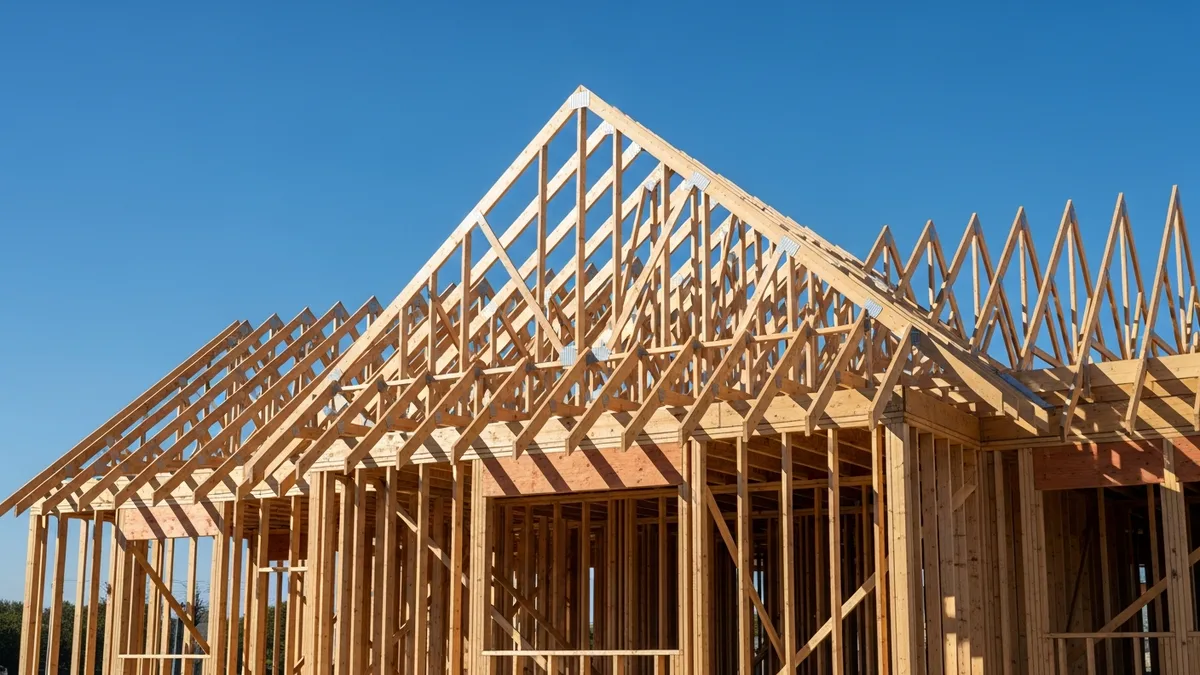
If you have been in the GC game for any length of time, you have noticed the same thing the rest of us have: solar projects are everywhere now. Commercial building owners want panels on their roofs. Developers are putting up ground-mount arrays on vacant land. Municipalities are adding solar canopies over parking lots. And somebody has to coordinate all of it.
That somebody is usually us.
Solar installation might look straightforward from the outside. Bolt some panels to a roof, wire them up, flip the switch. But anyone who has actually run one of these projects knows the reality is a lot messier. You are juggling structural engineers, roofers, electricians, the utility company, inspectors, and a client who wants everything done yesterday. Miss one step in the sequence and the whole schedule falls apart.
This guide breaks down what GCs actually need to know about coordinating solar panel installation projects, whether you are managing a rooftop system on an existing building or a ground-mount array built from scratch.
Understanding the Two Main Project Types: Rooftop vs. Ground-Mount
Before you even start planning, you need to understand that rooftop and ground-mount solar projects are fundamentally different animals. They share some common elements like electrical work and permitting, but the site conditions, structural requirements, and coordination challenges are not the same.
Rooftop projects mean you are working on an existing structure. The building was not necessarily designed to hold solar panels, so structural assessment comes first. You are dealing with roof penetrations, waterproofing concerns, and the limitations of whatever roof system is already in place. Access can be tricky, especially on multi-story commercial buildings. And you need to keep the building operational while work happens overhead.
Ground-mount projects give you more control over the site but introduce their own complications. You are essentially building a small structure from the ground up, which means foundations, grading, trenching for conduit, and potentially dealing with soil conditions, drainage, and environmental concerns. The good news is you are not worrying about an existing roof. The bad news is you might be dealing with land use permits, environmental reviews, and site work that adds weeks to the schedule.
Many GCs who are comfortable with one type get caught off guard by the other. If your background is in commercial roofing, ground-mount work will feel foreign. If you have mostly done site work and foundations, the rooftop coordination will trip you up. Know which type you are dealing with and plan accordingly.
For GCs getting into solar alongside other green building work, our green building guide covers the broader picture of sustainable construction practices that often go hand in hand with solar projects.
Pre-Construction Planning and Permit Coordination
Solar projects live and die by what happens before anyone picks up a tool. The pre-construction phase is where you set yourself up for success or create problems that haunt you for months.
Site assessment is step one. For rooftop projects, get a structural engineer on site early. They need to evaluate the roof’s load capacity, check the condition of the existing roof membrane or surface, and identify any areas that need reinforcement. Do not skip this or try to eyeball it. A roof that cannot handle the additional dead load from panels, racking, and ballast is a project-killing problem.
For ground-mount projects, you need a geotechnical survey to understand soil conditions. The type of foundation you use, whether that is driven piles, helical piers, or concrete footings, depends entirely on what is underground. Rocky soil, high water tables, and expansive clay all change the game.
Permitting on solar projects is its own beast. You are typically dealing with:
- Building permits (structural and electrical)
- Electrical permits specifically for the solar system
- Utility interconnection applications
- Zoning approvals (especially for ground-mount)
- Environmental reviews when applicable
The interconnection application to the utility is the one that catches most GCs off guard. This is not a building department permit. It goes through the local utility company, and their review process can take anywhere from two weeks to six months depending on system size and grid capacity. File this as early as humanly possible.
If you are not already familiar with construction permitting workflows, our permits guide walks through the general process. Solar adds a few extra layers on top of the standard approach.
Design coordination needs to happen in parallel with permitting. The solar designer or engineer of record produces the system layout, structural attachment details, and electrical one-line diagrams. As the GC, you need to make sure these documents are coordinated with the actual building conditions. I cannot count the number of times a solar design showed panels over a roof section that had HVAC equipment, skylights, or other obstructions that nobody bothered to field-verify.
Get your estimating right from the start. Solar projects have a lot of material components, from racking and mounting hardware to inverters and electrical gear, and lead times on some of this equipment can run 8 to 12 weeks. Use a solid estimating process to capture every line item and build lead times into your procurement schedule.
Subcontractor Coordination and Sequencing
This is where solar projects get complicated. You are coordinating multiple specialty trades that all need to work in a specific sequence, and if one sub falls behind, it cascades through the entire project.
Here is the typical trade sequence for a rooftop solar installation:
-
Roofer - Any roof repairs or replacement happen first. If the existing roof has less than 10 years of useful life remaining, replace it before installing solar. Nobody wants to remove a solar array in five years to fix a leaky roof.
-
Structural reinforcement (if needed) - Steel or wood reinforcement to bring the roof structure up to the required load capacity.
-
Solar racking installer - Mounts the racking system to the roof structure, including all penetrations and waterproofing.
-
Solar panel installer - Mounts the panels to the racking. Sometimes the same crew as step 3, sometimes a different sub.
-
Electrician - Runs DC wiring from panel strings to inverters, installs inverters, runs AC wiring to the point of interconnection, and handles all grounding.
-
Utility coordination - Meter installation and interconnection.
For ground-mount projects, the sequence looks more like traditional construction:
- Site work - Clearing, grading, erosion control
- Foundation contractor - Driven piles, helical piers, or concrete work
- Racking/structural steel - Mounting structure assembly
- Trenching - Conduit runs from the array to the electrical equipment
- Panel installation
- Electrical - Same scope as rooftop but with longer conduit runs
The critical handoff points are where things go wrong. The roofer-to-racking transition on rooftop projects is the most common trouble spot. If the roofer is not done, the racking crew cannot start. If the racking crew rushes and damages the new roof membrane, you are pulling the roofer back for warranty repairs.
On the electrical side, solar work overlaps significantly with standard construction electrical. If you are running solar on a new building, your electrical sub needs to coordinate the solar interconnection with the main electrical service. Our electrical rough-in guide covers the fundamentals of electrical coordination that apply here too.
Managing all these subs requires clear communication and a system that keeps everyone on the same page. The days of managing sub schedules with phone calls and spreadsheets do not scale when you have six or seven trades rotating through a solar project. A dedicated subcontractor management approach makes the difference between a smooth project and constant fire drills.
Scheduling Challenges Unique to Solar Projects
Solar projects have scheduling quirks that you will not find on a typical commercial build. Understanding these upfront saves you from making promises you cannot keep.
Utility interconnection timelines are the biggest wildcard. You can finish the physical installation in six weeks, but if the utility takes three months to approve and install the meter, your client is staring at a completed system that cannot be turned on. This is not something you can speed up with overtime or extra crews. It is a bureaucratic process with its own timeline.
Smart GCs file the interconnection application at the very beginning of the project, sometimes even before breaking ground. The goal is to have utility approval in hand by the time your electrical sub finishes their work.
Equipment lead times are another scheduling trap. Solar panels themselves are usually available, but inverters, transformers, switchgear, and specialty mounting hardware can have lead times of 8 to 16 weeks. If you do not order early, you will have crews sitting idle waiting for gear to show up.
Weather sensitivity hits solar projects harder than most construction. Rooftop solar work requires dry conditions for waterproofing and safe working conditions for crews at height. High winds shut down crane operations and panel handling. Even ground-mount work stops when the site is muddy enough to prevent equipment access.
Read real contractor reviews and see why Projul carries a 9.8/10 on G2.
Build a realistic schedule that accounts for these factors. Use a proper scheduling tool that lets you set dependencies between tasks, flag long-lead items, and adjust timelines when weather or supply chain issues hit. The contractors who succeed with solar are the ones who schedule conservatively and communicate proactively when things shift.
Inspection sequencing adds another layer. Most jurisdictions require multiple inspections on solar projects:
- Structural attachment inspection (before panels go on)
- Rough electrical inspection (DC and AC wiring before covers)
- Final electrical inspection
- Final building inspection
- Utility inspection before interconnection
Each inspection is a potential hold point. If your inspector finds an issue, that trade has to come back and fix it before the next trade can proceed. Build inspection days into your schedule with buffer time for corrections.
Safety and Compliance on Solar Job Sites
Solar projects come with specific safety risks that your standard job site safety plan may not cover. Falls from height are the obvious one on rooftop work, but electrical hazards during solar installation are serious and sometimes overlooked.
Fall protection on rooftop solar projects follows the same OSHA standards as any roofing work: fall protection is required at six feet or more in commercial construction. But solar work often happens on finished roofs where traditional guardrail systems are not practical. Your fall protection plan needs to address:
- Anchor points rated for fall arrest that do not compromise the roof membrane
- Personal fall arrest systems for every worker on the roof
- Warning line systems for workers not near the edge
- Controlled access zones during roof penetration work
Electrical safety during solar installation is unique because solar panels generate electricity as soon as sunlight hits them. You cannot “turn off” a solar panel. DC voltage from a string of panels can reach 600 volts or higher, which is enough to kill someone. Your electrical sub must follow NFPA 70E and lock-out/tag-out procedures, and every worker on site needs to understand that the panels are energized during daylight hours.
Crane and rigging safety applies when lifting panels, racking materials, or inverters to rooftops. Make sure your crane operator has line-of-sight or a qualified signal person, that the lift plan accounts for wind conditions, and that the landing zone on the roof is clear and structurally adequate for the concentrated load.
Code compliance goes beyond building codes. Solar installations must meet:
- NEC (National Electrical Code) Article 690 for solar photovoltaic systems
- NEC Article 705 for interconnected power sources
- Local fire code requirements for rooftop access pathways and setbacks
- Structural codes for wind and snow loading on the array
If your project is on an existing building, you may also trigger code upgrade requirements. Adding solar to an older building sometimes means bringing other building systems up to current code, which can expand your scope significantly.
Rooftop-Specific Considerations That Trip Up GCs
If you are managing a rooftop solar project, especially on an existing building, there are several issues that catch even experienced GCs by surprise.
Roof warranty coordination is a big one. Most commercial roofs have manufacturer warranties that become void if unauthorized penetrations are made. Before your racking sub drills a single hole, you need written approval from the roof membrane manufacturer or confirmation that the installation method (such as ballasted systems with no penetrations) will not affect the warranty. Get this in writing. Verbal assurances from a sales rep are worthless when a leak develops two years later.
If the building needs roof work before solar goes on, coordinate that scope carefully. Our roofing project management guide covers the nuances of managing roofing subs and warranty requirements.
Structural loading calculations must account for more than just the weight of the panels. You need to consider:
- Dead load: panels, racking, ballast (if used), and wiring
- Live load: maintenance personnel walking on the array
- Wind uplift: solar panels act as sails, and wind forces on a rooftop array can be significant
- Snow load: panels collect snow differently than a flat roof surface
- Seismic load: in seismic zones, the array must be designed for earthquake forces
A common mistake is using generic load tables from the racking manufacturer without having a structural engineer verify them against the specific building’s capacity. Every building is different. The same racking system that works fine on a steel-framed warehouse might overload a wood-truss office building.
Roof access and logistics are often underestimated. Getting panels, racking, and equipment onto the roof requires either a crane, a material hoist, or a lot of manual labor up ladders and through stairwells. Plan your material staging and delivery sequence carefully. You do not want 500 solar panels sitting on one section of a roof that was not designed for that concentrated load.
Conduit routing from the roof to the electrical room can be surprisingly complicated. The DC wiring from the solar array needs to get from the roof to the inverter location, which might be on the roof, in a mechanical room, or on the ground outside the building. Plan the conduit path early and coordinate it with the building owner so you are not running conduit through occupied spaces without warning.
Fire code setbacks require clear pathways on the roof for firefighter access. In most jurisdictions, you need a minimum three-foot-wide clear perimeter around the roof edges and pathways to roof access points. These setbacks reduce the usable roof area for solar panels, and many designers do not account for them properly in the initial layout. Verify setback requirements with your local fire marshal before finalizing the panel layout.
Putting It All Together: Running a Successful Solar Project
The GCs who consistently deliver successful solar projects share a few common habits.
They start early. Permit applications, utility interconnection filings, and equipment orders all go out as early as possible. The physical installation is usually the shortest phase of a solar project. Everything before and after it takes longer than you expect.
They communicate constantly. Weekly coordination meetings with all subs, the solar designer, and the client keep everyone aligned. When the schedule shifts, and it will, everyone hears about it the same day. Not a week later when the next trade shows up and finds out the site is not ready.
They document everything. Photos of every roof penetration before it is sealed. Inspection reports filed the same day. Change orders processed in real time, not batched at the end of the month. The documentation on solar projects is heavier than most construction because the utility, the building department, and often a third-party inspector all want records.
They invest in the right tools. Managing a solar project with sticky notes and memory is a recipe for missed inspections, scheduling conflicts, and cost overruns. The successful GCs use project management software that handles scheduling, estimating, subcontractor coordination, and documentation in one place. If you are not already using a system built for construction, see what Projul can do for your solar and general construction projects.
They build relationships with solar-specific subs. The electrical contractor who is great at commercial tenant improvements might not have the DC solar wiring experience you need. The roofer who does excellent work might not understand how to coordinate with a racking installer. Find subs who have done solar work before and keep them close. As the solar market grows, these experienced subs will be in high demand.
Solar construction is not going away. The federal tax credits, state incentives, and corporate sustainability goals driving this market are only getting stronger. GCs who figure out the coordination challenges now will have a serious competitive advantage as these projects become a bigger share of the construction pipeline.
See how Projul makes this easy. Schedule a free demo to get started.
For the technical details on racking systems, flashing, and structural load calculations, our solar panel roof mounting guide goes deeper into the hardware side of rooftop installations. If you’re exploring the broader sustainability market, our green building and sustainable construction guide covers materials, certifications, and how to market eco-friendly services to clients.
The work is not fundamentally different from what we already do. It is still about managing trades, hitting schedules, keeping inspectors happy, and delivering a quality product. The details are just different enough to trip you up if you are not prepared. Plan ahead, coordinate tightly, and do not underestimate the permitting and utility timelines. That is the formula.
Frequently Asked Questions
How long does a typical commercial solar installation take from permit to final inspection?
What structural assessments are needed before installing rooftop solar panels?
Who is responsible for the electrical work on a solar installation project?
Do ground-mount solar projects require different permits than rooftop installations?
How do GCs handle weather delays on solar installation projects?
Related Articles
Construction Home Addition Management: What Every GC Needs to Know
Home additions are some of the most profitable and most complex residential projects a GC can take on. Here's what you...
Read More →
Construction Pool Building Guide: What Every GC Needs to Know
Pool construction is one of the most coordination-heavy projects a GC can take on. This guide breaks down what you...
Read More →
Design-Build vs. Design-Bid-Build: A Contractor's Honest Comparison
Design-build and design-bid-build are two fundamentally different ways to deliver a construction project. This guide...
Read More →