
Special Inspections and Structural Observations in Construction: A Complete Guide | Projul
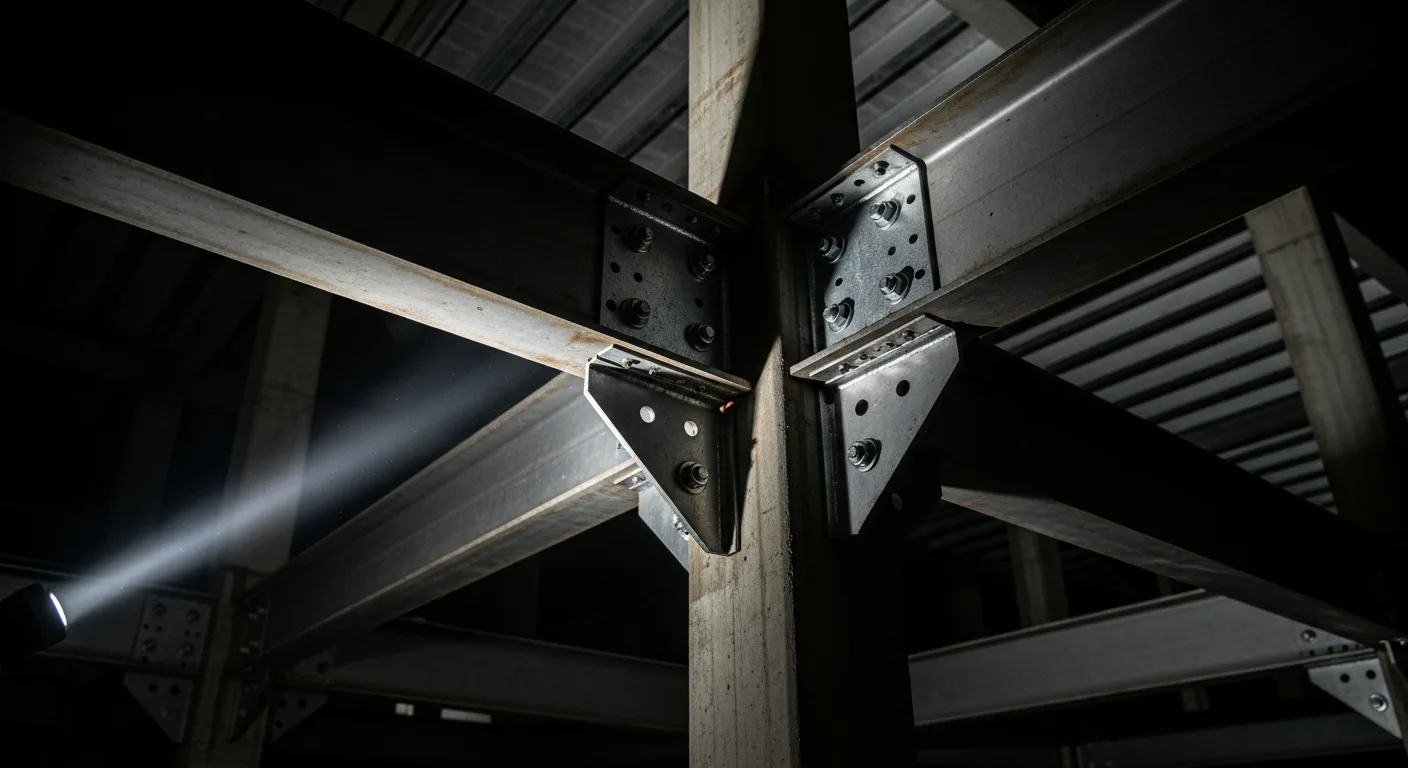
Every contractor has dealt with inspections. The city inspector shows up, checks the work, signs off, and you move on. Special inspections are different. They are an additional layer of quality verification required by the building code for structural work where the consequences of failure are severe. Getting them wrong, or forgetting them entirely, can mean tearing out completed work and starting over.
This guide explains what special inspections and structural observations are, when they are required, who performs them, and how contractors can manage them without blowing the schedule.
What Are Special Inspections?
Special inspections are detailed, on-site inspections of specific construction operations that go beyond the standard plan review and field inspections performed by the local building department. They are required by Chapter 17 of the International Building Code (IBC) for work involving structural systems where quality control during construction is critical to the safety of the finished building.
The concept is straightforward: certain types of construction work, like welding structural steel connections or placing concrete in a shear wall, require someone qualified in that specific discipline to watch the work and verify it meets the approved design documents and reference standards.
Why Standard Building Inspections Are Not Enough
A municipal building inspector covers a wide range of trades and code requirements. They verify general code compliance, but they are not typically specialists in structural steel welding or concrete placement. The building department inspection schedule may not align with when specific structural operations are happening.
Special inspections fill that gap by putting a qualified specialist on site during the specific operations that matter most to structural performance.
The Legal Framework
IBC Chapter 17
Chapter 17 of the IBC establishes the requirements for special inspections, testing, and structural observations. It specifies:
- Which types of construction require special inspections
- Whether inspections must be continuous or periodic
- Qualifications for inspectors and inspection agencies
- Reporting requirements
- The roles of the owner, contractor, engineer, and building official
The Statement of Special Inspections
Before construction begins, the registered design professional (usually the structural engineer of record) prepares a Statement of Special Inspections. This document is project-specific and lists:
- Every special inspection required on the project
- The reference standard for each inspection (ACI 318 for concrete, AWS D1.1 for steel welding, TMS 402/602 for masonry, etc.)
- Whether each inspection is continuous or periodic
- The testing requirements associated with each inspection
- The name of the approved inspection agency
This document is submitted to the building official as part of the permit application. It is also the contractor’s roadmap for knowing which operations require an inspector present.
Who Hires the Special Inspector?
The IBC requires the building owner to retain and pay for the special inspection agency. This is intentional. Keeping the inspector independent of the contractor removes the conflict of interest that would exist if the contractor were paying for the inspections of their own work.
In practice, the owner often relies on the architect or engineer to recommend an inspection agency. The contractor’s role is to coordinate scheduling so the inspector can observe the work.
Types of Special Inspections
Structural Concrete
Concrete special inspections are among the most common. They cover:
During placement (continuous):
- Verification of concrete mix design and delivery tickets against the approved mix
- Slump testing, air content testing, and temperature checks at the point of delivery
- Observation of placement methods, vibration (consolidation), and curing
- Verification that rebar placement matches the structural drawings (size, spacing, cover, lap lengths, and tie wire)
- Confirmation that formwork is adequate and properly supported
Testing:
- Casting of test cylinders for compressive strength testing at 7 and 28 days
- Cylinder curing and transport per ASTM C31
- Compressive strength testing per ASTM C39
Periodic inspections:
- Verification of reinforcement before placement (mill certificates, sizes, grades)
- Post-tensioning tendon installation and stressing operations
- Grouting of post-tensioning ducts
If a concrete placement is made without the special inspector present when continuous inspection is required, the building official can reject the work. This can mean core drilling for strength verification, load testing, or in the worst case, removal and replacement.
Structural Steel
Steel special inspections cover fabrication shop work and field operations:
Welding (continuous during welding operations):
- Verification of welder qualifications and certifications
- Inspection of weld joint preparation (fit-up, cleanliness, preheat temperature)
- Visual inspection of completed welds per AWS D1.1
- Nondestructive testing (NDT) of welds: ultrasonic testing (UT), magnetic particle testing (MT), or radiographic testing (RT) as specified
High-strength bolting (periodic):
- Verification of bolt, nut, and washer assemblies (lot numbers, markings, storage conditions)
- Pre-installation verification testing
- Observation of installation methods (turn-of-nut, calibrated wrench, twist-off type, or direct tension indicator)
- Verification of snug-tight and fully tensioned conditions per RCSC specifications
Fabrication shop inspection:
- Verification that fabricated members match the approved shop drawings
- Dimensional checks
- Surface preparation and coatings
Structural Masonry
Masonry special inspections are required for all masonry that is part of the structural system:
Continuous inspection items:
- Grouting of masonry cells (observation of grout placement, vibration, and consolidation)
- Placement of reinforcement in grouted cells
Periodic inspection items:
- Verification of masonry units (CMU, brick) against specifications
- Mortar proportioning and mixing
- Mortar joint quality and thickness
- Grout mix proportioning
Testing:
- Mortar cube tests (ASTM C109)
- Grout prism tests (ASTM C1019)
- Masonry prism tests for compressive strength (ASTM C1314)
Soils and Earthwork
Geotechnical special inspections cover:
- Fill placement and compaction (nuclear density testing or sand cone testing)
- Verification of bearing capacity at foundation subgrade
- Proof rolling of subgrade
- Observation of excavation conditions versus the geotechnical report
Deep Foundations
Driven piles and drilled shafts require special inspection of:
- Pile driving: hammer energy, blow counts, penetration rates, and final set
- Drilled shaft installation: hole diameter, depth, bottom cleanliness, rebar cage placement, and concrete placement
- Load testing: static load tests, high-strain testing (PDA), or Osterberg cell tests
Other Required Special Inspections
The IBC also requires special inspections for:
- Sprayed fireproofing: Thickness, density, and bond testing
- Post-installed anchors: Installation torque, embedment depth, and proof testing
- Wood construction: Connections using metal connectors, hold-downs, and engineered wood products
- Cold-formed steel: Welding and screw connections
- EIFS (Exterior Insulation and Finish Systems): Installation and adhesion
- Smoke control systems: Testing and verification
Structural Observations
Structural observation is a separate requirement from special inspection. It is performed by the structural engineer of record (SER) or their designee, not by the special inspection agency.
What Structural Observation Involves
The SER makes periodic visits to the construction site to observe the general progress of the structural work and confirm that it conforms to the approved design documents. These visits are not as frequent or detailed as special inspections. The engineer is looking at the big picture:
- Are the structural systems being built as designed?
- Are the load paths correct?
- Are there any field conditions that differ from the design assumptions?
- Do field modifications or RFIs need engineering review?
When Structural Observation Is Required
The IBC requires structural observation for:
- Structures in Seismic Design Categories D, E, and F
- Structures classified as Risk Category III or IV (essential facilities, high-occupancy buildings)
- When specifically required by the building official
Many jurisdictions and project specifications also require structural observation for large or complex projects regardless of seismic category.
Reporting
The SER documents their observations in written reports submitted to the owner, the building official, and the contractor. At project completion, the SER provides a final letter confirming that the structural work generally conforms to the approved design. This letter is typically required before the building official issues a certificate of occupancy.
The Contractor’s Role in Special Inspections
The contractor does not hire or pay for special inspections, but the contractor’s actions directly determine whether those inspections go smoothly or cause expensive problems.
Scheduling and Coordination
The number one issue contractors face with special inspections is timing. The inspector must be present before and during the specific operation. If you pour concrete without calling the inspector, you may have to remove and replace that concrete.
Build inspection holds into your schedule:
- Rebar inspection before formwork is closed and concrete is placed
- Pre-pour inspection of formwork, embeds, and blockouts
- Continuous presence during concrete placement
- Welding inspection before, during, and after each welding operation
- Bolt inspection during and after installation of high-strength bolted connections
Call the inspection agency at least 24 to 48 hours before each required inspection. For concrete pours, confirm the date, start time, estimated duration, and volume.
Access and Cooperation
The inspector needs physical access to observe the work. This means ladders, scaffolding, or lift access to reach elevated connections, adequate lighting for weld inspection, and cleared work areas.
The inspector also needs access to documentation: approved shop drawings, structural drawings, mix designs, welder certifications, and bolt lot certifications. Have these available on site.
Responding to Deficiencies
When a special inspector identifies a deficiency, such as an undersized weld, improper bolt installation, or concrete that does not meet the specified slump, the contractor must correct the issue. The inspector does not have authority to approve alternative solutions. Corrections are made per the engineer’s direction, and the inspector re-inspects the corrected work.
Do not argue with the inspector on site. If you disagree with a finding, discuss it with the engineer of record. The inspector is documenting facts based on the approved documents and standards.
Common Special Inspection Problems
Forgetting to schedule the inspector. This is the most frequent and most expensive mistake. Work that needed inspection gets covered up, and now you are tearing it open for verification.
Proceeding without inspection hold clearance. Some contractors treat inspection holds as suggestions rather than requirements. They are requirements. The building official can issue a stop-work order for violations.
Inadequate documentation. Inspectors generate daily reports. The contractor should review these reports promptly and address any deficiencies before they accumulate. A stack of unresolved inspection deficiencies at the end of the project can delay the certificate of occupancy.
Insufficient lead time for testing. Concrete cylinder breaks take 28 days. Weld NDT takes days to schedule and perform. Build testing timelines into the project schedule from the start.
Unclear scope. Sometimes the Statement of Special Inspections is vague about which elements require inspection. Clarify with the engineer before construction starts, not when the inspector shows up and questions arise.
Managing Special Inspections with Project Software
Special inspections generate significant documentation: daily reports, test results, deficiency notices, correction verifications, and final sign-off letters. Tracking all of this across multiple inspection types, multiple trades, and multiple inspection agencies requires a system.
Projul helps contractors schedule inspection holds, track deficiency resolution, and maintain the documentation that the building official and engineer need for project closeout. When the certificate of occupancy depends on a complete special inspection record, having everything organized in one place saves weeks of scrambling at the end of the job.
Building Official’s Role
The building official reviews the Statement of Special Inspections before issuing the building permit and verifies that the required inspections were completed before issuing the certificate of occupancy. They have the authority to:
- Approve or reject the proposed inspection agency
- Require additional inspections beyond the minimum IBC requirements
- Stop work if required inspections are not being performed
- Withhold the certificate of occupancy until all inspection records are complete and deficiencies are resolved
The building official is the final authority. Maintaining a positive, transparent relationship with their office makes the entire process smoother.
Wrapping Up
Special inspections and structural observations exist because the consequences of structural failure are too severe to rely on contractor self-certification alone. They add cost and scheduling complexity to every project, but they also provide the quality assurance that protects everyone: the owner, the occupants, the contractor, and the design team.
The contractors who manage special inspections well are the ones who build them into their schedule from day one, maintain open communication with the inspection agency and the engineer, and treat inspection holds as non-negotiable milestones rather than inconveniences.
Plan for them, schedule them, and let the inspectors do their job. The project will be better for it.
Frequently Asked Questions
What is a special inspection in construction?
Who pays for special inspections?
What is the difference between special inspection and structural observation?
What qualifications does a special inspector need?
What happens if work is done without the required special inspection?
What types of construction require special inspections?
What is continuous versus periodic special inspection?
What is a Statement of Special Inspections?
Related Articles

BIM Clash Detection: How to Catch Conflicts Before They Cost You on the Jobsite
BIM Clash Detection: How to Catch Conflicts Before They Cost You on the Jobsite Every contractor has a story about the...
Read More →
Asphalt Paving and Compaction Guide: Mix Types, Laydown Temperatures, and Quality Testing
Asphalt paving looks straightforward from a distance. A truck dumps material, the paver lays it down, and rollers...
Read More →
Construction Jobsite Wi-Fi & Connectivity Guide: Setting Up Reliable Internet in the Field
A practical guide to getting reliable internet on construction job sites. Learn about cellular hotspots, mesh networks,...
Read More →