
Swimming Pool & Aquatic Facility Construction Guide | Projul
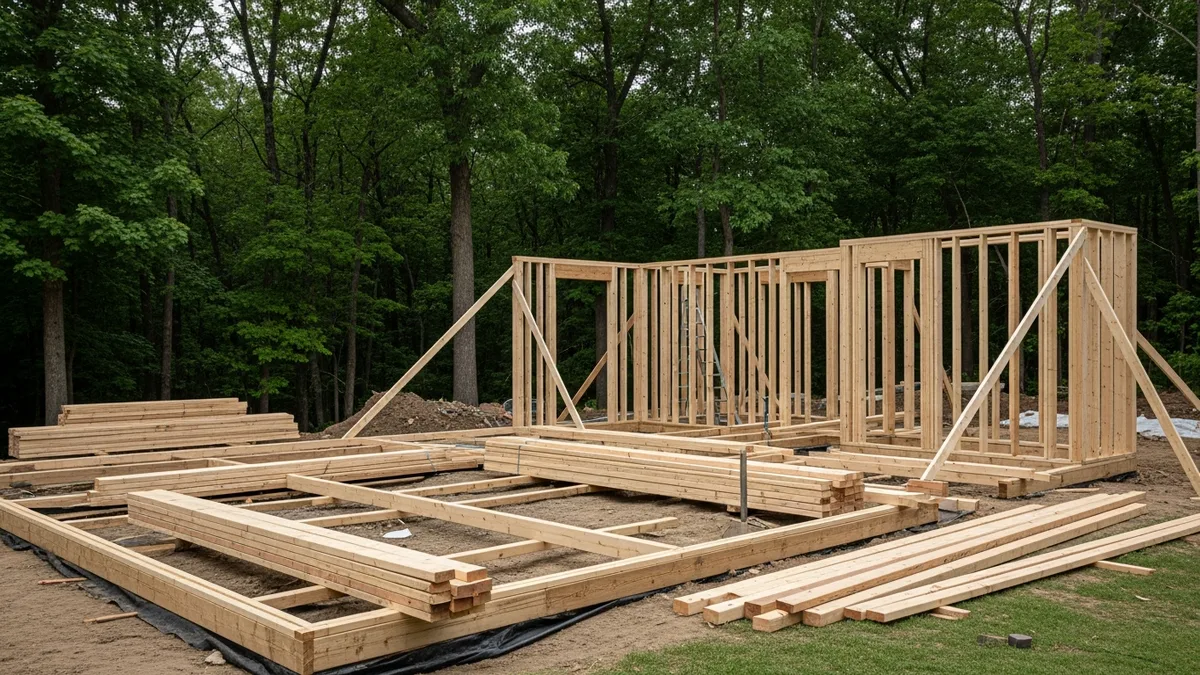
Building a swimming pool or aquatic facility is one of the most coordination-heavy projects in construction. You are dealing with excavation, structural engineering, plumbing, electrical, concrete, tile, decking, fencing, and landscaping, all on a single project that might sit in someone’s backyard. Commercial aquatic facilities crank up the complexity even further with health department regulations, ADA compliance, and mechanical systems that rival small industrial plants.
Whether you are a general contractor adding pool construction to your services or a specialty pool builder looking to tighten up your operations, this guide walks through the major phases of pool and aquatic facility construction from the dirt up.
Choosing Your Pool Type: Gunite/Shotcrete vs. Vinyl vs. Fiberglass
The shell type you choose dictates your entire construction timeline, your subcontractor lineup, and your budget. Each approach has real trade-offs that go beyond what the sales brochures tell homeowners.
Gunite and Shotcrete Pools
These are the gold standard for custom residential and commercial pools. A crew builds a rebar cage inside the excavated hole, then applies concrete pneumatically. Gunite uses a dry mix with water added at the nozzle. Shotcrete arrives pre-mixed and wet. Both produce a monolithic concrete shell that can take virtually any shape, depth, or feature you can draw up.
The upside is total design freedom. Vanishing edges, beach entries, grottos, integrated spas, tanning ledges - if you can frame it in steel, you can shoot it. The shell is incredibly strong and will last decades with proper maintenance.
The downside is time and cost. A gunite pool typically takes 8 to 12 weeks from dig to swim. You need a skilled nozzle operator, and the curing process takes time. You are also looking at plastering or finishing the interior surface after the shell cures, which adds another trade and another scheduling window.
Vinyl Liner Pools
Vinyl liner pools use a prefabricated wall panel system, usually steel or polymer, set on a sand or vermiculite floor. A custom-cut vinyl liner drops over the structure and holds water against the walls and floor.
These pools cost less upfront and go in faster than gunite, typically 4 to 8 weeks. The wall panels arrive pre-engineered, so your framing phase is more assembly than fabrication. For contractors working in markets where budget is the primary driver, vinyl liner pools keep you competitive.
The trade-off is durability and design limitations. Liners need replacing every 7 to 12 years. Shape options are limited to what the panel manufacturers offer. And you cannot easily add features like raised walls or integrated spillovers without significant custom work.
Fiberglass Pools
Fiberglass pools arrive as a one-piece shell on a flatbed truck. You excavate, set the shell, backfill, and connect plumbing. The speed advantage is real - some crews turn these around in 3 to 6 weeks.
The constraints are size and shape. You are limited to what fits on a truck and what the manufacturer molds. If your client wants a 50-foot lap pool or an irregular freeform shape, fiberglass is probably not the answer. Access to the backyard matters too. If you cannot get a crane and a truck close enough, the delivery alone becomes a project.
For contractors looking at how different project types affect job costing and accounting, pool type selection is where the financial picture starts taking shape.
Plumbing and Filtration Rough-In
Pool plumbing is its own specialty, and getting it wrong is expensive. You are burying PVC lines in dirt and concrete that nobody wants to dig up later.
Supply and Return Lines
A standard residential pool uses 1.5-inch to 2-inch PVC for supply and return lines. The pump pulls water from the pool through skimmers and a main drain, pushes it through the filter, heater, and any treatment system, then returns it through wall fittings or floor returns. Line sizing, run lengths, and the number of fittings all affect flow rate and pump sizing. Get the hydraulic calculations right before you glue a single joint.
Skimmers, Main Drains, and Suction Lines
Most residential pools use one or two skimmers and a main drain connected to the pump suction side. The Virginia Graeme Baker Act (federal law) requires anti-entrapment drain covers and, in many cases, dual main drains on all public and commercial pools. Even on residential builds, installing dual drains is becoming standard practice and is required by code in several states.
Equipment Pad Layout
Your pump, filter, heater, salt cell or chemical feeder, automation controller, and any water features all live on the equipment pad. Plan this area early. Contractors who treat the equipment pad as an afterthought end up with a rats’ nest of plumbing that is impossible to service. Leave room for a technician to work around every piece of equipment.
Inspection Timing
Plumbing rough-in gets inspected before you shoot concrete or backfill. This is a hard stop in your schedule. If your plumber is not done, your shotcrete crew sits idle and your timeline slips. Build buffer into your crew scheduling for this phase because inspectors do not work on your timeline.
Deck Work, Coping, and Surrounding Hardscape
The deck is what your client sees and walks on every day. It is also where a lot of construction defect claims originate if drainage, expansion joints, or materials are not handled correctly.
Coping and Bond Beam
Coping is the cap that sits on top of the pool wall. On gunite pools, the bond beam is the top of the concrete shell, and coping stones or pavers are set on top of it. This is the transition point between pool and deck, and it needs to handle thermal expansion, water runoff, and foot traffic. Cantilevered coping poured in place gives a clean modern look. Natural stone or precast coping offers more design options but requires precise setting.
Deck Materials
Poured concrete with a cool deck coating is the most common residential option. Pavers give you a premium look with the advantage of individual unit replacement if something cracks or settles. Travertine and other natural stones look great but require sealing and can be slippery when wet if you do not choose the right finish.
For commercial aquatic facilities, your deck material has to meet slip resistance standards. Most jurisdictions reference ASTM C1028 or the newer ANSI A326.3 test for dynamic coefficient of friction. Spec this out early because your material choice affects procurement lead times and your overall project budget and cost forecasting.
Drainage
Water has to go somewhere, and “into the neighbor’s yard” is not the answer. Pool decks need proper slope away from the pool (to prevent contaminated runoff from entering the basin) and away from structures. A perimeter drain or channel drain at the deck edge handles overflow from splash-out and rain. On commercial projects, you will likely need an engineered drainage plan as part of your permit package.
Expansion Joints
Don’t just take our word for it. See what contractors say about Projul.
Concrete moves. Pool shells and surrounding decks move at different rates. A proper expansion joint between the coping and the deck prevents cracking as the ground shifts and temperatures change. This is not optional - it is required by code in most areas and by common sense everywhere else.
Permitting, Inspections, and Code Compliance
If you have built anything more complicated than a shed, you know that permits can make or break your schedule. Pool construction stacks multiple permits and inspections on top of each other, and commercial aquatic work adds even more layers.
Residential Pool Permits
Expect to pull a building permit, plumbing permit, and electrical permit at minimum. Many jurisdictions require a separate fencing or barrier permit to verify compliance with the International Swimming Pool and Spa Code (ISPSC) or local barrier requirements. The standard is a 48-inch non-climbable barrier with self-closing, self-latching gates.
Commercial Aquatic Facility Permits
Commercial pools, water parks, splash pads, and public aquatic centers require health department permits on top of standard building permits. You will need engineered plans stamped by a licensed professional, a filtration and chemical treatment plan, and sometimes a separate fire marshal review depending on the facility size and occupancy classification.
ADA compliance is non-negotiable on commercial work. The 2010 ADA Standards require at least one accessible means of entry (pool lift, sloped entry, or transfer wall) for pools over 300 linear feet of wall. Smaller pools need at least one accessible entry point.
Inspection Sequence
A typical residential pool project hits these inspection milestones:
- Setback and excavation inspection
- Steel/rebar inspection (before concrete)
- Plumbing rough-in inspection (before concrete or backfill)
- Electrical rough-in inspection
- Concrete/shell inspection (after cure)
- Barrier/fence inspection
- Final inspection
Missing an inspection or failing one can push your timeline out by a week or more. Build these checkpoints into your project schedule and treat them as hard dependencies, not suggestions. Tracking inspections alongside your other milestones in a tool like Projul’s scheduling features keeps your team and your subs aligned on what needs to happen before the next phase can start.
Managing the Build: Scheduling, Subs, and Communication
Pool construction involves more trade overlap than most residential projects. On any given week, you might have your excavator, plumber, electrician, steel crew, and concrete crew all needing access to the same hole in the ground. Sequence matters, and communication is what keeps the sequence from falling apart.
Trade Coordination
Here is a simplified trade sequence for a gunite pool:
- Excavation (1 to 3 days)
- Steel/rebar fabrication and installation (2 to 5 days)
- Plumbing rough-in (2 to 4 days, overlaps with steel)
- Plumbing and steel inspection (1 to 5 days wait)
- Gunite/shotcrete application (1 to 2 days)
- Curing period (7 to 28 days depending on spec)
- Tile and coping (3 to 7 days)
- Deck and hardscape (5 to 14 days)
- Equipment installation and electrical (3 to 5 days)
- Plaster or interior finish (1 to 2 days)
- Fill, startup, and chemical balancing (3 to 7 days)
- Final inspection and client walkthrough
Each handoff between trades is a potential failure point. When your tile crew shows up and the coping is not set, or your plumber is waiting on an inspection that has not been called in, you lose days. Using construction project management software to manage these handoffs keeps everyone looking at the same schedule and the same set of expectations.
Change Orders and Scope Creep
Pools are magnets for change orders. Your client sees a neighbor’s water feature and suddenly wants a sheer descent waterfall. Their spouse decides the hot tub should be bigger. The landscaper suggests moving the equipment pad.
Every change affects your schedule and your budget. Document changes in writing, get sign-off before work starts, and update your cost tracking immediately. If you are managing cost codes on the project, make sure pool-specific line items are broken out so you can track actual vs. estimated costs by phase.
Weather Contingencies
You cannot shoot gunite or shotcrete in the rain. You cannot pour a deck in freezing temperatures. You cannot set tile in high winds. Weather is going to affect your pool build at some point, and the question is whether you planned for it or whether it catches you off guard.
Build weather buffer into your schedule, especially during the concrete phases. A one-day rain delay on shotcrete day can cascade into a week-long delay if your crew is booked on another job the next day.
Commercial Aquatic Facilities: What Changes at Scale
Everything above applies to commercial work, but the scale and regulatory requirements jump significantly. If you are building a municipal pool, a hotel pool complex, or a water park, here is what changes.
Mechanical Systems
Commercial pools use large-format sand filters, DE filters, or regenerative media filters rated for much higher flow rates than residential equipment. Pump rooms on commercial projects look like small mechanical plants. You are dealing with VFD-driven pumps, automatic chemical controllers, UV or ozone treatment systems, and sometimes heat recovery systems tied into the building’s HVAC.
Plan your mechanical room early and make sure the structural engineer accounts for the weight of loaded filters and the vibration from large pumps. Equipment access for maintenance and eventual replacement needs to be designed in from the start, not figured out after the walls are up.
Competitive and Recreational Features
Competition pools have strict dimensional requirements from organizations like USA Swimming and FINA. Lane width, water depth, starting block placement, gutter systems, and timing system conduit all need to be coordinated during the design phase. Getting this wrong means your pool cannot host sanctioned meets, which is usually the whole reason it was built.
Recreational features like slides, diving boards, lazy rivers, and splash pads each bring their own engineering requirements and manufacturer specifications. Coordinate with equipment vendors early. Lead times on commercial aquatic equipment can run 12 to 20 weeks, and that timeline needs to sync with your construction schedule.
Staffing and Project Management
Commercial aquatic projects are long-duration builds that require a dedicated project manager. You are coordinating with architects, engineers, the owner’s rep, multiple subcontractors, inspectors from several departments, and often a construction manager or general contractor above you.
Keeping this many stakeholders aligned requires more than a shared spreadsheet. Your communication plan needs to define who gets what information and when. Weekly OAC meetings, daily field reports, and a single source of truth for the schedule and budget are not bureaucratic overhead on a commercial aquatic project. They are survival tools.
For contractors stepping into commercial aquatic work for the first time, building out a solid business plan that accounts for the longer sales cycles, higher bonding requirements, and increased insurance costs of this market will keep you from overextending.
Curious how this looks in practice? Schedule a demo and we will show you.
Pool and aquatic facility construction rewards contractors who plan thoroughly and communicate constantly. The margin for error is thin when you are coordinating a dozen trades around a hole full of rebar and PVC. Whether you are building backyard pools or municipal aquatic centers, treating every phase with the same discipline you bring to any commercial build will set you apart in a market where callbacks and warranty claims eat profits fast.
Frequently Asked Questions
How long does it take to build an in-ground swimming pool?
What permits are needed to build a swimming pool?
What is the difference between gunite and shotcrete?
How do contractors manage pool construction schedules with so many trades involved?
What is the most common cause of pool construction delays?
Related Articles

Construction CRM vs Generic CRM: Why Industry-Specific Matters
Salesforce and HubSpot are great CRMs. They're just not built for contractors. Here's why construction-specific CRMs...
Read More →
How to Choose Construction Management Software in 2026
Picking construction management software is a big decision. Here's how to cut through the noise, avoid the traps, and...
Read More →
Construction Invoice Software That Integrates with QuickBooks
Double-entering invoices into QuickBooks is a waste of your time. Here's how to find construction invoicing software...
Read More →