
What Smart Contractors Do During the Winter Slowdown | Projul
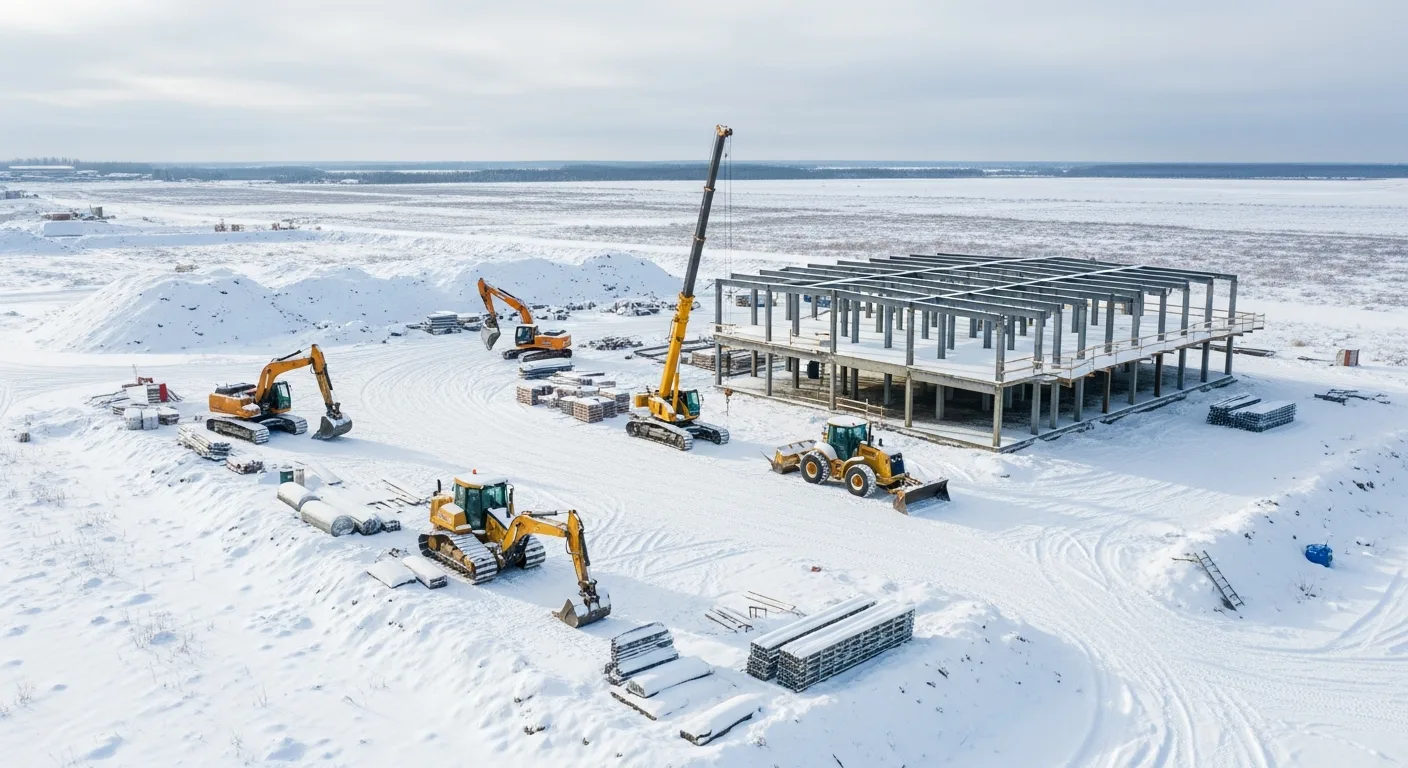
Every year it happens. The days get shorter, the weather turns, and the phone stops ringing like it did in June. For contractors in most of the country, winter means fewer projects, smaller crews, and a lot of downtime.
Most contractors treat the winter slowdown like a vacation they cannot afford. They slow down, stress about cash flow, and wait for spring to bail them out.
Smart contractors do the opposite. They treat winter as their secret weapon. While their competitors are sitting on their hands, they are sharpening every edge of their business so that when spring hits, they are not just ready. They are ahead.
Here is exactly what the best contractors do during the slower months.
1. Get Your Marketing Ready for Spring
Spring is the busiest season for most residential contractors. Homeowners who spent all winter browsing Pinterest and watching home renovation shows are ready to pull the trigger. The question is whether they will call you or your competitor.
The answer depends on what you do right now.
Update Your Website
When was the last time you updated your project portfolio? Added new testimonials? Checked that your contact forms actually work? Winter is the time to give your website the attention it deserves.
- Add your best projects from the past year with before-and-after photos
- Update your service area and service descriptions
- Make sure your site loads fast on mobile devices
- Add or refresh testimonials and case studies
- Check that your phone number, email, and contact forms are all working
Build Your Review Pipeline
Reviews drive leads. Period. If you do not have a system for collecting Google reviews, build one now.
Go through your completed projects from the past year and reach out to every happy client. A simple message works: “Hey, we really enjoyed working on your kitchen. If you have a minute, a Google review would mean the world to us. Here is the link.”
Respond to every existing review, positive and negative. Future clients read your responses as much as the reviews themselves.
Plan Your Paid Advertising
If you run Google Ads or social media ads, winter is when you plan your spring campaigns. Research your keywords, set your budgets, write your ad copy, and build your landing pages now. When March hits, you want to flip the switch and start generating leads immediately, not scramble to set things up.
Nurture Your Referral Network
Take your top referral sources to lunch. Real estate agents, architects, interior designers, insurance adjusters, whoever sends you work. Thank them for the referrals, ask what you can do better, and remind them you exist. A $50 lunch can generate $50,000 in work.
2. Clean Up Your Systems
During the busy season, systems get sloppy. Estimates pile up in your inbox. Files get saved in random folders. Your project management tool has half-finished projects nobody closed out. Winter is your chance to clean house.
Close Out Completed Projects
Go through every project in your system and close out the ones that are done. Final invoices sent? Warranties delivered? Client feedback collected? Punch lists completed? Do not carry old projects into the new year.
Organize Your Files
Set up a consistent file structure for the coming year. Every project should have the same folder layout: estimates, contracts, plans, permits, photos, change orders, invoices. If you are using construction management software like Projul, make sure your templates and workflows are set up correctly.
Review and Update Your Templates
Pull out your estimate templates, contract language, change order forms, and client welcome packets. Are they still accurate? Do your prices reflect current material costs? Is your contract language up to date with local regulations? Update everything now so you are not doing it in the middle of a busy spring.
Evaluate Your Software Stack
Is your current technology actually working for you? Winter is the best time to evaluate new tools because your team has the bandwidth to learn them.
If you are still running on spreadsheets, sticky notes, and text messages, consider a construction management platform that ties everything together. Projul gives you estimating, scheduling, job costing, client communication, and photo documentation in one system. Implementing it during winter means your team is comfortable with it before the spring rush.
3. Invest in Your Team
Your people are your most valuable asset. Winter is the time to invest in them.
Training and Certifications
Use the slower months to level up your team’s skills:
- OSHA 10 or OSHA 30 certification. If your crew members are not certified, get them certified. It reduces your liability and many commercial clients require it.
- Trade-specific training. New techniques, new materials, new code requirements. Send your leads and senior crew members to manufacturer training or trade workshops.
- Software training. If you implemented new tools during the year, winter is the time to make sure everyone actually knows how to use them. Schedule hands-on training sessions, not just “watch this video.”
- First aid and CPR. Renew certifications that have lapsed.
- Leadership development. Your foremen and project managers probably got promoted because they were good at their trade, not because they are natural managers. Invest in their leadership skills.
Team Building
Construction crews spend all year grinding through demanding physical work. Take some time to do something that is not work. A team lunch, a fishing trip, a bowling night. It sounds cheesy, but people who like working together produce better results.
Performance Reviews
Sit down with each team member one-on-one. What went well this year? Where can they improve? What do they need from you? What are their career goals? These conversations take 30 minutes each and pay dividends all year long.
Retention Planning
Your best people have options. Other companies will try to poach them. Use winter to make sure your compensation, benefits, and working conditions are competitive. Losing a skilled carpenter and replacing them costs far more than a raise.
4. Maintain Your Equipment
When was the last time you did preventive maintenance on your fleet and tools? If you are like most contractors, you fix things when they break. Winter is the time to get ahead of breakdowns.
Vehicle Maintenance
- Oil changes, tire rotations, brake inspections on every truck and van
- Check all fluid levels and top off
- Inspect and replace windshield wipers, lights, and mirrors
- Clean and organize truck beds and tool storage
- Update registration, insurance, and DOT compliance paperwork
Tool and Equipment Service
- Inspect all power tools and replace worn brushes, blades, and cords
- Calibrate laser levels, measuring tools, and testing equipment
- Service generators, compressors, and any gas-powered equipment
- Inventory your tool stock and replace missing or broken items
- Organize trailers and job boxes
Safety Equipment
- Replace hard hats older than 5 years (or 2 years if exposed to chemicals or UV)
- Inspect and replace worn harnesses and fall protection gear
- Restock first aid kits on every vehicle and job trailer
- Check fire extinguisher dates and recharge as needed
Taking care of equipment in winter prevents breakdowns during the busy season when you cannot afford the downtime.
5. Get Your Finances in Order
Winter is the time to look at your numbers honestly and plan for the year ahead.
Year-End Financial Review
Sit down with your bookkeeper or accountant and review the year:
- What was your actual gross margin by job type?
- Which project managers ran the most profitable jobs?
- Where did you lose money, and why?
- What was your overhead as a percentage of revenue?
- How did your actual revenue compare to your projections?
These answers tell you exactly where to focus next year.
Tax Planning
Meet with your CPA before year-end to discuss tax strategies. Equipment purchases, retirement contributions, entity structure changes, all of these decisions are better made before December 31 than after.
Budget for the Coming Year
Build a budget for next year based on this year’s actual numbers, not wishful thinking. Include:
- Revenue targets by month (accounting for seasonality)
- Crew labor costs based on your planned headcount
- Overhead costs including rent, insurance, vehicles, and software
- Marketing budget
- Equipment purchase or lease plans
- Cash reserve targets
Collect Outstanding Receivables
Year-end is the time to chase down every dollar owed to you. Clients are wrapping up their own budgets and may be more willing to pay. Send reminders on everything outstanding and get aggressive on anything over 60 days.
Line of Credit
If you do not have a line of credit, apply for one during winter while your books look good. You may not need it, but having it available for spring cash flow crunches is invaluable. Banks are more willing to lend when you are not desperate.
6. Build Your Spring Pipeline
The contractors who have the strongest springs are the ones who spent winter building their pipeline.
Follow Up on Lost Leads
Go through every lead and estimate from the past year that did not close. Send a personal follow-up. “Hi, we put together an estimate for your bathroom remodel back in August. Are you still considering that project? We have some availability this spring and would love to help.”
You will be surprised how many come back.
Reach Out to Past Clients
Your past clients are your best source of repeat business and referrals. Send a personal note or make a quick call. “Hey, it has been about two years since we finished your deck. How is it holding up? If you are thinking about any other projects, we would love to be your first call.”
Early-Bird Promotions
Offer an incentive for clients who sign contracts during winter for spring start dates. A modest discount or an included upgrade (free smart thermostat with an HVAC install, for example) can motivate fence-sitters to commit.
Pre-Construction Planning
For projects already in your pipeline, use winter to do the pre-construction work. Finalize designs, submit permits, order long-lead materials, and schedule subcontractors. When spring arrives, you can start building instead of planning.
7. Work on the Business, Not Just In It
Winter is the rare window where you can step back and think strategically. Most of the year, you are running from job to job, putting out fires. Use this time to ask the big questions:
- What type of work is most profitable, and should you focus on it?
- Are you in the right market, or should you expand your service area?
- Do you have the right people in the right roles?
- Where do you want the company to be in 3 to 5 years?
- What would need to change to get there?
Write down your answers. Set specific goals for the coming year. Share those goals with your team.
Making Winter Work for You
The winter slowdown is only a problem if you waste it. The contractors who come out of winter stronger are the ones who treat it as an investment period, not a waiting period.
Marketing. Systems. Training. Equipment. Finances. Pipeline. Strategy. Hit all seven of these areas during winter, and you will not just survive the slow months. You will set yourself up for the best spring your company has ever had.
Start this week. Pick one area from this list and take action on it today. Then work through the rest over the coming weeks. Your future self, and your bank account, will thank you.
Frequently Asked Questions
How can a construction company stay profitable during the winter slowdown?
What marketing should contractors do during winter?
Should I lay off workers during the winter slowdown?
What training should construction workers do in winter?
How do I build a spring pipeline during winter?
What equipment maintenance should contractors do in winter?
Is winter a good time to invest in construction software?
Related Articles

BIM Clash Detection: How to Catch Conflicts Before They Cost You on the Jobsite
BIM Clash Detection: How to Catch Conflicts Before They Cost You on the Jobsite Every contractor has a story about the...
Read More →
Asphalt Paving and Compaction Guide: Mix Types, Laydown Temperatures, and Quality Testing
Asphalt paving looks straightforward from a distance. A truck dumps material, the paver lays it down, and rollers...
Read More →
Construction Jobsite Wi-Fi & Connectivity Guide: Setting Up Reliable Internet in the Field
A practical guide to getting reliable internet on construction job sites. Learn about cellular hotspots, mesh networks,...
Read More →