
How to Switch Construction Software Without Losing Data | Projul
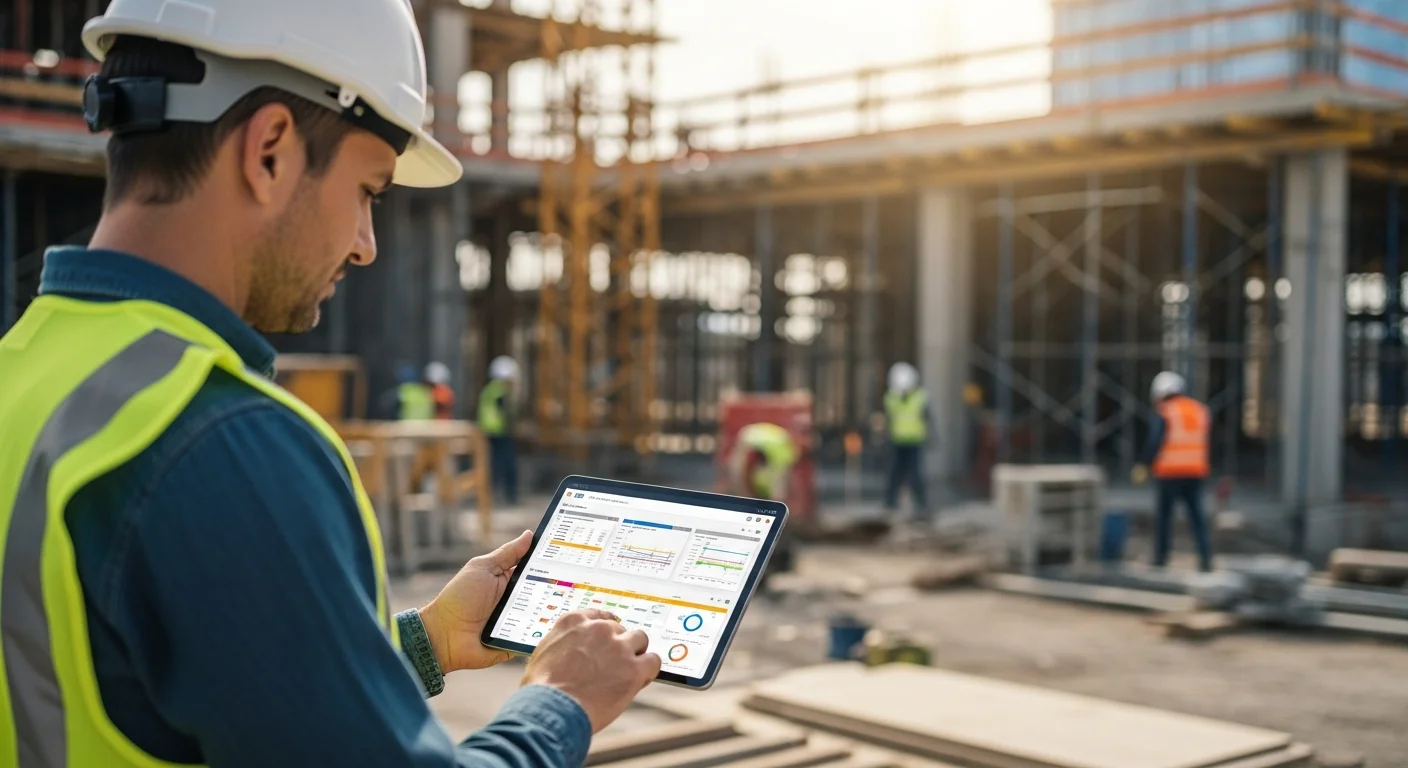
You know you need to switch construction software. Your current platform is slow, overpriced, or missing features that are costing you money. But every time you think about making the move, the same fear stops you: “What about all our data?”
It’s a legitimate concern. You’ve got years of client contacts, project records, estimate templates, financial history, and processes baked into your current system. The thought of losing any of that, or spending weeks re-entering it, is enough to keep you stuck with software you hate.
Here’s the good news: switching construction software doesn’t have to mean starting from scratch. With the right approach, you can migrate your critical data, get your team up to speed, and come out the other side with a better system and everything you need intact.
Here’s the playbook.
Step 1: Audit What You Actually Have
Before you start exporting anything, take stock of what’s in your current system. Open it up and make a list:
Client contacts. How many? Are they clean and up to date, or is there five years of junk mixed in?
Active projects. What’s currently in progress? These are the only projects you need to migrate in detail.
Estimate templates. These save hours every week. You definitely want to bring these to the new system.
Historical projects. Completed projects from the last few years. Nice to have for reference but not critical for day one.
Financial records. Invoices, payments, job cost data. Your accounting system (QuickBooks, etc.) is usually the system of record here, not your construction software.
Documents and photos. Project files, contracts, photos. These are usually exportable as files.
Here’s a hard truth that actually makes this easier: you probably don’t need to migrate everything. The 80/20 rule applies. 80% of what you need is your contact list, your active projects, and your templates. The other 20% is historical data you can reference in the old system if you ever need it.
Step 2: Export Everything You Can
Most construction software platforms let you export data as CSV files or spreadsheets. Do this before you cancel your subscription.
Export your:
- Client and contact list (names, emails, phones, addresses)
- Project list with key details (status, value, dates)
- Estimate templates if possible
- Financial reports and summaries
- Any documents and photos you’ve uploaded
Some platforms make exporting easy. Others make it deliberately painful because they don’t want you to leave. If your current vendor is blocking exports, that’s a red flag about the company, and even more reason to switch.
Save all exports to a dedicated folder on your computer or cloud storage. Label everything clearly. You’ll thank yourself later.
Pro tip: Take screenshots of any custom settings, workflows, or configurations in your current system. When you’re setting up the new platform, these screenshots are a helpful reference for how you had things organized.
Step 3: Choose Your New Platform (The Right Way)
If you haven’t picked your new software yet, here’s the short version: run a real trial with real data before you commit to anything.
Don’t base your decision on a demo. Enter actual estimates, schedule real projects, and have your field crew test the mobile app on a live job. Two weeks of hands-on use tells you more than any sales pitch.
Key things to evaluate during the trial:
- Can your team figure it out without extensive training?
- Does the mobile app work well for field crews?
- Does it integrate with QuickBooks or your accounting system?
- What does migration support look like?
- Is the pricing fair at your current team size AND double that?
Platforms like Projul offer onboarding support that includes help importing your data, which takes a lot of the migration burden off your plate.
Step 4: Plan the Cutover
You have two options for switching: cold turkey or parallel run. Here’s when to use each.
Parallel Run (Recommended for Most)
Run both systems simultaneously for 2-4 weeks. Pick one or two active projects and manage them in the new software while keeping everything else in the old system. This gives you a safety net and lets your team get comfortable without pressure.
The downside is double entry for those overlapping projects. But it’s temporary, and it’s worth the peace of mind.
Cold Turkey
Pick a date and switch everything over at once. This works if you have a small team, a quiet period between projects, or a very simple setup. The advantage is no double entry. The risk is that if something goes wrong, there’s no fallback.
Most contractors are better off with a parallel run. The double entry is annoying for two weeks, but it’s a lot less annoying than losing track of a project because your new system wasn’t set up correctly.
Step 5: Migrate Your Data
Here’s the actual migration process, step by step:
Contacts First
Import your client and contact list into the new system. Most platforms accept CSV uploads. Clean the list first: remove duplicates, update outdated information, and delete contacts you’ll never work with again.
This is actually a hidden benefit of switching software. It forces you to clean up your data. Most contractors have contact lists full of people who requested a quote three years ago and never responded. You don’t need those in your new system.
Set Up Templates
Rebuild your estimate templates in the new platform. Yes, this takes some time. But it’s also an opportunity to improve them. That template you built four years ago probably has line items you don’t use anymore and is missing things you’ve added to your process since then.
Start with your 3-5 most commonly used templates. Build the rest as you need them.
Active Projects
For projects currently in progress, you have a choice: enter them in the new system with their current status, or let them finish out in the old system and only put new projects in the new platform.
If a project is 80% complete, it’s usually not worth entering it in the new system. Let it finish where it started. If a project just kicked off, migrate it.
Historical Data
Don’t spend days importing completed projects from 2023. Keep your old system active (most offer read-only access) or keep your exported files accessible. If you need to look something up from a past project, you can.
The goal of migration is to get your team working in the new system as fast as possible, not to create a perfect replica of everything you’ve ever done.
Step 6: Train Your Team (Without Boring Them to Death)
Nobody wants to sit through a three-hour training session. And honestly, they don’t need to.
For Office Staff and PMs
Walk them through the key workflows they’ll use daily: creating estimates, updating schedules, and generating invoices. Thirty minutes of focused training on the stuff they do every day is worth more than three hours of feature overview.
For Field Crews
Keep it dead simple. Show them how to open the app, check their schedule, and log their time. That’s it for day one. They can learn other features as they go.
The Champion Approach
Pick one person on your team who’s excited about the new software (or at least the least resistant to change). Make them the go-to person for questions. This takes pressure off you and gives the team someone approachable to ask for help.
Step 7: Set a Hard Cutoff Date
This is critical. If you don’t set a firm date to stop using the old system, people will keep using it. You’ll end up with half your data in one place and half in another, which is worse than either system alone.
Announce the cutoff date to the entire team. Give them 2-4 weeks of notice. After that date, the old system is read-only for reference purposes. All new work goes in the new platform.
Hold firm on this. There will be complaints. There will be people who say they “just need one more week.” They don’t. They need a push.
Common Migration Mistakes to Avoid
Trying to migrate everything at once. You don’t need your entire project history on day one. Focus on active work and move forward.
Customizing too early. Get comfortable with the default setup before you start customizing everything. You might find the new platform’s workflow is actually better than what you were doing before.
Not involving field crews. If you set everything up and then spring it on the crew, they’ll resist. Involve them in the trial phase so they feel ownership.
Keeping the old system running too long. A 2-week overlap is fine. A 2-month overlap means you never actually switched. Set the cutoff and stick to it.
Blaming the new software for learning curve frustrations. The first two weeks with any new system feel slower. That’s normal. Give it 30 days of genuine use before you evaluate whether it’s working.
The Reality Check
Switching software is work. There’s no way around that. It takes time, some temporary discomfort, and patience from your team.
But staying with software that doesn’t fit your business is also work. It’s the slow, grinding kind that costs you money every single day in missed change orders, wasted admin hours, and scheduling headaches.
The contractors who make the switch successfully all say the same thing: “I wish I’d done it sooner.”
Plan the migration, set a timeline, and commit to it. Six weeks from now, your team will wonder how they ever worked any other way.
Frequently Asked Questions
Can I export my data from my current construction software?
How long does it take to switch construction management software?
Will I lose my project history when switching software?
What data should I prioritize when migrating construction software?
How do I get my team to adopt the new software?
Should I keep my old construction software active during the transition?
What if my new construction software doesn't work out?
Do construction software companies help with data migration?
Related Articles

BIM Clash Detection: How to Catch Conflicts Before They Cost You on the Jobsite
BIM Clash Detection: How to Catch Conflicts Before They Cost You on the Jobsite Every contractor has a story about the...
Read More →
Asphalt Paving and Compaction Guide: Mix Types, Laydown Temperatures, and Quality Testing
Asphalt paving looks straightforward from a distance. A truck dumps material, the paver lays it down, and rollers...
Read More →
Construction Jobsite Wi-Fi & Connectivity Guide: Setting Up Reliable Internet in the Field
A practical guide to getting reliable internet on construction job sites. Learn about cellular hotspots, mesh networks,...
Read More →