
How to Win Construction Bids: 10 Strategies That Actually Work | Projul
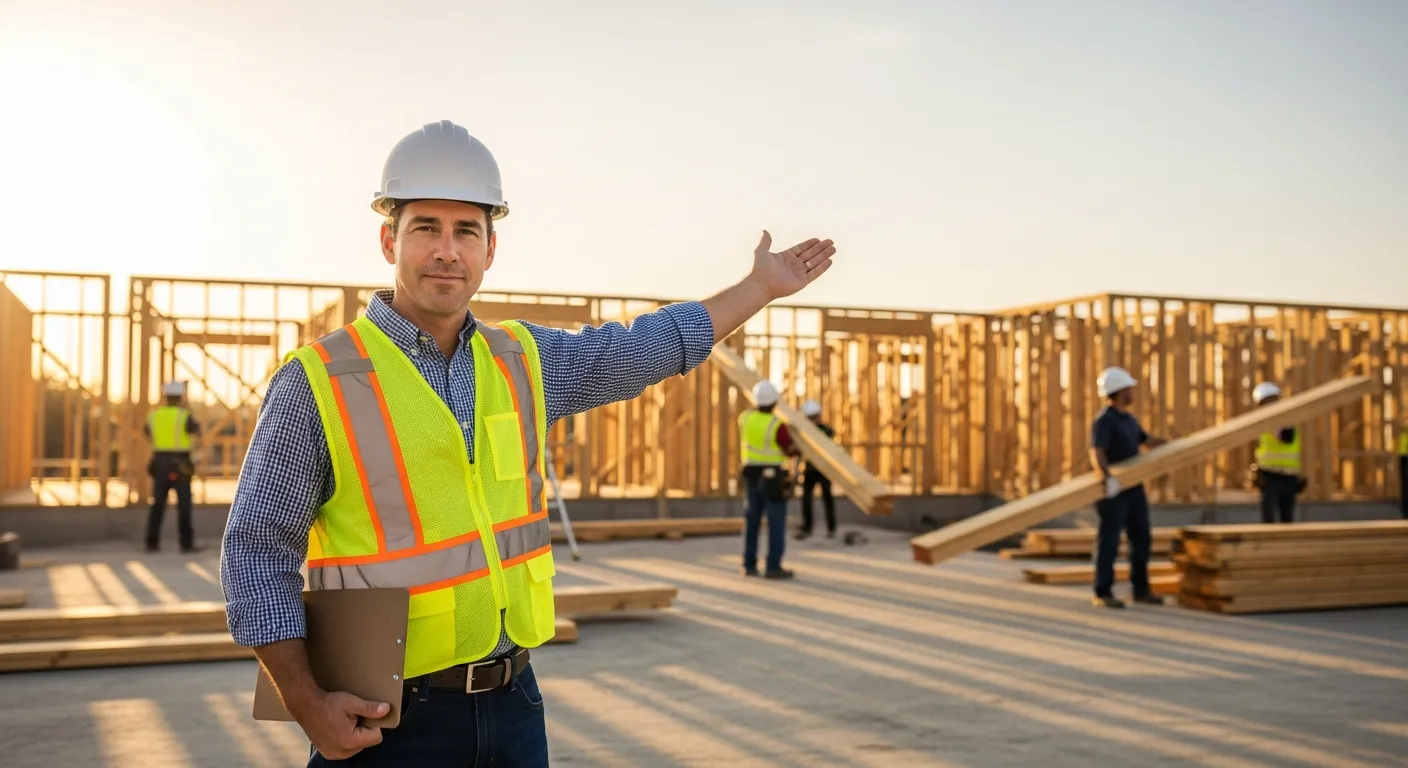
You have been there. Spend two days putting a bid together, triple-check your numbers, send it off, and then… nothing. Radio silence. Or you get the call that someone else won it by $3,000 on a $400K job.
Winning construction bids is frustrating. But most of the time, the contractors who consistently land work are not doing anything magical. They just have better systems, sharper estimates, and a deliberate approach to which jobs they chase and how they present themselves.
This guide walks through 10 strategies that actually move the needle. Not theory. Not fluff. Just the stuff that works based on what profitable contractors do differently from the ones grinding themselves into the ground. If you want a broader look at bidding fundamentals, start with our construction bidding strategies guide first.
Know Which Bids to Chase (and Which to Skip)
The single biggest lever you can pull is not how you bid. It is what you bid on.
Most contractors bid on everything that crosses their desk. A plan room notification comes in, and they download the plans without asking a single qualifying question. This is a massive time sink. Every hour you spend estimating a job you should not have bid on is an hour you did not spend on a bid you could actually win.
Strategy 1: Build a bid/no-bid checklist. Before you touch a set of plans, run the opportunity through a quick filter. Ask yourself:
- Does this project fit what my crews do best?
- Is the location reasonable or will travel kill my margins?
- Do I have capacity to take this on if I win?
- Who is the client, and do they have a reputation for paying on time?
- How many other contractors are bidding?
If you are one of twelve subs bidding a job, your odds are terrible regardless of how good your price is. If the client has a history of slow pay or change-order disputes, winning that bid might be worse than losing it.
Strategy 2: Track your bid results religiously. You cannot improve what you do not measure. After every bid, win or lose, record the outcome. Over time, you will start to see patterns. Maybe you win 40% of your residential bids but only 8% of commercial. Maybe you crush it with repeat clients but struggle on plan room work. That data tells you exactly where to focus your limited estimating time.
A good CRM system makes this tracking automatic instead of something that lives in your head or on a sticky note. When you can pull up your win rate by project type, client, or estimator in thirty seconds, you start making smarter decisions about where to spend your energy.
Build Estimates That Are Accurate and Fast
Accuracy and speed sound like they are at odds with each other, but the best contractors have figured out how to get both. Here is why that matters: if your estimates are accurate but take forever, you cannot bid enough volume to keep your pipeline full. If they are fast but sloppy, you win jobs that lose money.
Strategy 3: Use historical cost data, not gut feel. Every job you complete is a goldmine of pricing data. What did materials actually cost? How many labor hours did that scope really take? What did the subs charge? If you are not capturing that information and feeding it back into your estimates, you are starting from scratch every single time.
The contractors who win profitable bids consistently are the ones who know exactly what things cost because they tracked it on the last ten jobs. Their estimates are not guesses. They are informed by real numbers from real projects.
Strategy 4: Invest in your estimating process. Spreadsheets work until they do not. When you are juggling five bids at once, copy-paste errors and missed line items start creeping in. Construction estimating tools cut your takeoff time dramatically and reduce the kinds of mistakes that either blow up your margins or price you out of work.
This is not about spending money on software for the sake of it. It is about producing better bids in less time so you can bid more selectively and still keep your pipeline healthy. The math is simple: if you cut your estimating time by 30%, you can either bid more jobs or spend that extra time making each bid more thorough. Either way, your win rate goes up.
Present Your Bid Like a Professional, Not a Number on a Page
Here is something most contractors overlook: the bid itself is a sales document. It is often the first real impression a client or GC gets of how you operate. And too many contractors treat it like a grocery receipt. A number, maybe a few line items, and a signature line.
Strategy 5: Make your bids clear and complete. A well-organized bid tells the client exactly what they are getting. Break out your scope clearly. Call out what is included and what is not. List your assumptions. Specify your timeline. The goal is to make it easy for the decision-maker to say yes.
Contractors across the country trust Projul to run their businesses. Read their reviews.
Think about it from the client’s side. They are comparing three or four bids. One is a single-page number with no detail. Another is a clear, professional document that breaks down scope, highlights relevant experience, and includes a project timeline. Even if the detailed bid is slightly higher, it builds confidence. People pay for certainty.
Strategy 6: Include supporting documentation. Photos from similar completed projects go a long way. A one-page company overview with your safety record, insurance details, and references shows you are serious. These extras take minimal effort but separate you from contractors who submit the bare minimum.
Keeping organized project photos and documentation from every job gives you a library you can pull from whenever you need to make a bid stand out. A picture of a finished project that looks just like the one you are bidding on is worth more than any paragraph you could write about your qualifications.
Build Relationships Before the Bid Hits the Street
The best time to win a bid is before it goes out. That sounds counterintuitive, but hear it out.
When a client or GC already knows you, trusts your work, and has seen you deliver, the bid is almost a formality. They want to hire you. They just need your number to make sure it fits the budget. Compare that to cold-bidding against five strangers where price is the only differentiator.
Strategy 7: Stay in front of your best clients. This does not mean pestering people. It means checking in between projects. Sending a quick message when you drive past one of their job sites. Showing up to industry events. Grabbing coffee once a quarter. The goal is simple: when they have a job that fits your wheelhouse, your name is the first one that comes to mind.
Repeat clients are the backbone of every successful construction company. They cost nothing to acquire. They already trust you. They are more flexible on price because they have seen what you deliver. If you are not actively nurturing those relationships, you are leaving your most profitable work on the table.
Strategy 8: Build your subcontractor and supplier network. Your relationships with subs and suppliers directly affect your bids. When you have strong relationships, you get better pricing, faster turnaround on quotes, and first call when they hear about upcoming work. A lumber yard that knows you will not waste their time with phantom quotes will sharpen their pencil for you. A sub who trusts you to run a clean job site will give you a better number than the GC they have never worked with.
This works both ways. When your subs and suppliers see you as a preferred partner, they prioritize your quote requests. That means you get your numbers back faster, which means you can submit your bids earlier and with more confidence. On a tight bid deadline, that speed advantage is the difference between submitting a polished proposal and rushing something out the door at the last minute.
Follow Up Like the Job Depends on It (Because It Does)
You submitted a solid bid. Now what? If your answer is “wait and hope,” you are leaving wins on the table.
Strategy 9: Follow up within 48 hours of submission. A short, professional follow-up does a few things. It confirms your bid was received. It gives the client a chance to ask questions. And it signals that you actually want the work and are easy to communicate with.
Here is what a follow-up looks like in practice. A quick phone call or email: “Hey, just wanted to make sure you got our bid on the Smith project. Happy to walk through any of the line items or answer questions. Let us know if you need anything else to make your decision.”
That is it. No hard sell. No desperation. Just professionalism.
Most contractors never follow up. That alone puts you ahead of half your competition. And when you do not win, ask why. “We went another direction” is not useful feedback. Push gently: “Totally understand. For my own learning, was it a price issue, a scope issue, or something else?” The answers you get will make your next bid better.
Strategy 10: Track every bid through the full cycle. From the moment you decide to bid a job to the moment you win, lose, or the project dies, track it. Know how many bids are out at any given time. Know your average time from submission to decision. Know your win rate by project type, by client, and by estimator.
This is not busywork. It is the information that tells you whether your bidding operation is healthy or bleeding. If you have 30 bids out and your pipeline is still empty two months from now, something is broken. If your win rate drops from 25% to 12% over a quarter, you need to figure out why before it tanks your backlog.
Put It All Together: Your Bidding System
Individual strategies are useful. But the real power comes when you connect them into a system that runs consistently. Here is what that looks like:
Qualify first. Every opportunity goes through your bid/no-bid filter before you spend a minute estimating. This alone will save you hundreds of hours a year.
Estimate with data. Use historical costs, not guesses. Build templates for your most common project types. Use estimating software to cut takeoff time and reduce errors.
Present with purpose. Every bid that leaves your office should be clear, complete, and professional. Include scope details, relevant photos, and a timeline. Make it easy for the client to choose you.
Nurture relationships. Spend as much time building your network as you do building bids. The best work comes from people who already know and trust you. A solid CRM keeps those relationships organized instead of relying on your memory.
Follow up and learn. Every bid gets a follow-up. Every outcome gets recorded. Over time, your data tells you exactly where to focus and what to fix.
This is not complicated. But it requires discipline, and discipline is what separates the contractors who are always scrambling for work from the ones who get to pick and choose their projects.
The truth is that winning construction bids is less about being the cheapest and more about being the sharpest. Know your numbers. Know your clients. Know which jobs are worth your time. Present yourself as the professional you are. And keep getting better with every bid you submit.
If you want to see how the right tools can tighten up your estimating and bidding process, take a look at what Projul offers and whether it fits how your company operates. No pressure. Just information so you can make a smart call.
The contractors who win consistently are not necessarily the biggest or the cheapest. They are the most disciplined. They have a process for deciding what to bid. They have systems for producing accurate estimates quickly. They follow up when others do not. And they treat every bid as a chance to demonstrate what kind of company they run.
See how Projul makes this easy. Schedule a free demo to get started.
You did not start your company to spend half your life on bids that go nowhere. Bid smarter, win better work, and build something that actually pays you what you are worth.
Frequently Asked Questions
What is the average win rate for construction bids?
How long should it take to put together a construction bid?
Should I submit my bid early or wait until the deadline?
How do I compete against lowball bidders?
Is it worth bidding on public construction projects?
Related Articles

Construction RFP Response: How to Win More Bids
Winning construction RFPs is not about being the cheapest. It is about showing the client you understand their project,...
Read More →
How to Hire and Retain Construction Workers in 2026
The construction labor shortage isn't going away in 2026. Here are the hiring and retention strategies that contractors...
Read More →
How to Fire a Subcontractor Without Blowing Up Your Project
Firing a sub mid-project is one of the hardest calls a GC can make. Here is how to do it the right way so your project...
Read More →