
Construction Buyout Process: Subs and Materials

You won the job. The contract is signed. Now comes the part that separates profitable contractors from ones who wonder where the money went: the buyout.
The buyout process is where your estimate meets reality. Every subcontractor bid, every material quote, every vendor agreement gets finalized. And if you don’t handle it with a plan, you’ll watch your margins shrink before the first footer is poured.
Most contractors know how to estimate and bid. Fewer have a repeatable system for buying out the work after they win. This guide breaks down how to build one, so you stop leaving money on the table and start every project with your costs locked in tight.
What Is the Buyout Process in Construction?
The buyout process is everything that happens between winning a contract and actually starting construction, specifically the procurement side. You’re taking the subcontractor bids and material quotes from your estimate and converting them into signed subcontracts, purchase orders, and vendor agreements.
Think of it this way: your estimate was a plan. The buyout is where you execute that plan.
During buyout, you’re doing several things at once:
- Finalizing subcontractor selections and getting signed contracts in place
- Locking material pricing with suppliers before costs change
- Leveling scope to make sure what the sub is quoting matches what you estimated
- Setting payment terms so your cash flow doesn’t get crushed in month two
- Identifying gaps between your bid and actual costs before they become problems
The goal is simple: get every cost locked in at or below your estimated number. When you buy out a trade for less than you estimated, that’s a buyout saving. When it comes in higher, that’s a buyout overage. And you want to know both numbers as early as possible.
If you’re still tracking this on spreadsheets or in your head, you’re flying blind. Tools like Projul’s estimating and change order features let you compare estimated costs against actual buyout numbers in real time, so you see exactly where you stand before the first day on site.
Creating a Buyout Schedule
Not every trade needs to be bought out on day one. But some absolutely do, and knowing which ones come first is the difference between a project that starts on time and one that’s delayed before it begins.
Start With Long-Lead Items
Long-lead items are anything with extended manufacturing or delivery times. Structural steel, custom millwork, specialty electrical gear, HVAC equipment, elevators. These need to be ordered weeks or months ahead. If you wait until the project schedule says you need them, you’re already late.
Your buyout schedule should identify every long-lead item in the first week after contract award. Get those purchase orders out immediately.
Prioritize Critical Path Trades
After long-lead items, focus on the trades that are on your critical path. If concrete can’t start until your earthwork sub is locked in, then earthwork is your first buyout priority. Work backward from your construction schedule.
A practical buyout schedule might look like this:
- Week 1: Long-lead material orders, sitework/earthwork sub, concrete sub
- Week 2: Structural trades (steel, masonry), MEP subs (mechanical, electrical, plumbing)
- Week 3: Interior trades (drywall, flooring, painting, trim)
- Week 4: Specialty items (signage, landscaping, final equipment)
Obviously this varies by project type and size. A ground-up commercial building has a different buyout timeline than a residential remodel. The point is having a timeline at all, rather than buying things out whenever you get around to it.
Assign Ownership
Every buyout item needs a name next to it. On larger teams, your project manager might handle sub buyouts while your superintendent handles material procurement. On smaller crews, it might all fall on one person. Either way, write it down. Accountability keeps things from slipping through the cracks.
Use your subcontractor management system to track who’s been contacted, who’s returned a signed contract, and who’s still outstanding. When you can pull up a dashboard and see that 60% of your buyout is complete, you know exactly where to focus.
Negotiating With Subcontractors
This is where a lot of money gets made or lost. The bids you collected during estimating were preliminary. Now it’s time to sharpen pencils and get the numbers right.
Scope Leveling
Before you compare subcontractor prices, you need to make sure they’re all quoting the same work. This is scope leveling, and skipping it is one of the most expensive mistakes in construction.
Pull out each sub’s proposal and line it up against your estimate’s scope. Check for:
- Inclusions and exclusions that differ between bidders
- Assumptions about site conditions, access, or schedule
- Allowances that might be too low (or suspiciously high)
- Missing scope that someone will need to cover
If Sub A is $40,000 cheaper than Sub B, but Sub A excluded all temporary protection and cleanup, you don’t actually have a cheaper bid. You have a surprise change order waiting to happen.
Get every sub on the same page before you compare numbers. Send them a clear scope of work document, ask them to confirm what’s in and what’s out, and then compare apples to apples.
Back-to-Back Terms
Your subcontracts should mirror your prime contract as closely as possible. If the owner can withhold retainage, your sub contract should include retainage. If you have a 30-day pay cycle from the owner, don’t promise your subs payment in 15 days.
This is called “back-to-back” or “flow-down” provisions, and they protect you from getting squeezed. Key items to flow down:
- Payment terms and timing
- Retainage percentages
- Insurance requirements
- Warranty obligations
- Dispute resolution procedures
- Liquidated damages exposure
Your subs won’t love all of it. That’s fine. The goal is a fair contract that doesn’t put you at risk if the owner delays payment or disputes arise upstream.
Insurance Requirements
Don’t skip this. Verify every subcontractor’s insurance before they set foot on your site. You need:
- General liability (matching or exceeding your contract requirements)
- Workers’ compensation
- Auto liability
- Additional insured endorsement naming you and the owner
- Umbrella/excess if required by the prime contract
Get certificates of insurance before you sign the subcontract, not after. Chasing insurance certs after a sub has already started work is a headache you don’t need.
Payment Schedules
Structure payments to match progress. Avoid front-loading sub payments where they get a big chunk upfront and have less incentive to finish strong. A typical structure ties payments to milestones or monthly progress billing.
Some things to negotiate:
- Mobilization payments (keep them small, 5-10% max)
- Progress billing cycles matching your owner billings
- Retainage release tied to your own retainage collection
- Final payment held until punch list completion and lien waivers are in hand
The better you structure sub payments, the better your project cash flow. And cash flow is what keeps contractors in business.
Material Procurement Strategy
Materials are the other half of your buyout. And with price volatility in lumber, steel, copper, and just about everything else, your procurement strategy matters more than ever.
Lock Pricing Early
The single biggest thing you can do: get pricing locked as soon as possible after award. Material prices don’t wait for you. That lumber quote from three weeks ago? It might already be higher.
Issue purchase orders with confirmed pricing within the first two weeks of buyout. For volatile materials, consider:
- Fixed-price POs with delivery schedules
- Price escalation clauses in your prime contract (so you can pass increases through if needed)
- Early buy agreements where you lock pricing now and schedule delivery later
If you estimated lumber at $X and the price has already moved up 8% by the time you buy out, that’s an overage that eats your margin. Lock it in fast.
Vendor Relationships
Your relationships with suppliers are worth real money. A supplier who knows you’ll pay on time, order consistently, and not jerk them around on change orders will give you better pricing, priority scheduling, and first call when materials are in short supply.
Build those relationships intentionally:
- Pay your bills on time (this alone puts you ahead of half the industry)
- Give vendors accurate forecasts of upcoming needs
- Don’t bid-shop their quotes to competitors after they’ve spent time on your project
- Communicate early when schedules change
Don’t just take our word for it. See what contractors say about Projul.
A loyal supplier who holds pricing for you during a volatile market is worth more than saving 2% by shopping every order to the lowest bidder.
Substitution Requests
Sometimes the specified material is too expensive, has a long lead time, or is genuinely hard to source. Substitution requests let you propose an equivalent alternative to the architect or owner.
When requesting a substitution:
- Provide full documentation showing the proposed material meets spec requirements
- Show any cost savings (the owner might appreciate this)
- Highlight lead time improvements if applicable
- Submit early, because the approval process takes time
Don’t try to sneak in substitutions. Get them approved in writing before you order. An unapproved substitution can get ripped out at your expense.
Tracking Buyout Savings and Overages
This is where your buyout process either makes you money or just moves paperwork around. If you’re not tracking the difference between your estimated costs and your actual buyout costs, you’re missing the whole point.
Estimate vs. Actual
For every line item in your estimate, you should have a corresponding buyout number. The difference between those two numbers tells you everything:
- Buyout saving: You estimated $85,000 for electrical and bought it out at $79,000. That’s a $6,000 saving.
- Buyout overage: You estimated $120,000 for concrete and the best number you could get was $128,000. That’s an $8,000 overage.
Track these for every single trade and material line item. The totals tell you whether your project is starting ahead of budget or behind it.
Job costing software makes this automatic instead of manual. When you enter your buyout commitments, it compares them to your estimate and shows you the variance instantly. No more waiting until the project is half done to find out you’re over budget.
Capturing Savings
When you buy out a trade below estimate, that saving is real money. But what happens to it?
Some contractors let buyout savings sit in the project budget as a cushion. Others pull them out and report them as profit. The right approach depends on your business, but here’s what matters: know the number, and make a deliberate decision about it.
On projects with contingency, buyout savings can offset overages in other trades. If you saved $6,000 on electrical but went $8,000 over on concrete, your net position is a $2,000 overage. That’s a lot less scary than looking at the concrete number alone.
Managing Budget Busts
When a buyout comes in over estimate, you have options:
- Re-bid the trade. Maybe you only had one or two quotes. Getting more competitive bids might bring the number down.
- Value engineer. Can you adjust the scope, materials, or approach to reduce cost without sacrificing quality?
- Negotiate harder. Go back to the sub or supplier with a target number and see where they can sharpen their price.
- Use savings from other trades. This is why tracking your overall buyout position matters.
- Flag it early. If the project is going to be over budget, the owner needs to know now, not six months from now.
The worst thing you can do is ignore an overage and hope it works out. It won’t. Deal with it during buyout when you still have time and options.
Building a Buyout Checklist for Every Project
A repeatable checklist keeps your buyout consistent across every project, regardless of who’s running it. Here’s a template you can adapt:
Pre-Buyout (Week of Award)
- Review the full estimate and identify all buyout line items
- Flag long-lead items and order immediately
- Create a buyout schedule with deadlines for each trade
- Assign buyout responsibilities to team members
- Set up the project in your job costing system with estimated values
Subcontractor Buyout
- Scope level all sub bids against your estimate
- Send formal scope of work documents to selected subs
- Negotiate pricing, terms, and schedule
- Verify insurance certificates and coverage limits
- Execute subcontracts with back-to-back flow-down provisions
- Enter committed costs into your tracking system
- Collect W-9s and set up vendor accounts
Material Procurement
- Issue purchase orders for all major materials
- Lock pricing on volatile materials immediately
- Confirm delivery schedules against your construction timeline
- Submit substitution requests where needed (and get written approval)
- Set up material delivery tracking
Buyout Closeout
- Compare all buyout commitments against estimated costs
- Calculate total buyout savings and overages
- Report buyout position to project team and leadership
- Identify any remaining unbought scope
- Update the project budget with actual committed numbers
Ongoing During Construction
- Track change orders and their impact on buyout numbers
- Monitor material pricing for future orders not yet placed
- Update committed costs as subcontractor change orders are processed
- Review buyout status monthly at project meetings
When you price your next job, the buyout data from this project becomes your best estimating reference. Real numbers from real projects beat guessing every time.
Getting Your Buyout Process Right
The buyout process isn’t glamorous. Nobody posts about it on social media or brags about their buyout schedule at the trade show. But it’s where profitable projects are built.
A contractor who runs a disciplined buyout on every project knows exactly where their money is going before the first shovel hits dirt. They catch problems early, lock in good pricing, and start construction with a clear picture of their budget.
If you’re still managing buyout with spreadsheets, sticky notes, or memory, it’s time to upgrade. Projul gives contractors real-time visibility into estimates vs. actual costs, subcontractor tracking, and job costing that keeps your buyout numbers honest from day one through closeout.
Start your next project with a buyout process that actually works, and stop finding out you’re over budget when it’s too late to do anything about it.
Book a quick demo to see how Projul handles this for real contractors.
Frequently Asked Questions
What does “buyout” mean in construction?
Buyout is the process of finalizing and committing to all subcontractor agreements and material purchases after you’ve won a construction contract. It’s where you take the bids and quotes from your estimate and turn them into signed contracts and purchase orders at locked-in prices.
How long should the buyout process take?
It depends on the project size and complexity. For a typical commercial project, plan on two to four weeks to complete the bulk of your buyout. Larger or more complex projects might take six to eight weeks. The key is starting immediately after contract award and prioritizing long-lead items first.
What’s the difference between buyout savings and contingency?
Buyout savings are the actual dollars you save when you buy out a trade or material for less than your estimated amount. Contingency is a separate budget line item set aside for unknowns and unexpected costs. They’re related but different. Buyout savings are known once you commit to a number. Contingency covers things you haven’t anticipated yet.
Should I always go with the lowest subcontractor bid?
No. The lowest bid isn’t always the best value. A sub who’s significantly cheaper might be excluding scope, underestimating the work, or cutting corners on quality. Always scope level your bids first to make sure you’re comparing the same work. Then factor in the sub’s track record, insurance coverage, financial stability, and ability to meet your schedule.
How do I handle a subcontractor buyout that comes in over my estimate?
First, check your scope. Make sure the overage isn’t caused by scope differences between your estimate and the sub’s quote. If the overage is real, try re-bidding to additional subcontractors, value engineering the scope, or negotiating harder on price. If the overage sticks, offset it with savings from other trades where possible and flag the budget impact to your team immediately.
Frequently Asked Questions
What is the buyout process in construction?
How soon after winning a job should I start the buyout?
What's the difference between a buyout saving and an overage?
How do I level sub bids during buyout?
Should I track buyout status in software?
Related Articles

Construction Team Meetings: A Practical Guide to Meetings That Actually Get Results
Most construction team meetings waste time. Here's how to run weekly check-ins, safety meetings, kickoffs, and...
Read More →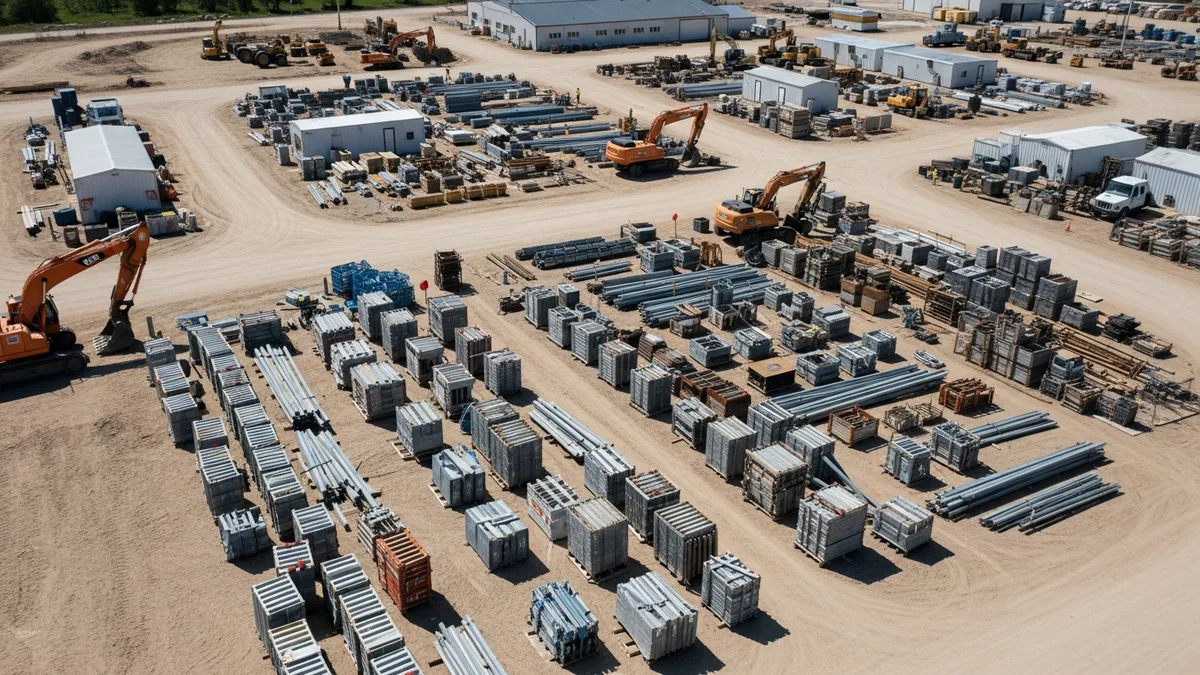
Project Management for Small Contractors: You Don't Need Enterprise Software
You don't need a 50-person company to benefit from project management. Even a 5-person crew loses money without a...
Read More →
Free Construction Schedule Template
A solid construction schedule keeps your jobs on track, your crews busy, and your clients happy. Grab our free...
Read More →