
Commercial Kitchen Build-Out Guide for Contractors
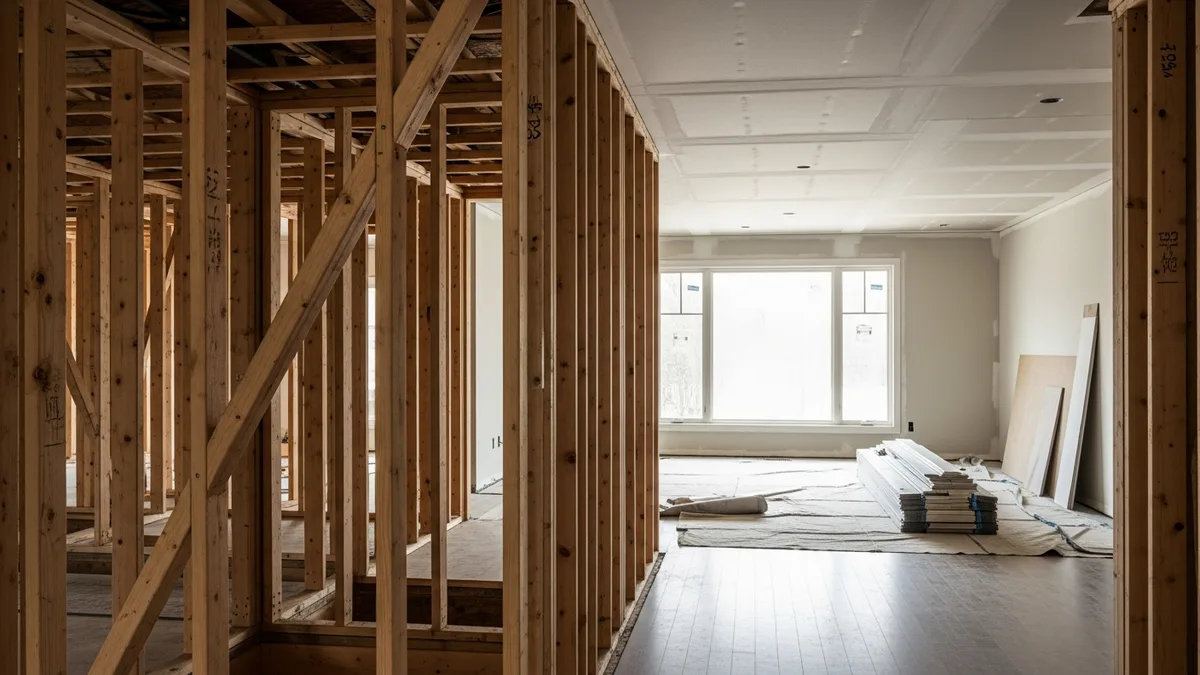
Commercial kitchen build-outs are a different animal. If you have been running residential remodels or standard commercial tenant improvements, stepping into a restaurant kitchen project will test every part of your operation. The mechanical systems are more involved. The code requirements are stricter. The inspections are more frequent. And the owner is usually on a tight timeline because every week without a working kitchen is a week without revenue.
This guide breaks down the six areas you need to get right on a commercial kitchen build-out. Whether you are a GC taking on your first restaurant project or an experienced contractor looking for a reference, this will help you plan the work and avoid the mistakes that blow budgets and timelines.
Health Department Requirements and Code Compliance
Before you pull a single permit, you need to understand that commercial kitchens answer to more than just the building department. The health department has its own plan review process, its own set of requirements, and its own inspection schedule. In many jurisdictions, you cannot get a certificate of occupancy without a health department sign-off, and their standards go well beyond what the building code requires.
Health department requirements vary by state and county, but here are the items that show up on nearly every project:
- Floor, wall, and ceiling finishes must be smooth, non-absorbent, and easy to clean. FRP panels, epoxy-coated concrete, and commercial-grade tile are the standard choices. Drywall with paint alone will not pass in most kitchens.
- Handwash stations are required at specific locations throughout the kitchen, typically near each food prep area and at every entrance to the kitchen from other parts of the building. These are separate from your three-compartment sinks and cannot be used for food prep or dishwashing.
- Floor drains with proper slope are required in areas where water accumulates, including near dishwashers, under three-compartment sinks, and in walk-in cooler areas. Most health codes require a minimum 1/8-inch per foot slope to drains.
- Temperature-controlled storage requirements dictate minimum and maximum distances between cooking equipment and refrigeration, walk-in cooler door clearances, and ventilation around reach-in units.
- Pest control provisions include sealed penetrations, self-closing doors, and air curtains at exterior openings. The health department will check every pipe penetration, conduit entry, and gap under doors.
The biggest mistake contractors make with health department requirements is treating them as an afterthought. Get the health department plan review started at the same time you submit for your building permit. Running these in parallel can save you weeks on the front end. If you are tracking multiple permit timelines, a system like Projul helps you keep everything visible so nothing falls through the cracks. For more on managing the permit process, check out our construction permit tracking guide.
Work closely with the owner’s kitchen consultant or food service designer. They should be producing a kitchen layout that already accounts for health code requirements, but verify everything against your local code before you start building. Health departments are not known for being flexible during inspections.
Hood and Ventilation System Design and Installation
The exhaust hood and ventilation system is the heart of a commercial kitchen build-out, and it is usually the single most expensive mechanical system on the project. Getting this right requires coordination between your mechanical engineer, your HVAC sub, your fire suppression contractor, and the equipment supplier.
Commercial kitchen exhaust hoods fall into two categories:
Type I hoods are required over any cooking equipment that produces grease-laden vapors. This includes fryers, grills, charbroilers, ranges, and most ovens. Type I hoods require a fire suppression system (typically an Ansul or similar wet chemical system), grease-rated ductwork, and specific exhaust rates measured in cubic feet per minute (CFM).
Type II hoods are used over equipment that produces heat and moisture but not grease, such as dishwashers, steam tables, and some ovens. These are simpler systems without fire suppression requirements but still need proper exhaust calculations.
Here is what you need to nail on the ventilation scope:
- Exhaust CFM calculations are based on the hood size, equipment type, and cooking volume. Your mechanical engineer sizes this based on ASHRAE 154 or IMC Chapter 5 requirements. Undersizing the exhaust is a code violation and a safety hazard. Oversizing it wastes energy and creates negative pressure problems.
- Make-up air is the supply air that replaces what the exhaust system pulls out. Without adequate make-up air, you get doors that are hard to open, drafts that pull conditioned air from the dining room, and pilot lights that blow out. The make-up air system needs to be designed alongside the exhaust, not added later.
- Ductwork routing matters more than most contractors realize. Grease-rated ductwork has specific requirements for material gauge, joint construction, slope, and cleanout access. The duct run should be as short and straight as possible, and it must terminate through the roof (not a side wall in most jurisdictions). Plan the routing during preconstruction so you are not field-engineering around structural members and other trades.
- Roof penetrations and curbs for exhaust fans need to be coordinated with the roofing contractor. If you are working in a multi-tenant building, there may be landlord requirements about fan placement, noise levels, and grease exhaust locations relative to other tenants’ HVAC intakes.
Budget 15 to 25 percent of your total project cost for the hood and ventilation system. On a $300,000 kitchen build-out, that means $45,000 to $75,000 just for the exhaust and make-up air package. Get your mechanical sub involved early and make sure their bid includes the fire suppression system, controls, and commissioning.
For tips on coordinating multiple subcontractors on a project like this, take a look at our guide on managing subcontractors and our post on construction crew scheduling.
Grease Trap and Interceptor Installation
Every commercial kitchen that produces fats, oils, and grease (FOG) needs a grease interceptor. This is not optional. Your local sewer authority and the health department both require it, and the penalties for non-compliance include fines, shutdowns, and liability for sewer line blockages.
There are two main types of grease interceptors:
Point-of-use grease traps are small units (typically 20 to 50 GPM) installed under or near individual fixtures like three-compartment sinks and dishwashers. These are more common in smaller kitchens and retrofit situations where exterior installation is not practical.
In-ground grease interceptors are large concrete or fiberglass vaults installed outside the building, usually in the parking lot or service area. These handle higher flow rates (50 to 200+ GPM) and are required on most full-service restaurant projects. They need to be sized based on the total number of fixtures, the drainage fixture unit count, and local code requirements.
Key considerations for your grease trap scope:
- Sizing matters. An undersized grease trap will overflow, cause backups, and fail inspection. Work with your plumbing sub to run the calculations based on PDI (Plumbing and Drainage Institute) standards or your local code requirements. Most jurisdictions have a specific formula based on fixture count and flow rate.
- Location and access. In-ground interceptors need to be accessible for regular pump-outs (typically every 30 to 90 days depending on the jurisdiction and kitchen volume). Do not bury them under pavement without accessible covers, and make sure the pump truck can reach them.
- Venting. Grease interceptors produce hydrogen sulfide gas and need proper venting per plumbing code. This is a detail that gets missed on projects where the site work sub installs the interceptor and the plumber handles the interior piping. Make sure someone owns the vent connection.
- Sampling ports. Many sewer authorities require sampling ports on the discharge side of the interceptor so they can test your effluent. Verify this requirement before you pour concrete.
- Coordination with site work. If you are installing an in-ground interceptor, this needs to happen during your site work phase, before you pave. Coordinate the excavation, vault placement, piping connections, and backfill with your site work sub and plumber simultaneously.
Grease interceptor costs range from $2,000 to $5,000 for a point-of-use trap up to $15,000 to $40,000 for a large in-ground vault including excavation, installation, and piping connections. Factor in the ongoing maintenance cost when discussing options with the owner, since this is their long-term operating expense.
Electrical and Plumbing Rough-In Considerations
Commercial kitchens have electrical and plumbing demands that dwarf typical commercial tenant improvements. If you are used to bidding standard office build-outs, the utility requirements on a restaurant project will be a wake-up call.
Electrical
Curious what other contractors think? Check out Projul reviews from real users.
A commercial kitchen typically requires 200 to 600 amps of service depending on the equipment package. A single commercial convection oven can pull 50 amps. A six-burner range with oven draws 40 to 60 amps. Walk-in coolers and freezers each need dedicated circuits. And that is before you add the dishwasher, hood exhaust fans, make-up air unit, and lighting.
Here is what to plan for:
- Service upgrade. Verify the existing electrical service early. Many older buildings have 200-amp service, which is not enough for a full commercial kitchen. A service upgrade to 400 or 600 amps means coordinating with the utility company, which adds lead time and cost.
- Three-phase power. Most commercial kitchen equipment runs on three-phase power (208V or 480V). If the building only has single-phase service, you are looking at a transformer installation or a utility upgrade. This is a project-killer if you discover it late.
- Dedicated circuits. Every major piece of equipment needs its own dedicated circuit. Your electrical sub should get a copy of the equipment schedule with voltage, amperage, and phase requirements for every piece of equipment before they start their bid.
- Emergency circuits and GFCI. Health codes require GFCI protection on outlets within six feet of water sources. Emergency lighting and exit signs need to be on a separate circuit with battery backup. Do not forget the hood fire suppression system’s electrical connection and the gas shut-off solenoid.
- Conduit routing. Plan conduit runs to avoid conflicts with plumbing, mechanical ductwork, and the hood system. In a commercial kitchen with an 8-foot ceiling, space above the ceiling grid gets crowded fast. A detailed coordination drawing saves time and change orders.
Plumbing
The plumbing scope on a commercial kitchen includes hot and cold water supply, waste and vent piping, gas piping, floor drains, grease waste lines, and indirect waste connections. Here are the items that catch contractors off guard:
- Gas piping. Most commercial cooking equipment runs on natural gas. The gas piping system needs to be sized for the total BTU load of all connected equipment, with proper pressure regulation and shut-off valves at each appliance. Your plumber needs the full equipment schedule with BTU ratings before they can size the gas line from the meter.
- Hot water capacity. A commercial dishwasher needs 180-degree water for the final sanitizing rinse. Most buildings do not have a water heater that can support this. Plan for a dedicated commercial water heater or booster heater sized for the dishwasher’s demand plus the rest of the kitchen’s hot water needs.
- Indirect waste connections. Health codes require that certain equipment (ice machines, walk-in cooler condensate drains, commercial dishwashers) discharge through an air gap rather than a direct connection. This prevents backflow contamination. Your plumber needs to know which fixtures require indirect waste connections and plan the floor drains accordingly.
- Backflow prevention. A reduced pressure zone (RPZ) backflow preventer is typically required on the water supply to a commercial kitchen. This is a code requirement in nearly every jurisdiction and needs to be installed in an accessible location for annual testing.
If you want to keep your job costing tight on all these mechanical trades, having a system to track costs against your budget in real time is worth its weight. Our guide on construction cost tracking and budget variance covers the basics. Also check out our post on construction job costing for setting up your cost codes on projects like these.
Equipment Layout Planning and Workflow Design
The equipment layout drives everything else in a commercial kitchen build-out. The placement of every fryer, oven, prep table, and walk-in determines where your plumbing rough-in goes, where your electrical drops land, and how the exhaust hood is sized and positioned. If the layout changes after rough-in, you are looking at significant rework costs.
Here is how to handle the equipment layout process:
Get the layout locked early. The owner should be working with a kitchen design consultant or equipment dealer who produces a detailed equipment plan. This plan needs to show every piece of equipment with its exact dimensions, utility requirements (electrical, gas, water, drain), and clearance needs. Do not start rough-in without a finalized and approved equipment layout.
Verify the plan against the space. Field-verify all dimensions before you accept the kitchen designer’s layout. Check ceiling heights (hoods need minimum clearances above equipment), column locations, structural obstructions, and existing utility entry points. A plan that looks great on paper can fall apart when a column sits right where the walk-in was supposed to go.
Workflow matters. Commercial kitchens are designed around a workflow: receiving, storage, prep, cooking, plating, and service. The layout should move food in one direction through these stations without backtracking or cross-contamination. As a contractor, you are not responsible for the kitchen design, but understanding the workflow helps you anticipate the owner’s priorities and ask the right questions during preconstruction.
Key layout considerations for contractors:
- Walk-in coolers and freezers need reinforced floor slabs (or they sit on legs with a ramp), adequate clearance for door swings, and dedicated electrical circuits. If they are on an exterior wall, you may need insulated panels and a separate condensing unit.
- Three-compartment sinks are usually the largest plumbing fixtures in the kitchen and need hot water, cold water, and indirect waste connections. They are also heavy. Verify the floor can handle the weight when full.
- Dish area placement affects plumbing costs significantly. Dishwashers need hot water supply, drain connections, floor drains, and ventilation (Type II hood). Placing the dish area close to existing plumbing risers saves money on pipe runs.
- Dry storage is often overlooked. The health department requires that food storage areas have proper shelving (off the floor), adequate lighting, and be separate from chemical storage.
Equipment lead times are another factor that can wreck your schedule. Commercial kitchen equipment often has 6 to 12 week lead times, and custom fabrication items like stainless steel tables and specialty hoods can take even longer. Get the equipment order placed as early as possible and track delivery dates against your construction schedule. For help building a realistic schedule, see our guide on construction scheduling best practices.
Timeline Expectations and Project Phasing
A commercial kitchen build-out is not a project you can wing with a loose schedule. There are too many trades, too many inspections, and too many dependencies between systems. Here is a realistic timeline breakdown for a typical full-service restaurant kitchen build-out in an existing shell space:
Weeks 1 through 4: Preconstruction and Permitting
- Finalize equipment layout and kitchen design
- Complete mechanical, electrical, and plumbing engineering
- Submit for building permit and health department plan review
- Submit for separate mechanical, electrical, and plumbing permits
- Order long-lead equipment
- Develop construction schedule and subcontractor agreements
Weeks 5 through 8: Demolition and Rough-In
- Demo existing finishes and infrastructure
- Install underground plumbing (grease waste, floor drains, water supply)
- Install in-ground grease interceptor (if applicable)
- Frame walls and soffits for hood and ductwork
- Rough-in electrical conduit and panels
- Rough-in gas piping
- Install fire suppression rough-in
- Schedule and pass rough-in inspections (plumbing, electrical, mechanical)
Weeks 9 through 12: Mechanical Installation and Finishes
- Install exhaust hood and ductwork
- Install make-up air unit
- Set rooftop exhaust fan
- Install FRP panels, tile, and floor finishes
- Install ceiling grid and tiles
- Install plumbing fixtures (sinks, faucets, floor drains)
- Paint and finish work
Weeks 13 through 16: Equipment and Commissioning
- Receive and set kitchen equipment
- Make final electrical and plumbing connections to equipment
- Install fire suppression system (Ansul nozzles, piping, tank)
- Commission hood and ventilation system
- Final inspections: building, mechanical, electrical, plumbing, fire
- Health department final inspection
- Punch list and owner training
That is a 16-week timeline, and it assumes permits move smoothly and equipment arrives on time. Add buffer for jurisdictions with slow plan review, buildings with outdated infrastructure that needs upgrades, or projects where the owner is still making equipment decisions after rough-in starts.
Common schedule killers on kitchen build-outs:
- Health department plan review taking longer than expected
- Equipment arriving late or damaged
- Utility company delays on gas or electrical service upgrades
- Failed inspections due to code compliance issues
- Owner-driven changes to the equipment layout after rough-in
Track every milestone, every inspection, and every delivery date. When one trade slips, it cascades through the rest of the schedule. This is exactly the kind of project where having a real scheduling tool pays for itself. If you are still managing timelines with spreadsheets or whiteboards, now is the time to move to something built for construction. Our post on construction inspection checklists can help you stay ahead of the inspection process.
Flooring, Wall Finishes, and Ceiling Systems for Commercial Kitchens
The finish materials in a commercial kitchen are not cosmetic choices. They are code-driven decisions that affect inspections, maintenance, and the long-term durability of the space. Getting the finishes wrong means failed health inspections, early deterioration, and callbacks that eat into your margin.
Flooring
Commercial kitchen floors take a beating. Hot grease spills, constant foot traffic, rolling equipment carts, and daily chemical cleaning all take their toll. The flooring system needs to handle all of it without cracking, peeling, or becoming a slip hazard.
Quarry tile is the most common flooring choice for commercial kitchens. It is durable, chemical-resistant, and meets health department requirements for non-absorbent surfaces. Standard quarry tile is 6x6 inches, typically set in a mortar bed with epoxy grout. The grout is the weak link here. Standard cement grout will absorb grease and bacteria over time, so specify epoxy grout on every commercial kitchen floor. The material cost is higher, but the longevity and code compliance are worth it.
Epoxy resin flooring is another option, especially for commissary kitchens and high-volume food production facilities. Epoxy floors are seamless, which eliminates grout lines entirely. They bond directly to the concrete slab and can be applied with anti-slip aggregates for traction. The downside is that epoxy is only as good as the prep work underneath it. If the slab has moisture issues or is not properly profiled, the epoxy will delaminate within a year.
Polished concrete is gaining traction in some markets but check your local health code before specifying it. Some jurisdictions accept sealed concrete, while others require a non-porous topcoat that meets specific standards. Polished concrete also becomes extremely slippery when wet unless you add a non-slip treatment.
Regardless of the flooring material, the substrate prep is critical. Commercial kitchen floors need a properly sloped mortar bed to direct water to floor drains. The standard slope is 1/8 inch per foot minimum, but 1/4 inch per foot near heavy wash-down areas is better. If the existing slab is flat, you are building up a mortar bed before the finish floor goes down, which affects your floor-to-ceiling height and door thresholds.
Cove base is required at the junction of the floor and wall in most jurisdictions. This is a concave transition (typically 4 to 6 inches tall) that eliminates the 90-degree corner where food particles and bacteria collect. Cove base can be formed with the tile installation or as a separate epoxy cove system. Either way, it needs to be sealed and continuous with no gaps.
Wall Finishes
Health departments require smooth, non-absorbent, easily cleanable wall surfaces in all food prep and cooking areas. The three most common options are:
- FRP (fiberglass-reinforced plastic) panels are the workhorse of commercial kitchen walls. They install over drywall with adhesive and trim pieces, and they wipe clean easily. FRP is cost-effective and meets code in virtually every jurisdiction. Use stainless steel J-trim at exposed edges and ensure all seams are sealed with food-grade silicone.
- Stainless steel wall panels are used in high-abuse areas like behind cooking lines and dishwash stations. They are more expensive than FRP but nearly indestructible. Stainless panels also reflect light and heat, which can be a factor in hood design calculations.
- Commercial ceramic tile works in some applications but creates grout lines that need regular maintenance. If the owner or designer specifies tile, use large-format tiles with minimal grout lines and epoxy grout throughout.
Standard painted drywall does not meet health code in cooking and food prep areas. You can use it in dry storage rooms, offices, and corridors outside the kitchen, but anything within the kitchen footprint needs an approved finish.
Ceiling Systems
The ceiling in a commercial kitchen needs to be smooth, non-absorbent, and easy to clean, just like the walls. Standard 2x4 acoustic ceiling tiles are not acceptable in cooking areas because they absorb moisture, grease, and odors.
Approved ceiling options include:
- Washable vinyl-faced ceiling tiles (these look like standard ceiling tiles but have a vinyl coating that can be wiped down)
- FRP ceiling panels
- Painted drywall with a semi-gloss or high-gloss washable paint (accepted in some jurisdictions but not all)
- Stainless steel ceiling panels (typically only in hood areas or high-moisture zones)
In the cooking area directly under the hood, most contractors leave the ceiling open to the structure above and paint everything with a washable paint. This provides better access for hood maintenance and fire suppression system inspections. Outside the hood area, a washable ceiling grid system keeps the space looking finished while meeting code.
One detail that gets missed: ceiling height clearances above the hood. Most hoods need a minimum of 18 inches between the top of the hood and any combustible material above it. Verify this clearance with your mechanical engineer and fire suppression contractor before you frame soffits or install ceiling grid.
Budgeting and Cost Estimation for Kitchen Build-Outs
Commercial kitchen build-outs are expensive, and the biggest risk to your profit is underestimating the scope during the bid phase. These projects have more specialty trades, more engineering, and more inspections than a standard tenant improvement. If you bid it like a TI, you will lose money.
Typical Cost Breakdown
Here is a rough cost breakdown for a mid-range commercial kitchen build-out in the $250 to $400 per square foot range:
- Hood and ventilation system: 15 to 25 percent of total project cost
- Electrical (including service upgrade): 12 to 18 percent
- Plumbing (including grease interceptor): 10 to 15 percent
- Fire suppression: 5 to 8 percent
- Flooring, walls, and ceiling finishes: 8 to 12 percent
- General construction (demo, framing, drywall, painting): 15 to 20 percent
- Equipment installation and final connections: 5 to 10 percent
- Permits, engineering, and design fees: 5 to 8 percent
- General conditions and overhead: 8 to 12 percent
These percentages shift depending on the project. A build-out in a brand-new shell where the electrical service is already adequate costs less on the electrical side but more on general construction. A retrofit in an older building might blow up on the plumbing and electrical because you are ripping out and replacing outdated infrastructure.
Where the Budget Blows Up
Based on real projects, here are the line items that most often come in over budget:
Electrical service upgrades. If the building does not have adequate service, adding a new transformer and upgrading the main panel can add $20,000 to $60,000 to the project. This is the single most common budget-buster on kitchen build-outs because it is often not discovered until after the contract is signed.
Grease interceptor installation. In-ground vaults require excavation, which means cutting pavement, digging, setting the vault, running piping, backfilling, and repaving. On a tight urban site with utilities running everywhere, this scope gets expensive fast.
Make-up air systems. Contractors often include the exhaust hood in their bid but underestimate or miss the make-up air unit entirely. A properly sized make-up air unit with heating capability (required in cold climates) can cost $15,000 to $30,000 installed.
Unforeseen conditions. Older buildings hide surprises. Asbestos in existing floor tile. Lead paint on walls. Inadequate structural capacity for rooftop equipment. Water damage behind walls. Build a meaningful contingency into your bid, not 5 percent. On a kitchen build-out in an older building, 10 to 15 percent contingency is reasonable.
For a more detailed approach to building estimates that account for this kind of complexity, read our guide on construction estimating software.
Protecting Your Margin
The key to making money on commercial kitchen build-outs is thorough preconstruction work. Walk the site with every sub before they bid. Get the equipment schedule to your electrical and plumbing subs so they can price actual loads, not allowances. Verify the existing utility services before you commit to a price. And qualify your bid clearly so the owner understands what is included and what is not.
Change orders on kitchen projects are common because owners change equipment decisions, add menu items that require different equipment, or realize mid-project that they need more capacity. Have a clear change order process in your contract and price changes promptly. Sitting on change order pricing until the end of the project is a guaranteed way to create disputes.
Working With Kitchen Consultants and Equipment Dealers
On most commercial kitchen projects, the owner is working with a kitchen consultant (also called a food service designer) or an equipment dealer who designs the layout and specifies the equipment. Understanding how to work with these professionals makes your job easier and reduces conflicts during construction.
What Kitchen Consultants Do
A kitchen consultant produces the kitchen layout, specifies all equipment, and coordinates with the mechanical engineer on hood sizing and utility requirements. Good consultants deliver a complete set of kitchen drawings that includes equipment plans, utility rough-in drawings, and equipment schedules with detailed specifications for every piece of equipment.
The quality of these documents varies wildly. A top-tier consultant delivers drawings that your subs can bid from directly. A less experienced consultant delivers a pretty picture with no utility information, which means your team has to track down specs for every piece of equipment.
What to ask for from the kitchen consultant:
- Equipment plan with exact dimensions and clearances
- Utility rough-in plan showing electrical, plumbing, gas, and drain locations for every piece of equipment
- Equipment schedule with make, model, voltage, amperage, phase, BTU, water supply size, and drain size for each item
- Hood schedule with CFM requirements and fire suppression specifications
- Specification sheets (cut sheets) for every piece of equipment
If the consultant does not provide this information, you will spend hours chasing it down, and your subs will pad their bids to cover the unknowns.
Coordinating Equipment Delivery
Equipment dealers typically handle ordering and delivery, but coordinating the delivery schedule with your construction timeline is your responsibility. Here are the key coordination points:
- Confirm lead times at the time of order. Do not assume the dealer’s quoted lead times are accurate. Follow up regularly and adjust your schedule if delivery dates shift.
- Stage deliveries to match your construction sequence. Walk-in coolers and freezers usually need to be set before walls are closed in (they are too large to fit through standard door openings). Cooking equipment goes in after finishes are complete. Stainless steel tables and shelving are last.
- Inspect everything on delivery. Commercial kitchen equipment arrives on freight trucks, and damage is common. Document any damage immediately and file claims before you sign the delivery receipt. Do not install damaged equipment and hope to deal with it later.
- Final connections are your scope. Even if the equipment dealer provides installation, the final electrical, plumbing, and gas connections are almost always the GC’s responsibility. Make sure your subs are scheduled and ready when equipment arrives. Having equipment sitting on the floor for two weeks waiting for your electrician wastes space and creates risk.
Inspection Strategy and Punch List Management
Commercial kitchen build-outs have more inspections than almost any other type of commercial project. Between the building department, health department, fire marshal, and utility companies, you may have 10 to 15 separate inspections on a single project. Managing the inspection process proactively is the difference between finishing on time and spending three extra weeks chasing sign-offs.
Typical Inspection Sequence
Here is the inspection sequence on a typical commercial kitchen build-out:
- Underground plumbing inspection (before slab pour or backfill)
- Rough plumbing inspection (after supply, waste, vent, and gas piping are installed)
- Rough electrical inspection (after conduit, wiring, and panel installation)
- Rough mechanical inspection (after ductwork and fire suppression rough-in)
- Framing inspection (before drywall or finishes go up)
- Insulation inspection (if applicable)
- Fire suppression system inspection (Ansul system test and certification)
- Final electrical inspection (after all equipment connections and cover plates)
- Final plumbing inspection (after fixture installation and testing)
- Final mechanical inspection (after hood commissioning and balancing)
- Final building inspection (general code compliance, accessibility, egress)
- Health department final inspection (food safety, surfaces, equipment, handwash stations)
- Fire marshal inspection (suppression systems, egress, signage)
Some jurisdictions combine inspections. Others add more. Your local AHJ (authority having jurisdiction) determines the exact sequence. Call them before the project starts and get a clear list of required inspections and their scheduling requirements. Some inspectors require 48 hours notice. Others are booked out two weeks.
Pre-Inspection Walkthroughs
Do a walkthrough with your superintendent or foreman before every inspection. Check the work against the approved plans and the relevant code sections. Common reasons for failed inspections on kitchen projects include:
- Missing or incorrect GFCI protection on outlets near water
- Gas piping not properly labeled or lacking shut-off valves at equipment
- Hood ductwork joints not sealed per code
- Floor drains missing trap primers
- Handwash stations missing soap dispensers, paper towels, or signage
- Finishes not extending behind or under equipment where required
- Fire suppression nozzles not aligned with equipment below
A failed inspection costs you a minimum of three days (usually more) between the re-work, rescheduling, and waiting for the inspector to come back. That adds up fast when you have a dozen inspections on the schedule.
Health Department Final Inspection
The health department final is the one that causes the most anxiety, and for good reason. Health inspectors look at details that building inspectors do not care about. They check the temperature of hot water at every handwash station. They verify that air gaps are correct on indirect waste connections. They look at the caulk joints around sinks and countertops. They check that chemical storage is separated from food storage.
Prepare for the health department final the same way you would prepare for a building final: do a pre-inspection walkthrough using the health department’s own checklist (most departments publish these online). Fix every deficiency before the inspector arrives.
For a deeper look at how to manage the inspection process across complex projects, check out our construction inspection checklist guide.
Wrapping It Up
Commercial kitchen build-outs are high-stakes, high-coordination projects. The margins can be good if you plan the work properly, but they will disappear fast if you are chasing change orders from missed scope or reworking rough-in because the equipment layout changed.
Get the health department involved early. Lock down the equipment layout before rough-in starts. Size your electrical service and grease interceptor correctly the first time. And build a schedule with enough float to absorb the inevitable surprises.
If you are a contractor looking to take on more commercial kitchen work, invest the time upfront in understanding the mechanical and code requirements that make these projects different from standard commercial build-outs. The contractors who do this well build strong relationships with restaurant owners and kitchen designers, and those relationships turn into repeat business.
Want to put this into practice? Book a demo with Projul and see the difference.
For more on running your construction business and managing complex projects, explore our guides on construction estimating and project scheduling. And if you are ready to get your project management out of spreadsheets and into a system built for contractors, give Projul a look.
Frequently Asked Questions
How much does a commercial kitchen build-out cost per square foot?
How long does a commercial kitchen build-out take from permits to punch list?
What permits are needed for a commercial kitchen build-out?
Do I need a grease trap for every commercial kitchen project?
What is the most common mistake contractors make on commercial kitchen build-outs?
Related Articles
Parking Garage Waterproofing and Deck Coating: A Contractor's Complete Guide
Parking garage waterproofing and deck coating work is specialized, high-stakes, and easy to get wrong. This guide...
Read More →
Construction Plaster and Specialty Wall Finishes Guide
Plaster and specialty wall finishes are making a serious comeback in both residential and commercial construction. This...
Read More →
Built-Up Roofing vs Single-Ply Membrane: A Contractor's Complete Guide
Built-up roofing and single-ply membranes are the two dominant flat roofing systems in commercial construction. This...
Read More →