
Elevator Pit & Machine Room Requirements | Contractor Guide | Projul
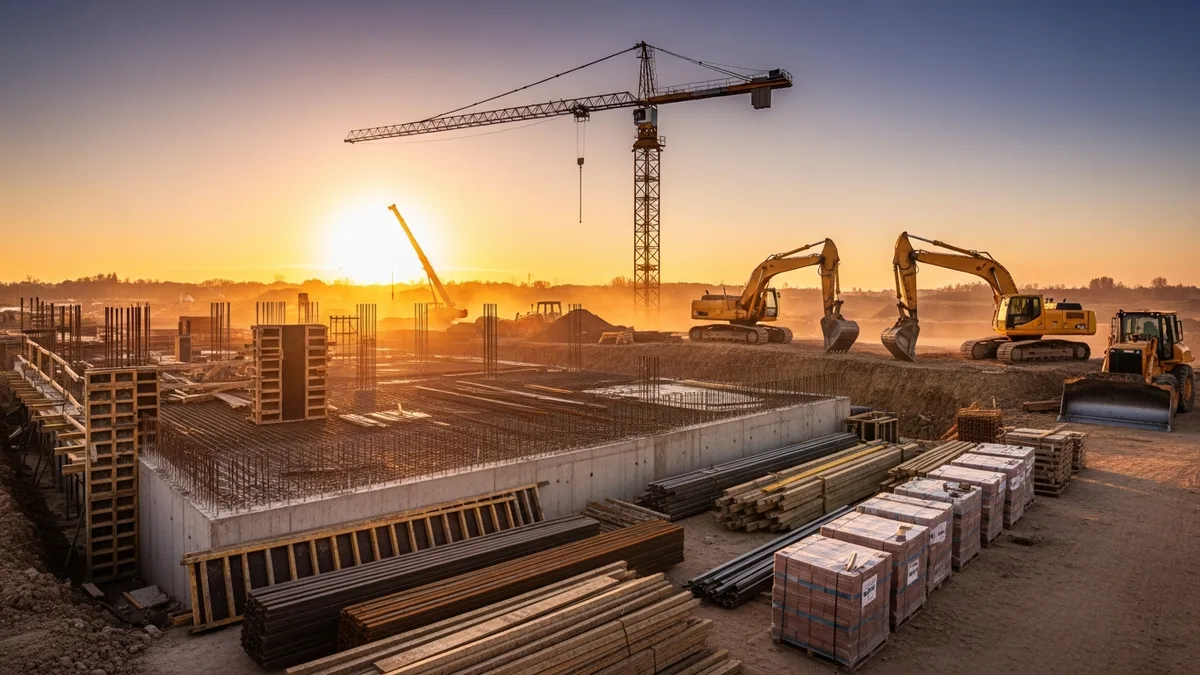
Elevator pits and machine rooms sit at the intersection of structural, mechanical, electrical, and elevator trades. When everything lines up, the elevator goes in without a hitch. When something is off by even a couple of inches, you are looking at expensive rework that can set the whole project back weeks.
I have seen general contractors lose thousands of dollars because they poured an elevator pit two inches too shallow or forgot to rough in a dedicated circuit for the machine room. These are not the kind of mistakes you can patch over. Concrete does not forgive, and neither do elevator inspectors.
This guide covers every requirement you need to know about elevator pits and machine rooms, from dimensions and waterproofing to ventilation, electrical, and the inspection process. Whether you are building your first mid-rise or your fiftieth, this is the stuff that keeps your project on track and your elevator inspector happy.
Elevator Pit Dimensional Requirements and Structural Specs
The elevator pit is the concrete-lined space below the lowest landing that houses the elevator buffer, compensating chains or ropes, and the bottom of the car when it reaches the ground floor. Getting the dimensions right is non-negotiable because the elevator manufacturer designs their equipment around a specific pit geometry.
Pit depth varies by elevator type. Hydraulic elevators generally need a pit between 4 and 6 feet deep, measured from the finished floor of the lowest landing to the pit floor. Traction elevators, which use counterweights and cables, typically need 6 to 8 feet or deeper depending on speed and capacity. High-speed elevators in tall buildings can require pit depths of 10 feet or more.
Here is what you need to nail down before any concrete work starts:
- Get the manufacturer’s pit layout drawing first. This drawing specifies exact depth, width, length, and the location of every embed, blockout, and anchor bolt. Do not pour off generic dimensions from a specification book.
- Pit width and length must accommodate the guide rails, buffers, and any pit equipment with required clearances. ASME A17.1 mandates specific clearances between moving parts and pit walls.
- Floor flatness matters. The pit floor should be level to within 1/4 inch across its full dimension. Uneven floors cause problems with buffer alignment and sump pump operation.
- Pit walls must be smooth, plumb, and free of projections. The elevator installer needs clean walls to mount guide rail brackets and other hardware.
- Structural capacity of the pit floor must handle the buffer impact loads specified by the elevator engineer. This is not a standard slab on grade. Your structural engineer needs the elevator manufacturer’s reaction force data to design the pit floor thickness and reinforcement.
The pit also needs a recessed area for the sump pit, typically in one corner. This recess must be coordinated with the structural design so you are not cutting rebar after the pour. Check out our construction rebar placement and reinforcement inspection guide for more on getting your reinforcement right before the concrete truck shows up.
One more thing: the pit must have a permanent ladder that meets OSHA requirements for fixed ladders. This is for maintenance access, and inspectors check for it every time.
Waterproofing and Drainage Systems for Elevator Pits
Water in an elevator pit is one of the most common problems on commercial projects, and one of the most expensive to fix after the fact. Elevator equipment is not designed to operate in standing water. Moisture causes corrosion, electrical faults, and safety hazards that will shut down your elevator until the problem is resolved.
Waterproofing is the GC’s responsibility. The elevator subcontractor expects to install their equipment into a dry pit. If water shows up after installation, the GC is on the hook for remediation, and that often means removing elevator components to access the pit walls and floor.
Not sure if Projul is the right fit? Hear from contractors who use it every day.
Here is how to keep your pit dry:
- Below-grade waterproofing membrane is required on all pit walls and the pit floor. This is typically a sheet-applied or fluid-applied membrane installed on the positive (exterior) side of the concrete. Negative-side waterproofing (crystalline or cementitious coatings on the interior) can work as a secondary measure but should not be your only line of defense.
- Waterstops at all construction joints are critical. The joint between the pit floor and walls is the most common leak point. Use a PVC or bentonite waterstop embedded in the concrete at every construction joint.
- Sump pit and pump are required by ASME A17.1. The sump must be at least 24 inches deep with an 18-inch minimum diameter. The pump must be rated to handle the expected water infiltration and must have a high-water alarm that connects to the building management system.
- Pit drain connections must comply with local plumbing codes. Some jurisdictions require an oil interceptor before discharge since hydraulic elevators use oil that could potentially leak into the pit.
For a deeper look at waterproofing strategies below grade, our construction waterproofing below grade foundations guide covers membrane selection, surface prep, and common failure points.
Pro tip: Schedule a water test before the elevator installer mobilizes. Fill the pit with a few inches of water and let it sit for 48 hours. If you see any infiltration through the walls or floor, fix it now. It is infinitely cheaper to address waterproofing issues in an empty pit than after elevator rails and equipment are installed.
The site drainage around the building also plays a role. If your site grading directs water toward the building foundation, your elevator pit will be fighting hydrostatic pressure no matter how good the membrane is. Our construction site drainage and water management guide breaks down how to keep water away from your foundation in the first place.
Machine Room Layout, Ventilation, and Climate Control
The elevator machine room houses the motor, controller, governor, and electrical disconnects that run the elevator. ASME A17.1 has strict requirements for this space, and elevator inspectors know every one of them.
Location depends on the elevator type. Hydraulic elevators typically have the machine room at the lowest landing level, adjacent to or near the hoistway. Traction elevators traditionally have the machine room directly above the hoistway at the top of the building. Machine-room-less (MRL) elevators put the equipment inside the hoistway itself, but even MRL installations need a dedicated electrical panel space and controller cabinet that must meet similar environmental requirements.
Room dimensions come from the elevator manufacturer. Do not guess. The manufacturer’s layout drawing specifies minimum room dimensions, door size and swing direction, floor load capacity, and equipment clearances. Most machine rooms need a minimum ceiling height of 8 feet, though many installations require more.
Climate control is not optional. Elevator controllers and motors generate heat, and they are sensitive to temperature extremes and humidity. Requirements include:
- Temperature range of 55 to 95 degrees Fahrenheit, though many manufacturers specify a tighter range of 60 to 90 degrees.
- Relative humidity below 80 percent, non-condensing.
- Dedicated HVAC system that serves only the machine room. You cannot tie the machine room into the building’s general HVAC zone. The heat load from elevator equipment requires a standalone system sized by an HVAC engineer who has the manufacturer’s heat rejection data.
- Ventilation for hydraulic machine rooms must also address oil vapor. Hydraulic power units generate heat and can produce oil mist, so the ventilation system needs adequate air changes to keep the room safe and comfortable for maintenance technicians.
For guidance on HVAC system selection and sizing for specialty spaces like machine rooms, our construction HVAC system selection commercial guide is a solid resource.
Access requirements are another common trip-up. The machine room door must be at least 30 inches wide (36 inches is better and required by some manufacturers for equipment replacement), must swing outward or slide, and must have a self-closing, self-locking mechanism. Only authorized personnel should have access. The room must have permanent lighting with a switch at the entrance and at least one GFCI outlet for maintenance equipment.
The floor must be smooth, sealed concrete that can handle the weight of the equipment plus any replacement components that need to be moved in during the life of the building. The structural engineer needs the equipment weights and any dynamic loads from the manufacturer.
Electrical Requirements and Code Compliance
Electrical work in elevator pits and machine rooms falls under both the National Electrical Code (NEC Article 620) and the elevator safety code (ASME A17.1). These two codes overlap and sometimes differ in their requirements, so your electrician needs to know both.
Machine room electrical requirements include:
- Dedicated feeder circuit from the main electrical room to the machine room. This feeder must be sized per NEC 620.13 based on the motor nameplate current, controller requirements, and any car lighting loads.
- Main line disconnect inside the machine room, located within sight of the controller. This is a fused disconnect switch or circuit breaker that the elevator mechanic uses to lock out the system for maintenance. It must be the type that can be locked in the open position.
- Separate lighting circuit for the machine room that is independent of the elevator power supply. If the elevator trips its breaker, the machine room lights must stay on so the mechanic can see what they are doing.
- GFCI protection for all receptacles in the machine room and the elevator pit per NEC 620.85.
- Pit lighting with a switch accessible from the pit access door. The pit must have adequate illumination for maintenance work.
- Shunt trip breaker for the main disconnect, connected to the fire alarm system. When the building fire alarm activates, the shunt trip cuts power to the elevator after the car completes its fire service recall sequence.
Grounding is critical and often done wrong. The elevator hoistway, machine room equipment, guide rails, and all metallic components must be bonded to the building grounding system per NEC 250. Poor grounding causes nuisance faults, erratic elevator behavior, and safety hazards.
If you are coordinating the electrical rough-in across multiple trades, our construction electrical rough-in guide covers sequencing and common coordination issues that apply here.
Fire alarm integration adds another layer. The elevator must tie into the building fire alarm system for Phase I recall (automatic) and Phase II operation (firefighter use). This requires dedicated fire alarm initiating devices in the elevator lobby, hoistway, and machine room, plus the control wiring between the fire alarm panel and the elevator controller. Our construction fire protection guide covers the broader fire protection coordination that intersects with elevator installations.
Code compliance tip: Get the elevator manufacturer’s electrical requirements document early and hand it to your electrical sub before they start rough-in. The number of change orders caused by electricians working off generic specs instead of the actual manufacturer requirements is staggering.
Inspection Process and Common Failure Points
Elevator inspections are handled by the authority having jurisdiction (AHJ), which in most states is either a state elevator board inspector or a third-party inspection agency. These inspectors are thorough, and they will not sign off on a certificate of occupancy until every requirement is met.
The inspection typically happens in stages:
- Rough-in inspection of the pit and hoistway before the elevator installer begins work. The inspector checks pit dimensions, waterproofing, sump pump, ladder, lighting, and electrical rough-in.
- Equipment inspection after the elevator installer finishes their work. This covers guide rail alignment, car and counterweight installation, safety devices, door equipment, and controller setup.
- Final acceptance test including full-load and no-load runs, safety device tests, fire service recall, and emergency power operation.
Common failure points that GCs can prevent:
- Pit too shallow. This is the most expensive failure because it requires cutting concrete. Always verify the pit depth against the manufacturer’s drawing, not the architectural plans (which sometimes have outdated or generic dimensions).
- Missing or undersized sump pump. Inspectors check that the sump is the right size and that the pump works. A dry pit with no pump installed will fail.
- No pit ladder or wrong ladder type. The ladder must be a permanent, fixed ladder meeting OSHA standards. A removable ladder will not pass.
- Machine room temperature out of range. If the inspector visits on a hot day and the machine room is over 95 degrees, you fail. Have the HVAC system operational before the inspection.
- Storage in the machine room. This is an automatic failure. Clear out every item that is not elevator equipment before the inspector arrives.
- Missing or wrong electrical disconnects. The main line disconnect must be lockable, visible from the controller, and properly labeled.
- Inadequate lighting in the pit or machine room. Both spaces need permanent, code-compliant lighting.
- Fire alarm integration not complete. Phase I recall must be fully functional and tested.
Documentation matters. Have the following ready for the inspector: elevator manufacturer’s layout drawings, electrical schematic, fire alarm sequence of operations, load test certificates, and the installer’s acceptance test data. Missing paperwork slows down the inspection and can delay your CO.
Keeping all of this organized is a lot easier when your project management software actually tracks submittals and inspection milestones. If you are still juggling spreadsheets and email threads, check out our commercial construction software guide for a better approach.
Coordinating Elevator Work Across Multiple Trades
Elevator pits and machine rooms touch almost every trade on the project: structural, concrete, waterproofing, plumbing, electrical, HVAC, fire alarm, and the elevator installer. Without tight coordination, you end up with conflicts, rework, and finger-pointing.
Here is the coordination sequence that works:
-
Start with the elevator manufacturer’s drawings. These drawings are the single source of truth for pit dimensions, machine room layout, electrical requirements, and structural loads. Get these into the hands of every affected trade before they start their shop drawings.
-
Hold a dedicated elevator coordination meeting with the structural engineer, electrician, plumber, HVAC contractor, fire alarm sub, and elevator installer. Walk through every interface point: pit embeds, blockouts, conduit routes, drain connections, HVAC ductwork, and fire alarm wiring. This one meeting can prevent tens of thousands of dollars in rework.
-
Sequence the work correctly. The typical sequence is:
- Structural concrete for pit walls and floor (with waterstops and embeds)
- Waterproofing membrane application
- Sump pump and pit drain installation
- Electrical rough-in (conduits, junction boxes, disconnect backing)
- HVAC rough-in for machine room
- Fire alarm device rough-in
- Water test of the pit
- Elevator installer mobilizes
-
Track submittals aggressively. The elevator shop drawings need to be approved before the structural engineer finalizes the pit design. The electrical submittals depend on the elevator manufacturer’s power requirements. If any submittal in this chain is late, every downstream trade gets pushed.
-
Protect the finished pit. Once the pit is waterproofed and the concrete is cured, treat it like finished space. Do not let other trades dump debris, store materials, or route unauthorized piping through the pit or hoistway. Damage to the waterproofing membrane at this stage is costly to repair and easy to prevent.
Construction projects with tight schedules and multiple trades working on top of each other need solid project management tools to keep everything straight. Tracking RFIs, submittals, inspection dates, and trade coordination through a centralized system saves time and cuts down on the miscommunication that leads to rework. Projul’s construction project management software gives you one place to manage all of it, so nothing falls through the cracks.
Getting elevator pits and machine rooms right comes down to preparation. Get the manufacturer’s drawings early, coordinate with every trade before concrete is poured, and follow the code requirements to the letter. The elevator inspector does not care about your schedule or your budget. They care about safety and code compliance, and so should you. Build it right the first time, and the elevator goes in smooth. Cut corners, and you will be cutting concrete.
Ready to see how Projul can work for your crew? Schedule a free demo and we will walk you through it.
DISCLAIMER: We make no warranty of accuracy, timeliness, and completeness of the information presented on this website. Posts are subject to change without notice and cannot be considered financial advice.
Frequently Asked Questions
What is the standard depth for an elevator pit?
Does every elevator pit need a sump pump?
What temperature does an elevator machine room need to maintain?
Can an elevator machine room be used for storage?
Who is responsible for elevator pit waterproofing on a commercial project?
Related Articles

BIM Clash Detection: How to Catch Conflicts Before They Cost You on the Jobsite
BIM Clash Detection: How to Catch Conflicts Before They Cost You on the Jobsite Every contractor has a story about the...
Read More →
Asphalt Paving and Compaction Guide: Mix Types, Laydown Temperatures, and Quality Testing
Asphalt paving looks straightforward from a distance. A truck dumps material, the paver lays it down, and rollers...
Read More →
Construction Jobsite Wi-Fi & Connectivity Guide: Setting Up Reliable Internet in the Field
A practical guide to getting reliable internet on construction job sites. Learn about cellular hotspots, mesh networks,...
Read More →