
Construction Estimating to Field Handoff Guide | Projul
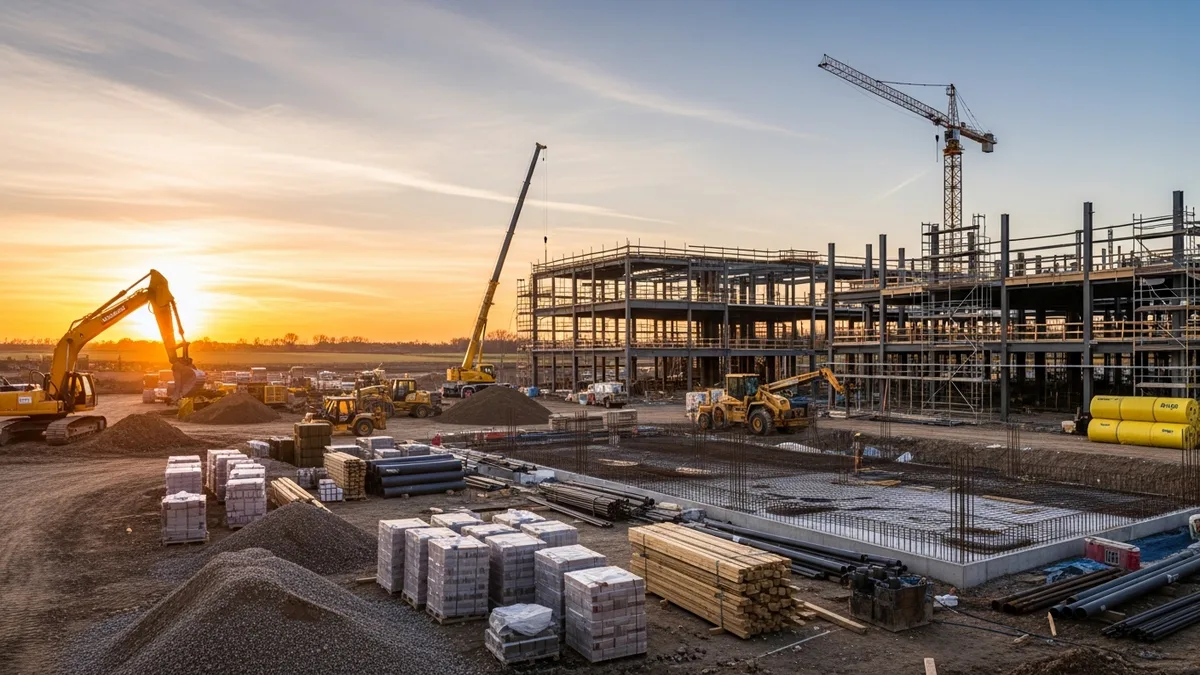
Every contractor has a version of this story. The estimator wins a job, hands off a stack of paperwork (or a forwarded email chain), and moves on to the next bid. Two weeks later the superintendent calls, frustrated, asking questions that should have been answered before the first shovel hit dirt.
“Where’d the number for that retaining wall come from?”
“Did we include demo in our price or is that on the owner?”
“Who’s the electrical sub, and what did we actually buy from them?”
Sound familiar? You’re not alone. The handoff between estimating and field operations is one of the most broken processes in construction. And it’s costing contractors real money, not in some abstract “efficiency” sense, but in hard dollars lost to rework, busted budgets, and change orders that should have been caught before they became problems.
This guide breaks down why the handoff fails, what information needs to transfer, and how to build a process that actually works. No fluff. Just the stuff that keeps projects from going sideways before they even start.
Why the Estimating-to-Field Handoff Breaks Down
Let’s be honest about what’s really happening. Most estimators are juggling five to ten bids at any given time. When one hits, they’re already deep into the next pursuit. The “handoff” ends up being a PDF of the estimate, maybe a set of plans, and a five-minute conversation in the hallway.
The field team, meanwhile, is finishing up their current project and doesn’t have bandwidth to dig through an estimate they didn’t build. They skim it, make assumptions, and start building. That’s where the wheels come off.
Here’s what’s actually breaking:
No single source of truth. The estimate lives in one system, the schedule in another, the subcontractor quotes in someone’s email, and the site visit notes on a legal pad in the estimator’s truck. When the field team needs answers, they’re chasing ghosts.
Assumptions stay in the estimator’s head. Every estimate is built on dozens of assumptions. Production rates, crew sizes, equipment availability, phasing sequences, access restrictions. If those assumptions don’t transfer to the field, the superintendent is building blind.
Scope gaps hide in the details. The estimator knows exactly what was included and excluded. The field team assumes everything is covered unless told otherwise. That disconnect is where cost overruns are born.
Timing pressure kills thoroughness. There’s always urgency to mobilize. The owner wants to start yesterday. So the handoff gets compressed, details get skipped, and everyone promises to “figure it out as we go.” They never do.
If you’ve ever dealt with common estimating mistakes bleeding into the field, you know this pain. The errors don’t show up in the estimate. They show up in the trailer three weeks into the job.
What Information Actually Needs to Transfer
Here’s where most contractors fall short. They think the handoff is about passing along the estimate and the plans. It’s not. The estimate and plans are just the starting point. The real value is in the context behind the numbers.
A proper handoff package should include:
The estimate breakdown with notes. Not just line items and totals. The field team needs to see how labor hours were calculated, what production rates were assumed, and where contingency was built in. If your estimating tools track these details, make sure they carry forward.
Scope inclusions and exclusions. This is non-negotiable. Write down every single thing that is and isn’t in your number. “We included one coat of primer and two finish coats on interior walls” is useful. “Painting: $47,000” is not.
Subcontractor scope sheets and quotes. The field team needs to know what each sub actually priced. Not a summary. The actual quote with their inclusions, exclusions, and qualifications. This matters when the sub shows up and says “that’s not in my number.”
Site-specific conditions. Soil conditions, access limitations, utility locations, neighbor concerns, HOA restrictions, permit conditions. Anything the estimator learned during the site visit or plan review that affects how the work gets done.
Contract requirements that affect field operations. Liquidated damages, milestone dates, specific inspection requirements, owner-mandated work hours, LEED or sustainability requirements. The field team needs to know what they’re contractually on the hook for.
Vendor commitments and pricing timelines. Material quotes expire. If the estimate was built on a lumber package that’s only good for 30 days, the superintendent needs to know that on day one, not day 31 when the price has jumped 12%.
Takeoff quantities and methodology. Share the actual takeoffs so the field can verify quantities and understand how areas were calculated. Having solid takeoff documentation eliminates the guessing game when it’s time to order materials.
Think of it this way: if the estimator got hit by a bus tomorrow, could the field team build this project from what’s in the handoff package? If the answer is no, your handoff isn’t complete.
Building a Handoff Process That Sticks
Knowing what needs to transfer is one thing. Building a repeatable process is another. Here’s what works in practice.
Create a standard handoff checklist. We’ve written about this in detail in our project handoff checklist guide, but the short version is this: build a checklist that covers every item listed above, and don’t let a project move to field operations until every box is checked. No exceptions.
Schedule a formal handoff meeting. This is not optional. Block 60 to 90 minutes on the calendar. Get the estimator, PM, and superintendent in the same room (or on the same call). Walk through the estimate line by line. Let the field team ask every question they have. Record action items and assign owners.
The estimator presents, the field team interrogates. The meeting should feel like a deposition, not a lecture. The superintendent’s job is to poke holes, challenge assumptions, and identify risks. If the meeting is comfortable, you’re probably not digging deep enough.
Document everything discussed. Meeting notes, action items, follow-up deadlines. Put them somewhere everyone can access. If someone says “I thought we talked about that,” you need to be able to pull up the record.
Allow a review period after the meeting. Don’t expect the field team to absorb everything in one sitting. Give them a week to review the package, walk the site with the estimate in hand, and come back with round-two questions. This is where the real understanding happens.
Assign a single point of contact for post-handoff questions. Usually this is the PM, but it could be the estimator for the first few weeks. The point is that the field team shouldn’t have to wonder who to call when something doesn’t add up.
The key is consistency. Do this the same way every single time, regardless of project size. The $50,000 bathroom remodel gets the same process as the $5 million office build. Scale the meeting length, sure, but don’t skip steps.
Common Handoff Failures (and How They Cost You Money)
Let’s get specific about what goes wrong and what it actually costs. These aren’t hypotheticals. These are stories that play out on job sites every week.
Failure: Excluded scope isn’t communicated. The estimator excluded temporary power from the GC scope because the owner said they’d handle it. Nobody told the superintendent. He rents a generator for three weeks at $800 per week. The owner won’t reimburse because it’s “the contractor’s responsibility to know their own scope.” That’s $2,400 gone because of a five-second conversation that didn’t happen.
Failure: Labor assumptions don’t match reality. The estimate assumed a four-man crew for framing at 400 square feet per day. The superintendent puts a three-man crew on it because nobody told him the rate assumption. Production falls behind. Now you’re paying overtime to catch up, and you’re eating the difference between what was bid and what it actually cost.
Failure: Sub quotes expire before buyout. The estimator got a great number from a concrete sub, but the quote was only good for 45 days. The PM doesn’t buy out the sub until day 60. Price went up $18,000. That margin you thought you had? Gone.
Failure: Site conditions aren’t relayed. The estimator noted during the site visit that the access road floods during rain. The superintendent finds out the hard way when a concrete truck gets stuck and the pour gets delayed a full day. Direct cost: $3,500 for the tow and re-pour. Indirect cost: schedule slip that cascades for two weeks.
Failure: Blueprint details get overlooked. Changes between plan revisions go unnoticed when the latest set isn’t clearly identified. If your team struggles with managing blueprints and revisions, those discrepancies multiply fast. A superintendent building from the wrong revision can mean tearing out and redoing entire sections.
Every one of these failures has the same root cause: information that existed somewhere didn’t make it to the person who needed it. That’s not a people problem. That’s a process problem. And process problems have process solutions.
Using Technology to Close the Gap
Let’s talk about tools. Not because technology is the answer to everything, but because the right system makes a good process almost automatic.
Not sure if Projul is the right fit? Hear from contractors who use it every day.
The biggest issue with most handoffs is that information lives in too many places. The estimate is in a spreadsheet. The schedule is in a separate app. The sub quotes are in email. The site photos are on someone’s phone. The contract notes are in a Word doc on a shared drive.
When you bring all of that into one platform, the “handoff” becomes less about physically transferring information and more about granting access. The field team doesn’t need a briefcase full of documents. They need a login.
Here’s what to look for:
Estimates that connect to schedules. When your estimating feeds directly into your scheduling, the field team sees how the bid was structured and can build their execution plan around the same logic. No translation, no re-entry, no “the estimate said one thing but the schedule says another.”
Daily logs that reference the estimate. When your daily log system ties back to estimated quantities and budgeted hours, the PM can see in real time whether field production matches the bid assumptions. That’s how you catch problems at week two instead of month two.
Document control that’s actually controlled. Plans, specs, submittals, RFIs, and sub quotes all need to live in one place with version control. If you’ve ever dealt with the chaos of scattered documents, you know the importance of solid document control practices.
Mobile access for the field. Your superintendent isn’t sitting at a desk. Whatever system you use, it needs to work on a phone or tablet at the job site. If accessing the estimate requires a desktop computer and a VPN, your field team won’t use it.
Reporting that flags variances. The best systems automatically compare actual costs and production to estimated values. When framing labor is running 20% over budget, you want to know now, not at the end of the job when you’re writing the post-mortem.
The goal isn’t to replace the handoff meeting or the human conversation. Those are still critical. The goal is to make sure that every piece of context the estimator captured is accessible to the field without anyone having to ask for it.
If you want to see how this works in practice, grab a demo and we’ll walk you through how Projul connects the bid to the build.
Making It Part of Your Culture
Process only works if people follow it. And people only follow processes that are simple, quick, and clearly valuable. Here’s how to make the handoff process stick.
Start with leadership buy-in. If the owner or VP of operations doesn’t care about the handoff process, nobody else will either. It needs to come from the top, and it needs to be enforced consistently.
Make estimators accountable for handoff quality. If you measure your estimators only on win rate, they’ll spend all their energy chasing bids and none on handoff quality. Add handoff completeness to their performance reviews. Tie a small bonus to post-handoff field satisfaction. What gets measured gets done.
Make superintendents accountable for asking questions. The handoff meeting isn’t a one-way street. If the superintendent accepts the handoff without asking questions and then complains about missing information later, that’s on them. Set the expectation that the field team is responsible for getting the answers they need before mobilization.
Do post-project handoff reviews. After every project, spend 30 minutes reviewing what information was missing or miscommunicated during the handoff. Feed those lessons back into the checklist. This is how your process gets better over time.
Keep it simple. If your handoff checklist is four pages long, nobody will use it. If the handoff meeting requires two hours of prep from the estimator, it’ll get skipped. Design the process for busy people who are already stretched thin. One page. One meeting. One system. That’s all it takes.
Train new hires on the process from day one. When a new estimator or superintendent joins the team, the handoff process should be part of their onboarding. Don’t let them develop bad habits before learning the right way.
Here’s the truth that nobody wants to hear: the handoff problem isn’t a mystery. Everyone knows what goes wrong and why. The difference between companies that struggle with it and companies that don’t is simply discipline. The companies that get it right do the same boring things every single time. They have a checklist, they hold the meeting, they use one system, and they don’t make exceptions.
It’s not complicated. It’s just consistent.
The handoff between estimating and field operations will always be one of the most important transitions in any construction project. Get it right, and your projects start on solid footing with field teams that know exactly what was sold, what was assumed, and where the risks live. Get it wrong, and you’re fighting uphill from day one, burning margin on problems that should have been solved before the project ever broke ground.
Want to see this in action? Get a live demo of Projul and find out how it fits your workflow.
Pick a process. Write it down. Follow it every time. That’s it. That’s the whole secret.
Frequently Asked Questions
What information is most commonly lost during the estimating to field handoff?
How long should a formal handoff meeting take?
Who should attend the estimating to field handoff meeting?
When should the handoff happen relative to the project start date?
Can construction management software actually fix the handoff problem?
Related Articles
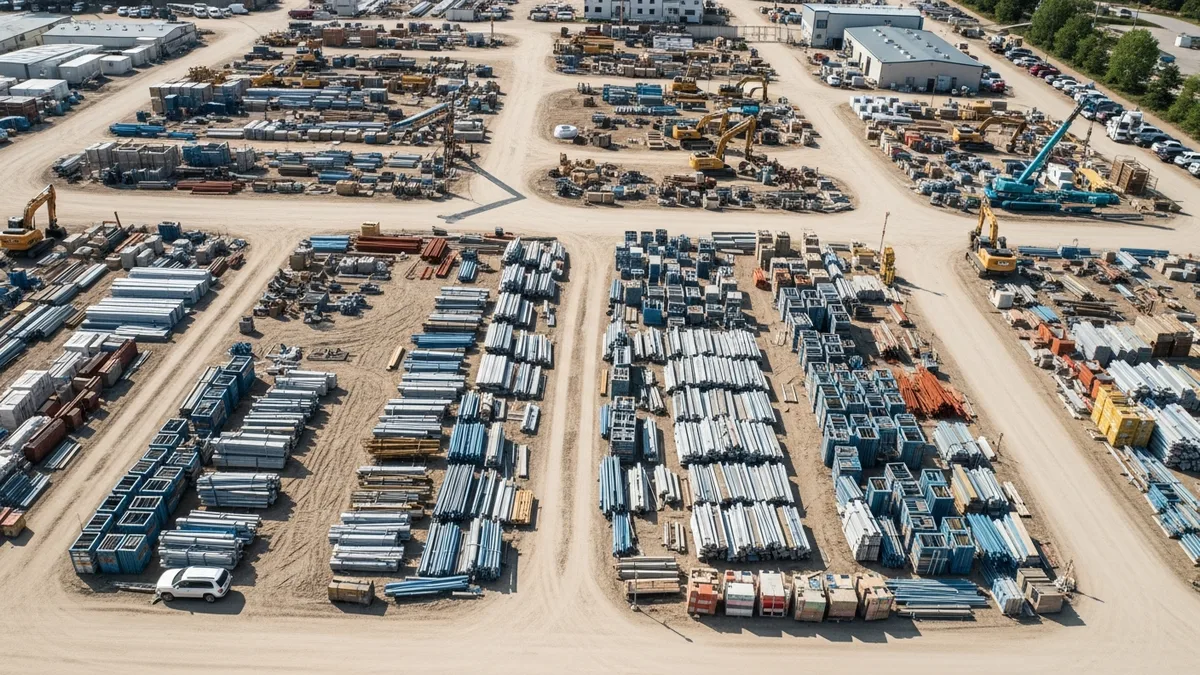
Construction Inventory Management: How to Track Materials Across Multiple Jobsites
How to track materials across multiple jobsites so nothing gets lost, wasted, or double-ordered.
Read More →
Construction Preconstruction Planning: How to Set Up Every Project for Success
The best contractors win or lose a project before they ever break ground. Preconstruction planning is where you catch...
Read More →
Construction Time Management: How to Stop Wasting Hours Every Week
Where you're losing hours every week and simple systems to get that time back.
Read More →