
Construction Inventory Management Guide
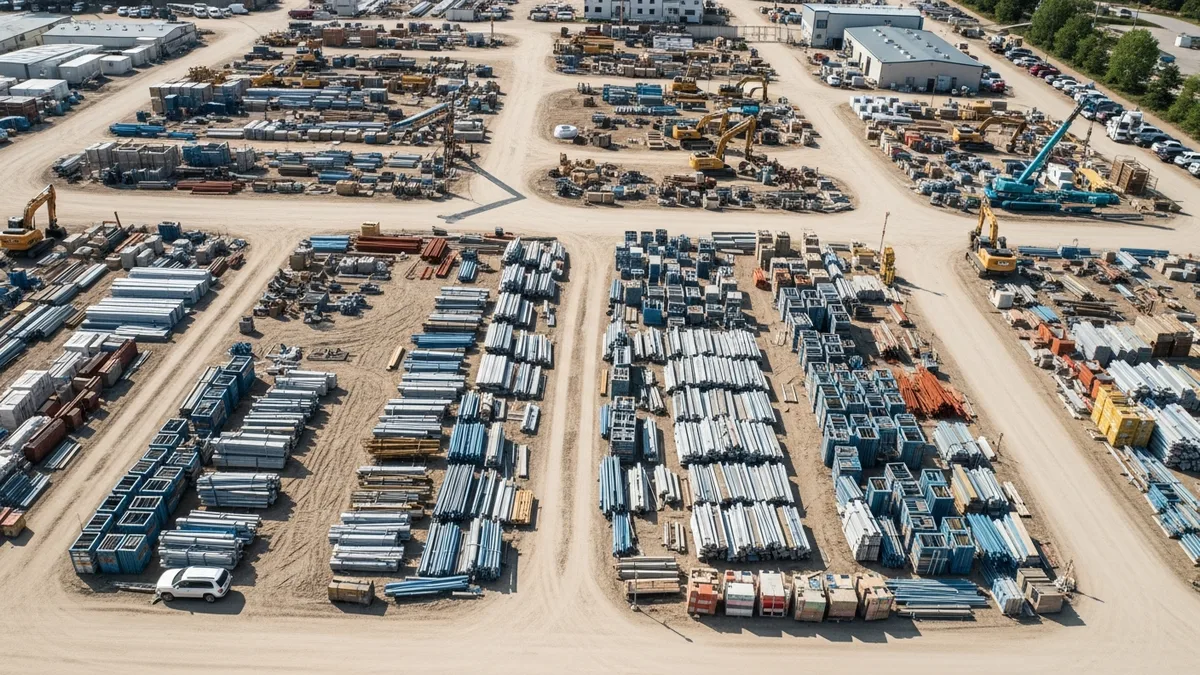
If you’ve ever shown up to a jobsite and realized the framing lumber you ordered last week ended up at your other project across town, you already know why inventory management matters. It’s not a glamorous topic. Nobody got into construction because they love tracking pallets of drywall. But when you’re running two, three, or five jobs at the same time, knowing where your materials are is the difference between a profitable quarter and a painful one.
This guide breaks down how to track materials across multiple jobsites without losing your mind, your money, or your crew’s trust.
Why Material Tracking Falls Apart on Multi-Site Operations
On a single jobsite, keeping tabs on materials is pretty straightforward. You order it, it shows up, your crew installs it. But the moment you add a second or third project, things get complicated fast.
Here’s what usually goes wrong:
- No single source of truth. One PM tracks orders in a spreadsheet. Another uses sticky notes. A third just “remembers.” When nobody is looking at the same information, materials get ordered twice or not at all.
- Deliveries go to the wrong site. Suppliers mix up addresses. Your office gives the wrong job number. A $4,000 load of engineered floor joists ends up at a demo site where nobody needs them.
- Surplus materials disappear. You finish a phase and have leftover materials. Instead of transferring them to the next job that needs them, they sit in a corner, get damaged by weather, or walk off the site entirely.
- Nobody tracks what’s actually been used. Materials arrive, but nobody logs how much got installed versus how much is still sitting on a pallet. When it’s time to reconcile costs, the numbers don’t add up.
The root cause in every case is the same: no system. And “no system” gets more expensive with every job you add.
If you’re juggling multiple projects right now, our guide on managing multiple construction projects covers the broader picture of staying organized across jobs.
Setting Up a Central Inventory System That Actually Works
A good inventory system doesn’t need to be complicated. It needs to be consistent. Every person who touches materials, from the office to the field, needs to follow the same process.
Pick one place to track everything
This is non-negotiable. Whether it’s construction management software or a shared cloud spreadsheet (though software is better for reasons we’ll get into), every material order, delivery, and transfer needs to live in one location.
That means:
- The estimator logs what was included in the takeoff
- The PM logs what was actually ordered
- The super or foreman confirms what arrived on site
- Field crews note what gets installed or moved
When your takeoff numbers feed directly into your ordering and tracking process, you can catch overages and shortages before they become budget problems.
Define your material categories
Not every item needs the same level of tracking. Break your inventory into tiers:
Tier 1: High-value, long-lead items. Custom windows, structural steel, specialty fixtures. These need purchase order numbers, delivery confirmations, and someone physically verifying they arrived undamaged.
Tier 2: Standard bulk materials. Lumber, drywall, concrete, roofing materials. Track quantities ordered versus delivered, and keep a running count of what’s on site.
Tier 3: Consumables and fasteners. Nails, screws, caulk, tape. Don’t waste time counting every box. Instead, set reorder thresholds and let your foreman flag when supplies are running low.
Assign ownership at every site
Every jobsite needs one person responsible for receiving deliveries, logging materials, and flagging issues. It doesn’t have to be a dedicated inventory manager. Your site super or lead foreman can handle it as long as it’s clearly their responsibility and they have a quick way to record what comes and goes.
Daily Habits That Keep Your Inventory Accurate
Systems only work if people use them every day. The contractors who stay on top of materials aren’t doing anything fancy. They’re just consistent about a few simple habits.
Log deliveries the moment they arrive
When a truck pulls up, someone needs to check the packing slip against the purchase order before anything gets unloaded. Count the quantities. Check for damage. Note any discrepancies right then, not at the end of the week when nobody remembers.
Using daily logs to record deliveries alongside your crew’s work progress creates a paper trail that saves you during disputes with suppliers or when reconciling job costs later.
Photograph everything
Take a photo of every delivery before it gets unloaded and after it’s staged. Shoot the packing slips too. If a supplier claims they delivered 200 sheets of plywood and you only received 160, a timestamped photo is worth more than a phone argument.
A good photo and document management system makes this painless. Your crew snaps pictures on their phones, tags them to the right job, and the records are there when you need them.
Do weekly material counts on active jobs
Once a week, walk your sites and do a quick count of what’s on hand versus what your system says should be there. This doesn’t have to take long. For most sites, 15 to 20 minutes will surface any major discrepancies.
The goal isn’t perfection. It’s catching problems while they’re small. A missing bundle of shingles is annoying. A missing pallet of copper pipe is a budget hit.
Transfer materials between sites with a paper trail
When you move surplus materials from one job to another (and you should, because leaving usable materials to rot is literally throwing money away), log it. Record what moved, how much, from which site, to which site, and who authorized the transfer.
Without this step, your job costing goes sideways. One project looks like it over-ordered, and the other looks like it got free materials. Neither picture is accurate, and you can’t make good decisions on bad data.
How Poor Inventory Management Bleeds Your Budget
Let’s talk money, because that’s what this really comes down to.
The double-order problem
When your PM doesn’t know that the drywall for the Smith renovation is already sitting at the Johnson remodel (because nobody logged the surplus), they order another load. Now you’ve got twice the drywall you need, and your supplier doesn’t take returns on delivered materials. That’s a direct hit to your margin.
Theft and shrinkage
Construction sites are targets. Materials left untracked are materials that walk off. The National Equipment Register estimates that construction theft costs the industry billions annually. You’ll never prevent all of it, but knowing exactly what should be on each site makes it a lot easier to spot when something goes missing.
Weather damage to unprotected surplus
Materials that sit around too long get damaged. Rain warps lumber. UV exposure degrades roofing materials. Freezing temps ruin adhesives and sealants. If you don’t know what surplus you have, you can’t protect it or move it to where it’s needed.
Wasted labor
When materials aren’t where they need to be, your crew stands around waiting. Or they drive across town to grab supplies from another site. Or they make a run to the supply house for something that was supposed to be delivered yesterday. Every hour of wasted labor is money you’re not getting back.
Not sure if Projul is the right fit? Hear from contractors who use it every day.
Tying your inventory tracking to your job costing gives you real visibility into how material issues affect your bottom line on each project. When you can see that Site A is 12 percent over budget on materials, you know exactly where to dig in.
For more on keeping material costs in check, take a look at our piece on reducing construction material waste.
Choosing the Right Tools for Material Tracking
You’ve got options here, ranging from low-tech to fully digital. The right choice depends on how many jobs you’re running and how much pain your current process is causing.
Spreadsheets
Best for: One or two active jobs with a small crew. If that describes your operation, our inventory management guide for small contractors goes deeper on lightweight systems that actually work.
A shared Google Sheet or Excel file on OneDrive can work if you keep it simple. Create tabs for each jobsite. Log orders, deliveries, and usage. Share it with your PMs and supers.
Where it breaks down: Spreadsheets don’t update in real time on the jobsite. They’re easy to overwrite. Version control is a nightmare. And good luck getting your framing crew to open a spreadsheet on a phone screen covered in sawdust.
Whiteboard and physical logs
Best for: Single-site operations with a dedicated site office.
Some old-school contractors swear by a whiteboard in the job trailer. It works for the people who can see it. It doesn’t work for the PM sitting in the office 20 miles away.
Construction management software
Best for: Any contractor running more than two active jobs.
Purpose-built software ties your inventory tracking to your scheduling, daily logs, job costing, and document management. Everyone sees the same data in real time. Field crews can update from their phones. The office can run reports without making 10 phone calls.
When you combine material tracking with your project schedule, you can time your orders to match your actual build sequence instead of guessing and stockpiling.
Barcode and QR code scanning
Best for: High-volume operations with large material warehouses.
If you’re running a big enough operation to stock a central warehouse, barcode or QR scanning systems can automate a lot of the counting and tracking. Tag materials when they arrive, scan them out when they go to a site, scan them back in if they return. It’s more setup than most small-to-mid contractors need, but for larger operations it pays for itself quickly.
Building an Inventory Process Your Crew Will Actually Follow
The best inventory system in the world is useless if your field crews won’t use it. Here’s how to make it stick.
Make it stupid simple
If logging a delivery takes more than two minutes, it won’t happen. Your process needs to work on a phone, in the rain, with gloves on. That means big buttons, simple forms, and as few required fields as possible.
Explain the “why” once
Most crews don’t resist tracking because they’re lazy. They resist because nobody told them why it matters. Take five minutes at your next team meeting to explain: “When materials go untracked, we lose money. When we lose money, there’s less for raises and bonuses.” That usually gets people’s attention.
Build it into the daily routine
Don’t make inventory tracking a separate task. Tie it to what crews are already doing. If they’re filling out a daily log at the end of shift, add a line for materials received and used. If they’re taking progress photos, have them snap the material staging area too.
Recognize the people who do it well
When a foreman catches a delivery discrepancy that saves you $2,000, say something. When a crew consistently logs their material usage and their job comes in under budget, let them know it mattered. People repeat behaviors that get noticed.
Audit regularly but don’t micromanage
Spot-check your inventory records against reality every couple of weeks. If the numbers are way off on a particular site, figure out why. Maybe the process needs adjusting. Maybe someone needs more training. Maybe materials are walking off and you need to tighten site security.
The point isn’t to catch people doing things wrong. It’s to keep the system honest so you can trust the data when it’s time to make decisions.
Common Inventory Tracking Mistakes That Cost Contractors Thousands
Even contractors who try to stay organized fall into patterns that quietly drain profits. If any of these sound familiar, you’re not alone, but fixing them now will save you real money over the next 12 months.
Treating inventory as an office task only
One of the biggest mistakes is keeping material tracking locked inside the office. The PM enters orders into a spreadsheet, but the field crew never sees it and never updates it. That gap between what the office thinks is happening and what’s actually on the ground is where money disappears.
Your tracking system has to live in the field. If your foreman can’t pull up current inventory on a phone while standing next to a stack of lumber, the data is already stale by the time anyone looks at it.
Ignoring small discrepancies
A delivery comes in short by 10 sheets of OSB. It’s not a huge deal, so nobody reports it. Next month, the same supplier shorts you again. Over the course of a year, those small discrepancies add up to thousands of dollars in materials you paid for but never received.
Build a habit of logging every discrepancy, no matter how minor. When you have six months of data showing a supplier consistently delivers less than what’s on the invoice, you have leverage to renegotiate or switch vendors.
Not connecting inventory to job budgets
Tracking materials without tying those numbers to your project budgets is like counting calories but never stepping on a scale. You have data, but you’re not using it to make better decisions.
When your inventory records feed into your job costing system, you can see in real time whether a project is trending over budget on materials. That gives you time to adjust before the overrun becomes permanent. Without that connection, you won’t know there’s a problem until the final invoice hits.
Waiting until the end of the project to reconcile
Some contractors treat inventory reconciliation like a tax filing: something you deal with once it’s all over. By then, it’s too late to fix anything. The lumber that went missing three months ago? Gone. The surplus copper that sat in the rain? Corroded and unusable.
Reconcile on a rolling basis. Weekly counts on active jobs. Monthly reviews of material spending versus budget. The more frequently you check, the smaller each correction will be.
Letting too many people place orders
When every foreman, PM, and superintendent can call suppliers directly, you end up with orders that overlap, conflict, or bypass your tracking system entirely. Centralize your purchasing process so that every order goes through one person or one approval workflow. That single chokepoint eliminates most double-ordering before it happens.
Skipping the transfer log
We mentioned this earlier, but it’s worth repeating because it’s one of the most common failures. Moving materials between jobsites without documenting the transfer creates two problems: the sending project looks like it wasted materials, and the receiving project looks like it got them for free. Neither set of numbers reflects reality, which means your estimates on future bids will be based on bad data.
How Construction Software Handles Inventory Better Than Manual Methods
If you’re still running inventory on spreadsheets, whiteboards, or a combination of text messages and memory, here’s what you’re missing by not using purpose-built construction management software.
Real-time visibility across every jobsite
Construction software gives everyone, from the office to the field, a single view of what materials are on hand at every active project. When a delivery arrives at Site A, the foreman logs it on a phone and the PM sees it instantly. When surplus gets transferred to Site B, both job records update at the same time.
That level of visibility is physically impossible with spreadsheets. By the time someone emails an updated file and the PM opens it, the data is already hours old.
Direct connection between materials and project costs
The real power of construction software is how it ties inventory data to everything else: your budget, your schedule, your purchase orders, and your profit margins. When you log materials against a specific job phase, the software automatically updates your live job costs. You don’t have to manually calculate whether you’re over or under on materials because the numbers are right there.
This is also where estimating tools become more accurate over time. When you have real usage data from past projects, your future takeoffs reflect what you actually use, not what the textbook says you should use.
Mobile access that works on a jobsite
Nobody wants to fire up a laptop in a job trailer to log a delivery. Good construction software runs on a phone or tablet. Big buttons, simple inputs, offline capability for sites with spotty service. Your crew can snap a photo of a packing slip, tag it to the right project, and move on in under a minute.
That low friction is what separates systems people actually use from systems that collect dust.
Scheduling and material coordination
When your inventory tracking connects to your project schedule, you can time material deliveries to land exactly when each phase of work begins. That means less material sitting on site exposed to weather, theft, and damage. It also means fewer delays caused by waiting on deliveries that should have arrived last week.
For contractors running three or more projects simultaneously, this coordination alone can save hours of phone calls and prevent costly scheduling conflicts.
Automated alerts and reorder triggers
Instead of relying on someone to notice that you’re running low on fasteners or sealant, construction software can flag low-stock items automatically. Set a threshold for each material category, and the system notifies the right person when it’s time to reorder. No more emergency supply house runs at 6 AM because the crew showed up to an empty staging area.
Reporting that tells you where the money went
At the end of a project (or midway through), you need to know: How much did we spend on materials? How does that compare to the estimate? Where did we go over? Where did we come in under?
Construction software generates those reports in seconds. Spreadsheets require hours of manual assembly, and the result is usually riddled with formula errors and missing entries. With clean data, you can dial in your pricing strategy and make sure future bids actually reflect your true costs.
Ready to Stop Guessing Where Your Materials Are?
If you’ve read this far, you probably recognize at least a few of these problems in your own operation. The good news: fixing them doesn’t require a massive overhaul. It starts with getting the right tool in place and committing to a consistent process.
Projul is built for contractors who run multiple jobs and need to keep materials, costs, and schedules connected in one place. Check our pricing page to see which plan fits your operation.
Instead of piecing together spreadsheets, text threads, and sticky notes, give your team one system that everyone can access from the office or the field. Your material tracking feeds into your job costing, your scheduling, and your daily logs, so nothing lives in isolation.
Schedule a free demo and see how Projul handles inventory, purchasing, and material coordination for real contractors running real projects. No pressure, no 45-minute sales pitch. Just a walkthrough of how it works and whether it fits your operation.
FIFO vs LIFO: Which Material Rotation Method Works for Construction
If you’ve ever opened a pallet of adhesive only to find half the tubes expired, you already understand why material rotation matters. FIFO (first in, first out) and LIFO (last in, first out) are inventory rotation methods borrowed from warehousing and manufacturing, but they apply directly to how you stage and consume construction materials.
FIFO is the default for most construction materials
FIFO means you use the oldest materials first. The lumber that arrived three weeks ago gets installed before the load that showed up yesterday. This approach works best for materials with shelf lives, cure dates, or degradation risks.
Materials that demand FIFO rotation include:
- Adhesives, sealants, and caulks. Most have expiration dates between 6 and 18 months. Using the oldest stock first prevents waste from expired product that has to get thrown away.
- Concrete admixtures and grout. Chemical properties change over time. Old stock that sits too long can affect cure times and structural integrity.
- Paint and coatings. Separation, skinning, and viscosity changes happen in storage. Rotate oldest cans forward so they get used while they’re still good.
- Treated lumber. While it lasts longer than untreated wood, prolonged UV and moisture exposure in a staging yard degrades the treatment chemicals. Use what arrived first.
- Roofing materials. Shingles and membrane rolls stored outdoors can warp, stick together, or lose granule adhesion over weeks of sun exposure.
When LIFO makes practical sense
LIFO means you use the newest materials first, typically because they’re the most accessible. In construction, LIFO isn’t usually a deliberate choice. It happens when new deliveries get stacked on top of old ones and crews grab from the top of the pile because it’s easier.
There are a few cases where LIFO is acceptable:
- Non-perishable structural steel and rebar. These materials don’t degrade meaningfully in normal timeframes. Grabbing the most accessible pieces keeps the workflow moving without any real cost.
- Aggregates and sand. Piles of gravel or sand don’t expire. Using from the top of the pile is fine.
- Fasteners and hardware. Nails, bolts, and brackets stored in a dry area have essentially unlimited shelf life. Rotation order doesn’t matter.
The real-world problem: accidental LIFO on perishable materials
Most material waste from poor rotation isn’t intentional. It happens because deliveries stack up, and nobody moves old stock to the front. A fresh pallet of drywall mud arrives and gets staged right in front of last month’s shipment. Crews grab the new stuff because it’s closest. Three months later, someone discovers 40 buckets of dried-out compound behind the pile.
The fix is simple staging discipline. When new deliveries arrive, move older stock forward or to a more accessible position before unloading the new material behind it. Label pallets with delivery dates using a paint marker. It takes five minutes per delivery and saves hundreds of dollars over the course of a project.
Tracking delivery dates in your purchase order system makes this even easier. When every order has a logged delivery date, your foreman can check which materials have been sitting longest and prioritize using those first.
Warehouse vs Jobsite Storage: Where Should Materials Live
Where you store materials has a direct impact on waste, theft, project timelines, and your cash flow. Most contractors default to delivering everything straight to the jobsite, but that’s not always the smartest move. Understanding when to use a central warehouse versus jobsite staging can save thousands per project.
The case for a central warehouse
A central warehouse or storage yard gives you one controlled location where you can receive bulk orders, inspect deliveries, and distribute materials to jobsites as needed. This approach works well when:
- You run three or more concurrent projects. A warehouse lets you buy in bulk at better pricing and distribute to sites on your schedule rather than the supplier’s.
- Lead times are long and unpredictable. Ordering specialty items early and warehousing them until the jobsite is ready prevents schedule delays. If custom windows have a 10-week lead time, you don’t want to wait until week 8 of the build to place the order.
- Theft or vandalism is a concern. A warehouse with proper security (locks, cameras, fencing, limited access) is far safer than an open jobsite overnight or over weekends.
- Weather exposure would damage materials. Climate-sensitive items like hardwood flooring, electronics, and finish materials are better stored in a covered warehouse than on an exposed jobsite.
The trade-off is the cost of the warehouse itself (rent, utilities, insurance) plus the labor and fuel for shuttling materials to sites. For smaller operations running one or two jobs, a warehouse rarely makes financial sense.
The case for jobsite-only storage
Delivering materials directly to the jobsite eliminates double handling. The material goes from the supplier truck to the staging area to the install location. No warehouse loading, no warehouse unloading, no delivery truck to the site.
Jobsite-only storage works best when:
- The jobsite has secure, covered storage. A locked garage, enclosed building, or shipping container on site protects materials without needing a warehouse.
- Deliveries are timed to the build schedule. If materials arrive within a few days of when they’ll be installed, there’s minimal exposure risk. Connecting your deliveries to your project schedule makes this coordination possible.
- The project is in a low-theft area. Rural residential jobs generally have lower theft risk than urban commercial sites.
- Your operation is small enough that bulk purchasing doesn’t generate meaningful savings. If you’re buying materials for one or two houses at a time, the volume discount from bulk buying won’t offset warehouse overhead.
The hybrid approach most mid-size contractors use
The most practical solution for contractors running multiple jobs is a hybrid model. Keep a small storage yard or shared warehouse for high-value and long-lead items, and deliver standard bulk materials directly to jobsites timed to the build schedule.
Here’s how the split typically looks:
Store at the warehouse: Custom-order items waiting for jobsite readiness, surplus materials transferred from completed projects, tools and equipment not currently assigned to a job, weather-sensitive finish materials.
Deliver direct to site: Framing lumber, concrete, drywall, roofing materials, and anything that will be installed within a week of delivery.
The key is tracking materials regardless of where they’re stored. Your inventory system should show what’s in the warehouse and what’s at each site. When a PM needs 20 sheets of plywood and there are 30 sitting in the warehouse from the last project, that transfer should be logged and reflected in your budgeting tools so both projects get accurate cost data.
Storage costs that contractors overlook
Whether you use a warehouse, jobsite storage, or both, storage has costs beyond rent. Factor these into your overhead calculations:
- Insurance. Materials stored at your warehouse are covered under your business policy. Materials at a jobsite may need separate builder’s risk coverage.
- Damage and shrinkage. The longer materials sit, the more likely they get damaged, lost, or stolen. Storage time is risk time.
- Opportunity cost. Materials sitting in storage represent cash you’ve already spent but haven’t converted into installed work. That cash could be earning you money elsewhere. Your budgeting dashboard should reflect materials on hand as committed spend even before installation.
- Handling labor. Every time materials get moved, it costs labor hours. Warehouse to truck, truck to site, staging area to install point. Minimize touches.
Theft Prevention: Protecting Materials on the Jobsite and in Storage
Construction material theft is not a minor inconvenience. It’s a significant and growing problem that directly impacts project budgets, timelines, and contractor profitability. Industry data consistently shows billions of dollars in losses annually across the sector. A single theft event can wipe out the profit margin on an entire project phase.
Why construction sites are prime targets
Construction sites are inherently difficult to secure. They’re often open, spread across large areas, and unmanned during nights and weekends. Materials like copper pipe, lumber, appliances, and power tools are easy to resell. And unlike a retail store where every item has a security tag, most jobsite materials sit on open pallets with no tracking at all.
The three most common theft scenarios on construction projects:
- After-hours external theft. Thieves target sites overnight or on weekends when nobody is present. Copper, appliances, HVAC equipment, and power tools are the most common targets because of their resale value.
- Delivery diversion. Materials get delivered but diverted before they reach the intended jobsite. This can happen through supplier fraud, driver theft, or even internal employees redirecting shipments.
- Internal shrinkage. Materials walk off in small quantities over time. A few boards here, a box of fittings there. Individually these losses seem minor, but over months they add up to serious money.
Physical security measures that actually work
You don’t need to turn your jobsite into a prison, but basic physical security measures pay for themselves many times over:
- Fencing and locked gates. A six-foot chain-link fence with a padlocked gate won’t stop a determined thief, but it stops casual opportunists and establishes a clear boundary that triggers trespassing liability.
- Shipping containers for on-site storage. A locked shipping container is one of the most cost-effective ways to secure materials overnight. Rent runs about $100 to $200 per month depending on your market. That’s cheap insurance against a $5,000 theft.
- Lighting. Well-lit sites are less attractive targets. Motion-activated floodlights are inexpensive and effective. Solar-powered options work on sites without permanent electrical service.
- Camera systems. Battery-powered or solar-powered wireless cameras with cellular connectivity can monitor a site 24/7 without needing internet or power. Many models send motion alerts directly to your phone. Position them at entry points and material staging areas.
- Signage. “This site is under 24/7 video surveillance” signs cost a few dollars and act as a deterrent even if your actual camera coverage is limited.
Inventory tracking as a theft detection tool
Physical security prevents theft. Inventory tracking detects it. You need both.
When your inventory records are accurate and current, unexplained discrepancies become visible quickly. If your system shows 400 linear feet of copper pipe on site and your weekly count finds 320, you know 80 feet went somewhere. Without accurate records, you’d never notice until the final reconciliation when it’s too late to do anything about it.
The faster you detect losses, the more options you have. You can tighten security, review camera footage, adjust delivery schedules, or move high-value materials to more secure storage. If you don’t know something is missing until months later, all those options are gone.
Log every material movement through your purchase order workflow. When materials arrive, log them. When they transfer between sites, log them. When they get installed, log them. The gaps in that chain are where theft hides.
Reducing internal shrinkage
Internal theft is uncomfortable to talk about, but ignoring it costs more than addressing it. The most effective deterrent against internal shrinkage isn’t surveillance or threats. It’s transparency and accountability.
- Make inventory data visible to the crew. When everyone knows that materials are being tracked and counted, casual pilferage drops dramatically. People are less likely to take things when they know it will be noticed.
- Limit material access to authorized personnel. Not everyone on site needs a key to the storage container. Designate one or two people per site who handle material access and logging.
- Conduct random spot checks. Unannounced material counts send a clear message that you’re paying attention without creating a hostile work environment. Keep it professional and routine, not accusatory.
- Build a culture of ownership. When crews understand that material losses affect job profitability, which affects their raises, bonuses, and job stability, they become allies in prevention rather than part of the problem.
Just-in-Time Delivery Scheduling for Construction Projects
Just-in-time (JIT) delivery is a strategy where materials arrive at the jobsite as close as possible to when they’ll actually be installed. Instead of stockpiling everything at the start of a project, you schedule deliveries to match your build phases. Done well, JIT reduces storage needs, minimizes theft exposure, cuts weather damage, and improves cash flow. Done poorly, it creates delays that cost more than the problems it was meant to solve.
How JIT works in a construction context
In manufacturing, JIT means parts arrive at the assembly line minutes before they’re needed. Construction is less precise, but the principle scales well. Instead of ordering all your framing lumber, drywall, roofing, and finish materials at project start, you stagger orders to align with your phase schedule:
- Week 1-2 (foundation): Concrete, rebar, forms, waterproofing. No framing materials on site yet.
- Week 3-5 (framing): Lumber, sheathing, fasteners delivered the day before framing starts. Roofing materials ordered but not yet delivered.
- Week 6-7 (roofing and rough-ins): Roofing materials arrive at the start of week 6. Plumbing and electrical rough-in materials follow.
- Week 8+ (finishes): Drywall, paint, flooring, fixtures, and trim arrive in sequence as each finish phase begins.
This approach means you never have more than one to two phases of materials on site at any time. Your staging area stays manageable. Your exposure to theft and damage stays low. And your cash isn’t tied up in materials sitting in a yard for weeks before anyone touches them.
The scheduling connection
JIT only works when your material deliveries are tightly coordinated with your project schedule. If framing gets delayed by a week due to weather but your drywall delivery was already locked in, you’ve got materials sitting on site with nowhere to go.
This is where connecting your inventory system to your project schedule becomes critical. When a phase shifts, your material delivery dates should shift with it. Construction management software that links scheduling and purchasing makes this adjustment straightforward. Spreadsheets and phone calls make it a logistical headache.
Benefits of JIT delivery on construction projects
Improved cash flow. You’re not paying for materials weeks before you need them. Staggered purchasing means staggered payments, which keeps more cash available for payroll, subs, and other expenses. Your budgeting tools will show a smoother spend curve instead of massive front-loaded material purchases that strain your credit line.
Less on-site waste and damage. Materials that arrive two days before installation spend two days exposed to weather, theft, and accidental damage. Materials that arrive two months early spend two months exposed. The math is straightforward.
Smaller staging footprint. Urban and infill projects often have minimal laydown space. JIT lets you work in tight conditions without stacking materials five high in a parking lot.
Reduced theft window. High-value materials like copper, appliances, and fixtures spend fewer nights on an unsecured site. If copper pipe arrives Tuesday morning and gets installed by Wednesday afternoon, the overnight theft window is one night instead of six weeks.
Better supplier relationships. When you give suppliers predictable, scheduled delivery windows instead of last-minute emergency orders, you get better pricing, better service, and priority treatment when demand is high. Formalizing these schedules through your purchase order system creates documentation that both sides can rely on.
Risks of JIT and how to mitigate them
JIT is not without risk. The biggest danger is a delivery delay that stops work. If your framing lumber doesn’t show up on the scheduled day and you have a crew of six standing around, that idle labor cost can erase all the savings from JIT in a single morning.
Mitigate delivery risk with these strategies:
- Build buffer days into your JIT schedule. Don’t schedule delivery for the same morning work begins. Aim for one to two business days of lead time so a minor supplier delay doesn’t stall the project.
- Maintain safety stock for critical consumables. Fasteners, adhesives, tape, and other low-cost, high-usage items should always have a small buffer on site. These are too cheap to risk running out of and too easy to stockpile without significant cost.
- Have backup suppliers identified. If your primary lumber yard can’t deliver on time, know who can. Build relationships with two or three suppliers for your most critical material categories.
- Track supplier reliability over time. Log on-time delivery rates for each supplier. After six months of data, you’ll know which suppliers you can trust with tight JIT windows and which ones need extra buffer built in.
- Communicate the schedule clearly. Make sure suppliers, your purchasing team, and your field crews all see the same delivery calendar. When your PM shifts a phase by three days, the material delivery needs to shift too, and everyone involved needs to know about it.
JIT for remodeling and renovation contractors
JIT is especially valuable for remodeling contractors who often work inside occupied homes or in tight urban spaces. You can’t stockpile a month of materials in someone’s living room. Staggering deliveries so that only the current phase’s materials are on site keeps the homeowner happy, keeps the work area safe, and keeps your crew productive.
For renovation projects, coordinate deliveries with your project schedule so that demolition waste goes out and new materials come in on the same day when possible. This minimizes disruption and keeps the project moving forward without turning the client’s property into a storage yard.
Putting It All Together
Construction inventory management isn’t about having a perfect system. It’s about having a system, period. One that everyone follows. One that gives you real numbers instead of guesses. One that lets you move materials between sites without losing track of what went where.
Start with the basics: a central tracking location, clear ownership at each site, and daily habits for logging what comes in and goes out. Build from there as your operation grows.
The contractors who get this right don’t just save money on materials. They bid more accurately because they have real usage data from completed projects feeding into their next round of estimates. They schedule better because they know when materials will arrive and can coordinate deliveries with their project timelines. They sleep better because they’re not wondering if that $8,000 order of copper fittings is sitting in a parking lot somewhere.
Material tracking also changes how you think about profitability. When you can see real numbers on every project, your job costing stops being a rearview mirror exercise and becomes a tool you use mid-project to protect your margins. That shift from reactive to proactive management is what separates contractors who grow from contractors who stay stuck at the same revenue year after year.
If you’re running more than a couple of jobs and your current material tracking involves a combination of text messages, memory, and hope, it’s time to put a real process in place. The cost of getting organized is a fraction of what you’re losing right now to double orders, missing materials, and wasted labor hours.
Book a quick demo to see how Projul handles this for real contractors.
That’s not magic. It’s just good management. And it starts with deciding that you’re done guessing where your stuff is.
Frequently Asked Questions
What is the best way to track construction materials across multiple jobsites?
How do I prevent double-ordering materials?
What should a construction inventory list include?
How much money do contractors lose to poor inventory management?
Can I manage construction inventory with spreadsheets?
Related Articles

Construction Team Meetings: A Practical Guide to Meetings That Actually Get Results
Most construction team meetings waste time. Here's how to run weekly check-ins, safety meetings, kickoffs, and...
Read More →
Project Management for Small Contractors: You Don't Need Enterprise Software
You don't need a 50-person company to benefit from project management. Even a 5-person crew loses money without a...
Read More →
Free Construction Schedule Template
A solid construction schedule keeps your jobs on track, your crews busy, and your clients happy. Grab our free...
Read More →