
Construction Framing Inspection Tips for GCs | Projul
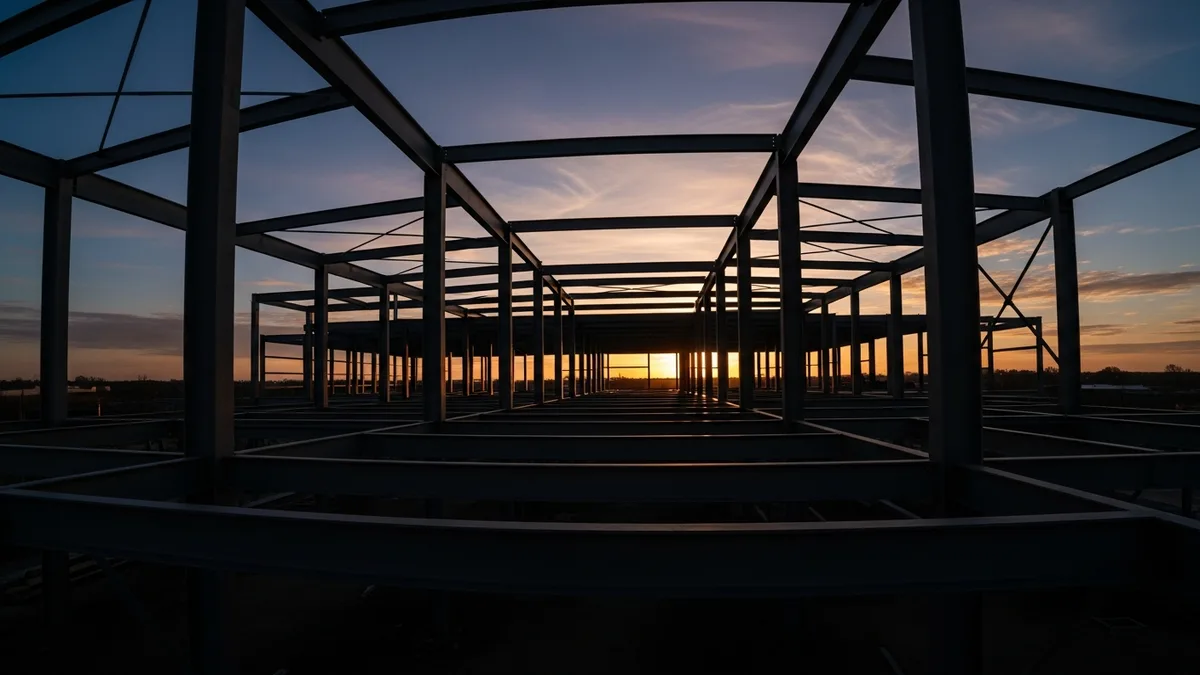
There’s a reason experienced GCs treat the framing inspection like the biggest checkpoint on a residential build. It sits right in the middle of your timeline. Everything stops until it passes. Your insulation crew, drywall crew, and every trade behind them are all waiting on that green tag. Fail it, and you just added a week (minimum) to your schedule while burning money on crews that can’t work.
The good news? Framing inspections are predictable. Inspectors aren’t trying to surprise you. They’re working off your approved plans and the building code, and they’re checking the same things every single time. If you know what those things are and build a system around catching problems before the inspector shows up, you’ll pass on the first attempt more often than not.
This guide breaks down exactly what to expect, what to check, and how to build a pre-inspection process that keeps your projects moving.
What a Framing Inspection Actually Covers
Before we get into tips, let’s be clear about scope. A framing inspection isn’t just someone glancing at your studs and giving you a thumbs up. The inspector is verifying that the structural skeleton of your building matches the approved plans and meets code. That includes:
- Stud size, species, and spacing. Are you using the lumber specified on the plans? Is your layout 16” OC or 24” OC as called for?
- Header sizing. Every window and door opening gets checked. Undersized headers are one of the most common failures.
- Bearing points and load paths. The inspector traces the load from the roof down through the walls to the foundation. Every bearing point needs proper support beneath it.
- Hold-downs and tie-downs. Simpson hardware (or equivalent) needs to be installed per the engineering and properly bolted.
- Shear wall nailing. This is a big one. The nail spacing on shear panels must match the shear schedule on your plans. Too few nails, wrong nail size, or nails that missed the framing member will get flagged.
- Fire blocking and draft stopping. Code requires fire blocking at specific intervals in wall cavities, soffits, and other concealed spaces.
- Roof framing. Rafter or truss sizing, spacing, bracing, and connections to the top plate.
- Floor framing. Joist sizing, spacing, bearing, and bridging or blocking as required.
- Connections. Foundation to sill plate, sill plate to studs, top plate to rafters or trusses. Every transition point in the load path gets scrutinized.
If any of that doesn’t match the approved blueprints, you’re getting a correction notice. The inspector doesn’t care why it’s different. If it doesn’t match the plans, it fails. If you need to deviate from the plans, get a revision approved before the inspection.
The Most Common Reasons Framing Inspections Fail
After years of watching jobs get red-tagged, the same mistakes come up over and over. None of them are hard to fix ahead of time, which makes it even more frustrating when they slip through.
Missing or Wrong Hardware
This is the number one killer. Hold-downs that aren’t installed, strap ties that are missing, or joist hangers that are the wrong model. Your plans call out specific hardware at specific locations. Your framing crew needs a copy of those details, not just the floor plan.
A good practice: print out the hardware schedule separately and tape it to the wall near each location. Make it impossible to miss.
Shear Wall Nailing Errors
Shear walls are where a lot of GCs get burned. The nailing schedule on your shear wall details might call for 8d nails at 4” on center at the edges and 12” in the field. If your crew uses a nail gun with the wrong nail length, spaces them at 6” instead of 4”, or misses the framing with edge nails, the inspector will catch it.
Walk every shear wall panel yourself. Check the nail spacing with a tape measure. Look for shiners (nails that missed the framing) and nails that are overdriven into the panel. An overdriven nail that breaks the face of the sheathing doesn’t count.
Incorrect Header Sizes
Window and door headers must match the plan. A 4x6 where the plans call for a 4x12 is an obvious fail, but inspectors also catch built-up headers that use the wrong lumber grade or are missing the required plywood spacer.
Missing Fire Blocking
Fire blocking is required at ceiling and floor levels within wall cavities, at soffits, and at other specific locations per code. It’s easy to forget because it feels like a small detail compared to the structural framing. But it’s a code requirement, and inspectors check for it every time.
No Plans on Site
This sounds basic, but it happens more than you’d think. The inspector needs your stamped, approved plan set on site. Not a PDF on your phone. Not “the plans are in my truck.” On site, accessible, current. Some jurisdictions have moved to digital plan review, but even then, confirm with your building department what they expect to see during inspection.
Keep your permit documentation organized and accessible at all times. It saves headaches.
Building a Pre-Inspection Checklist That Actually Works
The best way to pass a framing inspection is to inspect the framing yourself before the inspector arrives. Sounds obvious, but most GCs don’t do it in any structured way. They walk the job, glance around, and call for inspection. That’s how things get missed.
Build a checklist. Not a mental one. A real checklist that you or your super walks through methodically before every framing inspection call.
Thousands of contractors have made the switch. See what they have to say.
Here’s what should be on it:
- Plans on site and current. Verify the set matches the latest approved revision.
- All hardware installed. Walk every hold-down, strap, hanger, and connector. Check them against the hardware schedule.
- Shear wall nailing complete and correct. Measure nail spacing, check for shiners and overdriven nails.
- Headers match plans. Check every opening.
- Bearing verified at all load points. Trace the load path from roof to foundation.
- Fire blocking in place. Check every required location.
- Roof connections complete. Hurricane ties, rafter ties, or truss clips as specified.
- Floor framing correct. Joists, hangers, bridging, and blocking per plan.
- Bottom plate anchorage. Anchor bolts or shot pins at correct spacing, with proper washers and nuts.
- Bracing installed. Let-in bracing or wall bracing per code where shear walls aren’t specified.
- Rough openings correct size. Compare to the window and door schedule.
- Penetrations supported. Any plumbing or mechanical penetrations through framing members need to comply with notching and boring rules.
Print this out. Laminate it. Use it on every job. A quality control process that runs on paper and habit is worth more than good intentions.
Photo Documentation: Your Best Friend on Inspection Day
Here’s something a lot of GCs overlook: taking photos before, during, and after framing. Not just for your records, but as a tool to catch problems and defend your work.
When you do your pre-inspection walk, photograph every hold-down, every shear wall, every header, and every connection. If something looks questionable, zoom in and get a clear shot. Compare what you’re seeing to what the plans call for. Photos don’t lie, and they make it easy to spot discrepancies you might miss at a glance.
There’s another benefit too. If you ever get into a dispute with an inspector about whether something was installed correctly before it was covered up, dated photos are your evidence. They protect you.
Using a system to organize job site photos by date and location makes this much easier. If your team is already using photo documentation tools on every job, the framing inspection is just another event to capture. Tools like Projul’s Photos & Documents feature let you tag and organize photos by project so nothing gets lost in someone’s camera roll.
Coordinating With Your Trades Before the Inspection
Framing inspections don’t happen in a vacuum. By the time you’re ready to call for one, you’ve had plumbers, electricians, and HVAC crews running their rough-ins (assuming you’re in a jurisdiction that combines rough-in with framing, or you’ve sequenced them accordingly).
This is where coordination matters. A plumber who cuts a notch that exceeds the allowable depth in a load-bearing stud just created an inspection failure for you, not for them. An electrician who drills through a header? Same problem.
Set clear expectations with every trade before they start rough-in work:
- No notching or boring beyond code limits. Give them the actual numbers. For 2x4 studs, the max bore is 1-3/8” and the max notch is 5/8”. For 2x6 studs, the max bore is 2-3/16” and the max notch is 1-3/8”. Load-bearing studs are more restrictive than non-bearing.
- No cutting engineered lumber without approval. TJIs, LVLs, and glulams have specific rules for penetrations. Some allow no field modifications at all without engineering.
- Protect shear wall panels. Trades love to run pipes and wires through shear walls. That’s not always allowed, and every penetration in a shear panel potentially weakens it.
- Don’t move or remove blocking. If fire blocking or solid blocking for fixtures gets moved during rough-in, it needs to go back.
If you’re running tight timelines with multiple trades on site, your scheduling system needs to account for this coordination. Build in buffer time between rough-in completion and your framing inspection call. You need at least a day to walk the job and catch anything the trades left behind.
For a broader look at keeping your crew and subs aligned on safety and quality standards, our safety inspections guide covers the inspection mindset that applies across every phase of a build.
What to Do When the Inspector Is on Site
The inspection itself is a professional interaction, and how you handle it matters more than most GCs realize. Inspectors are people. They’ve seen every shortcut, every excuse, and every argument. Here’s how to make the process go smoothly.
Be Present or Have Your Super There
Don’t call for an inspection and then send a laborer who can’t answer questions. Someone with authority and knowledge of the project should be on site. If the inspector has a question about a detail, you want to answer it immediately rather than getting a correction notice because nobody could explain why you deviated from the plan.
Have the Plans Open and Ready
Don’t make the inspector dig through a pile of rolled-up plans in the corner. Have the structural sheets open and accessible. Bonus points if you’ve already marked the areas you want to draw attention to, like field changes that have been approved or areas where you got an engineering revision.
Don’t Argue During the Inspection
If the inspector flags something you disagree with, don’t get into a debate on the spot. Note it, ask them to reference the specific code section, and follow up through the proper channels. Getting confrontational on site has never helped anyone pass an inspection.
Ask Questions When You’re Unsure
Good inspectors are actually a great resource. If you’re unsure about a detail on a future project, or you want clarity on how they interpret a certain code provision, ask. Most inspectors appreciate GCs who want to get it right. They’d rather spend five minutes explaining something than come back for a re-inspection.
Walk With Them
If the inspector is okay with it, walk the job alongside them. You’ll learn what they focus on and in what order. Over time, this makes your pre-inspection walks more accurate because you’ll start seeing the building through their eyes.
Turning Inspection Success Into a Repeatable System
Passing a framing inspection once is great. Passing them consistently across every project is what separates good GCs from everyone else.
The key is turning what you’ve learned into a process. Not something that lives in your head, but a documented system that your supers and project managers can follow even when you’re not on site.
Here’s what that looks like in practice:
Standardize your checklist. Use the same pre-inspection checklist on every framing job. Update it when you learn something new, like a code change or a recurring mistake you keep catching.
Document everything. Photos, notes, correction notices, and final sign-offs should all be stored in your project management system. When you’re bidding your next job, you can reference past inspections to estimate time and flag potential issues.
Debrief after failures. If you do fail an inspection, figure out why and update your process. Was it a communication breakdown with a sub? A detail that wasn’t on the plans? A checklist item you skipped? Every failure is information you can use to prevent the next one.
Train your team. Your framing crew should understand what the inspector is looking for. Not every nail, but the big picture. When framers know that shear wall nailing gets checked with a tape measure, they pay more attention to their spacing. When they know the inspector checks every hold-down, they don’t skip the one in the corner.
Use your project management tools. Scheduling inspections, tracking corrections, storing photos, and keeping plans current are all things that should live in one system. If your team is juggling text messages, email, and paper folders, things fall through the cracks. A tool like Projul keeps everything in one place so your whole team can see what’s done and what’s still outstanding. If you haven’t checked it out yet, take a look at a free demo to see how it works.
The framing inspection is one of the most important milestones in any build. It’s also one of the most predictable. Inspectors aren’t trying to trick you. They’re checking the same things every time, and they’re comparing what they see to what your plans say. If you build it right, document it thoroughly, and check your own work before calling for inspection, you’ll pass the first time on almost every job.
Book a quick demo to see how Projul handles this for real contractors.
That consistency is what keeps your schedule on track, your budget intact, and your reputation solid with both inspectors and clients. Build the system, trust the process, and stop leaving your framing inspections to chance.
Frequently Asked Questions
What does a framing inspector look for?
How long does a framing inspection take?
Can I insulate before the framing inspection?
What happens if I fail a framing inspection?
Do I need the approved plans on site during a framing inspection?
Related Articles

Construction Septic System Installation: What Every GC Needs to Know
Septic systems on rural builds bring unique scheduling, permitting, and soil challenges that can wreck your timeline if...
Read More →
Construction Painting Project Management: Coordinating Interior and Exterior Phases
Painting is one of those trades that touches every other trade on the schedule. Get the sequencing wrong, and you're...
Read More →
Epoxy Flooring and Industrial Coatings: A Contractor's Complete Guide
Epoxy flooring and industrial coatings are high-margin work when you get the process right and a fast way to lose money...
Read More →