
Green Building for Contractors: Profit Guide
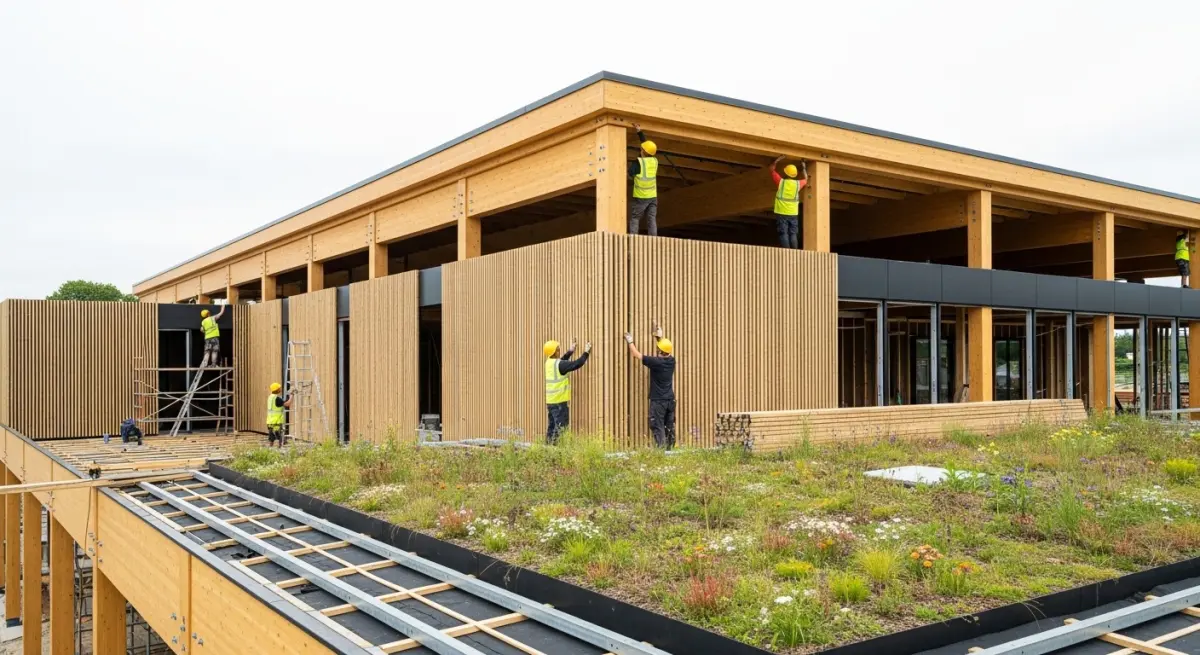
Green Building for Contractors: A Practical Guide to Profitable Sustainable Construction
Green building is not some passing trend. It is a growing segment of the construction market that is putting real money in contractors’ pockets. According to the World Green Building Council, green construction is expected to account for more than half of all commercial and institutional building by 2025.
If you are a contractor who has been watching from the sidelines, now is the time to jump in. This guide breaks down everything you need to know to start winning green building projects and charging what they are worth.
The Business Case for Green Building
Let us skip the feel-good talk and get straight to the numbers. Green building makes sense for contractors for three solid reasons.
Client Demand Is Real and Growing
More property owners are asking for sustainable features. It is not just commercial developers anymore. Homeowners want energy-efficient homes. Landlords want lower operating costs. Government agencies require green standards for public buildings.
A 2023 Dodge Data report showed that 47% of building owners and developers expect more than 60% of their projects to be green by 2025. That is a massive pool of work waiting for contractors who can deliver.
Tax Incentives Put Money Back in Your Pocket
The Inflation Reduction Act of 2022 expanded several green building tax incentives that directly benefit contractors and building owners.
Section 179D allows a deduction of up to $5 per square foot for commercial buildings that meet energy efficiency targets. For a 10,000 square foot building, that is a potential $50,000 deduction for your client. When you can show clients those savings, closing the deal gets a lot easier.
Section 45L offers tax credits of up to $5,000 per qualifying residential unit for builders of energy-efficient homes and apartments. If you are building a 20-unit apartment complex, that is up to $100,000 in credits for the owner.
Many states pile on additional incentives. Oregon offers the Residential Energy Tax Credit. New York has the Green Residential Building Program. California has Title 24 compliance rebates. Check your state and local programs because the incentives add up fast.
Competitive Advantage Over Other Contractors
Most contractors have not made the jump to green building yet. That means less competition and higher margins for those who do. When you can walk into a bid meeting and talk intelligently about energy modeling, LEED requirements, and green materials, you stand out from every other contractor in the room.
Green projects also tend to have longer timelines and bigger budgets. That means steadier work and more predictable cash flow for your company.
LEED Basics Every Contractor Should Know
LEED stands for Leadership in Energy and Environmental Design. It is the most widely used green building rating system in the world, managed by the U.S. Green Building Council (USGBC).
How LEED Works
LEED uses a point system. Projects earn points across several categories:
- Sustainable Sites - how the building relates to its surroundings
- Water Efficiency - reducing water use inside and outside the building
- Energy and Atmosphere - energy performance and renewable energy
- Materials and Resources - sustainable materials and waste reduction
- Indoor Environmental Quality - air quality, lighting, and comfort
- Innovation - creative approaches that go beyond standard requirements
- Regional Priority - addressing local environmental concerns
Based on total points, projects earn one of four levels: Certified (40-49 points), Silver (50-59), Gold (60-79), or Platinum (80+).
What This Means for You as a Contractor
You do not need to become a LEED expert overnight. But understanding the basics helps you in two ways.
First, you can contribute to the project team’s LEED goals during construction. This means proper documentation of materials, waste diversion tracking, and indoor air quality management during the build.
Second, having a LEED Accredited Professional (LEED AP) on your team earns the project an extra point. That credential requires passing an exam, but it signals to architects and owners that your company takes green building seriously.
Energy Star Certifications
Energy Star is a program run by the EPA and the Department of Energy. While most people know it for appliances, Energy Star also certifies entire buildings and homes.
Energy Star for Homes
To earn the Energy Star label, a home must be independently verified to meet strict energy efficiency guidelines. This typically means the home is 15% to 30% more efficient than a standard code-built home.
As a builder, offering Energy Star certified homes gives you a clear marketing advantage. Buyers can see the label and know exactly what they are getting.
Energy Star for Commercial Buildings
Commercial buildings can earn the Energy Star label by scoring in the top 25% of energy performance compared to similar buildings nationwide. This is tracked through the EPA’s Portfolio Manager tool.
For contractors working on commercial projects, understanding the Energy Star pathway helps you advise clients on which upgrades will get them to certification.
Green Materials and Methods
You do not need to overhaul your entire supply chain to start building green. Focus on the materials and methods that give you the biggest bang for the buck.
High-Impact Green Materials
Insulated Concrete Forms (ICFs) create walls that are incredibly energy efficient. They cost more than traditional framing but the energy savings and durability make them a strong sell for clients.
Recycled steel uses 75% less energy to produce than new steel. It performs identically and many suppliers stock it at competitive prices.
Low-VOC paints and finishes improve indoor air quality and are now priced nearly the same as traditional products. There is almost no reason not to use them on every project.
Reclaimed wood adds character and reduces demand for new lumber. It is popular with clients who want both sustainability and aesthetics.
Cool roofing materials reflect more sunlight and absorb less heat. They reduce cooling costs by 10% to 30% and are available in a wide range of colors and styles.
Green Building Methods
Advanced framing (also called optimum value engineering) uses less lumber while maintaining structural integrity. It reduces material costs and improves insulation performance.
Passive solar design orients the building to take advantage of natural heating and cooling. This is mostly an architectural decision, but understanding it helps you contribute during preconstruction.
Air sealing and insulation are the bread and butter of energy-efficient construction. Blower door testing during construction helps catch leaks before drywall goes up.
Energy-Efficient Construction Practices
Energy efficiency starts during construction, not after. Here are the practices that make the biggest difference.
Building Envelope First
The building envelope is everything that separates inside from outside. Walls, roof, windows, doors, and foundation. Getting the envelope right is the single most important thing you can do for energy efficiency.
Focus on continuous insulation, quality air sealing, and high-performance windows. A tight envelope means the HVAC system can be smaller, which saves money on equipment and reduces ongoing energy costs.
HVAC Right-Sizing
Oversized HVAC systems are one of the most common problems in new construction. They cost more to install, cycle on and off too frequently, and do a poor job of controlling humidity.
Work with your mechanical contractor to run proper load calculations based on the actual building envelope performance, not rules of thumb.
Lighting and Controls
LED lighting is standard now, but smart controls take efficiency further. Occupancy sensors, daylight harvesting, and programmable schedules can cut lighting energy use by 50% or more compared to always-on LEDs.
Renewable Energy Integration
Solar panels are more affordable than ever. Even if the client does not want solar right away, roughing in the electrical connections and ensuring the roof structure can handle panels adds value at minimal cost. This approach is called “solar ready” and many building codes now require it.
Water Conservation in Construction
Water efficiency is a growing concern for building owners, especially in drought-prone areas.
Low-Flow Fixtures
Low-flow toilets, faucets, and showerheads are the easiest win. Modern low-flow fixtures perform well and most users cannot tell the difference. WaterSense labeled products use at least 20% less water than standard fixtures.
Rainwater Harvesting
Collecting rainwater for irrigation is legal in most states and relatively simple to install. A basic system with a collection tank, first-flush diverter, and distribution piping can be added to almost any project.
Drought-Tolerant Landscaping
If your scope includes site work, recommending native plants and efficient irrigation systems saves your client money on water bills and maintenance. Drip irrigation uses 30% to 50% less water than traditional sprinkler systems.
Greywater Systems
Greywater recycling captures water from sinks and showers for use in toilet flushing and irrigation. Building codes vary by location, but more jurisdictions are allowing these systems as water conservation becomes a priority.
Waste Reduction on Job Sites
Construction waste accounts for about 30% of all waste in landfills. Reducing waste saves disposal costs and earns points on green building certifications.
Set Up a Waste Management Plan
Before the project starts, identify what waste streams you will generate and how each will be handled. Separate bins for wood, metal, drywall, cardboard, and general waste make recycling practical.
Deconstruction Over Demolition
When working on renovation or teardown projects, deconstruction salvages reusable materials instead of sending everything to the landfill. Salvaged materials can be donated for a tax deduction or sold to reclamation yards.
Order Accurately
Material waste starts with bad estimating. Over-ordering lumber, drywall, and other materials costs money twice: once for the material and again for disposal. Using accurate estimating tools helps you order what you need and reduce waste.
Track Your Diversion Rate
LEED projects require a minimum 50% waste diversion rate for the Construction and Demolition Waste Management credit. Even on non-LEED projects, tracking your diversion rate gives you marketing ammunition and helps you identify where waste is sneaking in.
Marketing Your Green Building Capabilities
Having green building skills is only half the battle. You need to tell potential clients about them.
Build a Green Portfolio
Document every green project with photos, energy performance data, and client testimonials. Before-and-after energy bills are powerful proof that your work delivers real results.
Get Listed in Green Directories
The USGBC has a member directory. Your local green building council likely has one too. Many architects and owners search these directories when looking for contractors with green experience.
Partner with Green Professionals
Energy auditors, LEED consultants, and sustainable architects all need contractors they can trust. Build relationships with these professionals and you will get referral work.
Add Green Content to Your Website
Write about your green building projects and capabilities on your website. Blog posts about green building topics drive search traffic from property owners looking for sustainable contractors in your area.
Certifications and Training
Beyond LEED AP, consider certifications like:
- BPI Building Analyst for residential energy efficiency
- RESNET HERS Rater for home energy ratings
- Green Advantage Certified Practitioner for general green building knowledge
- Passive House Certified Builder for ultra-efficient construction
Each certification adds credibility and opens doors to new project types.
Cost vs. Value of Green Building
The question every client asks: “How much more will this cost?” Here is how to answer it honestly.
Upfront Costs
Green building typically adds 1% to 5% to construction costs. The actual number depends on the project scope and which green features are included. Some items like low-VOC paint add almost nothing. Others like geothermal HVAC systems add significant cost.
Long-Term Value
A green building saves money every month through lower energy and water bills. The typical payback period for green upgrades is 3 to 7 years, after which the savings are pure profit for the building owner.
Green buildings also command higher rents and sale prices. Studies consistently show a 3% to 8% premium for green-certified commercial buildings and a similar bump for Energy Star certified homes.
How to Present the Numbers
Do not just give clients the upfront cost. Show them the total cost of ownership over 10, 15, or 20 years. When you factor in energy savings, tax incentives, reduced maintenance, and higher property values, green building almost always wins.
This is where solid job costing matters. You need to track the actual costs of green features versus standard construction so you can give clients accurate numbers on future projects.
Managing Green Building Projects with the Right Tools
Green building projects have extra layers of complexity. You are tracking certifications, documenting materials, managing specialized subcontractors, and keeping detailed records for LEED or Energy Star compliance.
Using construction project management software built for contractors helps you stay on top of everything without drowning in paperwork. With Projul, you can track project milestones, manage documents, and keep your team aligned on the specific requirements that green projects demand.
The financial side matters just as much. Green projects often have different cost structures than traditional builds. Materials cost more upfront but the labor might be similar. Tax incentives change the math for your clients. Accurate estimating and job costing let you track the true cost of green features so you can price future projects with confidence.
If you are ready to add green building to your services and want a tool that helps you manage these projects without the chaos, check out Projul’s pricing and see how it fits your business.
Getting Started with Green Building
You do not need to transform your entire business overnight. Here is a practical path to getting started.
Month 1-2: Pick one or two green specialties that fit your current work. If you build homes, start with energy-efficient envelope techniques. If you do commercial work, learn the LEED process.
Month 3-4: Get trained. Take a course from your local green building council or pursue a certification. The investment in training pays for itself quickly.
Month 5-6: Complete your first green project, even if it means offering green upgrades on a current job at cost. You need portfolio pieces to market your new capabilities.
Month 7+: Start marketing your green services. Update your website, join green building organizations, and reach out to architects and energy consultants for partnerships.
The contractors who invest in green building now will be the ones winning the best projects five years from now. The demand is growing. The incentives are real. And the competition has not caught up yet.
That is a window of opportunity you do not want to miss.
Frequently Asked Questions
Do I need LEED certification to do green building work?
How much more does green building cost compared to traditional construction?
What are the most common tax incentives for green building?
What green building materials have the best return on investment?
How do I market my green building services to potential clients?
Can small contractors compete in the green building market?
Related Articles
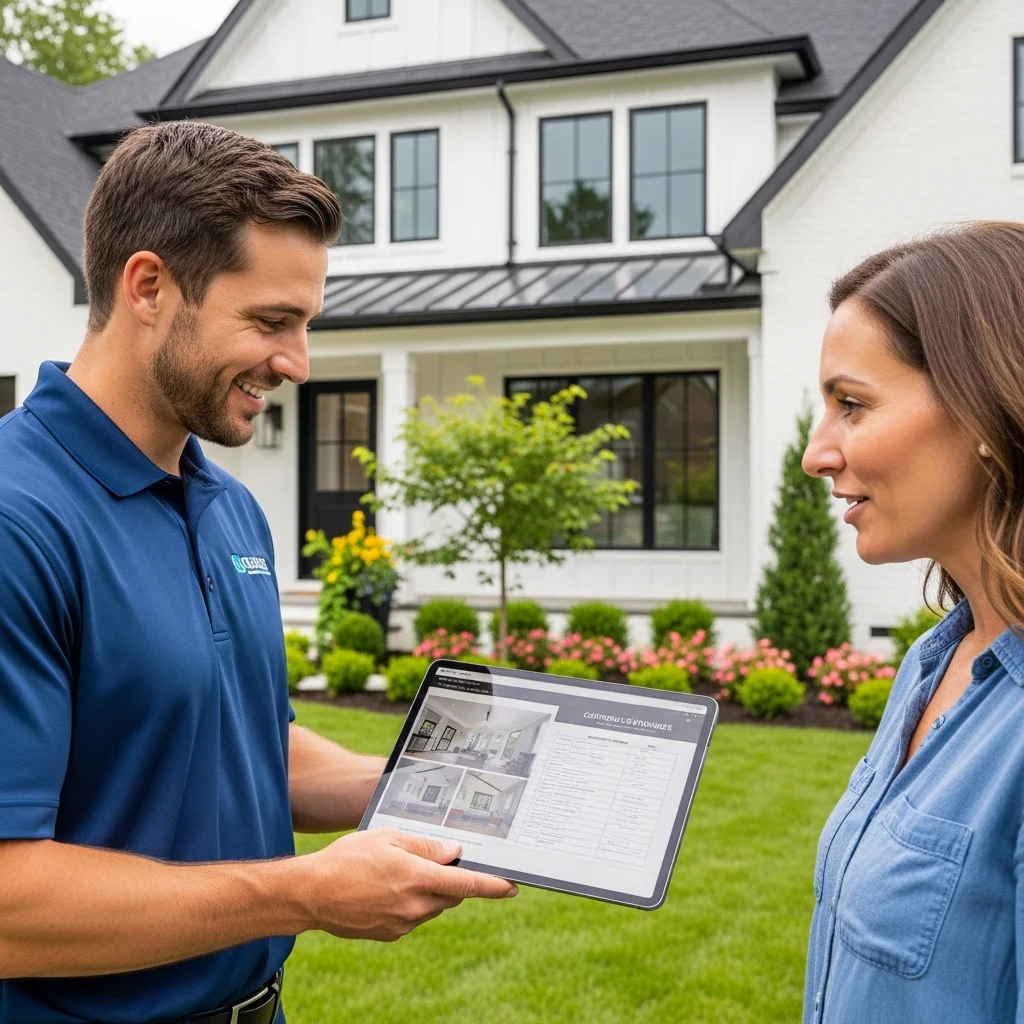
Sell More Jobs With Photos in Your Estimates
Most contractors send plain text estimates with line items and dollar amounts. But adding photos to your estimates can...
Read More →
Building Your Own Contractor Shop or Yard: What Every GC Needs to Know
At some point, every growing contractor faces the same question: do we keep renting, or do we build our own shop? This...
Read More →
Construction Contract Negotiation: 25 Tips to Protect Your Business Before You Sign
Most contractors lose money not because they can't build, but because they signed a bad contract. Here are 25...
Read More →