
Construction Landscaping Coordination Guide
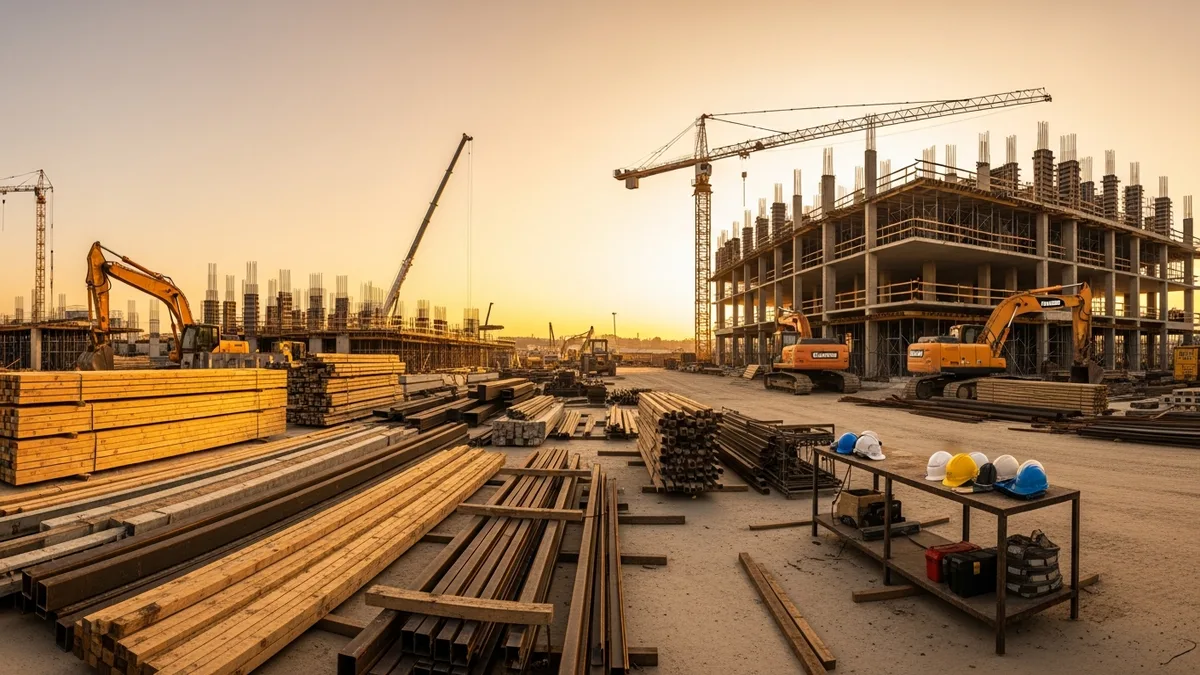
If you have been a GC for more than a couple of years, you have probably lived through the nightmare of a landscaping phase that went sideways. Maybe the planting crew showed up before final grading was done. Maybe someone drove a skid steer across freshly laid pavers. Or maybe the irrigation contractor trenched right through a retaining wall footing because nobody coordinated the site plan.
Landscaping is one of those phases that sits at the tail end of a project, and because of that, it tends to get squeezed. Budgets are tight by the time you get there. The schedule is already behind. And every other trade is trying to finish their punch list work at the same time your landscaping crew is trying to plant trees and lay sod.
But here is the thing: landscaping problems are almost never landscaping problems. They are coordination problems. And as the GC, that coordination falls on you.
This guide walks through everything you need to know about managing the grading, hardscape, and planting phases of a construction project. We will cover sequencing, scheduling, common mistakes, and the systems that keep this work from turning into an expensive headache.
Understanding the Landscaping Scope Before You Break Ground
Most GCs treat landscaping as a single line item. You get a bid from a landscaping sub, plug it into your estimate, and move on. That approach works fine for simple projects, but on anything with significant site work, you need to break the landscaping scope into distinct phases and understand how each one interacts with the rest of the project.
At a minimum, you should be thinking about landscaping in these categories:
- Rough grading and earthwork. This is the heavy dirt work that happens early in the project. It sets the elevation, drainage patterns, and subgrade for everything that comes after. On most projects this falls under your site work contractor, not your landscaping sub.
- Drainage and underground utilities. Storm drains, French drains, irrigation mainlines, and any other underground work that needs to happen before you lock in finish grades.
- Fine grading. The final shaping of the site to match plan elevations. This is where rough grading hands off to the landscaping scope, and it is one of the most common places for gaps in responsibility.
- Hardscape. Retaining walls, pavers, concrete flatwork, stone patios, seat walls, fire pits, and any other built element in the landscape plan.
- Irrigation. Mainlines, laterals, heads, drip zones, and controllers. This typically needs to go in after fine grading but before planting.
- Planting and finish work. Trees, shrubs, perennials, sod, seed, mulch, and topsoil. This is the last thing to happen on site.
When you are building your estimate, break landscaping into these categories rather than lumping it all together. It forces you to think about sequencing early, and it makes it much easier to track costs and schedule each phase independently.
The other thing worth mentioning: your landscaping plans are not just pretty pictures. They contain grading information, drainage details, plant schedules, and material specs that affect other trades. Make sure your project engineer or superintendent actually reads the landscape drawings during preconstruction. I have seen too many projects where the landscape plans sit in a drawer until the last month of the job.
Sequencing Site Grading: Rough, Fine, and Everything in Between
Grading is where most landscaping coordination problems start. The reason is simple: grading touches almost every other scope on the project. Your building pad, parking areas, sidewalks, utility trenches, stormwater systems, and landscape areas all depend on correct grades. Get it wrong early and you will be chasing problems for the rest of the job.
Rough grading happens during site work, usually right after clearing and demolition. The goal is to move the bulk of the dirt, establish drainage swales, build up or cut down to plan elevations, and create a stable subgrade for roads, buildings, and landscape areas. On projects with significant land development work, rough grading can take weeks or months.
Curious what other contractors think? Check out Projul reviews from real users.
Here is where coordination matters: your rough grading contractor needs to know the final landscape plan before they start moving dirt. If the landscape plan calls for a 3-foot berm along the property line, that dirt needs to be stockpiled on site, not hauled away. If there are retaining walls in the landscape plan, the rough grading crew needs to know the wall locations and footing depths so they do not over-excavate or leave the wrong subgrade.
Fine grading is the precision work. You are setting finish grades to within a half inch of plan, creating the slopes that direct water away from buildings and toward drainage collection points. Fine grading typically happens after the building is substantially complete, utilities are in, and you are ready to start landscape installation.
The handoff between rough and fine grading is a frequent source of disputes. If your site work contractor did the rough grading three months ago and the site has been torn up by construction traffic, who pays to re-grade? Get this sorted out in your contracts before it becomes a problem. Include clear language about grade tolerances, site protection, and responsibility for re-grading if the site gets disturbed.
One more thing on grading: always tie it to your stormwater management plan. Grading and drainage are inseparable. If your grading is off, your stormwater controls will not function correctly, and you will be dealing with erosion, ponding, and potentially regulatory violations.
Hardscape Installation: Timing, Protection, and Coordination
Hardscape is the backbone of the landscape plan, and it is also the most expensive part to fix if something goes wrong. Retaining walls, paver patios, stone walkways, and concrete seat walls all require careful sequencing and protection.
When to install hardscape depends on the specific elements and their relationship to other site work. In general:
- Retaining walls that support grades or structures need to go in during or shortly after rough grading. These are structural elements, and other work depends on them being in place.
- Concrete flatwork for sidewalks and patios can often go in once the building exterior is complete and fine grading is done in those areas.
- Paver installations and natural stone work should happen as late as practical, since these surfaces are easily damaged by construction traffic.
The biggest challenge with hardscape is protecting it once it is in place. You still have other trades working on site, deliveries coming and going, and equipment moving around. Here is what works:
- Define traffic routes. Before hardscape goes in, establish clear equipment and delivery routes that avoid finished areas. Mark them on your site logistics plan and review them at your weekly coordination meetings.
- Physical protection. Cover finished pavers and stone with plywood or protective mats when other work is happening nearby. It costs a few hundred dollars and saves thousands in repairs.
- Contractual protection. Include damage responsibility language in every subcontractor agreement. If a trade damages finished hardscape, they pay for repairs. This is covered in more detail in our subcontractor management guide, but the short version is: put it in writing before they start work.
Hardscape also requires coordination with your irrigation contractor. Irrigation lines often run under or adjacent to hardscape elements, and if the irrigation goes in after the hardscape, someone is going to be cutting into finished work. Plan the routing during preconstruction, not in the field.
Material lead times are another hardscape coordination issue that catches GCs off guard. Natural stone, specialty pavers, and custom precast elements can have lead times of 6 to 12 weeks. If you wait until you need the material to order it, you will blow your schedule. Get material submittals and orders going early, even if installation is months away.
Irrigation Systems: The Hidden Coordination Challenge
Irrigation is one of those scopes that is easy to overlook because it is mostly underground. But a poorly coordinated irrigation install can cause serious damage to finished work and create ongoing problems for the property owner.
Irrigation sequencing follows a specific order:
- Mainline installation happens after rough grading and before fine grading. The main supply line from the water source to the irrigation manifold needs to be in the ground early, along with any sleeve pipes under hardscape or pavement.
- Lateral lines and head placement happen after fine grading. The irrigation contractor needs finish grades to set head heights correctly and make sure coverage patterns work with the final topography.
- Controller and backflow installation can happen anytime, but the wiring to valve locations needs to be coordinated with lateral line installation.
- System testing needs to happen before planting. You want to find leaks and coverage gaps before there is sod and mulch covering everything.
The coordination piece that most GCs miss with irrigation is the sleeve pipes. Anywhere an irrigation line crosses under a sidewalk, driveway, or paved area, you need a sleeve pipe installed before that pavement goes in. Mark every crossing on the plans during preconstruction and make sure the sleeves are in place before concrete or pavers go down. Cutting a brand-new sidewalk to run a forgotten irrigation sleeve is embarrassing and expensive.
Also, coordinate irrigation with your electrical contractor if the system includes landscape lighting. Lighting wire and irrigation lines often share the same trenches, and it is far cheaper to dig one trench than two.
Planting Phase: Getting the Timing Right
Planting is the final major phase of landscaping, and timing matters more than most GCs realize. Plants are living things with specific requirements for when they can be installed and how they need to be handled.
Seasonal considerations are real, not just something landscapers say to push work around:
- Spring and fall are ideal for most planting in temperate climates. Moderate temperatures and adequate rainfall give plants the best chance to establish roots before summer heat or winter freeze.
- Summer planting is possible but requires aggressive watering, often daily for the first few weeks. Factor this into your schedule and budget. If you are planting sod in July, someone needs to be watering it every single day.
- Winter planting is limited in cold climates. Frozen ground makes digging impossible, and most plants go dormant. In mild climates, winter can actually be a good planting window.
If your project schedule pushes planting into a bad season, you have a few options. You can install temporary erosion control and seed in the short term, then come back for permanent planting when conditions improve. You can also work with your landscaping sub to select plant material that handles the stress better. The worst option is forcing planting at the wrong time and then watching everything die. Warranty replacements are not free.
Planting also requires the site to be clean and safe. Your landscaping crew should not be working around active construction traffic, falling debris, or chemical spills. Before planting starts, the site should be past the point where heavy equipment is running through landscape areas. This is a scheduling coordination issue, and your project schedule needs to account for it. Do not just slap planting at the end of the Gantt chart and hope it works out.
Tree installation deserves special attention. Large trees require heavy equipment (tree spades, cranes, or large skid steers with forks) that can damage finished hardscape and landscape areas. Plan tree installation early in the planting phase, before smaller plantings and mulch go down. And make sure your delivery route can handle the size of the trees and the equipment moving them.
Soil preparation is another step that gets skipped when schedules are tight. After months of construction traffic, the soil in landscape areas is compacted to the point where nothing will grow well. Your landscaping sub needs time to till, amend, and prep the soil before planting. This is not optional if you want healthy plants and a satisfied owner.
Pulling It All Together: Scheduling and Managing the Full Landscaping Sequence
The difference between a smooth landscaping phase and a disaster comes down to planning and communication. Here is how to set yourself up for success.
Build landscaping into your master schedule from day one. Do not treat it as an afterthought. Your schedule should show rough grading, fine grading, hardscape, irrigation, planting, and finish work as separate activities with proper dependencies. If rough grading slips, you need to see immediately how that affects fine grading, which affects irrigation, which affects planting.
A good scheduling tool makes this visible. When activities are linked with dependencies, a delay in one phase automatically shifts the downstream work. Without that visibility, you are guessing, and guessing is how you end up with three landscaping crews standing around because the site is not ready for them.
Hold a landscaping coordination meeting before the landscaping phase starts. Get your landscaping sub, irrigation contractor, site work contractor, and any other affected trades in the same room. Walk through the sequence, review the site logistics plan, confirm material deliveries, and identify any conflicts. One meeting can prevent weeks of problems.
Track landscaping progress the same way you track every other phase. Daily logs, progress photos, and weekly schedule updates. Do not let landscaping become the scope that “just happens” at the end of the job. When it falls off your radar, that is when problems show up.
Plan your landscaping punch list early. On every project, there will be items that need correction: a few dead plants to replace, a paver section that settled, an irrigation head that is not covering correctly. Identify these issues during installation rather than waiting for the owner walkthrough. Our guide on construction punch lists covers this process in detail, but the key point is that landscaping punch list items are easier and cheaper to fix when the landscaping crew is still on site.
Budget for seasonal callbacks. Most landscaping contracts include a plant warranty period, typically one year. During that time, the landscaping sub is responsible for replacing dead or failing plant material. But you need to make sure your contract language is clear about what is covered, what constitutes a failure, and who is responsible for watering and maintenance during the warranty period. Many plant warranty disputes come down to inadequate watering by the property owner after the GC hands over the site.
Finally, document everything. Before and after photos of grading, hardscape installation, irrigation testing, and planting are invaluable if disputes arise. Take photos of soil conditions before planting, irrigation test results, and the condition of plant material at delivery. This documentation protects you and gives you evidence if warranty claims come up later.
If your current project management setup makes it hard to track all of this, it might be time to look at a system built for how contractors actually work. Take a look at how Projul handles scheduling and project tracking to see if it fits your workflow.
Landscaping coordination is not glamorous work. Nobody brags about nailing the fine grading handoff or getting irrigation sleeves in on time. But the GCs who manage this phase well are the ones who finish projects without ugly surprises at the end. They are the ones who hand over a site that looks exactly like the plans, with healthy plants, clean hardscape, and proper drainage. And they are the ones whose clients call them back for the next project.
Book a quick demo to see how Projul handles this for real contractors.
Get the sequencing right, communicate with your subs, protect finished work, and track progress like you would on any other phase. That is really all there is to it.
Frequently Asked Questions
When should landscaping coordination start in the construction process?
How do you prevent hardscape damage during later construction phases?
What is the correct order for landscaping phases on a construction site?
How far in advance should you schedule landscaping subcontractors?
Who is responsible for final grading on a construction project?
Related Articles
Construction Septic System Installation: What Every GC Needs to Know
Septic systems on rural builds bring unique scheduling, permitting, and soil challenges that can wreck your timeline if...
Read More →
Construction Painting Project Management: Coordinating Interior and Exterior Phases
Painting is one of those trades that touches every other trade on the schedule. Get the sequencing wrong, and you're...
Read More →
Epoxy Flooring and Industrial Coatings: A Contractor's Complete Guide
Epoxy flooring and industrial coatings are high-margin work when you get the process right and a fast way to lose money...
Read More →