
Construction Project Rescue Playbook for GCs
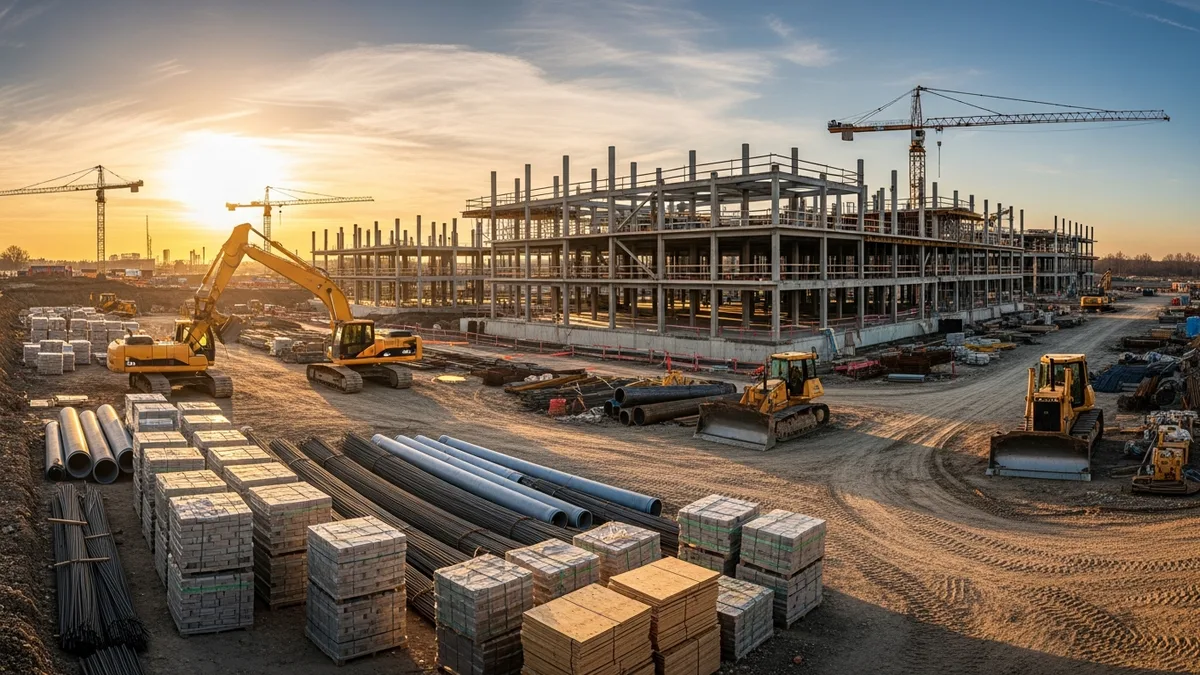
Every general contractor has been there. You’re three months into a job, and you can feel it slipping. The schedule is behind. The budget is leaking. Your client is calling more often, and the conversations are getting shorter. Your subs are pointing fingers at each other, and somewhere in the back of your mind, you know this project has gone off the rails.
It happens. It happens to good contractors on good projects. A freak weather event, a material shortage, a sub who promised the world and delivered a headache. The question isn’t whether you’ll ever face a troubled project. The question is what you do when it happens.
This playbook is for the GC who’s staring at a job that needs saving. Not theory. Not MBA talk. Just the practical, field-tested steps to stop the bleeding, reset the plan, and drag a project back from the edge.
Recognize the Warning Signs Before It’s Too Late
The biggest mistake contractors make with troubled projects isn’t failing to fix them. It’s failing to recognize the problem early enough. By the time most GCs admit a project is in real trouble, they’ve already burned through weeks or months of recovery time.
Here’s what to watch for:
Schedule slippage that keeps growing. Missing one milestone by a few days isn’t a crisis. But when every milestone slides, and the gap between planned and actual keeps widening, you’ve got a trend. If your two-day delay turned into a two-week delay and now it’s pushing a month, stop pretending it’ll work itself out.
Budget line items that keep “adjusting.” You know what this looks like. You moved money from one line to cover another, then did it again, and again. Your contingency is gone, and you’re still finding surprises. If you’ve lost clear visibility into where your money actually stands, that’s a five-alarm fire. Keeping a close eye on your numbers with a solid budget tracking system is the only way to catch this early.
Communication is breaking down. When your super stops giving you straight answers about progress, when your subs stop returning calls promptly, when your project meetings turn into blame sessions, the project is in trouble. Good projects have clear, honest communication. Bad projects have silence, excuses, and finger-pointing.
Quality is dropping. Punch lists are getting longer instead of shorter. Inspections are getting flagged. Work that should be right the first time needs rework. When the crew is rushing to make up lost time, quality is always the first casualty.
Your gut is telling you something. You’ve been doing this long enough to know when a job feels wrong. Trust that instinct. Every contractor I’ve ever talked to who went through a project failure says the same thing: “I knew something was off weeks before it blew up.” Don’t ignore that feeling.
The earlier you catch these signs, the more options you have. A project that’s two weeks behind with a clear cause is recoverable. A project that’s three months behind with no one willing to admit why is a nightmare. Use your project tracking tools every single day, not just when things feel off.
Stop the Bleeding: The First 48 Hours
Once you’ve admitted the project is in trouble, you need to act fast. Not panic. Act. There’s a difference. Panicking means making reactive decisions without information. Acting means getting the information you need and making hard calls.
Step one: Get the real numbers. Not the numbers your PM thinks you want to hear. The real ones. What’s the actual schedule status against the original baseline? What’s the real cost-to-complete? What change orders are pending, disputed, or unfunded? Pull your daily logs for the last 30 days and read them. Actually read them. The story of what went wrong is usually sitting right there in the field reports.
Step two: Identify the root cause. Projects don’t just “go bad.” Something caused this. Maybe several somethings. Common culprits include:
- Scope creep that was never properly documented or priced. If this sounds familiar, you’re not alone. Scope creep kills more projects than bad weather ever will.
- A critical sub who’s underperforming or overcommitted on other jobs.
- Design issues or missing information that’s causing field delays.
- Unrealistic original estimates that were doomed from the start.
- Poor coordination between trades, leading to stacking and rework.
Be honest about what went wrong. If it was your estimating, own it. If it was a sub, document it. If it was the owner changing scope every week, make sure you have the paper trail.
Step three: Stabilize the site. Before you can build a recovery plan, you need to stop making things worse. That might mean pausing certain work until you have a clear path forward. It might mean pulling a sub off the job and bringing in a replacement. It might mean having a very direct conversation with your super about expectations. Whatever it takes to stop the daily bleeding, do it now.
Build Your Recovery Plan
Don’t just take our word for it. See what contractors say about Projul.
This is where the real work starts. A recovery plan isn’t a wish list. It’s a detailed, realistic roadmap for getting from where you are to where you need to be. And it starts with accepting where you actually are, not where you wish you were.
Rebuild the schedule from today forward. Throw out the old schedule. It’s fiction at this point. Start with where you are right now, today, and build a new schedule based on what’s actually achievable. Be honest about durations. If a task took twice as long as planned in the first phase, don’t assume it’ll magically speed up in the second phase.
Your scheduling tools need to reflect reality. Build in the crews you actually have, not the ones you hope to get. Account for weather windows, inspection lead times, and material deliveries. If your critical path changed because of the delays, map the new one.
Identify acceleration opportunities. Where can you legitimately make up time? Not by working your guys into the ground for six straight weeks, because that leads to injuries, turnover, and worse quality. But there are usually real opportunities:
- Can you overlap trades that were originally sequenced? This takes careful coordination, but it’s often possible.
- Are there prefabrication options for remaining work?
- Can you add a second shift for specific critical tasks?
- Are there long-lead materials you can expedite if you’re willing to pay the premium?
- Can you bring in additional crews from subs who have capacity?
Getting your crew scheduling dialed in is critical during recovery. Every wasted day is a day you can’t get back, and every crew sitting idle because of a coordination failure is money burning.
Set realistic milestones. Break your recovery into two-week chunks with specific, measurable targets. “Make progress on framing” is not a milestone. “Complete framing on Building B, second floor, by March 15” is a milestone. Make them specific enough that there’s no debate about whether you hit them.
Budget the recovery. Acceleration costs money. Overtime costs money. Expedited materials cost money. Figure out what the recovery plan actually costs and compare that to the alternative. Sometimes spending an extra $50,000 to get back on schedule saves you $200,000 in liquidated damages or lost opportunity costs. Sometimes the math doesn’t work, and you need to negotiate a new timeline instead.
Have the Hard Conversations
Here’s where a lot of contractors stumble. They build a great recovery plan and then fail to communicate it to the people who matter. Or worse, they avoid the hard conversations entirely and just hope everything works out.
Talk to your client first. Don’t wait for them to call you asking why things look behind. Get ahead of it. Schedule a meeting, bring your recovery plan, and lay it out honestly. Here’s what happened. Here’s where we are. Here’s what we’re doing about it. Here’s the revised timeline.
Clients can handle bad news. What they can’t handle is being surprised. If you’ve been telling them everything’s fine for two months and then suddenly announce you’re six weeks behind, you’ve destroyed their trust. But if you come to them early with a clear plan, most reasonable owners will work with you.
Your client communication during a recovery is the single biggest factor in whether you keep the relationship or lose it. Over-communicate during this period. Weekly written updates at minimum. More if the client wants them.
Talk to your subs. Every sub on the project needs to understand the recovery plan and their role in it. This isn’t a request. If they committed to a schedule in their contract, hold them to it. If you need them to accelerate, get pricing for the overtime and put it in writing. If a sub is the root cause of the problem, have that conversation directly and document everything. You may need that paper trail for delay claims down the road.
Talk to your own team. Your super, your PMs, your foremen. They need to understand the severity of the situation and the plan to fix it. They also need to know that the next few weeks or months are going to require extra effort and attention. Be straight with them. People rise to challenges when they understand the stakes and feel like they’re part of the solution.
Talk to the design team. If pending RFIs, unclear details, or design conflicts are contributing to delays, this needs to be a priority conversation. Get a list of every outstanding question and push for answers with specific deadlines. Waiting weeks for an RFI response during a recovery is unacceptable, and you need to make that clear in writing.
Execute and Monitor Like Your Business Depends on It
Because it might. A failed project doesn’t just cost you money on that job. It costs you your reputation, your bonding capacity, and your ability to win the next one. So execute the recovery plan like it matters, because it does.
Daily check-ins during recovery. Not weekly. Daily. A 15-minute standup every morning where the super reports actual progress against the recovery milestones. What got done yesterday? What’s planned today? What’s in the way? This is not micromanagement. This is crisis management.
Track everything in writing. Every conversation, every decision, every change. Your daily logs should be detailed and thorough during a recovery. If you’re not already using a system that makes this easy, now’s the time to start. Keeping solid daily logs isn’t just about protecting yourself legally, though that matters too. It’s about having an accurate record of what’s actually happening so you can adjust the plan when reality shifts.
Watch for new problems. When you’re focused on recovering one area, it’s easy to take your eyes off another. Make sure your recovery effort isn’t creating new issues elsewhere. Acceleration on the critical path means nothing if you’re letting other work fall behind.
Adjust the plan as needed. No recovery plan survives contact with reality perfectly. You’ll hit new obstacles. A material delivery will be late. A crew will get pulled to another job. The key is making adjustments quickly rather than letting small setbacks compound into big ones. Review the plan weekly and update it based on actual progress.
Celebrate small wins. This sounds soft, but it matters. Recovery is grinding work, and your team needs to feel like they’re making progress. When you hit a milestone on time, acknowledge it. When a crew busts their tail to finish a critical task, say thank you. Morale during a recovery is fragile, and a little recognition goes a long way.
Learn From It and Build Systems to Prevent It
After the dust settles, and the project is either back on track or at least on a managed trajectory, take the time to do a real post-mortem. Not a blame session. An honest look at what happened and why.
What did you miss in preconstruction? Were the original estimates realistic? Did you have a good handle on the scope? Were there risks you should have identified and planned for? A lot of project failures start in the estimating and planning phase, long before anyone breaks ground.
Where did your systems fail? Did you have real-time visibility into the schedule and budget, or were you relying on weekly updates that were already outdated by the time you saw them? Did your daily reporting capture the warning signs, or was it just checking a box? The right project tracking systems give you the information you need to catch problems in week two, not month two.
What would you do differently? Be specific. “Better communication” isn’t a lesson. “Require weekly written progress reports from every sub, reviewed in Monday coordination meetings” is a lesson. “Watch the budget more carefully” isn’t a lesson. “Review cost-to-complete projections biweekly against the original estimate, with a trigger for action when variance exceeds 5%” is a lesson.
Build the lessons into your process. The most expensive lessons are the ones you don’t learn from. If this project taught you that your scheduling process has gaps, fix the process before the next job. If it taught you that a particular sub can’t be trusted with critical-path work, note it and act on that knowledge going forward.
Invest in better tools. If you’re still running jobs with spreadsheets, text message chains, and a whiteboard in the trailer, you’re flying blind. You don’t have to go full enterprise software overnight. But you need something that gives you real-time visibility into schedules, budgets, daily field activity, and communication, all in one place. If you want to see what that looks like, check out a demo and see how it fits your operation.
The truth is, project recovery isn’t something you want to get good at. You’d rather never need these skills. But the reality of construction is messy and unpredictable. Materials show up late. Weather doesn’t cooperate. Subs overcommit. Owners change their minds. Stuff happens.
The contractors who survive and thrive aren’t the ones who never have a project go sideways. They’re the ones who recognize it early, act decisively, communicate honestly, and learn from every experience. That’s not a secret formula. It’s just good contracting.
Want to put this into practice? Book a demo with Projul and see the difference.
And if you’re reading this because you’ve got a project in trouble right now, take a breath. It’s fixable. Get the real numbers, build the plan, have the hard conversations, and execute. You’ve got this.
Frequently Asked Questions
What are the most common signs a construction project is in trouble?
How do I tell a client their project is behind schedule without losing their trust?
Can a construction project recover from a 20% budget overrun?
Should I replace underperforming subcontractors mid-project?
What project management tools help with construction project recovery?
Related Articles

Construction Team Meetings: A Practical Guide to Meetings That Actually Get Results
Most construction team meetings waste time. Here's how to run weekly check-ins, safety meetings, kickoffs, and...
Read More →
Project Management for Small Contractors: You Don't Need Enterprise Software
You don't need a 50-person company to benefit from project management. Even a 5-person crew loses money without a...
Read More →
Free Construction Schedule Template
A solid construction schedule keeps your jobs on track, your crews busy, and your clients happy. Grab our free...
Read More →