
Construction Punch-Out: Close Jobs Faster
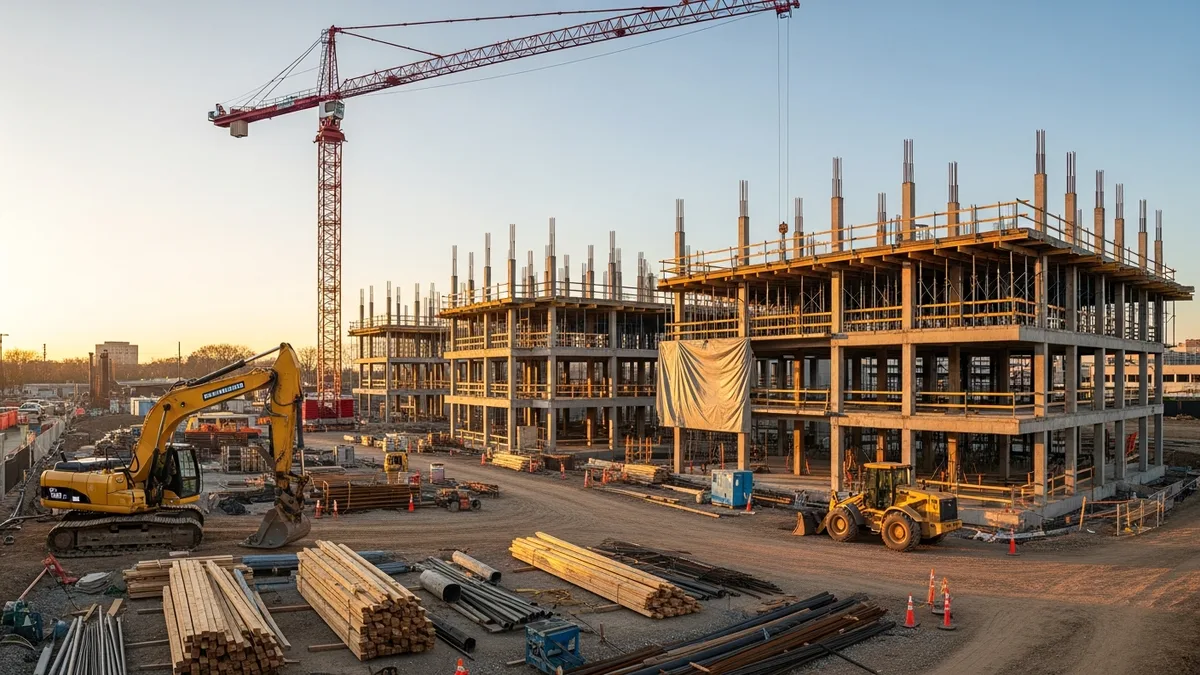
Every contractor has a version of this story. The job is 98% done. The client is ready to move in or start using the space. You just need to button up a few things, collect your final payment, and move on. But somehow “a few things” turns into three weeks of phone calls, return trips, and frustration. Subs aren’t showing up. The owner keeps adding items. Your PM is spending half their day on a project that should have been closed out last Tuesday.
That’s the punch-out phase, and it’s where good projects go sideways. Not because the work was bad, but because the process for finishing was never nailed down.
This guide breaks down the construction punch-out process from start to finish, with practical advice you can put to work on your next project. No theory. No fluff. Just the stuff that actually gets you from “almost done” to “check deposited.”
What Punch-Out Actually Means (And Why It Matters More Than You Think)
Let’s get on the same page about what we’re talking about. Punch-out is the final stage of a construction project. It starts when the work is substantially complete and ends when the owner or their representative signs off that everything meets the contract requirements.
The term goes back decades. The old-school method was literally punching holes in a list next to completed items. Today, the process looks different, but the goal is the same: identify what’s not right, fix it, prove it’s fixed, and close the job.
Here’s why the punch-out phase deserves more attention than most contractors give it. Your final payment is sitting on the other side. On most projects, 5% to 10% of the total contract value is held as retainage until punch-out is complete. On a $2 million project, that’s $100K to $200K. Every extra week your punch-out drags on is another week that money is stuck.
Beyond the money, there’s your reputation. Owners and GCs talk. If you’re known as the contractor who closes jobs clean and fast, you get called back. If you’re the one who takes six weeks to fix a list of 30 items, people remember that too.
And then there’s the crew problem. While your PM and field super are babysitting a project that should be closed, they’re not giving full attention to your next job. Slow punch-out doesn’t just cost you on the current project. It bleeds into everything else on your schedule.
The Pre-Punch Walk: Start Before You’re “Done”
The biggest mistake contractors make with punch-out is waiting until the owner’s walkthrough to find problems. By that point, every deficiency the owner spots feels like a failure. The list grows, the tone shifts, and now you’re playing defense.
Smart contractors flip this around by doing their own pre-punch walk before the owner ever sets foot on site. Here’s how that works.
Schedule it a week before substantial completion. Grab your superintendent and walk every room, every system, every exterior area. Bring your phone and document everything. Scuffed paint. Loose hardware. Missing outlet covers. Caulk that needs touching up. Ceiling tiles that are crooked. HVAC grilles that are dirty from construction dust. Get all of it.
Use your daily log to track what you find. If you’re running your daily logs through a project management tool, you can tie pre-punch items directly to that day’s record. This creates a paper trail showing you caught issues before the owner did, which matters if there are ever disputes about when something was identified.
Assign items immediately. Don’t wait until after the owner’s walk to start handing out corrections. If you find 40 items during your pre-punch walk, get those assigned to the responsible subs that same day. Give them a deadline. When the owner walks the site a week later and finds 8 items instead of 48, everyone’s happier.
Take photos of everything. This is not optional. A written description like “drywall damage, second floor” is almost useless. A photo showing the exact spot, the size of the damage, and the surrounding context tells the sub exactly what they need to fix without a phone call. Good photo and document management is the difference between a one-trip fix and a three-trip headache.
The pre-punch walk usually cuts the owner’s punch list in half. That’s not a small thing. A shorter owner punch list means fewer items to track, fewer subs to coordinate, and a faster path to final sign-off.
Running the Owner Walkthrough Like a Pro
The owner walkthrough (sometimes called the final walk or substantial completion inspection) is the formal event where the owner, architect, or their representative goes through the project and documents every item that doesn’t meet the contract drawings, specifications, or their quality expectations.
This is the moment that sets the tone for the entire punch-out phase. Handle it well and you’ll close the job in a week. Handle it poorly and you’ll be chasing your tail for a month.
Be there in person. Your project manager and your field superintendent should both attend the walkthrough. The PM handles the conversation with the owner and takes notes. The super handles technical questions and can often identify on the spot whether an item is a legitimate punch issue or something outside the contract scope.
Bring your own documentation. Show up with your pre-punch list and the status of items already corrected. When the owner points at something your crew already fixed yesterday, you can say, “Good eye, we caught that last week. Here’s the photo showing it’s been corrected.” That builds confidence. The owner starts to trust that you’re on top of things.
Push back (respectfully) on scope creep. Here’s a situation every contractor has dealt with: the owner walks through and starts adding items that were never in the original scope. “Can we add an outlet here?” “I’d like to change this paint color.” “Let’s move this thermostat.” Those are change orders, not punch items. A punch item is something that doesn’t match the contract documents. Anything new is additional work with additional cost. Have that conversation early and clearly so your punch list doesn’t balloon with work you’re not getting paid for.
Document every item with enough detail to act on it. Each punch item needs: a description, a location, a photo, and the responsible party. If you’re using a punch list app (and you should be), capture all of this during the walkthrough in real time. Walking around writing things on paper and “entering it into the system later” is how items get lost or recorded wrong.
Set the timeline before you leave. Before the walkthrough ends, agree on a completion deadline with the owner. “We’ll have all items addressed within 10 business days” gives everyone a clear target. Without a stated deadline, punch-out drifts.
Assigning, Tracking, and Closing Punch Items
This is where most punch-out processes fall apart. The walkthrough went fine. The list is documented. But then… nothing happens for four days. Then a flurry of texts. Then radio silence from two subs. Then the owner calls asking for an update you don’t have.
The fix is a simple system with three components: clear assignments, daily tracking, and same-day verification.
Clear Assignments
Every punch item gets assigned to one person or one sub. Not “the drywall crew.” Not “someone from ABC Electric.” A specific person with a phone number who gets notified the moment the item is assigned to them.
Read real contractor reviews and see why Projul carries a 4.9/5 on G2.
The notification needs to include: what the item is, where it is, a photo showing the issue, and when it needs to be done. If your sub has to call you to ask “what exactly am I fixing and where is it?” your assignment wasn’t clear enough.
Daily Tracking
Your PM should review the punch list status every morning. How many items are open? How many were completed yesterday? Which subs haven’t started their items? Who’s behind schedule?
This takes 10 minutes a day and prevents the situation where you go a week without checking and discover that nothing’s been done. A project management tool with status tracking makes this painless. You open the dashboard, see the numbers, and know exactly where you stand.
If you’re looking for a tool that handles this, take a look at our construction punch list apps guide for a breakdown of what’s available and what to look for.
Same-Day Verification
When a sub reports an item as complete, verify it that day. Not tomorrow. Not when you’re “in the area.” That day.
Here’s why this matters so much: if the fix doesn’t pass inspection, the sub is probably still on site or at least nearby. You can catch them, show them what’s still wrong, and get it corrected before they pack up and leave. If you wait two days to check, the sub has moved to another job, and now you’re scheduling another trip. Multiply that by 15 items across 5 subs and you’ve just added another week to your closeout.
Some contractors require subs to submit a photo of the completed fix before marking an item done. That way the PM can do a visual check from the office before driving out. Not a replacement for an in-person verification on critical items, but a great first filter that saves windshield time.
Keeping the Owner in the Loop (Without Creating More Work)
One of the fastest ways to slow down punch-out is poor communication with the owner. When the owner doesn’t know what’s happening, they get nervous. When they get nervous, they start calling. When they start calling, your PM spends an hour on the phone instead of managing the closeout.
The fix is simple: give the owner visibility without giving yourself extra work.
If your project management software has a customer portal, use it. Let the owner log in and see punch list progress in real time. Items completed, items in progress, items not started. They get the transparency they want, and you don’t have to write weekly update emails or take status-check phone calls.
If you don’t have a portal, send a brief update every two or three days. A simple email: “22 of 35 items complete. 10 in progress, expected done by Thursday. 3 items pending sub scheduling, will update Friday.” That’s it. Takes two minutes to write and saves you an hour of back-and-forth.
Here’s what you want to avoid: the owner calling you to ask how things are going and you having to say, “Let me check and get back to you.” That answer tells the owner you’re not tracking the work, even if you are. Always have the numbers ready.
Document everything for your records. Every completed item, every photo, every sign-off. When the owner approves the final punch list as complete, get it in writing. An email works. A signed PDF is better. This protects you if issues come up later. “We agreed the punch list was complete on March 5th. Here’s the signed document.” That’s how you keep warranty claims and retainage disputes from getting ugly.
Building a Repeatable Punch-Out System
If you’re doing punch-out differently on every project, you’re starting from scratch every time. The contractors who close jobs fast have a system they follow on every single project. It doesn’t have to be complicated, but it does have to be consistent.
Here’s a simple framework you can adapt to your operation:
Two weeks before substantial completion: Superintendent does the pre-punch walk. Items are documented with photos and assigned to responsible subs with a one-week deadline.
One week before substantial completion: Pre-punch items should be mostly complete. PM verifies corrections and documents what’s done. Remaining items are flagged for the super to push on.
Substantial completion day: Owner walkthrough happens. New items are documented in real time with photos, locations, and assignees. PM and owner agree on a punch-out completion deadline (typically 10 business days).
Days 1 through 3 after walkthrough: All items are assigned and subs are notified. PM confirms that every sub has acknowledged their items and understands the deadline.
Days 4 through 8: Subs complete corrections. PM tracks status daily and verifies completed items same-day. Owner receives progress update on day 5.
Days 9 through 10: Final items are completed and verified. PM does a full walkthrough to confirm everything is done. Owner does a final walk (or reviews through the customer portal). Sign-off is obtained.
Day 11: Retainage release paperwork is submitted. Project file is closed out. PM moves on to the next job.
That’s it. No mystery. No special tricks. Just a clear sequence of steps that everyone on your team knows and follows.
Tools That Make This Work
You can run this process with a spreadsheet and a phone camera. Plenty of contractors do. But it’s slower, harder to track, and things slip through the cracks more often.
A project management tool built for contractors pulls everything together. Your punch list, photos, assignments, status tracking, owner communication, and document storage all live in one place. Your PM isn’t jumping between five apps and a text thread to figure out where things stand.
If you’re curious what Projul costs for your team size, check out our pricing page for a straightforward breakdown. No hidden fees, no “call for a quote” games.
The Payoff
Contractors who follow a consistent punch-out process typically close jobs one to two weeks faster than those who wing it. On a single project, that might mean getting your retainage check 10 days sooner. Across a year with 15 to 20 projects, that’s hundreds of thousands of dollars flowing into your account faster.
But the biggest payoff isn’t the cash flow, even though that’s significant. It’s the freedom. When your team isn’t buried in closeout chaos on old projects, they can focus on the work that’s in front of them. Your supers are less stressed. Your PMs are more productive. Your clients are happier. And your reputation as a contractor who finishes what they start keeps the phone ringing.
Book a quick demo to see how Projul handles this for real contractors.
Punch-out doesn’t have to be the part of the job that everyone dreads. With a solid process, clear communication, and the right tools, it becomes just another step in the workflow. A quick one. And then you move on to the next job, which is exactly where you want to be.
Frequently Asked Questions
What is the punch-out process in construction?
How long should the punch-out phase take?
What is the difference between a punch list and a punch-out?
Who is responsible for punch list items?
How do I speed up punch-out on my construction projects?
Related Articles

Construction Team Meetings: A Practical Guide to Meetings That Actually Get Results
Most construction team meetings waste time. Here's how to run weekly check-ins, safety meetings, kickoffs, and...
Read More →
Project Management for Small Contractors: You Don't Need Enterprise Software
You don't need a 50-person company to benefit from project management. Even a 5-person crew loses money without a...
Read More →
Free Construction Schedule Template
A solid construction schedule keeps your jobs on track, your crews busy, and your clients happy. Grab our free...
Read More →