
Construction Rain Delay Management for Contractors
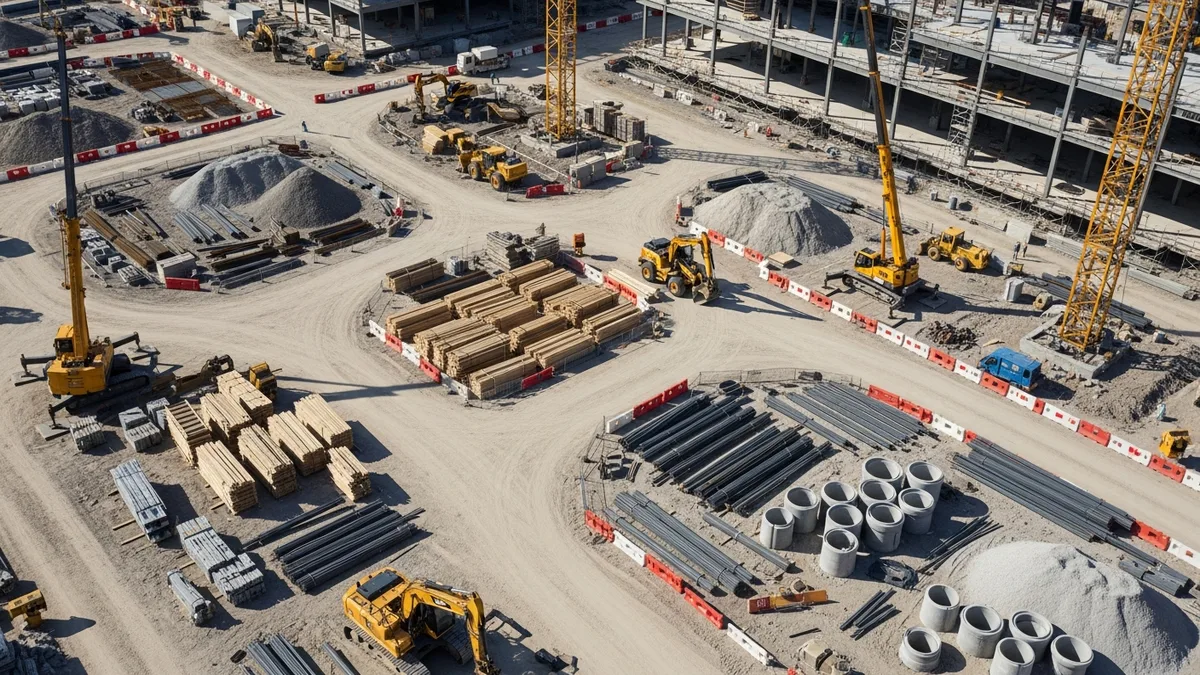
Rain delays are one of the most frustrating parts of running a construction business. You can plan every detail of a project, nail your estimates, line up your subs, and then wake up to a five-day forecast that throws everything sideways. Every contractor has been there. You’re staring at a muddy job site, your crew is sitting in their trucks, your client is texting you asking why nobody’s working, and the schedule you spent hours building is suddenly worthless.
But here’s the thing: rain is not a surprise. It happens every year, in every market, on every type of project. The contractors who handle it well aren’t the ones who never get rained out. They’re the ones who plan for it, communicate through it, and recover from it without burning their margins or their client relationships.
This guide breaks down how experienced contractors deal with rain delays from start to finish, covering everything from schedule padding to crew management to the documentation that keeps you protected when things go sideways.
Building Weather Days Into Your Schedule From Day One
The biggest mistake contractors make with rain delays is pretending they won’t happen. You’d never bid a job without accounting for material costs, so why would you build a schedule that assumes perfect weather for 90 straight days?
Start by pulling historical weather data for your area. Most regions have pretty predictable rain patterns by month. If you’re working in the Southeast during summer, you’re going to lose afternoons to pop-up storms. If you’re building in the Pacific Northwest from October through March, rain is basically a daily companion. Know your numbers and build them in.
A good rule of thumb: add 1-2 weather days per week during your area’s wet season and at least one every couple of weeks during drier months. That might feel like a lot of padding, but experienced contractors know that finishing a week early makes you a hero, while finishing a week late makes you the bad guy, even if the reason was completely out of your control.
When you’re using a scheduling tool to map out your project timeline, build those weather days right into the calendar from the start. Don’t just mentally account for them. Actually block them out. This way, when rain hits, you’re not scrambling to rebuild your entire schedule. You’re just using the buffer you already planned for.
The other piece of this is setting expectations with your client upfront. During the contract signing, walk them through your timeline and point out the weather buffer. Say something like, “We’ve got 12 weather days built into this schedule based on historical averages for this time of year. If we get lucky with the weather, we’ll finish ahead of schedule. If we don’t, we’re still covered.” That one conversation saves you dozens of awkward phone calls later.
What To Do When the Rain Actually Hits
So you’ve checked the forecast the night before and tomorrow looks like a washout. Now what?
First, make the call early. Don’t wait until your crew is standing in the parking lot at 6:30 AM to decide whether you’re working. Check the radar, look at the hourly forecast, and make the decision by the night before or early that morning. Your guys have lives. They’d rather know at 8 PM that tomorrow is a rain day than drive 45 minutes to the job site only to turn around.
Second, communicate immediately and clearly with everyone involved. That means your crew, your subs, your suppliers, and your client. A group text works in a pinch, but if you’re running multiple projects, that gets messy fast. This is where having a central place to log and share updates makes a real difference. Posting a daily log entry with a weather note, a photo of the conditions, and a quick status update takes about two minutes and gives everyone the same information at the same time.
Third, assess what you can do instead of what you can’t. Rain doesn’t have to mean a total shutdown. Can you move crews to interior work? Is there a different project that’s under roof where they could make progress? Could today be the day you knock out that equipment maintenance you’ve been putting off? The best rain day is one where you still got something done.
Here’s a quick mental checklist for rain day mornings:
- Check radar and hourly forecast for your job site location
- Make the go/no-go call
- Notify all crews, subs, and suppliers
- Log the weather conditions and your decision
- Notify the client with a brief update
- Reassign crews to indoor or alternate work if possible
- Review and update the project schedule
That last point matters more than most contractors realize. Every rain day is a chance to look at your schedule with fresh eyes and make adjustments while they’re small. It’s much easier to shift things around by a day or two right now than to realize three weeks from now that you’re hopelessly behind.
Keeping Clients Informed Without Losing Their Confidence
Client communication during rain delays is where a lot of contractors drop the ball. Either they say nothing and the client starts imagining the worst, or they over-explain and accidentally make the delay sound more serious than it is. There’s a middle ground, and it’s pretty simple: be proactive, be brief, and be confident.
When rain shuts you down, send your client a quick update that covers three things: what happened, what it means, and what you’re doing about it. That’s it. You don’t need to write a novel. Something like: “Got rained out today. We’re still within our weather buffer, so the completion date hasn’t changed. Crew will be back on site tomorrow morning.” Done.
Curious what other contractors think? Check out Projul reviews from real users.
If you’re using a customer portal where your client can see project updates in real time, even better. Post the update there so they can check it on their own time. A lot of clients don’t even want a phone call or a text. They just want to be able to pull up their project and see that someone is paying attention and things are under control.
The key is consistency. If you only reach out when there’s a problem, every message from you starts to feel like bad news. But if you’re posting regular updates, rain or shine, then a weather delay is just another update in the feed. It doesn’t feel like a crisis because your client can see it in the context of all the progress you’ve been making.
One thing to avoid: never blame the weather in a way that sounds like you didn’t plan for it. “We got hit by an unexpected rain storm” sounds very different from “We had a rain day today, which is accounted for in our project buffer.” The first one makes you sound reactive. The second one makes you sound like a professional who has things under control.
Also, document everything. Every rain day, every notification, every schedule adjustment. If a project ever goes sideways and you end up in a dispute about delays, that documentation is your best friend. It’s the difference between “we told you about the delays” and being able to pull up timestamped logs, photos, and messages that prove it. We wrote an entire piece on construction weather delay management that goes deeper on the documentation side if you want more detail.
Managing Your Crew and Subs Through Weather Disruptions
Rain delays don’t just affect your schedule. They affect real people who are counting on steady work and steady paychecks. How you handle your crew during weather disruptions says a lot about what kind of contractor you are, and it directly impacts your ability to keep good people on your team.
The first priority is clear communication, which we already covered. But beyond that, you need a plan for keeping your people productive and paid when the weather shuts down outdoor work.
Here are some strategies that experienced contractors use:
Keep a running list of indoor and shop tasks. Every project has punch list items, material prep, prefabrication, or organizational work that can be done out of the rain. Keep a list of these tasks updated so that when a rain day hits, you can immediately redirect crews instead of sending them home. This keeps them on the clock and keeps your project moving forward.
Cross-train your crews. When your framing crew can also do rough carpentry, demo, or material staging, you have more flexibility to keep them busy regardless of conditions. Cross-training takes time upfront but pays off every single rain day.
Communicate schedule changes as soon as possible. If you know Tuesday is going to be a washout and you’re planning to make it up on Saturday, tell your crew Monday. Don’t spring a Saturday workday on them Wednesday afternoon. People have families, commitments, and plans. Respect that.
Be fair and transparent about pay. Different contractors handle rain day pay differently. Some pay a partial day, some have a minimum call-out guarantee, and some only pay for hours worked. Whatever your policy is, make sure your crew knows about it before the first rain day hits. Surprises about pay are the fastest way to lose good workers.
Coordinate with your subs early. Subcontractors are juggling their own schedules across multiple projects. If rain pushes your concrete pour from Wednesday to Friday, let your concrete sub know immediately so they can adjust. Waiting until Thursday to call them is a good way to lose your spot and push even further behind.
The bottom line: treat rain delays as a scheduling problem, not a crisis. Your crew and subs will take their cues from you. If you’re calm, organized, and communicating well, they’ll roll with it. If you’re panicking and making last-minute changes, everyone around you will feel that chaos.
Recovering Lost Time After a Weather Delay
Okay, the rain has stopped, the sun is out, and it’s time to make up ground. This is where good project management separates the pros from the amateurs.
Step one: assess the actual damage. Not every rain day costs you a full day of progress. Maybe you lost the morning but your crews pivoted to indoor work in the afternoon. Maybe the concrete pour got pushed but the electricians were able to keep working. Look at your schedule honestly and figure out exactly how much time you actually lost, not how much time you think you lost.
Step two: identify your critical path. Some tasks have to happen in a specific order. Others have float. Focus your recovery efforts on the tasks that are actually holding up the next phase of work. Don’t burn overtime and weekend labor on tasks that have two weeks of float just because they’re behind. Put that energy into the bottleneck items that will delay everything else if they slip further.
Step three: communicate the recovery plan to everyone. Your client, your crew, your subs, and your suppliers should all know the updated plan. Use your scheduling tool to adjust the timeline and share it. When everyone can see the same schedule, you avoid the confusion and finger-pointing that comes from different people working off different assumptions.
Step four: consider your options for making up time. You have several:
- Extended hours. Can you start earlier or work later? During summer months when you have daylight until 8 or 9 PM, this is often the easiest option.
- Weekend work. This costs more (overtime) and can wear out your crew if you do it too often, but a Saturday here and there is usually manageable.
- Additional crews. Can you bring in extra hands to run parallel tasks that would normally be done sequentially? This requires coordination but can compress the schedule significantly.
- Resequencing. Sometimes you can rearrange the order of upcoming tasks to work around the delay. Maybe you planned to do the patio before the landscaping, but the patio area is still too wet. Can the landscaping crew start on the front yard instead?
Step five: update your schedule and share it. Once you’ve made your recovery plan, put it in writing and get it in front of everyone. A verbal plan is a forgotten plan. A written, shared schedule keeps everyone accountable and aligned.
One last note on recovery: don’t try to make up all the lost time at once. Pushing your crew too hard for too long leads to mistakes, injuries, and burnout. It’s better to recover gradually over a couple of weeks than to run everyone into the ground trying to make up a week in three days.
Contracts, Documentation, and Protecting Yourself
All the scheduling and communication in the world won’t help you if your contract doesn’t address weather delays. This is the business side of rain delay management, and it’s just as important as the field operations side.
Every construction contract should include a weather delay clause. This doesn’t need to be complicated, but it needs to cover a few key points:
Definition of a weather day. What counts as a rain day? A common threshold is any day with 0.5 inches or more of precipitation, or any day where conditions make outdoor work unsafe or impractical. Be specific. “Bad weather” is too vague and will lead to arguments.
Number of anticipated weather days. Your contract should state how many weather days are already built into the schedule. This establishes a baseline and makes it clear that you’ve already accounted for normal weather patterns. Delays beyond that baseline are what trigger schedule extensions.
Notification requirements. How and when do you notify the client (or general contractor) about a weather delay? Most contracts require written notice within a certain number of days. Daily log entries with weather notes, photos, and timestamps satisfy this requirement and are much more compelling than a text message you sent three weeks ago that you can’t find now.
Schedule adjustment process. When weather delays push you past the built-in buffer, how does the schedule get updated? Does the completion date automatically extend day-for-day, or does it require a formal change order? Spell it out so there are no surprises.
Documentation standards. The best protection you have in any dispute is good documentation. For weather delays specifically, you should be logging the following every single day:
- Weather conditions (temperature, precipitation, wind)
- Whether work was performed or not
- If not, why not (with photos if possible)
- Any notifications sent to the client or GC
- Any schedule adjustments made
This might sound like a lot of paperwork, but it takes about five minutes a day if you’re using the right tools. A quick daily log entry with a couple of photos and a few notes is all you need. The contractors who skip this step are the ones who end up in trouble when a project runs long and the client starts looking for someone to blame.
If you’re thinking about upgrading your documentation game, take a look at what’s available on our pricing page to see how Projul can help you keep everything organized and protected.
Making Rain Days Work For You
Here’s a mindset shift that separates the contractors who just survive rain delays from the ones who actually thrive through them: rain days are not wasted days. They’re different days.
Think about all the things you never have time to do when the weather is good and every crew is running full speed. Training, safety meetings, equipment maintenance, material inventory, shop organization, project planning for upcoming jobs, pre-construction meetings, estimate reviews. All of that stuff gets pushed to the back burner when you’re in production mode. Rain days are when you catch up.
Some of the most productive contractors treat rain days as built-in administrative days. They’ll schedule safety training, equipment certifications, or team meetings on days when the forecast looks bad. That way, even if the weather clears up and they could have worked, they still got value out of the day.
Rain days are also great for stepping back and looking at the big picture. When you’re on the job site every day swinging a hammer or managing crews, it’s hard to zoom out and think about your business. Are your estimates accurate? Are you making money on your current projects? Are there processes that are eating up time and costing you money? A rainy Tuesday afternoon might be the best time you’ll have all month to sit down and think about that stuff.
The contractors who treat weather as just another variable to manage, not a catastrophe to survive, are the ones who build better businesses. They keep their crews employed, their clients informed, their contracts airtight, and their projects profitable, rain or shine.
Ready to see how Projul can work for your crew? Schedule a free demo and we will walk you through it.
At the end of the day, you can’t control the weather. But you can control your planning, your communication, your documentation, and your response. Get those right, and a rain delay is nothing more than a minor speed bump on the way to a successful project.
Frequently Asked Questions
How many rain days should I build into a construction schedule?
Do I still have to pay my crew on rain days?
How do I handle rain delay clauses in construction contracts?
Should I notify my client every time it rains on the job site?
What indoor work can construction crews do during rain delays?
Related Articles

Construction Team Meetings: A Practical Guide to Meetings That Actually Get Results
Most construction team meetings waste time. Here's how to run weekly check-ins, safety meetings, kickoffs, and...
Read More →
Project Management for Small Contractors: You Don't Need Enterprise Software
You don't need a 50-person company to benefit from project management. Even a 5-person crew loses money without a...
Read More →
Free Construction Schedule Template
A solid construction schedule keeps your jobs on track, your crews busy, and your clients happy. Grab our free...
Read More →