
Construction RFI Management Guide | Projul

If you have been in construction long enough, you know the feeling. You are three weeks into a project, your crew is ready to pour a foundation, and someone notices that the structural drawings do not match the architectural set. Now you need an answer before concrete trucks show up on Monday morning. Welcome to the world of RFIs.
Requests for Information are one of the most common documents on any construction project, and one of the most mismanaged. A single unanswered RFI can stall work for days. Stack up a dozen of them and you are looking at schedule delays, cost overruns, and a lot of frustrated people pointing fingers at each other.
The good news: managing RFIs does not have to be painful. With the right process, consistent tracking, and solid documentation habits, you can keep RFIs from becoming the bottleneck that kills your project timeline.
What RFIs Actually Are (and Why They Matter More Than You Think)
An RFI is a formal request from the contractor to the design team asking for clarification on something in the construction documents. That is the textbook definition. In practice, RFIs are the safety net that catches problems before they become expensive mistakes.
Plans are never perfect. Architects and engineers do their best, but conflicts between disciplines happen on every project. A mechanical duct route that runs straight through a structural beam. An exterior finish spec that references a product the manufacturer discontinued two years ago. A site plan that shows a storm drain exactly where the electrical room is supposed to go.
When your crew spots these issues in the field, you have two choices. You can guess and build it however seems right, then deal with the fallout later. Or you can submit an RFI, get a documented answer, and build it correctly the first time.
The second option is always the right call. Every experienced contractor knows that “figuring it out” without documentation is a recipe for rework, disputes, and claims. If you need a refresher on reading and interpreting those construction documents in the first place, our guide on how to read construction blueprints covers the fundamentals.
RFIs also create a paper trail. When a project ends up in dispute, the RFI log tells the story of what was unclear, when the question was asked, and how long it took to get an answer. That documentation is worth its weight in gold during claims and litigation.
Building an RFI Process That Actually Works
Most RFI problems are not about the individual questions. They are about the lack of a system. If your RFI process is “email the architect and hope for the best,” you are setting yourself up for delays.
Here is what a solid RFI process looks like from start to finish.
Step 1: Identify the issue clearly. Before you write anything, make sure you actually need an RFI. Is this genuinely unclear in the documents, or did someone just not read the specs closely enough? Unnecessary RFIs waste everyone’s time and make architects less responsive to the ones that matter.
Step 2: Write a specific question. Vague RFIs get vague answers. Instead of “Please clarify the wall assembly at the north elevation,” try “Sheet A-401 Detail 3 shows a 2x6 framed wall, but the structural notes on S-102 call for metal studs at this location. Please confirm which assembly is correct and provide any required modifications to the detail.” Reference exact sheet numbers, detail numbers, and spec sections.
Step 3: Include supporting documentation. Attach photos, markup drawings, or sketches that show the conflict. The easier you make it for the architect to understand the problem, the faster you get an answer. Good photo and document management makes a real difference here. When everything is organized and accessible, you spend less time hunting for the right file and more time actually building.
Step 4: Suggest a solution. When possible, include your recommended approach. Architects appreciate this because it shows you understand the intent and gives them something concrete to approve or modify. It also speeds up the response.
Step 5: Submit through a single channel. Every RFI should go through one system, one process, every time. When some RFIs go by email, others by text, and a few get discussed verbally on the jobsite, things get lost. Pick a system and stick with it.
Step 6: Track the response and close the loop. When the answer comes back, distribute it to everyone who needs it. Update your drawings, brief your foremen, and document the resolution. An RFI is not done when the architect responds. It is done when the information reaches the people doing the work.
For a deeper look at the full RFI lifecycle, check out our construction RFI process guide.
Tracking RFIs Without Drowning in Spreadsheets
Here is where most contractors lose the plot. They have a decent process for submitting individual RFIs, but no real system for tracking them across the project. When you are juggling 50, 100, or 200 open items, a shared spreadsheet starts falling apart fast.
An effective RFI tracking system needs to answer these questions at a glance:
- How many RFIs are open right now?
- Which ones are overdue?
- Which ones are blocking active work?
- Who is responsible for the next action?
- What is the average response time from the design team?
If you cannot answer those questions in under a minute, your tracking system is not working.
Number every RFI sequentially. This sounds obvious, but it gets messy when subcontractors submit their own RFIs through different channels. Establish a numbering system at the start of the project (RFI-001, RFI-002, etc.) and make the GC responsible for assigning numbers.
Log dates religiously. Every RFI needs at minimum: date submitted, date response is due, date response received. These three dates tell you everything about whether your RFI process is healthy or broken.
Flag priority levels. Not all RFIs are equal. An RFI about a paint color in a room that will not be finished for four months is very different from an RFI about a foundation detail that is holding up excavation tomorrow. Use a simple priority system (critical, standard, low) so the design team knows what to answer first.
Review the log weekly. During your weekly project meeting, pull up the RFI log and review every open item. This keeps pressure on the design team to respond and gives the owner visibility into how many questions are outstanding. If you are already running weekly project tracking meetings, adding an RFI review takes five minutes and prevents a lot of headaches.
Connect RFIs to your schedule. When an RFI is blocking a specific activity, link it to that task in your project schedule. This makes the impact visible to everyone and helps justify schedule extensions when responses are late.
The Cost of Slow RFI Responses (and What to Do About It)
Don’t just take our word for it. See what contractors say about Projul.
Late RFI responses are one of the most common causes of construction delays, and one of the hardest to recover from. When a crew is standing around waiting for an answer, you are burning labor dollars with nothing to show for it. When you have to reschedule work because an RFI has been sitting unanswered for three weeks, the ripple effects hit every trade on the project.
Let’s put some numbers on it. Say you have a crew of six waiting on an RFI response for two days. At $65 per hour per worker, that is $6,240 in labor costs alone. Now add equipment sitting idle, material deliveries that need to be rescheduled, and the knock-on effects to other trades who were supposed to follow your work. A single late RFI response can easily cost $10,000 to $20,000 when you add it all up.
So what can you do about it?
Set response timelines in the contract. The best time to address RFI turnaround is before the project starts. Include specific response timeframes in your contract or preconstruction agreement. Seven to ten business days is standard for most commercial work. Make sure the owner, architect, and all consultants agree to this timeline.
Send reminders before the deadline. Do not wait until an RFI is overdue to follow up. A polite reminder two days before the deadline keeps the item on the architect’s radar and shows you are tracking it closely.
Escalate overdue items to the owner. When RFIs go past their deadline, loop in the owner. Owners have a financial interest in keeping the project on schedule, and their involvement usually gets answers moving faster than another email from the contractor.
Document the impact. Every time a late RFI causes a delay, document it. Note the affected activities, the crew hours lost, and the schedule impact. This documentation is critical if you end up filing a delay claim later. Without it, proving that the delay was caused by the design team becomes nearly impossible.
Keep building where you can. While waiting for an RFI response, look for other work you can pull forward in the schedule. Resequencing is not always possible, but when it is, it keeps your crews productive and shows the owner you are making every effort to maintain progress.
Common RFI Mistakes That Cost Contractors Time and Money
After working with hundreds of contractors, certain RFI mistakes come up again and again. Avoiding these will save you more time than any fancy software ever could.
Mistake 1: Submitting RFIs too late. Review the drawings thoroughly during preconstruction, not when the crew is standing in the field. The best time to identify conflicts is during plan review, weeks or months before the work happens. If you catch issues early, there is plenty of time for responses. If you wait until the day before installation, even a fast turnaround will not save you.
Good estimating starts with a careful plan review, and many of the questions that become RFIs later could be caught at the bidding stage. Build document review into your estimating process and you will be ahead of the game before the first shovel hits dirt.
Mistake 2: Writing vague or incomplete RFIs. “Please clarify” is not enough information. Every RFI should reference specific sheets, details, and spec sections. Include enough context that someone who has never visited the jobsite can understand the question. Attach photos and markups whenever possible.
Mistake 3: Not tracking verbal answers. It happens all the time. The architect visits the site, answers a question verbally, and the crew moves forward. Three months later, that answer is disputed and there is no documentation. If you get a verbal response, follow up with a written confirmation. “Per our conversation on-site today, you confirmed that the waterproofing membrane should extend 12 inches above finished grade. Please confirm in writing.”
Mistake 4: Treating every RFI the same. A question about a door hardware finish and a question about a structural connection are not the same level of urgency. Prioritize your RFIs so the critical items get attention first.
Mistake 5: Letting the RFI log go stale. If you only update your RFI tracking when someone asks about it, you have already lost control. Make RFI management a daily habit, not a monthly fire drill. Log new items the same day they are identified. Update statuses as responses come in. Flag overdue items immediately.
Keeping your daily logs current helps here too. When you record what happened on-site each day, you create a timeline that connects RFI submissions to actual field conditions. That connection matters when you need to prove impact later.
Putting It All Together: Your RFI Management Playbook
You do not need a complicated system to manage RFIs well. You need a consistent one. Here is a practical playbook you can implement on your next project.
Before construction starts:
- Review all drawings and specs thoroughly during preconstruction
- Submit RFIs for any conflicts or ambiguities found during plan review
- Establish RFI response timelines in the contract
- Set up your RFI log with a clear numbering system
- Agree on the submission and response process with the design team
During construction:
- Submit RFIs as soon as issues are identified, not when they become emergencies
- Write clear, specific questions with supporting documentation
- Track every RFI with submission dates, due dates, and response dates
- Review the RFI log in every weekly project meeting
- Follow up on approaching deadlines before they pass
- Escalate overdue items promptly
- Distribute responses to all affected team members
When an RFI changes the scope:
- Connect the RFI to a change order immediately
- Document the cost and schedule impact
- Get written approval before proceeding with changed work
At project closeout:
- Include the complete RFI log in your closeout documentation
- Verify all RFIs have been formally responded to and closed
- Archive responses with the as-built drawings
Managing construction documents well, including your RFI log, is not just about staying organized during the project. It protects you after the project is done. When warranty issues come up or disputes land on a lawyer’s desk two years later, your documentation tells the story.
The contractors who manage RFIs well are not the ones with the fanciest tools. They are the ones with consistent habits. Submit early, write clearly, track everything, follow up relentlessly, and document the impact when things go sideways. Do those five things on every project and you will spend a lot less time chasing paperwork and a lot more time actually building.
See how Projul makes this easy. Schedule a free demo to get started.
RFIs are never going away. Drawings will always have conflicts, specs will always have gaps, and field conditions will always throw surprises at you. The question is not whether you will have RFIs. It is whether you will manage them in a way that keeps your project moving forward or lets them pile up until they bury you. Choose the first option. Your schedule, your budget, and your sanity will thank you.
Frequently Asked Questions
What is an RFI in construction?
How long should an RFI take to get answered?
Who is responsible for submitting RFIs on a construction project?
What happens if an RFI response changes the scope of work?
How many RFIs are normal on a construction project?
Related Articles
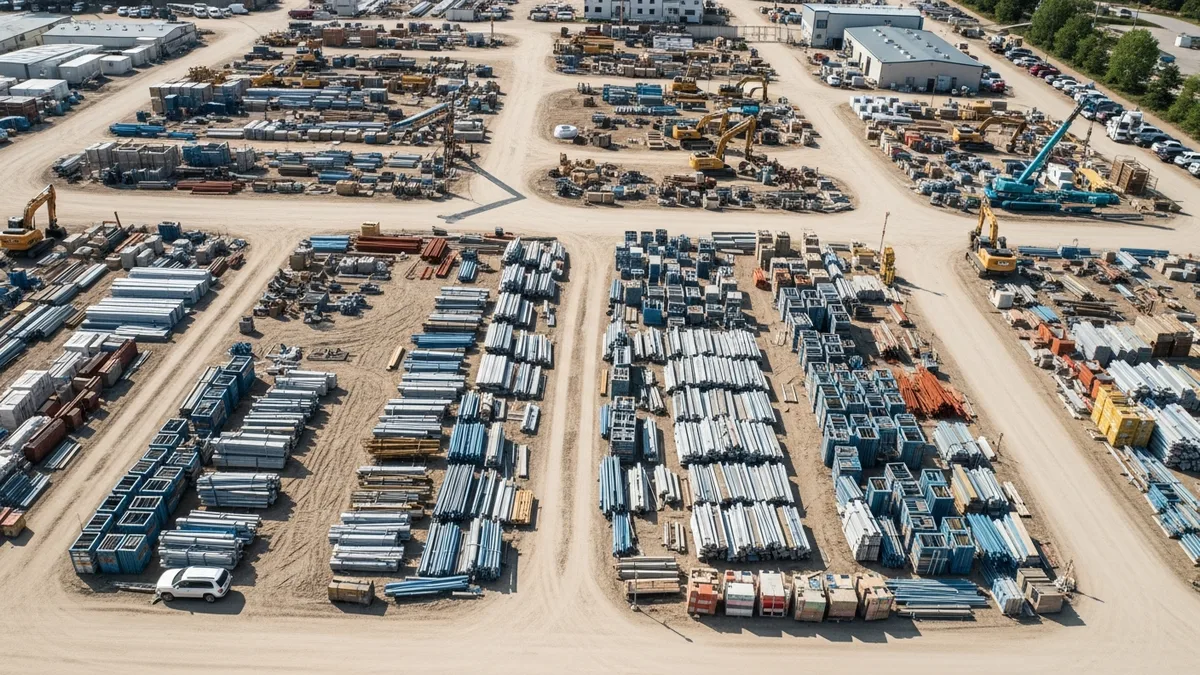
Construction Inventory Management: How to Track Materials Across Multiple Jobsites
How to track materials across multiple jobsites so nothing gets lost, wasted, or double-ordered.
Read More →
Construction Preconstruction Planning: How to Set Up Every Project for Success
The best contractors win or lose a project before they ever break ground. Preconstruction planning is where you catch...
Read More →
Construction Time Management: How to Stop Wasting Hours Every Week
Where you're losing hours every week and simple systems to get that time back.
Read More →