
Construction Site Cleanup: Systems That Work
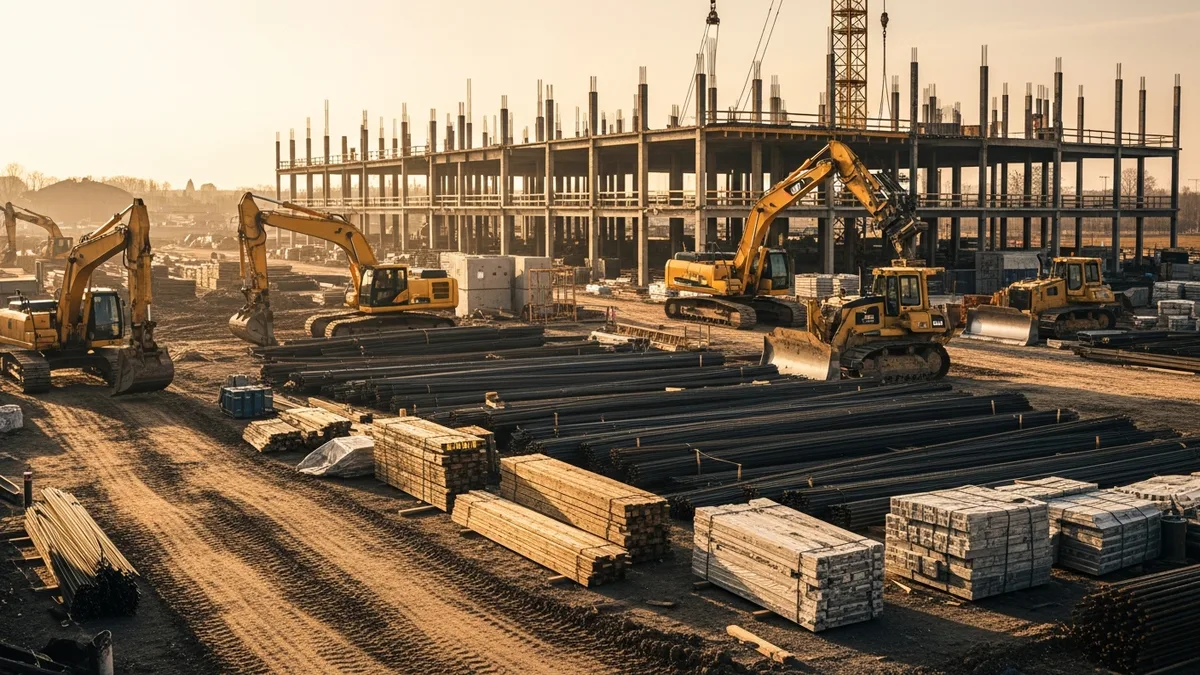
You know that feeling when you walk onto a jobsite and there’s cutoffs everywhere, trash blowing around, materials scattered across three different areas, and your dumpster is overflowing? Yeah. We’ve all been there. And if you’re honest with yourself, you know exactly how it got that way. It happened one day at a time, one “we’ll get to it tomorrow” at a time.
Here’s the thing most GCs won’t admit out loud: a dirty jobsite isn’t just ugly. It’s expensive. It’s dangerous. And it tells everyone who walks onto that site, from the building inspector to the homeowner to the next sub showing up, exactly how you run your business.
But the pushback is always the same. “We don’t have time for cleanup. We’re behind schedule. I’m not paying my guys to sweep when they could be hanging drywall.”
I get it. Production matters. But cleanup and production aren’t enemies. They’re partners. And the contractors who figure that out are the ones running tighter jobs, finishing faster, and spending less money doing it.
Let’s talk about how to actually make that work.
The Real Cost of a Messy Jobsite
Before we get into the how, let’s talk about why this matters beyond “it looks better.” Because if you’re going to change how your crews operate, you need to understand what a messy site is actually costing you.
Lost time is the big one. When your site is a mess, guys spend 15-20 minutes at the start of every shift just finding their tools and clearing space to work. Multiply that across a 10-person crew over a 6-month project and you’re looking at hundreds of lost labor hours. That’s real money walking right out the door.
Injuries are the second killer. Slips, trips, and falls are the number one cause of construction injuries, and the vast majority of them happen because someone tripped over debris or stepped on a nail sticking out of a cutoff. Every injury means paperwork, lost time, higher insurance premiums, and potentially an OSHA visit you really don’t want. If you haven’t already, check out our construction safety plan guide for more on building safety into your daily operations.
Material waste adds up fast. When your site is disorganized, materials get damaged, lost, or double-ordered. Lumber sitting in mud gets warped. Boxes of fixtures left in walkways get stepped on. That $200 light fixture your client picked out? It’s trash now because someone stacked drywall on top of it. Our guide on construction material waste reduction goes deep on this, but the short version is: organization prevents waste.
Then there’s the reputation hit. Homeowners talk. Inspectors remember. Subs notice. If your site looks like a disaster zone, people assume your work is the same quality. Fair or not, that’s how it works. I’ve seen GCs lose referrals because a neighbor drove by and saw a jobsite that looked abandoned. First impressions happen whether you’re there or not.
And let’s not forget the inspection angle. A clean, organized site tends to pass inspections faster because inspectors can actually see what they need to see. When they have to climb over piles of debris just to check a junction box, they’re already in a bad mood before they start looking.
Building Cleanup Into Your Daily Schedule
The biggest mistake contractors make with cleanup is treating it as a separate activity. Something you do when you have time. Something you schedule for Friday afternoon. Something the new guy handles.
That approach fails every single time.
Cleanup needs to be built into the daily workflow the same way you build in lunch breaks and safety briefings. It’s not extra. It’s part of the job.
The 15-minute rule works. Every crew gets 15 minutes at the end of every shift for cleanup. Not optional. Not “if we have time.” It’s on the schedule the same way everything else is. When crews know cleanup is expected and planned for, the resistance disappears. Nobody pushes back on a 15-minute task when it’s clearly part of the day.
Morning walkthroughs set the tone. Before work starts, your super or lead should walk the site. Not a formal inspection, just a quick loop. What got left from yesterday? What’s in the way? What needs to move before work can start? Five minutes in the morning saves 30 minutes of chaos later.
Phase transitions are cleanup checkpoints. Before you move from framing to rough-in, from rough-in to drywall, from drywall to finish, the site should get a thorough cleanup. These transitions are natural breakpoints, and they’re the perfect time to reset. Document these cleanups in your daily logs so you have a record of site conditions at each phase.
Weekly deep cleans keep things from spiraling. Even with daily cleanup, things accumulate. Designate one afternoon per week for a more thorough cleanup. Dumpster haul, material reorganization, yard reset. It takes a couple of hours but prevents the kind of buildup that takes a full day to dig out of.
The key to all of this is that cleanup becomes invisible when it’s routine. Your crews don’t think of it as “stopping production to clean.” They think of it as “wrapping up the day.” That mental shift is everything.
Setting Clear Expectations for Every Crew on Site
Your site, your rules. But those rules only work if everyone knows them.
One of the most common sources of jobsite mess is subcontractors. Not because subs are inherently messy, but because nobody told them what was expected. Or worse, someone told them once during the pre-construction meeting and never brought it up again.
Put it in writing. Your subcontractor agreements should include specific cleanup expectations. What does “broom clean” mean on your jobs? Who handles dumpster costs? What happens if a sub leaves their area trashed? Spell it out. If you need help structuring those conversations, our subcontractor management guide covers the full picture.
The “clean as you go” standard. Every trade should clean up after themselves at the end of each day. Electricians pick up their wire scraps. Plumbers collect their cutoffs. Framers stack their lumber waste. This isn’t extra work. This is professional behavior. The trades that push back on this are the trades that create problems in other areas too.
Back-charges need to be real. If you put cleanup expectations in your sub agreements, you need to actually enforce them. The first time you back-charge a sub for cleanup, word gets around fast. But if your agreements say one thing and you never follow through, nobody takes it seriously. Pick your battles, but when you pick them, follow through.
Daily log documentation matters. When you note cleanup issues in your daily logs, you create a paper trail. “Framing crew left area 3 with cutoffs and nails on ground, addressed with foreman” is a lot more useful than trying to remember what happened three weeks ago when a sub disputes a back-charge. Good documentation protects everyone.
Lead by example. This sounds obvious, but I’ve been on jobsites where the GC’s trailer area looks like a hurricane hit it while they’re demanding subs keep things clean. Your guys notice. If the office area is organized, if the material yard is neat, if the GC cares enough to pick up trash during a walkthrough, it sets a standard that everyone follows.
Organizing Materials and Staging Areas
Half of what makes a jobsite look messy isn’t actually trash. It’s materials that aren’t where they belong. Lumber stacked in three different spots. Fixtures delivered and left wherever the truck could get close. Electrical boxes scattered across the floor of every room.
Good material management is good cleanup. They’re the same thing.
Designate staging areas and actually use them. Every jobsite should have clearly marked areas for material storage, organized by trade or phase. Incoming deliveries go to staging. From staging, materials get distributed to work areas as needed. This keeps the bulk of your materials in one controlled location instead of scattered everywhere.
Contractors across the country trust Projul to run their businesses. Read their reviews.
This ties directly into your site logistics plan. If you haven’t thought through how materials flow on your site, cleanup will always be a losing battle because you’re constantly fighting against disorganization instead of preventing it.
Just-in-time delivery reduces clutter. The less material sitting on site, the less there is to manage, protect, and trip over. Work with your suppliers to schedule deliveries closer to installation dates. Yes, this requires better planning. But it also means less material damage, less theft, and a cleaner site.
Vertical storage beats horizontal storage. Lumber racks, pipe racks, and vertical storage systems keep materials off the ground, out of walkways, and visible. When materials are stacked flat on the ground, they get buried, stepped on, and forgotten. When they’re vertical and organized, guys can find what they need in seconds.
Label everything. Sounds simple. Almost nobody does it. When materials are labeled by room, by phase, or by trade, they end up in the right place. When they’re not labeled, they end up wherever was convenient for the delivery driver. A roll of blue tape and a Sharpie can save you hours of sorting later.
Protect finished work. This is the cleanup topic nobody talks about. Once finish work starts, your cleanup approach needs to shift from “get debris out” to “protect what’s installed.” Floor protection, corner guards, and designated walkways become critical. One muddy boot on new hardwood costs more to fix than a week of cleanup labor.
Waste Management That Actually Works
Let’s talk trash. Literally.
Dumpster management is one of those things that separates well-run jobs from chaotic ones. And it’s amazing how many experienced GCs still treat dumpsters as an afterthought.
Right-size your dumpsters. Too small and they overflow constantly, creating debris piles around the dumpster that become their own hazard. Too large and you’re paying for air. Match your dumpster size to your project phase. Demo and framing phases generate the most waste. Finish phases generate less volume but more variety.
Dumpster placement matters. Put them where they’re accessible but not in the way. Crews won’t walk across the entire site to throw something away. If the dumpster is too far from the work area, debris ends up in corners and behind walls instead. Multiple smaller waste stations throughout the site can help on larger projects.
Separate waste streams when possible. Clean wood, metal, drywall, and general trash can often be separated for recycling or reduced disposal fees. This takes a bit more setup, but the cost savings on disposal can be significant, especially on larger projects. Some municipalities require it, so check local regulations.
Schedule regular hauls. Don’t wait for the dumpster to overflow before calling for a swap. Build dumpster swaps into your project schedule. If you know demo week will fill two dumpsters, schedule both swaps in advance. Waiting until the last minute usually means a day or two with an overflowing dumpster and nowhere to put waste.
Daily trash runs are non-negotiable. At the end of every shift, loose trash gets collected and taken to the dumpster. Not piled next to the dumpster. In it. This is part of that 15-minute daily cleanup. If your dumpster is full, that’s a management problem, not an excuse to pile trash on the ground.
Track your waste costs. Most GCs have no idea what they spend on waste disposal across a project. Start tracking it. When you know the real number, you’ll be motivated to reduce it. And when you can show your team how much money goes into dumpsters, they start caring about waste reduction too.
Making It Stick: Systems That Keep Sites Clean Long-Term
Anyone can clean a jobsite once. The hard part is keeping it clean for the life of the project. That requires systems, not willpower.
Cleanup checklists remove ambiguity. When the daily cleanup checklist says “clear all walkways, collect loose fasteners, restack lumber, empty trash bins, check dumpster level,” everyone knows exactly what needs to happen. No guessing, no “I thought someone else was handling it.” Keep these checklists in your project management software so they’re accessible to everyone on site.
Photo documentation creates accountability. Take a photo of the site at the end of each day. Put it in your daily log. Over time, you build a visual record of site conditions that’s incredibly valuable for dispute resolution, safety documentation, and quality control. It also makes it obvious when standards slip, because you can compare Tuesday’s photo to Monday’s and see exactly what changed.
Tie cleanup to your OSHA compliance program. Housekeeping isn’t just about looking good. It’s a regulatory requirement. When cleanup is framed as part of your safety and compliance program, it carries more weight than when it’s framed as “keeping things tidy.” OSHA standard 1926.25 specifically addresses housekeeping, and violations can result in significant fines.
Recognize good behavior. This doesn’t have to be complicated. A quick “hey, your area looked great yesterday” goes a long way. Some GCs do weekly site awards for the cleanest work area. Others just make a point of noting good housekeeping in their daily logs. People repeat what gets noticed.
Use technology to stay on top of it. Your project management platform should make it easy to document site conditions, assign cleanup tasks, and track completion. When cleanup tasks live in the same system as everything else, they don’t get forgotten. If you’re not already using a system built for how contractors actually work, take a look at what Projul offers and see how daily logs, scheduling, and task management work together to keep your jobs running clean.
Adjust your approach by phase. What works during framing won’t work during finishes. Your cleanup systems need to evolve as the project progresses. Early phases focus on debris removal and material organization. Middle phases focus on waste management and access maintenance. Late phases focus on protection, dust control, and detail cleaning. Build these transitions into your project plan so they happen automatically.
Make cleanup part of your project closeout. The final cleanup before turnover sets the tone for your client’s entire experience. A spotless handover makes everything else look better. Budget for a professional cleaning crew for the final clean if you’re doing residential or commercial finish work. It’s worth every penny.
Bringing It All Together
Look, none of this is rocket science. Keeping a jobsite clean comes down to three things: set clear expectations, build cleanup into the daily routine, and hold everyone accountable.
The contractors who run clean sites aren’t spending more time or money on cleanup. They’re spending less. Because prevention is always cheaper than recovery. A 15-minute daily cleanup costs you almost nothing. A full-day site reset because things got out of control costs you a fortune.
And here’s what nobody talks about: clean sites are faster sites. When guys can find their tools, access their work areas, and move materials without playing Tetris, they work faster. When nobody’s tripping over debris, nobody’s filling out incident reports. When inspectors can see what they need to see, inspections go smoothly.
It all connects. Your cleanup program ties into your safety plan, your material management, your scheduling, your sub management, and your bottom line. It’s not a separate thing you bolt on. It’s woven into how you run your jobs.
Start small if you need to. Implement the 15-minute daily cleanup on your next project. Add cleanup expectations to your next sub agreement. Put a checklist in your daily log. See what happens.
Ready to stop guessing and start managing? Schedule a demo to see Projul in action.
I think you’ll be surprised how quickly things change when cleanup stops being an afterthought and starts being part of the plan.
Frequently Asked Questions
How often should a construction site be cleaned?
Who is responsible for jobsite cleanup on a construction project?
What are the OSHA requirements for construction site housekeeping?
How does a messy jobsite affect construction productivity?
What should be included in a construction site cleanup checklist?
Related Articles
Construction Septic System Installation: What Every GC Needs to Know
Septic systems on rural builds bring unique scheduling, permitting, and soil challenges that can wreck your timeline if...
Read More →
Construction Painting Project Management: Coordinating Interior and Exterior Phases
Painting is one of those trades that touches every other trade on the schedule. Get the sequencing wrong, and you're...
Read More →
Epoxy Flooring and Industrial Coatings: A Contractor's Complete Guide
Epoxy flooring and industrial coatings are high-margin work when you get the process right and a fast way to lose money...
Read More →