
Construction Site Security: Prevent Theft on the Job
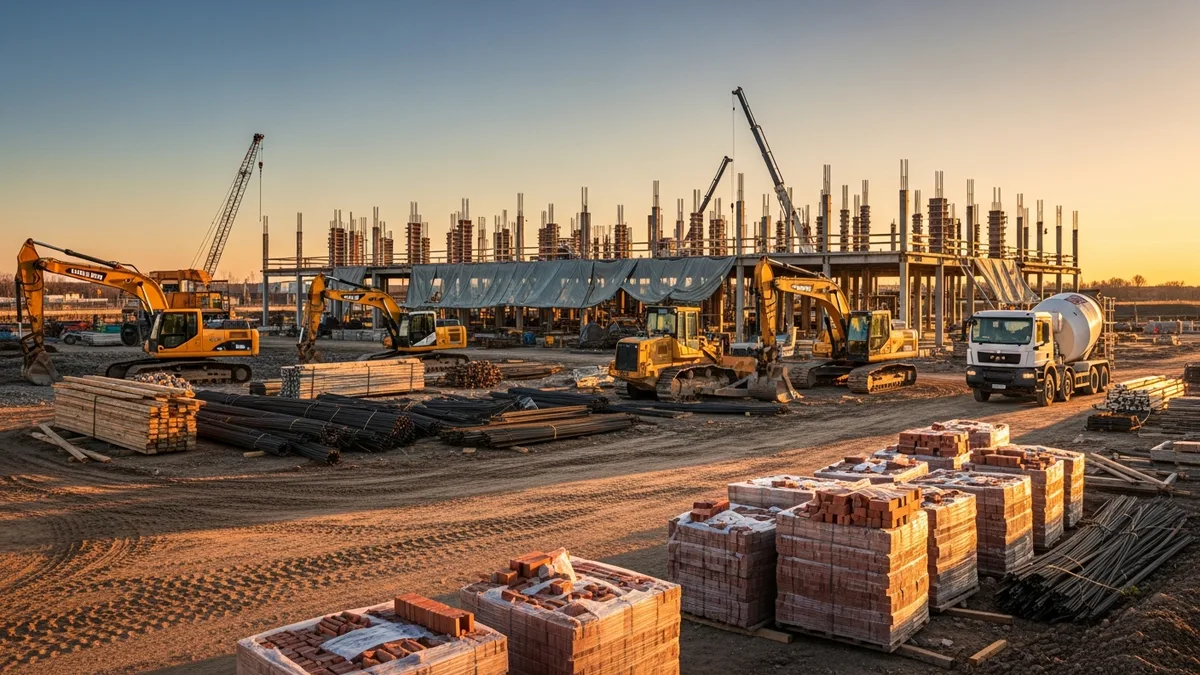
Construction Site Security Guide: Protecting Your Tools, Materials, and Equipment
A contractor in Texas showed up Monday morning to find $40,000 worth of copper wire stripped from a building they were wiring. A framing crew in Ohio lost their entire trailer of tools overnight. A GC in Florida had a skid steer driven right off the site on a weekend.
These are not rare stories. Construction site theft costs the US industry over $1 billion every year, according to the National Equipment Register. And those are just the reported cases. Many contractors eat smaller losses without filing a report because of high deductibles or the hassle of dealing with police and insurance.
The reality is that construction sites are targets. They are often open, unattended at night, and full of valuable materials and equipment. But you can dramatically reduce your risk with the right combination of physical security, technology, and smart policies.
This guide covers everything you need to protect your job sites.
What Thieves Are After
Understanding what gets stolen helps you prioritize your security efforts. Here are the most common targets on construction sites:
Copper and Metals
Copper is the number one target on construction sites. Wire, piping, and fittings can be stripped and sold to scrap yards quickly. With copper prices regularly above $3.50 per pound, a single theft can cost you thousands in materials and even more in rework.
Other metals like aluminum, brass, and steel are also targets, though less frequently than copper.
Power Tools
Cordless drills, circular saws, reciprocating saws, nail guns, and rotary hammers are easy to carry and easy to sell. A single tool bag can hold $2,000 or more worth of tools, and a thief can grab it in under a minute.
Heavy Equipment
Skid steers, mini excavators, generators, compressors, and lifts are high-value targets. These often disappear on weekends when sites are unattended for two or more days. Stolen heavy equipment is frequently moved out of state or even out of the country quickly.
Building Materials
Lumber, drywall, roofing materials, appliances, fixtures, and HVAC equipment are all targets, especially on residential projects where materials are delivered before installation. Lumber theft has increased significantly as material prices have risen in recent years.
Fuel
Diesel fuel theft from equipment tanks and on-site storage is more common than many contractors realize. It is easy to siphon and hard to trace.
Physical Security Measures
Physical barriers are your first line of defense. They will not stop a determined thief on their own, but they slow people down and make your site a harder target.
Perimeter Fencing
Every construction site should have some form of perimeter fencing. Options include:
- Chain link fencing: The standard choice. Six feet tall minimum, with barbed wire or privacy slats for higher-risk sites.
- Temporary construction fencing: Panel-style fencing that is easy to move as the project progresses. Less secure than chain link but better than nothing.
- Privacy screening: Fabric or mesh attached to fencing that blocks the view of your site from the street. If thieves cannot see what you have, they are less likely to target you.
Lock your gates. This sounds obvious, but unlocked or poorly secured gates are one of the most common security failures. Use heavy-duty padlocks with shrouded shackles that resist bolt cutters. Consider puck-style locks for maximum resistance.
Lighting
Darkness is a thief’s best friend. Good lighting is one of the cheapest and most effective security measures you can add.
- Motion-activated lights: Place them at entry points, storage areas, and along the perimeter. Motion activation saves energy and draws attention when triggered.
- Continuous lighting: For high-value sites, keep key areas lit all night. LED fixtures are inexpensive to run.
- Solar-powered lights: Useful for sites without temporary power. Modern solar lights are bright enough for security purposes.
Locked Storage
Never leave valuable tools and materials out in the open overnight.
- Job site storage containers: Steel shipping containers or purpose-built job boxes provide strong protection. Bolt them down or chain them to prevent the entire container from being hauled away.
- Lockable gang boxes: Smaller lockable tool chests that can be secured to a structure or vehicle. Use high-quality locks.
- Tool trailers: If you use a trailer for tool storage, add a hitch lock, wheel locks, and chain the trailer to a fixed anchor point.
Signage
Post visible signs warning of security cameras, alarm systems, and prosecution for trespassing. Signs alone deter casual and opportunistic theft. Even if you do not have cameras everywhere, the perception of surveillance matters.
Technology Solutions for Site Security
Physical security creates barriers. Technology adds visibility and accountability.
Security Cameras
Camera technology has gotten much better and much cheaper in recent years. Options for construction sites include:
- Wired CCTV systems: Reliable but require power and installation. Best for longer-term projects.
- Wireless/cellular cameras: Run on batteries or solar power with cellular data connections. Easy to deploy and move between sites. Many offer cloud storage and remote viewing from your phone.
- PTZ cameras (pan-tilt-zoom): Cover larger areas with remote-controlled movement. Useful for big sites.
- Time-lapse cameras: Originally used for project documentation, these also serve as a security record.
Placement tips:
- Cover all entry and exit points
- Monitor material storage areas and equipment parking
- Position cameras high enough to avoid tampering but low enough to capture faces
- Use cameras with night vision or infrared capability
- Make sure at least some cameras are clearly visible as a deterrent
Remote Monitoring Services
Several companies now offer remote monitoring specifically for construction sites. These services watch your cameras in real time and can dispatch police or security when they detect suspicious activity. They cost more than standalone cameras but provide active response rather than just recording.
GPS Tracking
GPS trackers on heavy equipment and valuable assets let you locate stolen items and can aid in recovery.
- Equipment trackers: Install GPS units on excavators, skid steers, generators, and other high-value equipment. Many also offer geofencing alerts that notify you when equipment leaves a defined area.
- Tool trackers: Smaller Bluetooth and GPS trackers can be placed in tool bags, gang boxes, or individual high-value tools.
- Vehicle trackers: If company trucks are targets, GPS tracking provides location data and movement history.
Recovery rates for GPS-tracked equipment are significantly higher than for untracked items. The cost of a tracker ($15-30 per month) is nothing compared to replacing a $50,000 piece of equipment.
Inventory and Asset Management
You cannot report what was stolen if you do not know what you had. Detailed inventory tracking is both a security measure and an insurance requirement.
This is where good project management software pays off. Tools like Projul’s project management features let you track materials, equipment, and costs at the project level. When you know exactly what is on each job site, you can spot discrepancies quickly and file accurate insurance claims when needed.
Using job costing tools also helps you catch unusual material usage patterns that might indicate theft before losses add up.
Alarm Systems
Construction-specific alarm systems are available in both wired and wireless configurations. Look for:
- Motion detection in key areas
- Door and gate sensors
- Loud sirens to scare off intruders and alert neighbors
- Cellular connection for notifications (since phone lines are not available on most sites)
Insurance Considerations
Security measures reduce risk, but insurance is your safety net when prevention fails.
Know Your Coverage
Construction theft can fall under several types of insurance:
- Builder’s risk insurance: Covers materials and work in progress on the job site. Check whether theft is included or excluded.
- Inland marine / contractor’s equipment policy: Covers tools, equipment, and materials in transit or on site. This is typically the primary coverage for stolen tools and equipment.
- Commercial property insurance: May cover items stored at your shop or yard.
- General liability: Does not typically cover theft of your own property, but may apply if a client’s property is stolen from your site.
What Insurers Want to See
Insurance companies may offer lower premiums or better coverage if you demonstrate strong security practices:
- Documented security procedures
- Evidence of physical security measures (fencing, locks, lighting)
- Camera systems with recording capability
- GPS tracking on high-value equipment
- Detailed inventory records with serial numbers and photos
Document Everything
For every piece of equipment and every valuable tool:
- Record the make, model, and serial number
- Take photos
- Keep receipts or proof of purchase
- Store records off-site or in the cloud (not just in the tool trailer that might get stolen)
When a theft happens, this documentation is the difference between a successful insurance claim and a denied one.
Reporting Theft
When theft happens, act fast and follow a clear process.
Immediate Steps
- Call the police. File a report immediately, even for small thefts. You need a police report number for insurance claims.
- Document the scene. Take photos and videos of any damage, forced entry, or disturbed areas before cleaning up.
- Check your cameras. Review footage and save copies. Provide relevant clips to law enforcement.
- Inventory what is missing. Compare against your records to create an accurate list.
- Notify your insurance company. Most policies require prompt notification of losses.
- Alert nearby sites. Other contractors in the area may be targets too. Warn them and share any information about suspects.
Working with Law Enforcement
Be realistic about expectations. Police departments are often stretched thin, and construction theft is not always a high priority for investigators. You can improve your chances by:
- Providing clear camera footage with timestamps
- Including serial numbers for stolen equipment (these can be flagged in national databases)
- Checking with local scrap yards and pawn shops if copper or tools were taken
- Monitoring online marketplaces where stolen tools and equipment often appear for sale
- Registering heavy equipment with the National Equipment Register
Report to Industry Databases
Organizations like the National Equipment Register (NER) and the National Crime Information Center (NCIC) maintain databases of stolen equipment. Registering stolen items increases the chance of recovery, especially for heavy equipment that may cross state lines.
Preventing Employee Theft
This is the uncomfortable topic that most contractors would rather not discuss. But the truth is that a significant portion of construction site theft is internal.
Employee theft ranges from workers taking home company tools to organized schemes where materials are diverted to side jobs. It is hard to detect because the people doing it know your site, your schedule, and your blind spots.
Hire Carefully
- Run background checks on new hires, especially for supervisory roles
- Check references and verify employment history
- Pay attention to red flags during interviews
Create Accountability Systems
- Tool check-in and check-out: Track who has what and when it was returned. This does not have to be complicated. A clipboard and a log sheet work fine for smaller operations. For larger companies, tool tracking apps and barcode systems are worth the investment.
- Material reconciliation: Compare materials ordered to materials installed. Significant discrepancies should be investigated.
- Job cost tracking: When material costs on a project consistently exceed estimates, it could indicate waste, but it could also indicate theft. Using Projul’s job costing features makes it easier to spot these patterns early.
Set Clear Policies
Make your theft policy crystal clear from day one:
- Define what constitutes theft (including “borrowing” company tools without permission)
- Explain the consequences (termination, criminal charges)
- Include the policy in your employee handbook and review it during onboarding
Build a Culture of Accountability
Workers are less likely to steal from a company they respect and feel loyal to. Good pay, fair treatment, and an open culture reduce the temptation. When employees feel like valued team members rather than disposable labor, they protect company property instead of taking it.
Make it easy for workers to report suspicious behavior. An anonymous tip line or suggestion box gives honest employees a way to speak up without fear of retaliation.
After-Hours Security Options
For high-risk sites or projects with especially valuable materials and equipment, consider these additional security measures.
Mobile Security Patrols
Private security companies offer patrol services where guards check your site multiple times per night. This is more affordable than a full-time guard and provides a visible deterrent.
What to look for in a patrol service:
- Documented patrol times and routes
- Photo or GPS verification of each check
- Direct communication with your team in case of incidents
- Familiarity with construction site security needs
On-Site Security Guards
For the highest-value or highest-risk sites, a dedicated guard provides the strongest protection. This is expensive but may be justified for projects with large amounts of high-value materials on site or sites in high-crime areas.
Some contractors share the cost of security among multiple projects in the same area.
Guard Dogs
Trained security dogs are used on some construction sites, particularly in rural areas. They provide both a deterrent and an alert system. If you go this route, work with a professional K-9 security company rather than just leaving a pet on site.
Neighborhood Watch and Community Relations
On residential projects, getting to know the neighbors can be a surprisingly effective security measure. Neighbors who know you and your crew will notice and report unfamiliar people or vehicles at your site after hours. Introduce yourself, share your contact information, and ask them to call you or the police if they see anything suspicious.
Building a Site Security Plan
Every project should have a security plan, even if it is simple. Here is a template to get started:
Before the Project Starts
- Assess the risk level. Consider the neighborhood, project value, duration, and types of materials involved.
- Plan your perimeter. Determine what fencing, gates, and access control you need.
- Identify storage locations. Where will tools, materials, and equipment be secured?
- Set up technology. Install cameras, lighting, and any alarm or tracking systems.
- Brief your team. Make sure every worker knows the security expectations and procedures.
During Construction
- Maintain the perimeter. Repair damaged fencing promptly. Keep gates locked during non-work hours.
- Control deliveries. Schedule material deliveries close to installation time to reduce the window of exposure. Using Projul’s scheduling features helps coordinate deliveries with your project timeline.
- Secure the site daily. Assign someone to do a security walkthrough at the end of each day. Lock all storage, check gates, and verify cameras are functioning.
- Track your inventory. Know what is on site and flag anything missing immediately.
- Monitor and adapt. If you notice signs of attempted break-ins or other issues, increase security measures for that site.
After an Incident
- Follow the reporting process outlined above.
- Review what failed and adjust your security measures.
- Share lessons learned with your team and apply them to future projects.
The Bottom Line
Construction site theft is a real and expensive problem, but it is also largely preventable. You will never eliminate risk entirely, but a combination of physical security, smart technology, good policies, and an accountable team culture will dramatically reduce your losses.
The key is being proactive rather than reactive. Every dollar you spend on security is worth far more than the losses you avoid.
Start with the basics: good fencing, lighting, and locked storage. Add cameras and GPS tracking for higher-value sites. Keep detailed records of your assets. And use project management tools like Projul to stay organized and spot problems early.
Your tools, materials, and equipment are your livelihood. Protect them accordingly.
Ready to get better control over your job sites and materials? See Projul’s pricing and find out how easy it is to start tracking everything in one place.
Frequently Asked Questions
How much does construction site theft cost the industry each year?
What items are stolen most often from construction sites?
Do security cameras actually reduce theft on construction sites?
Does insurance cover construction site theft?
How can I prevent employee theft on construction sites?
What is the best way to secure a construction site after hours?
Related Articles

Construction Client Onboarding Guide: From Signed Contract to First Day on Site
A good client onboarding process prevents disputes, reduces callbacks, and builds trust before the first nail is...
Read More →
Switching From BuilderTrend to Projul: A Contractor's Migration Guide
If you're thinking about leaving BuilderTrend, you're not alone. Here's a practical guide to switching to Projul,...
Read More →
Construction Invoice Guide: Get Paid Faster With the Right Software
Construction invoicing software helps contractors create, send, and track invoices tied to actual job costs, change...
Read More →