
Construction Soil Testing Guide for GCs
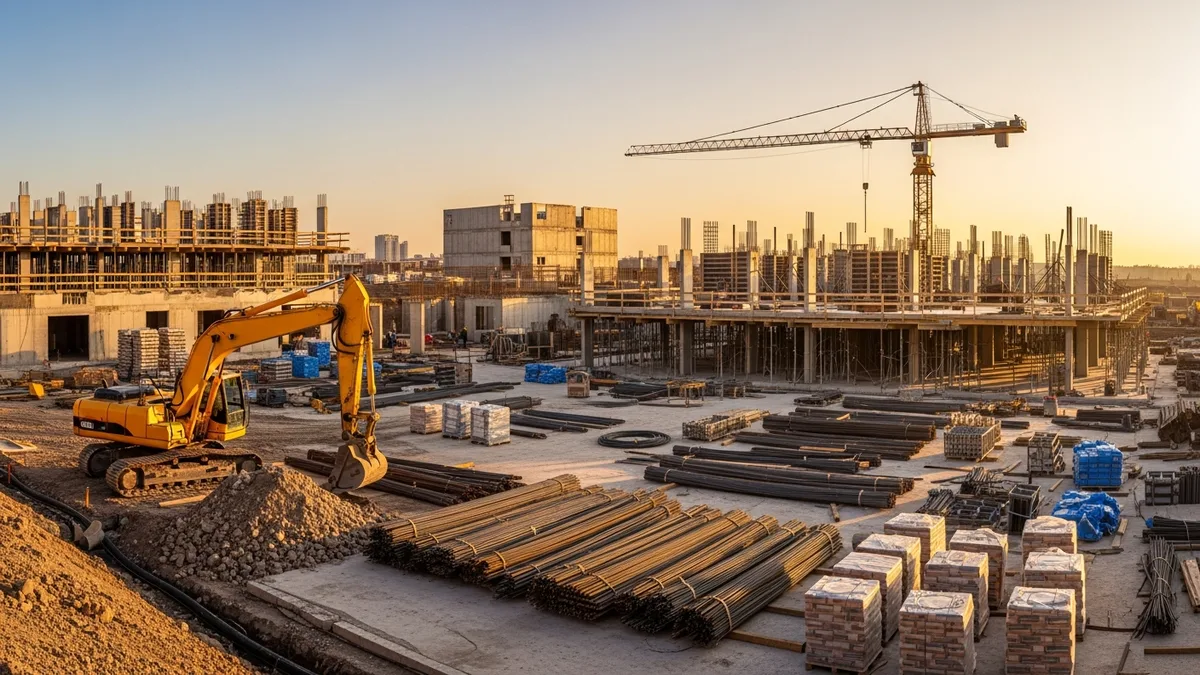
You have probably heard the saying that every building is only as good as what it sits on. That is not just something old-timers say to sound wise. It is a fact that shows up in cracked slabs, settling footers, and six-figure change orders when somebody skipped the soil work.
If you have been in the GC game for any length of time, you have seen what happens when a project moves forward without proper soil testing. Maybe you inherited a job where the foundation design was based on assumptions instead of data. Maybe you watched a footer sink three inches because nobody checked for soft clay at depth. Either way, the lesson sticks with you.
This guide breaks down what you actually need to know about construction soil testing and geotechnical reports. Not the textbook version. The version that matters when you are standing on a job site trying to figure out if your foundation plan is going to hold up.
Why Soil Testing Matters More Than Most GCs Think
Here is the honest truth: a lot of general contractors treat soil testing as a box to check. The building department requires a geotech report, so you get one. But if that is all you are doing with it, you are leaving money and risk management on the table.
Soil testing tells you what is actually underneath your building pad. Not what the guy who developed the lot next door found. Not what the county soil survey says in general terms. What is actually there, at your specific location, at the depths that matter for your project.
The bearing capacity of the soil determines what kind of foundation you can build and how deep you need to go. The moisture content and plasticity of the soil tell you whether you are dealing with expansive clays that will move seasonally. The groundwater level tells you if you need dewatering, waterproofing, or a completely different excavation approach.
All of this feeds directly into your pre-construction planning. If you do not have solid soil data before you finalize your bid, you are guessing. And guessing on foundation conditions is one of the fastest ways to blow a budget.
Think about it from a numbers perspective. A basic geotech investigation might cost $2,000 to $5,000 on a residential or light commercial job. Compare that to discovering bad soil after you have already mobilized, excavated, and poured footers. Now you are talking about redesigns, structural engineer fees, removal of what you already placed, and a foundation system that could cost two or three times what you originally estimated. The math is simple.
What Happens During a Geotechnical Investigation
If you have never been on site during a soil boring, it is worth watching at least once. Understanding the process helps you read the report with more confidence.
A geotechnical investigation typically starts with a drilling rig showing up to your site and advancing borings at locations specified by the geotechnical engineer. The number and depth of borings depend on the size of the project, the building footprint, and what the engineer already knows (or suspects) about the local geology.
Boring and Sampling
The drill rig pushes or drives a hollow sampler into the ground at regular intervals, usually every 2.5 or 5 feet. The most common method is the Standard Penetration Test (SPT), where a 140-pound hammer drops 30 inches to drive the sampler. The number of blows it takes to advance the sampler 12 inches is called the N-value, and this is one of the most important numbers in the entire report.
High N-values mean dense or stiff soil. Low N-values mean loose or soft material. If you see N-values in the single digits at shallow depths, pay attention. That is telling you the soil does not have much strength, and your foundation design needs to account for it.
The samples pulled from each boring get sealed, labeled, and sent to a lab for testing. Common lab tests include:
- Moisture content: How much water is in the soil right now
- Atterberg limits: The liquid limit and plastic limit, which tell you how the soil behaves as moisture changes
- Grain size analysis: What the soil is actually made of (sand, silt, clay, gravel)
- Unconfined compressive strength: How much load the soil can take before it fails
- Swell/consolidation tests: Whether the soil will expand when wet or compress under load over time
Groundwater Observations
During drilling, the crew notes if and when they hit water. They will also often leave a monitoring well or open borehole for 24 hours to check where the water table stabilizes. This matters for excavation planning, stormwater management, and long-term foundation performance.
If groundwater is shallow, you may need to plan for dewatering during construction, design a waterproof foundation system, or adjust your grading plan. None of that is something you want to figure out after you have already started digging.
How to Read a Geotechnical Report (Without a PhD)
The geotech report lands on your desk and it is 40 pages of technical language, boring logs, lab data, and engineering recommendations. Most GCs flip to the recommendations section and skip the rest. That works most of the time, but knowing how to read the full report makes you better at your job.
The Boring Logs
These are the core of the report. Each boring log shows what was found at every depth: soil type, color, moisture, consistency, and the SPT N-values. Read them like a story that starts at the surface and goes down.
Look for changes. If the top 5 feet is stiff clay with N-values of 15 to 20, but then you hit a layer of loose sand with N-values of 4 to 6, that soft layer is going to affect your foundation. The engineer will address it in the recommendations, but you should understand why they are recommending what they are recommending.
Soil Classification
Geotechnical reports use the Unified Soil Classification System (USCS). You do not need to memorize every symbol, but knowing the basics helps:
- GW, GP: Gravels (generally good bearing material)
- SW, SP: Sands (usually decent, watch for loose conditions)
- CL, CH: Clays (CL is low plasticity, CH is high plasticity and more problematic)
- ML, MH: Silts (can be tricky, especially when wet)
- OL, OH, PT: Organic soils and peat (almost always need to be removed)
If you see CH (high plasticity clay) in your boring logs, that is expansive soil. Your foundation design needs to account for seasonal movement, and your concrete approach needs to match the engineer’s recommendations.
The Recommendations Section
This is where the geotechnical engineer earns their fee. The recommendations section typically covers:
- Allowable bearing capacity: The maximum pressure the soil can support (measured in pounds per square foot). This number directly determines your footer size.
- Foundation type: Spread footers, drilled piers, mat slabs, or driven piles. The engineer recommends what works for your soil conditions.
- Minimum footing depth: How deep footers need to go to reach adequate bearing material and get below the frost line.
- Fill and compaction requirements: If the site needs fill, what type of material to use and what compaction standards to hit (usually 95% of Modified Proctor).
- Drainage and moisture considerations: Any special requirements for keeping water away from the foundation.
- Seismic site class: If you are in a seismic zone, the soil determines your site class (A through F), which affects structural design.
Read this section carefully and make sure your structural engineer has a copy before they finalize the foundation drawings. If the geotech recommends drilled piers to 15 feet but your structural drawings show spread footers at 3 feet, somebody missed something.
Red Flags in Soil Reports That Should Make You Pause
Not every soil report is a green light. Some reports contain findings that should change how you approach the entire project. Here are the red flags that experienced GCs watch for.
Highly Expansive Soils
When the plasticity index (PI) is above 35 or the report calls out “high swell potential,” you are dealing with soil that will move. A lot. Foundations on expansive soil need to be designed to either move with the soil (post-tensioned slabs) or bypass it entirely (piers drilled to stable material below the active zone).
If you are doing land development in areas known for expansive clays (parts of Texas, Colorado, the Carolinas, and many others), build this into your planning from day one. Do not wait for the report to tell you what you should already suspect.
Fill of Unknown Origin
If the boring logs show fill material and the report says “fill of unknown origin” or “uncontrolled fill,” that is a problem. You do not know what is in there, how it was placed, or whether it was compacted. The typical recommendation is to remove it and replace it with engineered fill, compacted in lifts and tested. That adds cost and time.
On redevelopment sites, old fill can contain debris, organic material, or even contaminated soil. If the report hints at any of this, get clarity before you price the job.
High Groundwater
Groundwater within a few feet of your foundation elevation complicates everything. You will likely need dewatering during construction, which means pumps, discharge permits, and monitoring. The long-term design may require waterproofing membranes, drainage systems, or even a structural slab designed to resist hydrostatic pressure.
Check the groundwater observations in the report and compare them to your planned excavation depth. If they are close, talk to the geotech engineer about seasonal fluctuations. The water table during a dry summer boring may be several feet higher in spring.
Organic Layers or Peat
Organic soils compress over time under load. You cannot build on them. If the borings find organic layers at foundation depth, those layers need to be removed and replaced. On sites with deep organic deposits, this can mean significant over-excavation or switching to a deep foundation system.
Variable Conditions Across the Site
If boring number one shows stiff clay all the way down but boring number three (50 feet away) shows loose sand over soft clay, you have variable conditions. This is common on sites near old stream channels, fill areas, or geological transitions. Variable conditions mean your foundation design may need to change across the building footprint, and your excavation quantities are less predictable.
Document these findings with photos and field notes as you excavate. Comparing what you actually find to what the report predicted helps you catch problems early and supports any claims if conditions differ from the report.
How Soil Testing Affects Your Bid and Schedule
Soil conditions ripple through every part of your estimate and schedule. If you are not accounting for the geotech findings in your numbers, you are setting yourself up for problems.
Estimating Impact
The geotechnical report directly affects several line items in your bid:
- Excavation: Depth, method (machine vs. rock removal), and whether you need shoring or dewatering
- Foundation costs: Footer size, pier depth, slab thickness, and reinforcement
- Fill and grading: Whether you need to import material, the type of fill required, and testing during placement
- Concrete: Mix design, volume, and any special requirements for sulfate resistance or other soil-related factors
- Waterproofing: Below-grade waterproofing systems if groundwater is a factor
- Schedule: Additional time for soil removal, deep foundations, dewatering, or compaction testing
Curious what other contractors think? Check out Projul reviews from real users.
Your estimating process should include a line-by-line review of the geotech report against your takeoff. If the report recommends over-excavation and replacement of 3 feet of unsuitable material across the building footprint, that is a lot of dirt to move and a lot of engineered fill to place and test. Those costs add up fast.
For GCs who self-perform site work, the soil report is your playbook. For those who sub out the foundation and site work, make sure your subs have a copy of the report and are pricing accordingly. A foundation sub who bids without reading the geotech is a problem waiting to happen.
Schedule Considerations
Soil conditions affect your schedule in ways that are not always obvious:
- Pier drilling in rocky soil takes longer than in clay. If the geotech shows rock at shallow depth, your pier sub needs to price for rock sockets, and you need to plan for the extra time.
- Dewatering needs to start before excavation and continue until the foundation is backfilled and can resist water pressure. That is a duration activity, not just a cost.
- Compaction testing during fill placement adds time at every lift. If the spec requires testing every lift at a certain frequency, build those holds into your schedule.
- Waiting for lab results on soil samples taken during construction can hold up the next phase. Know the turnaround time for your testing lab and plan accordingly.
Change Order Protection
One of the biggest benefits of having a solid geotech report before you bid is change order protection. If the report says bearing capacity is 2,000 PSF and you price your footers accordingly, but then field conditions show soft soil requiring deeper excavation or a different foundation, that is a changed condition. The report becomes your baseline for what was known at bid time.
Conversely, if you bid a project without a geotech report and then discover bad soil, you are in a much weaker position to claim a change. The owner or architect can argue that soil investigation was your responsibility or that you should have anticipated the conditions. Always include a geotech contingency in your bid if a report does not exist at bid time, and make it clear in your proposal that your pricing assumes normal soil conditions.
Practical Tips for GCs Working With Geotechnical Engineers
The relationship between a GC and the geotech engineer can either save you money or cost you. Here is how to make it work.
Get Involved Early
Do not wait for the geotech report to show up in the bid documents. If you are on a design-build project or involved in pre-construction planning, push for the geotech investigation to happen early. The sooner you have real soil data, the sooner the design team can make informed decisions about foundation type, floor elevations, and site grading.
If you are bidding a project and no geotech report is included in the bid package, ask for one. If the owner will not provide one, note it as an exclusion in your bid and include an allowance for soil-related contingencies. Do not absorb that risk silently.
Ask Questions
Geotech engineers expect GCs to have questions. If the report recommends drilled piers to 20 feet but your pier sub says they have never gone that deep in this area, call the engineer and ask why. Maybe there is a specific weak layer they are trying to get past. Maybe there is flexibility in the recommendation. You will not know unless you ask.
Good questions to ask your geotech engineer:
- What is the worst-case scenario for soil conditions on this site?
- Are there seasonal groundwater fluctuations we should plan for?
- Can we use on-site material as structural fill, or do we need to import?
- What compaction testing frequency do you recommend during fill placement?
- Are there any contamination concerns based on the site history or your findings?
Coordinate Field Verification
The geotech report is based on conditions found at specific boring locations on specific dates. Actual conditions across the entire site may vary. During excavation, have your geotech engineer visit the site to verify that what you are finding matches what the report predicted.
Most geotech firms offer construction observation services where an engineer or technician visits during excavation, fill placement, and foundation construction to verify conditions and perform field testing. This is not just a nice-to-have. On many projects, the building department requires it.
Keep detailed records of what you encounter during excavation. Take photos of soil conditions at bearing elevation before you pour footers. If conditions differ from the report, document it immediately and notify the geotech engineer before proceeding. Using a system that keeps your project photos and documents organized and time-stamped makes this much easier when you need to reference something months later.
Know When to Push for Additional Testing
Sometimes the initial geotech investigation is not enough. If your building footprint is large but only two borings were done, there could be conditions between those borings that nobody knows about. If the borings were shallow but your design requires deep foundations, you need deeper data.
Do not be afraid to request additional borings or testing. The cost of a few extra borings is nothing compared to discovering unexpected conditions after construction has started. This is especially true on land development projects where you are grading large areas and conditions can change significantly across the site.
Bringing It All Together
Soil testing is not glamorous. Nobody gets into construction because they love reading boring logs. But the GCs who take geotechnical data seriously are the ones who bid accurately, avoid surprises, and finish projects without foundation-related headaches.
Here is the short version of what to remember:
- Get the geotech report before you bid. If one does not exist, flag it and protect yourself.
- Read the full report, not just the recommendations. Understanding the boring logs and lab data makes you a better builder.
- Watch for red flags. Expansive clays, uncontrolled fill, high groundwater, and variable conditions all demand attention and budget adjustments.
- Build soil findings into your estimate and schedule. Every recommendation in the report has a cost and time impact.
- Work with your geotech engineer, not around them. They are a resource, and a good one can save you from expensive mistakes.
- Document everything in the field. Conditions may differ from the report, and your records are your protection.
If you are looking for a better way to keep your projects organized from pre-construction through closeout, including tracking soil reports, field photos, and all the documentation that comes with site work, take a look at what Projul can do for your crew. It is built by construction people, for construction people.
Book a quick demo to see how Projul handles this for real contractors.
The ground under your building is not something you can fix cheaply after the fact. Do the homework up front, read the report carefully, and build with confidence that your foundation is sitting on exactly what you think it is sitting on.
Frequently Asked Questions
How much does a geotechnical soil test cost for a construction project?
When should a general contractor order soil testing?
What is the difference between a soil test and a geotechnical report?
Can you build on expansive clay soil?
Who is responsible for ordering the geotechnical report on a construction project?
Related Articles
Construction Septic System Installation: What Every GC Needs to Know
Septic systems on rural builds bring unique scheduling, permitting, and soil challenges that can wreck your timeline if...
Read More →
Construction Painting Project Management: Coordinating Interior and Exterior Phases
Painting is one of those trades that touches every other trade on the schedule. Get the sequencing wrong, and you're...
Read More →
Epoxy Flooring and Industrial Coatings: A Contractor's Complete Guide
Epoxy flooring and industrial coatings are high-margin work when you get the process right and a fast way to lose money...
Read More →