
Construction Vendor & Supplier Management Guide | Projul
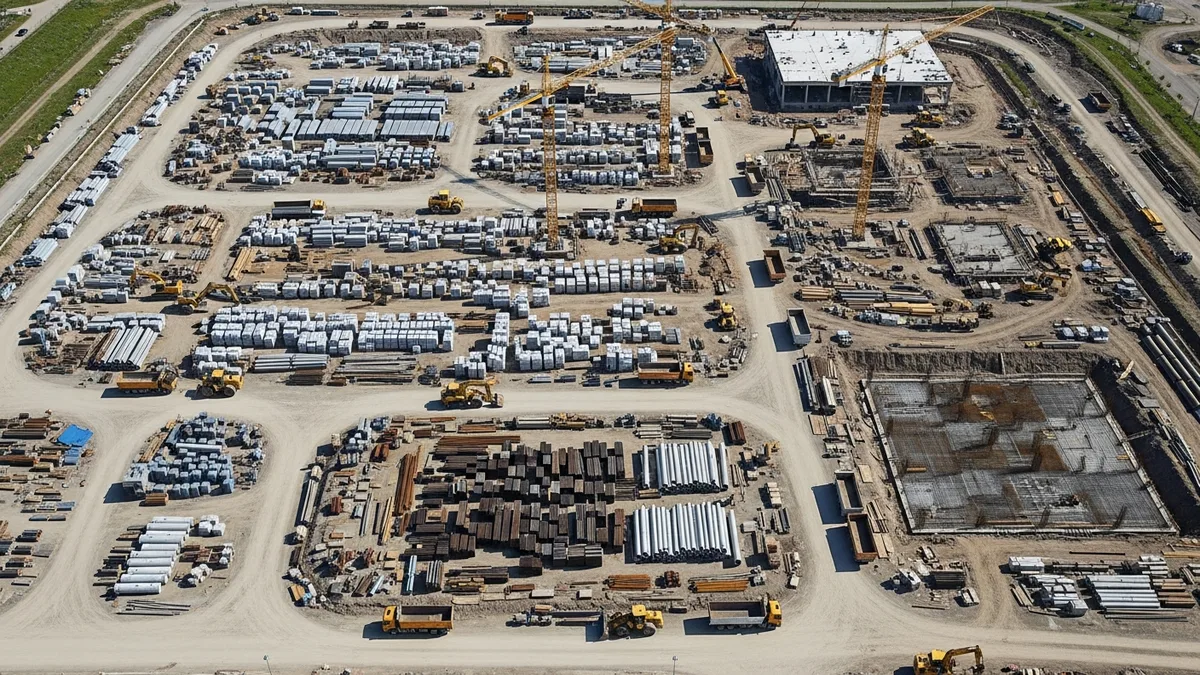
If you have been in construction long enough, you know that the quality of your vendors and suppliers directly affects your profit margins, your schedule, and your reputation. A great framing crew means nothing if the lumber shows up warped, late, or not at all. The wrong concrete supplier can set your foundation pour back a week. And when material prices spike without warning, your carefully built estimate falls apart.
Vendor and supplier management is not glamorous work. Nobody got into contracting because they love comparing delivery terms and negotiating price sheets. But the contractors who treat their supply chain as a serious part of their business are the ones who consistently finish projects on time and on budget.
This guide covers the six areas that matter most when it comes to managing your construction vendors and suppliers, from finding the right partners in the first place to handling things when the supply chain throws you a curveball.
Qualifying Vendors: Finding Partners You Can Actually Count On
Not every supplier deserves your business, even if they have the lowest price. Before you commit to a new vendor relationship, you need to do your homework. A bad supplier can cost you far more in delays, rework, and headaches than whatever you saved on their quote.
Start with referrals from other contractors. Talk to builders in your area who do similar work. Ask who they use, who they have dropped, and why. Real-world experience from someone who has dealt with a vendor’s delivery trucks, warehouse staff, and billing department tells you more than any sales pitch.
Check their financial stability. A supplier who is struggling financially may cut corners on inventory, reduce staff, or even go under mid-project. Look for vendors who have been in business for at least five years. Ask for trade references and actually call them.
Evaluate their inventory and logistics. Visit their yard or warehouse if you can. Do they keep enough stock on hand, or are they constantly back-ordering? How far are they from your typical job sites? A vendor 90 minutes away might have great prices, but the delivery charges and lead times could eat that savings alive.
Test them on a small order first. Before handing a new vendor your biggest project, give them something manageable. See how they handle the order, the delivery, and any issues that come up. This trial run tells you everything you need to know about how they will perform when the stakes are higher.
The qualification process takes time, but it pays for itself. When you are deep into a project and something goes sideways with materials, you will be glad you picked a vendor who answers the phone and solves problems instead of one who just had the lowest number on the bid sheet.
Negotiating Material Pricing: Getting Better Numbers Without Burning Bridges
Price negotiation in construction is not about squeezing every last penny out of your supplier. It is about building an arrangement where both sides benefit. Vendors who feel like you are trying to bleed them dry will eventually deprioritize your orders or cut quality. The goal is a fair price that keeps your estimates accurate and your supplier motivated to take care of you.
Know your numbers before you negotiate. Track your annual spending by material category. When you sit down with a supplier and can say “we spent $380,000 on lumber last year across 24 projects,” you have real data to back up your ask for better pricing. Guessing your volume gets you nowhere.
Consolidate your purchasing. If you are splitting orders across five different lumber yards, none of them see you as a priority account. Consolidating more volume with fewer suppliers gives you the purchasing power to negotiate meaningful discounts. This ties back to why qualifying vendors matters so much. You want to feel confident putting more eggs in fewer baskets.
Ask about tiered pricing and rebates. Many suppliers offer volume-based pricing tiers or annual rebates that kick in at certain spending levels. If you are close to a tier, it might make sense to shift some purchases to hit that threshold. Some vendors also offer early payment discounts, typically 1-2% for paying within 10 days instead of 30.
Lock in pricing for longer periods. In volatile markets, a fixed-price agreement for 90 or 180 days gives you stability for budgeting and estimating. Suppliers are often willing to lock pricing if you commit to minimum volumes. This protects both parties and makes your job costing more predictable.
Get everything in writing. Verbal agreements fall apart. Every pricing arrangement, discount tier, delivery term, and return policy should be documented. This protects you when your sales rep leaves and a new one tries to change the terms.
Managing Delivery Schedules: Keeping Materials and Crews in Sync
Nothing wastes money faster than a crew standing around waiting for materials that were supposed to be there yesterday. On the flip side, materials that show up too early create storage problems, damage risk, and potential theft. Getting deliveries dialed in is one of the most practical ways to protect your project schedule and your margins.
Build your material schedule from your project schedule. Start with your construction timeline and work backward to figure out when each material needs to arrive. Add a buffer for inspection and staging, but do not order so early that materials sit exposed to weather or get in the way of other trades.
Communicate lead times clearly with your team. Your project manager, superintendent, and purchasing person all need to know what is on order, when it ships, and when it arrives. A shared system beats a chain of text messages that someone inevitably misses. This is one area where construction management software really earns its keep by putting delivery tracking where everyone can see it.
Confirm orders and deliveries proactively. Do not assume your order is on track just because you placed it. Call or email to confirm two to three days before a scheduled delivery. If there is a delay, you want to know about it while you still have time to adjust your crew schedule or find an alternate source.
Have a receiving process. When materials arrive, someone on site should verify the delivery against the purchase order. Check quantities, inspect for damage, and note any discrepancies before signing the delivery ticket. Dealing with a shortage or damaged materials after the driver leaves is ten times harder than catching it at the tailgate.
Plan for staged deliveries on larger projects. Instead of one massive delivery that clutters your site and risks damage, break it into phases that align with your construction sequence. Most suppliers are happy to set up a delivery schedule if you give them enough notice and keep the orders consistent.
Building Long-Term Supplier Relationships: Why Loyalty Goes Both Ways
Curious what other contractors think? Check out Projul reviews from real users.
The contractors who get the best service, the fastest deliveries, and the first call when materials are scarce are the ones who have invested in real relationships with their suppliers. This is not about being buddies with your sales rep (though that helps). It is about building a track record as a customer that vendors want to keep.
Pay your bills on time. This is the single most important thing you can do. Suppliers talk to each other, and your payment history follows you. A contractor who pays in 30 days will always get prioritized over one who stretches to 90. If you are struggling with cash flow, communicate early rather than just going silent on an invoice.
Be fair and consistent. Do not shop every single order to three vendors trying to save $50. Pick your primary suppliers and give them consistent volume. When you do need to get competitive bids for a large purchase, be upfront about it. Vendors respect honesty far more than games.
Give feedback, good and bad. When a delivery goes perfectly, let your rep know. When something goes wrong, bring it up directly and give them the chance to make it right. Vendors who never hear from you except when there is a problem will eventually stop going the extra mile.
Include them in your planning. If you know you have a big project coming up in three months, give your supplier a heads up. Early visibility helps them reserve inventory and schedule trucks, which means you are more likely to get what you need when you need it. This kind of partnership thinking separates the contractors who scramble from the ones who stay ahead.
Meet in person occasionally. A quarterly lunch or a visit to their facility goes a long way. You learn about new products, upcoming price changes, and industry trends that can help your business. And when you need a favor, like a rush delivery on a Friday afternoon, that personal connection makes all the difference.
Tracking Vendor Performance: Measuring What Matters
You cannot improve what you do not measure. Tracking vendor performance gives you the data to make smart decisions about who gets more of your business, who needs a conversation about improvement, and who needs to be replaced.
Track on-time delivery rates. This is the most basic and most important metric. If a vendor promises Thursday delivery and shows up Monday, that is a problem even if the materials are fine. Keep a simple log of promised versus actual delivery dates. Over time, patterns emerge that tell you which vendors you can count on for scheduling purposes.
Monitor material quality and defect rates. How often do you get warped lumber, cracked tile, or concrete that does not meet spec? Quality issues create rework, which kills your profit margins. Track returns and quality complaints by vendor so you have real data instead of vague impressions.
Compare pricing over time. Prices naturally fluctuate, but you want to make sure your vendors are not slowly creeping up while the market stays flat. Keep a record of what you pay for common materials and compare it against market indices or quotes from other suppliers every quarter.
Evaluate responsiveness. When you call with a question or a problem, how fast do they get back to you? Track response times for quotes, issue resolution, and general communication. A vendor who takes three days to return a quote is costing you time on every estimate you build.
Review at least quarterly. Sit down with your team every three months and review vendor scorecards. Identify your top performers and make sure they know you appreciate them. Flag vendors who are slipping and decide whether they get a warning, a reduced role, or the door. Construction management tools like Projul help here by keeping your cost tracking and project data organized so you can pull vendor performance data without digging through filing cabinets.
Share results with your vendors. The best vendor relationships include honest performance reviews. Show your key suppliers their scorecard and discuss areas for improvement together. Most good vendors welcome this because it gives them a clear picture of what you need and a chance to fix problems before you start looking elsewhere.
Handling Supply Chain Disruptions: Planning for When Things Go Wrong
If the last few years taught contractors anything, it is that supply chains are not as reliable as we once assumed. Material shortages, price spikes, shipping delays, and manufacturer shutdowns are realities that every construction business needs to plan for. The contractors who survived those rough stretches were not the ones with the best luck. They were the ones with the best preparation.
Maintain backup vendor relationships. Even if you love your primary supplier, always have a secondary option qualified and ready. You do not need to give them regular orders, but keep the relationship warm enough that you can place an order when your primary vendor cannot deliver. Check in every few months, get updated pricing, and make sure your account is still active.
Stock critical materials when possible. For items you use on every project, like common fasteners, adhesives, and standard fittings, keeping a small inventory on hand protects you from short-term disruptions. You do not need a warehouse full of materials, but having a two-week buffer of the essentials can save a project when supply tightens up. Good material tracking practices make this manageable without turning into a hoarding operation.
Build escalation clauses into your contracts. When material prices swing wildly, the contractor usually takes the hit. Work with your attorney to include material price escalation language in your contracts. This protects you from eating massive cost increases on long-duration projects. The price escalation strategies used by experienced contractors can save thousands on a single project.
Diversify your material sources geographically. If all your suppliers pull from the same regional warehouse or manufacturer, a single disruption knocks out all your options. Where practical, identify suppliers who source from different manufacturers or regions. This gives you genuine redundancy instead of the illusion of backup.
Communicate early with clients. When you see a supply issue forming, tell your client before it becomes a crisis. Presenting the problem early along with your proposed solution shows professionalism and gives everyone time to adjust. Waiting until a delivery fails and then scrambling looks bad no matter how well you recover.
Stay connected to industry news. Follow trade publications, attend supplier events, and talk to other contractors about what they are seeing. Early warning signs of supply chain problems often show up weeks or months before they hit your job site. The contractors who pay attention have time to pre-order, substitute materials, or adjust their schedules before the shortage becomes a crisis.
Document everything for future planning. After you work through a disruption, write down what happened, what worked, and what you would do differently. This playbook becomes gold when the next disruption hits, and it will. Understanding your cost structure and having clear records makes it easier to adapt without making expensive mistakes twice.
Putting It All Together
Vendor and supplier management is not a one-time task. It is an ongoing discipline that touches every part of your construction business, from estimating and scheduling to cash flow and customer satisfaction. The contractors who treat their supply chain as a strategic part of their operation consistently outperform those who just call whoever picks up the phone.
Start by qualifying your vendors properly. Negotiate pricing based on real data and genuine volume commitments. Keep deliveries synced with your project schedule. Invest in relationships with the suppliers who earn your loyalty. Track performance so you make decisions based on facts, not feelings. And always have a plan for when the supply chain throws you a curveball.
The tools you use matter too. Managing all of this with spreadsheets, sticky notes, and memory is a losing battle as your business grows. Construction management platforms like Projul give you one place to track costs, manage schedules, communicate with your team, and keep vendor information organized so nothing falls through the cracks.
Want to put this into practice? Book a demo with Projul and see the difference.
Your vendors are not just order-takers. They are partners in your success, or they should be. Treat the relationship accordingly, and your projects, your margins, and your stress levels will all be better for it.
Frequently Asked Questions
How many vendors should a construction company work with?
What is the best way to negotiate material pricing with suppliers?
How do I handle a vendor who keeps delivering late?
Should I always go with the cheapest supplier?
How can construction software help with vendor management?
Related Articles

BIM Clash Detection: How to Catch Conflicts Before They Cost You on the Jobsite
BIM Clash Detection: How to Catch Conflicts Before They Cost You on the Jobsite Every contractor has a story about the...
Read More →
Asphalt Paving and Compaction Guide: Mix Types, Laydown Temperatures, and Quality Testing
Asphalt paving looks straightforward from a distance. A truck dumps material, the paver lays it down, and rollers...
Read More →
Construction Jobsite Wi-Fi & Connectivity Guide: Setting Up Reliable Internet in the Field
A practical guide to getting reliable internet on construction job sites. Learn about cellular hotspots, mesh networks,...
Read More →