
Construction Waste Management & Dumpster Planning Guide | Projul
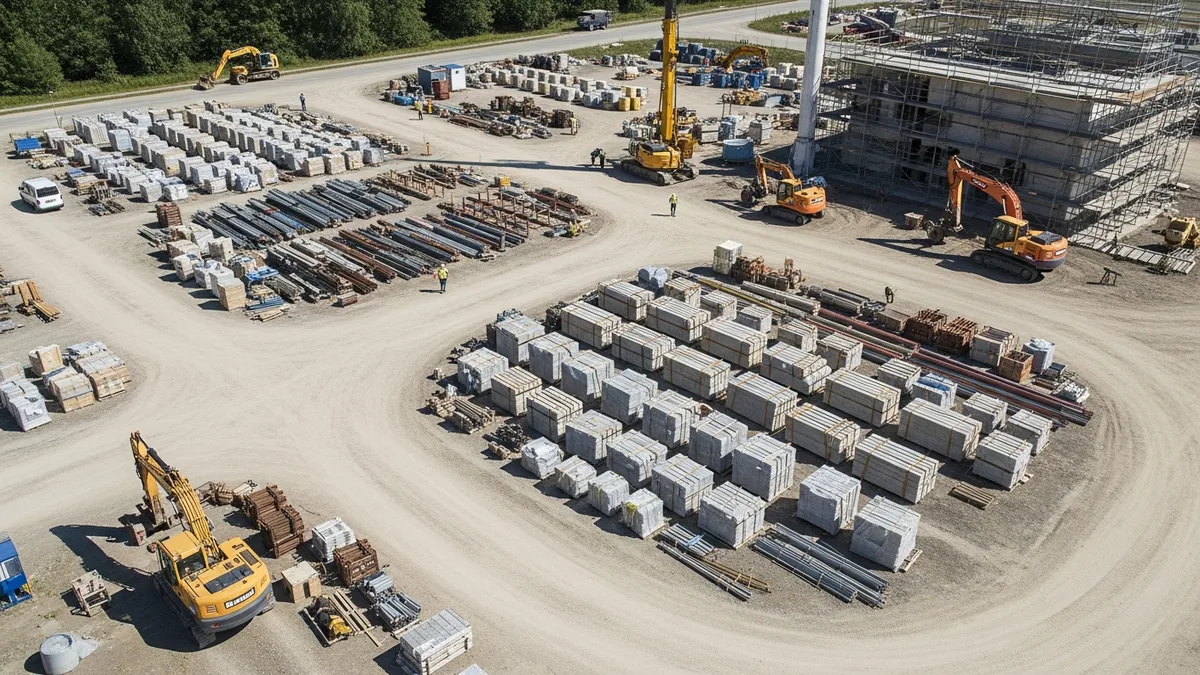
If you have been in the trades long enough, you have seen the job site that looks like a landfill exploded. Scrap lumber stacked against the porta-john, drywall chunks blocking the walkway, and a dumpster so packed that the lid sits three feet in the air. That mess is not just ugly. It costs real money in wasted labor, safety incidents, extra hauls, and compliance headaches.
Waste management on a construction site is not glamorous work, but it is the kind of behind-the-scenes planning that separates contractors who protect their margins from contractors who wonder where the profit went. This guide walks through the practical side of dumpster planning, recycling rules, LEED requirements, cost control, waste tracking, and building a crew culture that actually keeps the site clean.
Sizing Your Dumpsters: Getting It Right the First Time
Ordering the wrong dumpster is one of those mistakes that seems small until you see the invoice. Too small and you are paying for extra pulls mid-week. Too big and you are renting capacity you never fill, or worse, your dumpster takes up staging space you need for materials and equipment.
Here is a quick reference for common project types:
- Small residential remodel (single room): 10-yard dumpster. Think one bathroom gut or a small deck tear-off.
- Mid-size residential remodel (kitchen, bath, flooring): 20-yard dumpster. This is the workhorse for most resi work.
- Whole-house renovation or large addition: 30-yard dumpster, possibly two if you are doing demo and new construction simultaneously.
- New construction (single family): 30 to 40-yard dumpster. Framing waste, packaging, and finish scraps add up faster than most GCs expect.
- Commercial tenant improvement: 20 to 30-yard depending on demo scope. Office build-outs with drop ceiling and carpet removal fill a 20-yard surprisingly fast.
The real trick is estimating volume before you start swinging hammers. Walk the space. Count the rooms. Think about what is coming out: plaster walls generate more volume per square foot than drywall. Tile over concrete backer board is heavier per cubic yard than framing lumber. Weight matters because most haulers charge overage fees when you blow past the tonnage limit included with the container.
A good rule of thumb: estimate what you think you need, then go one size up on your first dumpster order for any project you have not done before. The rental cost difference between a 20-yard and 30-yard is usually $75 to $150, which is a fraction of the $300-plus you will pay for an emergency extra pull.
If you are tracking project costs closely (and you should be), logging dumpster expenses by job helps you build better estimates over time. Construction budget tracking is one of those habits that pays compound interest the longer you stick with it.
Recycling Requirements and Local Regulations
Construction and demolition debris makes up roughly 600 million tons per year in the United States, according to EPA data. That number has caught the attention of state and local regulators, and the rules around C&D recycling are tightening in most markets.
Here is what you need to know:
Source separation requirements vary by jurisdiction. Some cities require you to separate clean wood, metal, concrete, and cardboard on site. Others allow commingled loads but charge higher tipping fees for mixed debris. Call your local solid waste authority before the first dumpster arrives and ask two questions: What materials must be separated? What facilities accept mixed C&D loads?
Concrete and masonry are the easiest materials to recycle. Most areas have concrete crushers that accept clean material for free or a nominal fee. Keeping concrete separate from your general dumpster saves tonnage charges and keeps recyclable material out of the landfill.
Clean wood (untreated, unpainted dimensional lumber) is accepted at many biomass facilities and mulch operations. Painted or treated wood usually goes to the landfill. Keeping a separate pile or bin for clean wood scraps is worth the small effort.
Metals have actual cash value. Copper pipe, steel studs, aluminum flashing, and scrap wire all have market value at the scrap yard. Some crews designate a barrel or small container for metals and make a scrap run once a week. It is not going to fund your retirement, but it keeps metal out of the dumpster (saving weight) and puts a few hundred dollars back in your pocket over the course of a project.
Drywall recycling is available in some regions. Gypsum can be ground and reused in new drywall manufacturing or as a soil amendment. Check whether your hauler or a local facility accepts clean drywall.
Cardboard and packaging from material deliveries should go in a separate recycling container. It is lightweight but takes up a lot of volume. Flattening boxes before tossing them saves dumpster space.
Staying on top of local environmental rules is not optional, and the penalties for non-compliance can be steep. If your projects touch environmental compliance requirements, review construction environmental compliance to make sure your waste plan checks every box.
LEED Waste Diversion: What Contractors Actually Need to Do
Read real contractor reviews and see why Projul carries a 9.8/10 on G2.
If you are building a LEED-certified project, waste diversion is not a suggestion. It is a scored credit, and your client or GC is counting on you to hit the target.
LEED v4.1 awards points under the Materials and Resources category for construction and demolition waste management. The two paths are:
Path 1: Diversion. Divert 50% of C&D waste (by weight or volume) from landfills to earn 1 point. Divert 75% for 2 points. Land-clearing debris (soil, stumps, rocks) does not count toward the total.
Path 2: Reduction. Generate no more than 2.5 pounds of waste per square foot of building floor area to earn 2 points. This path rewards lean construction practices and careful material ordering.
For most contractors, Path 1 is more realistic. Here is how to hit the 75% target in practice:
-
Identify your top waste streams before construction starts. On most projects, concrete, wood, metal, drywall, and cardboard make up 80% or more of the waste by weight. If you have a recycling plan for those five materials, you are most of the way there.
-
Set up separate containers for recyclable materials. At minimum, you want a metals bin, a clean wood bin, and a commingled recycling dumpster in addition to your landfill dumpster. Label them clearly and place them where crews actually work.
-
Use a hauler that provides waste diversion reports. You will need documentation showing weights and disposal destinations for every load. Your hauler’s facility should provide weigh tickets and diversion certificates. Get this in your hauling contract before the project starts, not after.
-
Track diversion rates weekly. Do not wait until the end of the project to find out you are at 40%. A simple spreadsheet with haul dates, container types, weights, and destinations gives you a running diversion percentage. If you are falling short, you can adjust mid-project.
-
Educate your subs. The biggest threat to your diversion rate is a framing crew tossing lunch trash and plastic wrap into the clean wood bin. A five-minute talk at the pre-construction meeting about what goes where saves weeks of contamination headaches.
Even if your project is not pursuing LEED certification, many municipalities now require 50% or higher diversion rates for commercial construction permits. The practices above work the same way regardless of whether a LEED scorecard is involved.
For contractors who are building green, waste management is just one piece of the puzzle. Check out the full construction green building guide for a broader look at sustainable building practices.
Controlling Hauling Costs: Where the Money Actually Goes
Dumpster rental and hauling feels like a fixed cost, but there is a surprising amount of variability depending on how well you plan. Here is where contractors lose money on waste hauling and how to stop the bleeding.
Extra pulls from undersized containers. Every unscheduled haul costs $300 to $600 depending on your market. If you are getting two or three extra pulls per project because you guessed wrong on dumpster size, that is $600 to $1,800 in avoidable cost. Size up on the first order or schedule regular swaps instead of waiting for overflow.
Overage weight charges. A 20-yard dumpster typically includes 2 to 4 tons in the base price. Go over and you are paying $50 to $100 per additional ton. Heavy materials like concrete, tile, and roofing shingles blow through weight limits fast. Keep heavy debris in a separate, smaller container with a higher weight allowance, or haul it directly to a concrete recycler.
Contamination surcharges. If your recyclable load arrives at the facility contaminated with trash, the hauler may reject it or charge a contamination fee of $100 to $250 per load. That clean wood bin with fast food wrappers and soda cans in it just cost you money.
Rental duration overruns. Most dumpster rentals include 7 to 14 days. After that, daily charges of $5 to $15 kick in. On a project that runs long (and they all run long), those daily fees add up. Coordinate your dumpster schedule with your project schedule so you are not paying for an empty container sitting on site during a two-week delay.
Fuel surcharges and delivery fees. Some haulers tack on fuel surcharges, environmental fees, or delivery/pickup fees that are not in the base quote. Get an all-in price in writing before you sign.
The best way to control hauling costs is to treat waste removal as a line item in your estimate, not an afterthought. Build it into your construction cost codes so you can track actual versus estimated waste costs on every job. Over three or four projects, you will have real data to bid waste removal accurately instead of guessing.
If cost overruns from waste hauling (or anything else) are eating into your margins, the construction cost overruns prevention guide is worth a read.
Waste Tracking: Measuring What Matters
You cannot control what you do not measure. That applies to labor hours, material costs, and yes, waste. Tracking waste on your construction projects gives you three things: compliance documentation, cost data for future estimates, and the ability to spot problems before they get expensive.
What to track on every haul:
- Date of pickup
- Container size (cubic yards)
- Material type (mixed C&D, clean wood, concrete, metal, etc.)
- Weight (from the hauler’s weigh ticket)
- Disposal destination (landfill, recycling facility, salvage)
- Cost (rental, hauling, disposal, any surcharges)
- Job code or project name
How to track it:
A spreadsheet works for small operators. Create a tab for each project with columns matching the list above. At the end of the project, you can calculate total waste generated, diversion rate, and cost per square foot of building area.
For larger operations running multiple projects, waste tracking should tie into your project management system alongside your other job costs. When waste data lives next to labor and material costs, you get a complete picture of what each project actually costs to build. That is the kind of data that makes your next estimate tighter and your next bid more competitive.
If you are already tracking job costs, adding waste as a category is a small step. If you are not tracking job costs yet, waste management is a good reason to start. The construction accounting and job costing guide covers the fundamentals of setting up a job costing system that works for contractors.
What the data tells you over time:
After tracking waste across five or ten projects, patterns emerge. You will see which project types generate the most waste per square foot. You will know which subs are messier than others. You will have real numbers for waste removal costs instead of estimates based on gut feel. That historical data is gold when you are putting together bids, especially for competitive work where every dollar in your estimate matters.
Building a Clean Site Culture
All the planning in the world falls apart if your crew and subs treat the job site like a dump. Clean site culture is not about being fussy. It is about safety, efficiency, and professionalism. A clean site has fewer trip hazards, fewer OSHA citations, faster material movement, and makes a better impression on owners and inspectors.
Here is how to build that culture without turning into the cleanup police:
Set expectations at the pre-construction meeting. Five minutes at the start of the project saves hours of arguing later. Cover where the dumpsters are, what goes in each one, and the expectation that every crew cleans their work area at the end of each day. Put it in writing as part of your site rules.
Make it easy to do the right thing. If the dumpster is 200 feet from the work area, debris will pile up where people are working. Place bins and containers close to active work zones. Move them as the work moves through the building. The easier it is to toss debris in the right spot, the more likely it happens.
Build cleanup into the daily schedule. The last 15 minutes of every shift is cleanup time. Not optional. Not “if we have time.” It is part of the workday. Crews that build this habit find that the daily cleanup takes less time because debris never accumulates to the point where it requires a major effort.
Hold subs accountable. Put cleanup requirements in your subcontract agreements. “Subcontractor shall remove debris from work area daily and place in designated containers” is a sentence that belongs in every sub agreement. When it is in the contract, the conversation changes from a request to an obligation.
Lead by example. If the GC’s trailer area looks like a disaster, nobody on site is going to take cleanup seriously. Keep the command post organized, keep the laydown area neat, and pick up trash when you see it. Culture flows downhill.
Tie it to safety. A cluttered site is a dangerous site. Nails sticking out of scrap lumber, extension cords buried under debris, and blocked egress paths are real hazards that lead to real injuries. Frame cleanup as a safety issue, not a housekeeping issue, and it carries more weight with crews. For a broader look at keeping your site safe and organized, the construction jobsite organization guide has practical tips that go beyond waste management.
Recognize clean crews. A little recognition goes a long way. Call out the framing crew that left their area spotless. Mention it in the weekly meeting. Buy them lunch. When people see that clean work is noticed and appreciated, it becomes something they take pride in rather than something they are forced to do.
The reality is that waste management and site cleanliness are not separate from project management. They are part of it. The contractors who treat waste as a line item, track it like any other cost, and build cleanup into their daily rhythm are the ones who run tighter, safer, more profitable projects.
If keeping your job organized feels like a constant uphill battle, you are not alone. Tools like construction project management software can help you stay on top of scheduling, task assignments, and daily accountability so that waste management does not fall through the cracks along with everything else. And if you are still relying on spreadsheets and group texts to manage your jobs, take a look at how construction budget management ties into the bigger picture of running a profitable operation.
Curious how this looks in practice? Schedule a demo and we will show you.
Construction waste is never going to be the most exciting topic at the jobsite trailer. But the contractors who plan for it, track it, and build a culture around it are the ones who finish projects on budget, pass inspections on the first try, and earn repeat business from owners who remember that their site was clean, safe, and professional from start to finish.
Frequently Asked Questions
What size dumpster do I need for a residential remodel?
How much does construction waste hauling typically cost?
What is LEED waste diversion and do I need to worry about it?
Can I put all construction waste in one dumpster?
How do I keep my job site clean without slowing down production?
Related Articles

BIM Clash Detection: How to Catch Conflicts Before They Cost You on the Jobsite
BIM Clash Detection: How to Catch Conflicts Before They Cost You on the Jobsite Every contractor has a story about the...
Read More →
Asphalt Paving and Compaction Guide: Mix Types, Laydown Temperatures, and Quality Testing
Asphalt paving looks straightforward from a distance. A truck dumps material, the paver lays it down, and rollers...
Read More →
Construction Jobsite Wi-Fi & Connectivity Guide: Setting Up Reliable Internet in the Field
A practical guide to getting reliable internet on construction job sites. Learn about cellular hotspots, mesh networks,...
Read More →