
Construction Labor Shortage Solutions (2026)
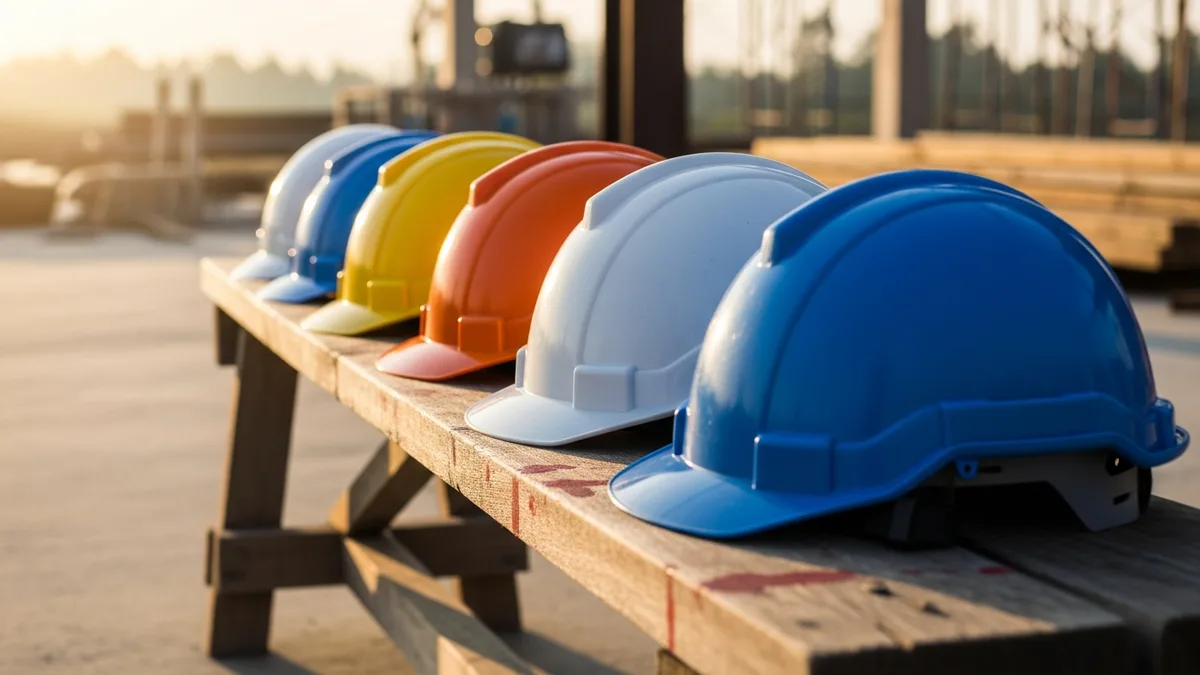
Finding good construction workers has never been easy. But right now? It’s the hardest it’s ever been.
Every contractor you talk to has the same story. They’ve got more work than they can handle and not enough people to do it. Jobs are getting delayed. Bids are getting passed on. And the workers who ARE available know they can walk across the street for a dollar more an hour.
The construction workforce shortage isn’t a temporary blip. It’s a structural problem that’s been building for decades. But some companies are figuring it out. They’re finding workers, keeping them, and growing while their competitors are turning down work.
Here’s what they’re doing differently.
The Numbers Are Brutal: Where the Construction Labor Shortage Stands
The Associated Builders and Contractors (ABC) estimated the construction industry needed over 650,000 additional workers in 2024 on top of normal hiring just to meet demand. That number hasn’t gotten better heading into 2026.
Here’s why the gap keeps growing:
The workforce is aging out. The average age of a construction worker in the US is 42, and roughly 20% of the workforce is over 55. These are your most experienced people, and they’re retiring faster than new workers are coming in. Every year, thousands of skilled tradespeople hang up their tool belts for good.
Fewer young people are entering the trades. For two decades, the message from schools and parents was clear: go to college, get a desk job. Trade school enrollment dropped while universities pushed four-year degrees on kids who might have been better off learning to wire a house. The tide is starting to turn, but the pipeline is still thin.
Immigration policy affects the labor pool. A significant portion of the construction workforce is foreign-born. Changes in immigration policy directly impact the number of available workers, and the industry has felt that squeeze.
Construction is competing with other industries. Warehousing, logistics, and manufacturing are all fighting for the same workers. Amazon, FedEx, and others offer consistent hours, climate-controlled environments, and benefits packages that many small contractors can’t match.
Demand isn’t slowing down. Infrastructure spending, data center construction, and residential building all continue to drive demand. The work is there. The workers aren’t.
This isn’t a problem you can just “wait out.” The companies that figure out how to attract and retain workers will be the ones still standing in five years.
Why Workers Leave Construction Companies
Here’s where a lot of contractors get it wrong. They assume the labor shortage is purely a supply problem. Not enough people want to work in construction. End of story.
But that’s only half of it. The other half? Workers ARE in construction, and they’re leaving. Not the industry, just YOUR company. And often, pay is only part of the reason.
Disorganization kills morale
Nothing burns out a good worker faster than chaos. Showing up to a job site with no materials. Getting sent to the wrong address. Working overtime because someone forgot to schedule the inspection. Waiting around for two hours because the plans aren’t ready.
When your operation is a mess, your best people suffer the most. They’re the ones who actually care about doing good work, and they get frustrated when the company around them can’t keep it together. Disorganized companies lose their best workers first.
No path for growth
A 22-year-old apprentice joins your crew. Works hard. Learns fast. Two years in, they’re doing the same thing every day with no raise, no new responsibilities, and no conversation about where they’re headed. So they leave.
Workers want to know there’s a future. If you can’t show someone what they’ll be doing in two years and how they’ll get there, don’t be surprised when they go find a company that can.
Safety concerns
This should be obvious, but it’s not to everyone. Workers talk. If your job sites have a reputation for cutting corners on safety, experienced workers will avoid you. The ones who stay are the ones who can’t get hired elsewhere, and that should worry you.
OSHA reports, near-misses, and preventable injuries aren’t just liability issues. They’re recruiting and retention issues.
Bad culture
“Culture” might sound like a corporate buzzword, but it’s real on a construction crew. Is the foreman a screamer? Do the senior guys haze new workers? Is there a “suck it up” attitude about everything from injuries to family emergencies?
Workers have options now. They don’t have to put up with a toxic environment just because the pay is decent. The companies with high turnover almost always have a culture problem, whether they admit it or not.
Inconsistent work
If you can’t keep workers busy, they’ll find someone who can. Nobody wants to get sent home on Wednesday because the job fell through. Feast or famine scheduling makes it impossible for workers to rely on their paycheck, and reliability is what keeps people around.
Recruiting Strategies That Actually Work
Posting on Indeed and praying isn’t a strategy. Here’s what contractors who are actually filling positions are doing.
Build relationships with trade schools and programs
This is the single most underused recruiting channel in construction. Contact your local trade schools, community colleges, and vocational programs. Offer to speak to classes. Host job site tours. Sponsor a student or two.
You’re not just looking for graduates. You’re building a pipeline. When a kid finishes their welding program, you want your company to be the first name they think of.
Some companies go further. They partner with high schools to create pre-apprenticeship programs that feed directly into their workforce. It takes time to set up, but the payoff is a steady stream of young workers who already know your company.
Use social media for recruiting (seriously)
Your next hire is scrolling Instagram and TikTok right now. Construction content performs incredibly well on social media. Job site progress videos, day-in-the-life content, finished project reveals. These posts attract workers who want to be part of something they’re proud of.
Post your open positions on social media with real photos of your crew and your work. Skip the corporate stock photos. Show what it’s actually like to work for you. A 30-second video of your team and your job sites does more than a two-page job description on a hiring board.
Employee referral bonuses
Your best workers know other good workers. A referral bonus program gives them a reason to recruit for you. The industry standard ranges from $500 to $2,000 per successful hire, paid after the new worker hits 90 days.
This is the highest-ROI recruiting method in construction. Referred workers stay longer, perform better, and ramp up faster because they already know someone on the crew. If you don’t have a referral program, start one this week.
Apprenticeship programs
Formal apprenticeship programs let you hire for attitude and train for skill. You take someone with zero experience but a strong work ethic and turn them into a skilled tradesperson over two to four years.
Yes, it’s an investment. But consider the alternative: fighting over experienced workers who know they can demand top dollar and might leave anyway.
Companies with apprenticeship programs report higher retention rates, stronger loyalty, and a more consistent culture. The apprentice you train is far more likely to stick around than the journeyman you poached from a competitor.
Target career changers
Not every great construction worker starts at 18. People leaving the military, warehouse work, manufacturing, and other physical jobs can make excellent construction workers. They already understand showing up on time, working hard, and taking direction.
Market your openings to these groups specifically. Veteran hiring programs, in particular, have been a great source of disciplined, trainable workers for many contractors.
Retention: Keeping the Good Ones
Recruiting is expensive. Every time you lose a worker and replace them, it costs you thousands in lost productivity, training time, and recruiting expenses. The real win is keeping the people you already have.
Pay competitively (and transparently)
You don’t have to be the highest-paying company in your market. But you can’t be 20% below everyone else and wonder why people leave.
Know what the going rates are in your area. Adjust regularly. And be transparent about how pay works. Workers should understand exactly what they need to do to earn more. Unclear pay structures breed resentment.
Thousands of contractors have made the switch. See what they have to say.
Annual raises aren’t enough anymore. Consider skill-based pay increases, project bonuses, and performance incentives that reward your best people throughout the year.
Benefits matter more than you think
For a long time, construction was a “cash and a handshake” industry. Those days are over. Workers, especially younger ones, expect benefits. Health insurance, retirement contributions, paid time off, and even things like tool allowances can make the difference between keeping someone and losing them.
If you’re a smaller company and can’t afford a full benefits package, get creative. Even covering part of health insurance or offering a simple IRA match puts you ahead of many competitors.
Create clear career paths
Every worker on your team should know the answer to this question: “What does my future look like here?”
Map out a progression. Laborer to apprentice to journeyman to foreman to superintendent. Or helper to installer to lead installer to project manager. Whatever fits your company. Put it in writing. Talk about it during reviews. Make it real.
Companies that promote from within have dramatically lower turnover than companies where every leadership role goes to an outside hire.
Give them modern tools
This one connects directly to retention because nobody wants to work for a company that’s stuck in 2005. When your workers are filling out paper timesheets, calling the office to check schedules, and waiting for someone to fax over the plans, you’re telling them you don’t value their time.
Modern time tracking that works from a phone. Digital schedules they can check without calling anyone. Project updates they can see in real time. These aren’t luxuries anymore. They’re the baseline.
Respect their time and their lives
Construction workers give you their bodies and their best hours. The least you can do is respect their time off.
That means consistent schedules when possible. Reasonable advance notice for overtime. Not texting at 9 PM on Sunday about Monday’s plan. And actually following through when someone requests time off.
The contractors with the best retention are the ones whose workers tell their friends, “It’s a good place to work.” That doesn’t happen by accident.
Technology as a Recruiting Advantage
Here’s something a lot of older contractors miss: technology is now a recruiting tool.
Workers under 35 grew up with smartphones. They expect to check their schedule on an app, not a whiteboard at the shop. They expect to clock in on their phone, not hunt for a paper timesheet. They expect to see project details on a screen, not dig through a binder.
When a younger worker interviews with your company and finds out you’re still running everything on spreadsheets and phone calls, they’re already thinking about the next interview. It feels unprofessional. It feels disorganized. And it tells them you probably have the other problems on this list, too.
On the flip side, companies using modern construction management tools have a real advantage in interviews. You can show a candidate exactly how your operation runs. How they’ll track their time. How they’ll see their schedule. How communication works on the job.
This isn’t about having the fanciest tech. It’s about showing workers you run a professional operation. And it matters for your existing crew, too. When you upgrade from paper processes to something modern, your workers notice. It makes their day easier. It reduces the frustration that drives people to quit.
The investment pays for itself twice: once in efficiency gains, and again in the workers who stick around because your company doesn’t feel like it’s stuck in the past.
If you’ve been thinking about upgrading your tools, the recruiting advantage alone is worth it.
Building a Company People Want to Work For
Everything in this article comes down to one idea: be the company that workers choose.
You can’t control the labor market. You can’t force more people into the trades. You can’t stop competitors from offering a dollar more per hour. But you CAN build a company where workers feel valued, see a future, and enjoy showing up.
That means:
-
Running a tight operation. When your jobs are organized and your crew isn’t waiting around or getting sent to the wrong site, people notice. Good workers want to work for companies that have their act together. If you need help getting organized, a crew management approach makes a huge difference.
-
Investing in onboarding. The first week tells a new hire everything they need to know about your company. Do they show up and get thrown on a crew with no introduction? Or do you have an actual onboarding process that sets them up to succeed?
-
Listening to your people. Ask your workers what’s working and what’s not. You’ll be surprised how many problems are fixable once you actually hear about them. And you’ll be surprised how much loyalty you build when workers know their input matters.
-
Building a reputation. Word travels fast in construction. If your company treats people well, pays fairly, runs safe job sites, and gives people room to grow, you won’t have to beg for applicants. They’ll come to you.
The labor shortage is real, and it’s not going away. But the contractors who take it seriously as a business problem (not just bad luck) are the ones finding solutions. They’re recruiting intentionally, retaining deliberately, and building companies that good workers actually want to join.
You don’t need to do everything on this list tomorrow. Pick the two or three things that would make the biggest difference for your company and start there. Fix your onboarding. Launch a referral program. Upgrade your scheduling tools. Talk to your best workers about why they stay and what would make things better.
The companies that invest in their people now will be the ones with full crews and growing backlogs in 2027 and beyond.
Want to put this into practice? Book a demo with Projul and see the difference.
Frequently Asked Questions
How bad is the construction worker shortage in 2026?
The construction industry has over 650,000 unfilled positions according to estimates from the Associated Builders and Contractors. With an aging workforce, fewer trade school graduates, and strong demand from infrastructure and data center projects, the shortage is expected to continue for years.
What is the main cause of the construction labor shortage?
There’s no single cause. It’s a combination of retiring workers, decades of pushing college over trade careers, competition from other industries like warehousing and logistics, and immigration policy changes. On top of that, poor retention practices at many companies mean workers leave construction employers (if not the industry itself) at high rates.
How can small contractors compete for workers against larger companies?
Small contractors can compete by offering things big companies often can’t: personal relationships, faster advancement, more variety in work, and a better day-to-day culture. Competitive pay still matters, but workers often choose smaller companies because they feel more valued and have more input. Using modern tools and running organized job sites also helps smaller companies punch above their weight.
What are the best ways to recruit construction workers?
The most effective strategies include employee referral programs, partnerships with trade schools and vocational programs, social media recruiting with real job site content, formal apprenticeship programs, and targeting career changers from industries like military, manufacturing, and warehousing. Referral programs consistently deliver the highest-quality hires at the lowest cost.
How does technology help with construction worker retention?
Modern construction software reduces the daily frustrations that drive workers away. Digital scheduling, mobile time tracking, and real-time project updates make workers’ days smoother and more predictable. Younger workers especially expect to use mobile tools rather than paper-based systems. Companies that use current technology signal that they run professional, organized operations, which helps attract and keep quality workers.
Frequently Asked Questions
How bad is the construction labor shortage right now?
What's the number one reason good workers leave construction companies?
How do I compete with Amazon and warehouse jobs for workers?
Is it worth partnering with trade schools to find workers?
What benefits do construction workers actually care about?
Related Articles
Construction Exit Strategy: How to Sell Your Construction Company
What buyers look for in a construction company and how to get yours ready to sell at the right price.
Read More →
How to Create a Construction Business Continuity Plan
How to keep your construction business running when things go sideways.
Read More →
How to Grow a Construction Business: From $500K to $5M Revenue
Growing a construction company past $500K is a different challenge than starting one. Every revenue milestone demands...
Read More →