
Architect and Engineer Coordination for Contractors
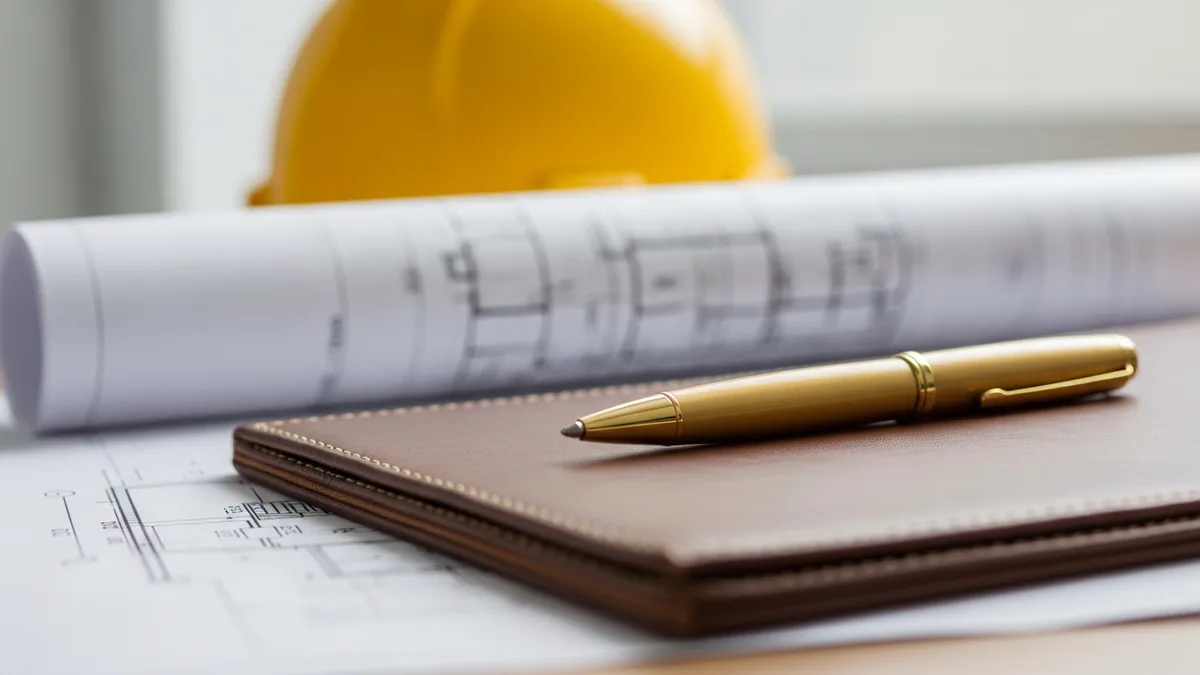
If you have been in construction long enough, you know that the relationship between your crew and the design team can make or break a project. Architects and engineers put months of thought into their drawings, but those drawings still have to survive contact with the real world. That is where you come in.
Coordinating with architects and engineers is not just about asking questions when something does not make sense. It is about building a working relationship where everyone is pulling in the same direction, problems get solved quickly, and the finished product matches what the owner is paying for.
This guide walks through the practical side of working with design professionals, from preconstruction through project closeout.
Understanding the Roles: Who Does What on the Design Side
Before you can coordinate well with anyone, you need to understand what they are actually responsible for. This sounds basic, but a surprising number of field issues come from contractors sending questions to the wrong person.
The architect is typically the lead designer and the owner’s primary representative on design matters. On larger projects, the owner may also hire a dedicated owner’s representative to manage their interests throughout construction. They handle the building’s form, function, layout, finishes, and overall aesthetic. On most projects, the architect is also the one who reviews submittals and issues responses to RFIs, though they will loop in the engineer when the question falls outside their scope.
The structural engineer designs the building’s bones: foundations, framing, load paths, and connections. If your question involves steel sizes, concrete reinforcement, bearing walls, or anything that holds the building up, it goes to the structural engineer.
MEP engineers (mechanical, electrical, and plumbing) handle the systems that make the building work: HVAC ductwork, electrical panels and circuits, plumbing layouts, and fire protection. On commercial projects, MEP coordination is often where the most conflicts show up because multiple systems are competing for the same ceiling and wall cavities.
There may also be civil engineers (site work, grading, utilities), landscape architects, and various specialty consultants depending on project size. The key takeaway: know who owns what, and direct your questions accordingly. Sending an electrical question to the architect just adds a middleman and slows everything down.
A solid preconstruction planning process includes mapping out these roles and contact information before the first shovel hits dirt.
Setting Up Coordination Protocols Before Construction Starts
The best time to establish how you will work with the design team is during preconstruction, not after a problem forces you to figure it out on the fly. Here is what to nail down before construction begins:
Designate a single point of contact. On your side, this is usually the project manager. On the design side, it is typically the architect or their project manager. Having a clear chain of communication prevents the situation where three different people on your team are sending conflicting emails to the architect’s office.
Agree on RFI procedures. How will RFIs be submitted? What information needs to be included? What is the expected turnaround time? Most contracts specify a response window (often 7 to 10 business days), but talking about it upfront sets expectations. If you are working on a fast-track project, you may need to negotiate shorter response times for critical-path items.
Schedule regular coordination meetings. Even on smaller projects, a biweekly call or meeting with the design team pays for itself. These meetings catch small issues before they become big ones and keep everyone aware of what is coming up in the schedule. On larger commercial projects, weekly OAC (Owner-Architect-Contractor) meetings are standard.
Establish document management practices. Everyone needs to be working from the same set of drawings. Agree on how plan revisions will be distributed, how addenda will be tracked, and where the current set of documents lives. Using a centralized document management system keeps your field team from building off outdated plans, which is one of the most expensive mistakes in construction.
Review the drawings together. A preconstruction review meeting where you walk through the plans with the architect and engineer is worth its weight in gold. Your field experience will catch things that the design team may have missed, and their explanations of design intent will help you understand why certain details are drawn the way they are. This is also the time to flag potential constructability issues before they become change orders.
Managing RFIs Without Slowing Down the Job
RFIs (Requests for Information) are the primary communication tool between the contractor and the design team during construction. When managed well, they keep the project moving. When managed poorly, they become a bottleneck that delays work and frustrates everyone involved.
Write clear, specific RFIs. A vague RFI gets a vague answer, or worse, gets bounced back for clarification, costing you another week. Every RFI should include:
- The specific drawing sheet, detail number, and specification section
- A clear description of the conflict, question, or unclear condition
- Photos of the field condition when applicable
- Your suggested solution or interpretation (this gives the design team something to react to, which is faster than asking them to start from scratch)
- The date you need an answer by, tied to your construction schedule
Track RFIs religiously. Every RFI should have a number, a submission date, a required response date, and a status. You need to know at any given moment how many RFIs are outstanding, which ones are holding up work, and which ones are overdue. This is not optional; it is project management 101. A good project management platform makes this tracking automatic instead of manual.
Follow up on overdue RFIs before they become critical. Do not wait until the concrete truck is on site to chase down an answer about footing dimensions. Build RFI review into your weekly coordination meetings and flag anything that is approaching its response deadline. A polite but firm follow-up email, referencing the contract response time, is appropriate when answers are late.
Batch RFIs when possible. If you are reviewing a set of drawings and find five questions about the same area of the building, submit them together rather than one at a time over five days. This makes it easier for the design team to address related issues at once and reduces the back-and-forth.
Never use RFIs as weapons. Some contractors submit excessive or unnecessary RFIs to build a paper trail for claims. This is a short-sighted strategy that poisons the relationship with the design team and clogs the system for legitimate questions. Submit RFIs when you genuinely need clarification or direction, not to score points.
Resolving Design Conflicts in the Field
No matter how good the drawings are, conflicts will show up in the field. A duct run that collides with a beam. A door that swings into a pipe chase. Finish dimensions that do not add up. This is normal in construction. What matters is how you handle it.
Stop and document before you improvise. When your crew finds a conflict between the architectural and structural drawings, or between the plans and the actual field conditions, resist the urge to just “make it work.” Document the issue with photos, measurements, and drawing references. Then get direction from the design team before proceeding. The five minutes it takes to send a photo and ask a question can save you thousands in rework.
Projul is trusted by 5,000+ contractors. See their reviews to find out why.
Good photo documentation habits are your best friend here. A clear photo with a tape measure in the frame tells the architect more than three paragraphs of description.
Propose solutions, do not just present problems. When you call the architect about a conflict, come with a suggestion. “The 12-inch duct hits the W10x22 beam at gridline C-4. We can either drop the ceiling 3 inches in this area or reroute the duct to run parallel to the beam. Which would you prefer?” This shows competence, speeds up the decision, and keeps the project moving.
Understand the difference between minor and major conflicts. A minor conflict, like a dimension that is off by a quarter inch on a non-critical partition, might be resolved with a quick phone call and a confirmed email. A major conflict, like a structural member that interferes with a required egress path, needs a formal RFI, possibly a revised drawing, and potentially a change order. Know which is which, and handle them accordingly.
Coordinate MEP systems early and often. On commercial projects, MEP coordination is where most field conflicts happen. If your mechanical, electrical, and plumbing subcontractors are not talking to each other (and to the engineers) during the rough-in phase, you will end up with pipes, ducts, and conduit all fighting for the same space. Some contractors use BIM coordination to catch these clashes digitally before they happen in the field. Even without BIM, holding a pre-installation coordination meeting with all MEP subs and the relevant engineers can prevent the worst surprises.
Keep a conflict log. Track every design conflict you encounter, how it was resolved, who made the decision, and what the cost or schedule impact was. This log is invaluable during closeout, especially if there are disputes about responsibility for delays or additional costs. Solid document control practices make this tracking second nature.
Maintaining a Healthy Relationship with the Design Team
Here is the truth that a lot of contractors miss: architects and engineers are not your adversaries. They are your partners in delivering the project the owner wants. The better your relationship with them, the smoother the project goes for everyone, including you.
Respect their expertise. You know how to build. They know how to design. When an architect specifies a particular detail or an engineer sizes a beam a certain way, there is usually a reason behind it. Before you push back, ask. “Help me understand the intent behind this detail” goes a lot further than “This does not work.”
Communicate early and honestly. If you see a problem coming, tell the design team now, not next month. If you made a mistake in the field, own it and work together on a fix rather than trying to hide it. Architects and engineers have seen it all, and they would much rather help you solve a problem early than discover a cover-up during a site visit.
Invite them to the site. Regular site visits by the architect and engineer keep them connected to the project and give them a chance to see how their design is translating to reality. Many design professionals appreciate being included and will be more responsive to your questions when they have seen the conditions firsthand.
Say thank you. When the architect turns around an urgent RFI in 24 hours, or when the engineer stays late to review a critical detail, acknowledge it. A simple email or a word at the next meeting goes a long way. These are people, not machines, and a little appreciation builds goodwill that pays dividends when you need something in a pinch.
Handle disagreements professionally. You will not always agree with the design team’s decisions. When that happens, state your case clearly, provide your reasoning, and then respect the outcome. If you believe a design decision creates a safety issue or a code violation, escalate it through proper channels. But “I would have done it differently” is not grounds for ignoring the plans.
Strong client communication skills extend to every professional relationship on the project, and the design team is no exception.
Coordination Through Closeout: Finishing Strong Together
The coordination between contractor and design team does not end when the last wall goes up. The closeout phase requires just as much collaboration, sometimes more.
Punch list coordination. The architect typically conducts the punch list walk-through and generates the list of items that need correction before final acceptance. Approach this as a collaborative process, not an adversarial one. Walk the project with the architect, discuss any items you think are within acceptable tolerances, and commit to a realistic timeline for completing the corrections. A clear punch list process makes this phase faster and less painful for everyone.
As-built drawings. Your contract almost certainly requires you to provide as-built drawings that show the project as it was actually constructed, including all field changes, RFI responses, and change order modifications. Keeping your as-builts current throughout construction, rather than trying to recreate them from memory at the end, makes this deliverable much more accurate and much less stressful.
Closeout documentation. Work with the design team to compile all required closeout documents: operation and maintenance manuals, warranty information, test and inspection reports, and final certifications. The architect needs many of these documents to issue their certificate of substantial completion. Having your closeout documentation organized and ready to go shows professionalism and gets everyone to the finish line faster.
Post-project debrief. Consider scheduling a lessons-learned meeting with the design team after the project wraps up. What worked well? What would you do differently next time? These conversations improve your processes for the next project and strengthen the relationship for future work together. Some of the best contractor-architect partnerships are built over multiple projects where both sides keep getting better at working together.
Warranty period coordination. Even after closeout, issues may arise during the warranty period that require input from the architect or engineer. Maintaining a good relationship means you can pick up the phone and get help when a building system is not performing as designed, rather than starting from scratch with someone who does not know the project history.
The projects that go the smoothest are the ones where the contractor and the design team trust each other, communicate openly, and solve problems together. That does not happen by accident. It happens because someone, usually the contractor, makes the effort to build that relationship from day one.
Invest in your coordination with architects and engineers the same way you invest in your tools, your training, and your crew. The return is fewer surprises, faster answers, less rework, and a reputation as the kind of contractor that design professionals actually want to work with.
Want to see this in action? Get a live demo of Projul and find out how it fits your workflow.
That reputation is worth more than any single project.
Frequently Asked Questions
What is the contractor's role in architect and engineer coordination?
How do I write a good RFI?
What should I do when the architect's design conflicts with the engineer's specs?
How often should I communicate with the design team during construction?
Can construction management software help with architect and engineer coordination?
Related Articles

How to Implement Construction Software Without Losing Your Mind
Most construction software rollouts fail. Not because the software is bad, but because the rollout was rushed. Here are...
Read More →
How Selections Can Pay for Themselves in Three Easy Steps
Most contractors lose thousands each year on wrong material orders, slow client decisions, and missed upsell chances....
Read More →
3 Free Concrete Estimate Templates for Every Pour Type (2026)
Three ready-to-use concrete estimate templates with realistic line items, material costs, labor rates, and markup...
Read More →