
Construction Daily Logs & Field Reporting Guide | Projul

If you have been in construction for more than a couple of years, you have probably been in a situation where someone disputes what happened on a job. Maybe the owner says the concrete pour was a day late. Maybe a sub claims they were waiting on you for material. Maybe OSHA shows up asking about an incident from three months ago.
In every one of those cases, the contractor with the better records wins.
Daily logs are not glamorous. Nobody gets into this business because they love paperwork. But the five to ten minutes you spend at the end of each day documenting what happened on your job site will pay for itself the first time you need to prove what actually went down.
This guide walks through everything you need to know about construction daily logs and field reporting, from what to include to how digital tools have changed the game, and why your logs might be the most important documents your company produces.
What Goes Into a Construction Daily Log
A daily log is a snapshot of everything that happened on your job site that day. Think of it as a diary for the project. The goal is simple: if someone picks up this log six months or six years from now, they should be able to reconstruct exactly what was going on.
Here is what every daily log should capture:
Date, project name, and location. This sounds obvious, but you would be surprised how many logs are missing basic identification. Every entry should be tied to a specific project and a specific day with zero ambiguity.
Weather conditions. We will dig into this more below, but weather is one of the most important items on your daily log. Record temperature, precipitation, wind, and general sky conditions at least twice a day, morning and afternoon.
Workforce on site. List every crew, sub, and individual worker present. Note their arrival and departure times. If someone was sent home early or showed up late, write it down.
Work performed. Describe what was accomplished. Be specific. “Framing” is not enough. “Completed second-floor wall framing on the east elevation, installed 47 studs and 12 headers” tells a story. The more detail, the better.
Materials received. Log every delivery with quantities, supplier name, and condition of materials on arrival. If something showed up damaged, document it immediately with photos.
Equipment on site. Note what equipment is present, what is in use, and what is idle. If a crane was down for maintenance, that is worth recording.
Visitors and inspections. Anyone who walks onto your job site should be logged. Inspectors, architects, owners, engineers, delivery drivers. Record who they are, when they arrived and left, and the purpose of their visit.
Safety observations. Note any incidents, near-misses, safety meetings held, or hazards identified. This ties directly into your construction safety management program.
Delays and disruptions. If work was stopped or slowed for any reason, document it. Weather, material shortages, design changes, utility conflicts, permit issues. Write it all down.
Conversations and decisions. If the architect gave a verbal direction, if the owner approved a change, if you had a discussion with a sub about sequencing, put it in the log. Verbal agreements are worth the paper they are printed on, and your daily log is that paper.
Digital vs. Paper Daily Logs
For decades, daily logs lived on carbon-copy forms stuffed into binders in a job trailer. Some contractors still use paper, and if that is working for you, the information in this guide applies either way. But there are real reasons why most growing contractors are moving to digital field reporting.
Speed. A digital daily log with pre-built templates, dropdown menus, and auto-populated fields like date, weather, and crew rosters takes a fraction of the time that handwritten logs take. Your superintendent can knock out a daily log in five minutes on their phone instead of fifteen minutes with a pen.
Photos and attachments. Paper logs can reference photos, but digital logs embed them directly. When you snap a photo of a damaged delivery or a completed installation, it is time-stamped and attached to that day’s record automatically. No more loose photos in a folder somewhere.
Searchability. Need to find every day it rained on a project? With paper, you are flipping through a binder. With digital, you search and filter in seconds. This matters enormously during disputes and claims.
Accessibility. Digital logs live in the cloud. Your project manager can review them from the office. Your owner can access them during a meeting. Nobody has to drive to the job trailer to pull a binder. If you are already using construction project management software, daily logs should plug right into the same system.
Backup and security. Paper gets lost, damaged, or destroyed. Fires, floods, and simple disorganization have wiped out years of project records. Digital logs are backed up automatically and stored securely.
The biggest objection to digital logs is usually adoption. Field crews who have used paper for twenty years do not always jump at the chance to use an app. The key is picking a tool that is genuinely easy to use on a phone, requires minimal typing, and does not feel like extra work. The best construction apps for field teams are built with this in mind. They are designed for people wearing gloves, squinting at a screen in the sun, with five minutes between tasks.
Weather Documentation: More Important Than You Think
Weather is probably the most underrated line item on a daily log. Contractors often jot down “sunny” or “rain” and move on. That is not enough.
Here is why weather documentation matters so much:
Delay claims. If you are filing a weather delay claim, you need specific, contemporaneous records showing exactly what the conditions were and how they impacted work. “It rained” does not hold up. “Heavy rain from 6:00 AM to 11:30 AM, 1.2 inches accumulated, site flooded, all excavation halted, six crew members sent home at 8:00 AM” tells a different story entirely.
Concrete and coating cures. Many materials have temperature and humidity requirements for proper installation. If a concrete slab cracks and the owner blames your crew, your daily log showing ambient temperature, humidity, and wind speed at the time of the pour can prove you followed the spec.
Safety decisions. High winds, lightning, extreme heat, and ice all affect whether certain work can proceed safely. Documenting why you shut down operations on a given day protects you from claims that you fell behind schedule due to poor management. It also supports your construction safety plan.
What to record: Temperature (high and low), precipitation type and amount, wind speed and direction, humidity if relevant, sky conditions (clear, overcast, fog), and ground conditions (frozen, muddy, dry). Record these at least twice daily, at the start of the shift and at midday. Some contractors add an end-of-day reading too.
Many digital daily log tools pull weather data automatically from local stations. This gives you a third-party-verified record that is hard to dispute. Even so, supplement it with your own on-site observations, because conditions three miles away at the nearest weather station might differ from conditions on your hillside job.
Labor Tracking and Crew Documentation
Tracking who was on your job site, what they did, and how long they worked is one of the core functions of a daily log. This data feeds into multiple parts of your business.
Payroll accuracy. Your daily log serves as a check against time cards and time tracking systems. If there is ever a question about hours, the daily log is the tiebreaker.
Productivity analysis. When you know how many labor hours went into framing the second floor versus the first floor, you start building real data about your crew’s productivity. That data feeds directly into better estimates on future jobs. Accurate labor records are also foundational for job costing, which is how you figure out whether you actually made money on a project.
Compliance. Prevailing wage jobs require detailed certified payroll records. Your daily log backs up those records. If an auditor questions your payroll submissions, your daily log showing who was on site and what trade they were performing is supporting documentation.
Dispute resolution. If a sub claims they had a full crew on site but you only saw three guys, your log settles the argument. If an owner says framing took two weeks longer than it should have, your labor records show exactly how many people were working each day and what they accomplished.
Read real contractor reviews and see why Projul carries a 9.8/10 on G2.
Here is what to track for each crew or sub on site:
- Company or crew name
- Number of workers and their trades
- Arrival and departure times
- Specific work areas and tasks
- Hours worked (straight time and overtime)
- Any standby or idle time and the reason for it
If you manage multiple projects, keeping clean labor records on each one also helps you with budget tracking, since labor is typically the largest variable cost on any job.
Material Deliveries and Equipment Tracking
Materials walking off a job site is a tale as old as construction itself. But beyond theft prevention, tracking deliveries and equipment usage in your daily log serves several critical purposes.
Delivery verification. When a load of lumber shows up, someone needs to check the packing slip against what was actually delivered. Your daily log should note the supplier, what was ordered, what actually arrived, and the condition of the materials. If 200 sheets of drywall were ordered and only 180 showed up, that discrepancy needs to be recorded the same day, not discovered two weeks later when your crew runs short.
Damage documentation. Photograph and log any damaged materials at the time of delivery. If you accept a delivery without noting damage, you lose your ability to file a claim with the supplier later. Your daily log entry plus photos creates an indisputable record.
Storage and protection. Note where materials are stored on site and how they are protected. If the owner supplies finish materials and your log shows they were stored improperly before your crew installed them, that record protects you if defects appear later.
Equipment hours. For owned equipment, tracking daily usage hours helps with maintenance scheduling and cost allocation. For rented equipment, your daily log confirms the dates equipment was on site, which you can cross-reference against rental invoices.
For material deliveries, record:
- Supplier and driver name
- Time of delivery
- Description and quantity of materials
- Condition on arrival (note any damage with photos)
- Packing slip or bill of lading number
- Where materials were stored on site
Visitor Logs, Inspections, and Legal Protection
This is where daily logs go from being a nice project management practice to being a lifeline for your business.
Visitor logs. Every person who enters your job site should be recorded. This includes the owner, architect, engineers, inspectors, utility workers, delivery drivers, and anyone else. Note their name, company, time in and out, and purpose of visit. If someone gets hurt on your site, you need to know who was there. If someone claims they were never notified about a condition, your visitor log showing they were on site and walked the area says otherwise.
Inspections. When an inspector arrives, log their name, agency, what they inspected, and the result. If they pass you, record it. If they flag a deficiency, record exactly what they said and what corrective action is needed. After you fix it, log the re-inspection. This creates a complete paper trail showing you met code requirements.
Change orders and verbal directions. One of the most common sources of construction disputes is work that was directed verbally but never documented. Your superintendent gets a call from the architect saying “go ahead and move that wall two feet north.” If that direction never makes it into a change order or at least a daily log entry, you are doing free work when the bill comes due. Your daily log is your first line of defense. Write down what was said, who said it, and when. Then follow up with a formal change order request.
Incident documentation. If anyone is injured on your job site, your daily log entry for that day should include the details: who was involved, what happened, time, location, witnesses, and immediate response. This is separate from your formal incident report but serves as a corroborating record. Your construction safety inspections program should work hand in hand with your daily logging.
How daily logs protect you in court. In construction litigation, daily logs are treated as business records, which means they carry significant weight as evidence. Courts favor records that were created contemporaneously (at or near the time of the events) as part of regular business practice, not documents prepared after a dispute arose.
The keys to making your daily logs legally defensible:
-
Consistency. Fill them out every single day, not just when something goes wrong. A log that only appears when there is a problem looks like it was created to build a case.
-
Timeliness. Complete your log the same day, ideally before leaving the site. A log filled out three days later from memory is weaker than one completed that evening.
-
Factual language. Stick to what you observed. “Concrete truck arrived at 2:15 PM” is a fact. “The concrete company is always late and does not care about our schedule” is an opinion that can hurt you.
-
No alterations. Digital logs with timestamps are ideal because they create an immutable record. If you need to correct an entry, add a dated amendment rather than changing the original.
-
Retention. Keep your logs for as long as your state’s statute of repose requires, plus a cushion. Most construction attorneys recommend a minimum of ten years. Digital storage makes this trivial.
The reality is that most construction disputes never go to trial. They settle. And the party with the better documentation almost always settles on better terms. A contractor who can produce twelve months of detailed daily logs showing exactly what happened, when, and why has a massive advantage over someone who has to reconstruct events from memory.
Daily logs are not just about protecting yourself from lawsuits, either. They help you run better projects. When you review your logs at the end of a job, you have a complete record of what worked, what did not, and where time and money leaked. That feedback loop makes you a better contractor on the next project. Combined with solid construction productivity practices, daily logs become one of the most valuable tools in your operation.
If you are not currently keeping daily logs, start simple. Pick a format, assign a responsible person on each project (usually the superintendent or lead foreman), and build log completion into the end-of-day routine before anyone leaves the site. Project managers should review logs weekly to catch gaps and keep the team accountable. Whether digital or paper, store them in a central, organized, backed-up location and treat them as the legal documents they are.
Ready to stop guessing and start managing? Schedule a demo to see Projul in action.
The contractors who build a habit of consistent daily logging do not just protect themselves legally. They build a knowledge base that makes every future project more predictable, more profitable, and better managed. Five minutes a day is a small price to pay for that kind of advantage.
Frequently Asked Questions
What should be included in a construction daily log?
How long should I keep construction daily logs?
Can daily logs be used as evidence in court?
What is the difference between a daily log and a daily report?
Should subcontractors keep their own daily logs?
Related Articles

BIM Clash Detection: How to Catch Conflicts Before They Cost You on the Jobsite
BIM Clash Detection: How to Catch Conflicts Before They Cost You on the Jobsite Every contractor has a story about the...
Read More →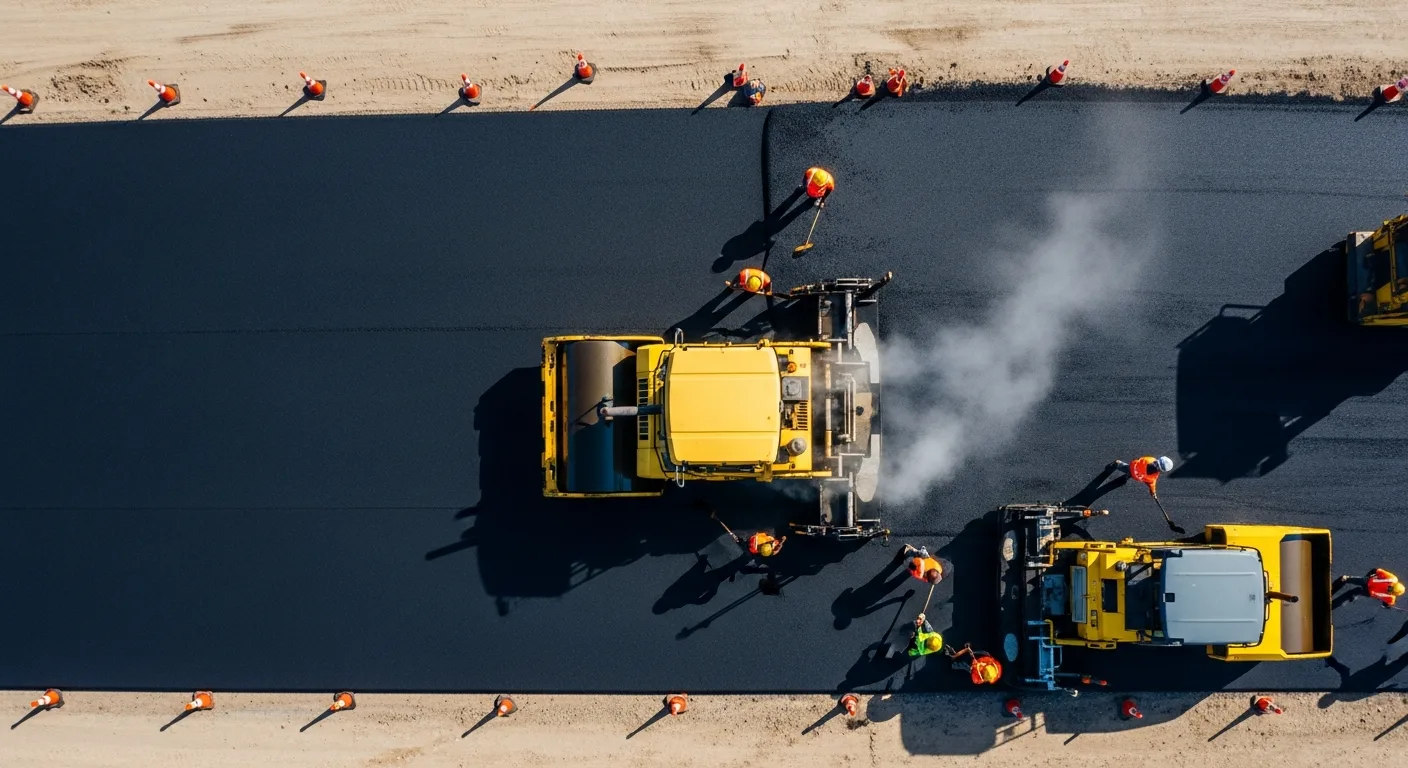
Asphalt Paving and Compaction Guide: Mix Types, Laydown Temperatures, and Quality Testing
Asphalt paving looks straightforward from a distance. A truck dumps material, the paver lays it down, and rollers...
Read More →
Construction Jobsite Wi-Fi & Connectivity Guide: Setting Up Reliable Internet in the Field
A practical guide to getting reliable internet on construction job sites. Learn about cellular hotspots, mesh networks,...
Read More →