
Construction Employee Wellness Programs Guide | Projul
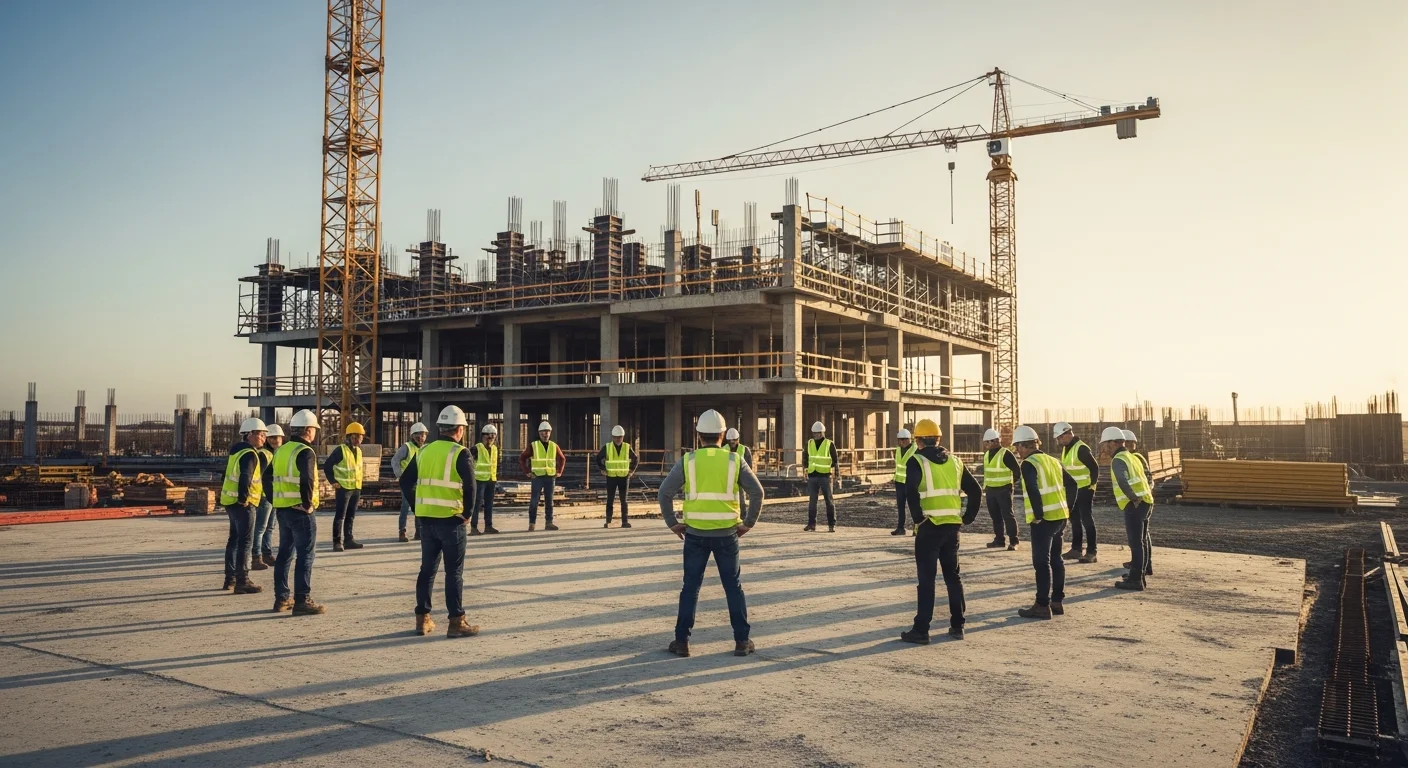
Let’s be honest: “wellness program” sounds like something out of a corporate HR seminar, not a construction jobsite. Most contractors hear those words and picture yoga mats in the break trailer or a poster about feelings taped to the porta-john.
But here’s the reality. Construction workers die by suicide at a rate nearly four times the national average. Substance abuse runs rampant. Heat-related illness sends thousands to the hospital every summer. And the physical toll of the work itself grinds people down year after year.
If you’re losing good people to burnout, injuries, or addiction, you don’t have a hiring problem. You have a wellness problem. And fixing it doesn’t require a massive budget or a full-time HR department. It just takes some intentional effort and the right programs.
This guide breaks down six areas where contractors can make a real difference for their crews, along with hard numbers on why it’s worth the investment.
Mental Health Resources: Breaking the Silence on Construction Jobsites
Construction has a mental health crisis, and most of the industry is still pretending it doesn’t exist.
The CDC reports that male construction workers have one of the highest suicide rates of any occupation in the United States. The combination of physical pain, long hours away from family, job insecurity between projects, and a culture that discourages talking about feelings creates a perfect storm.
What you can actually do:
- Train your foremen to recognize warning signs. You don’t need them to become therapists. You need them to notice when someone withdraws, starts showing up late consistently, or seems off. A simple “Hey, you doing alright?” goes further than you’d think.
- Partner with a local counseling provider. Many therapists offer group rates for businesses. Even covering a few sessions per year removes the biggest barrier: cost.
- Normalize the conversation. Talk about mental health in safety meetings. Not as a lecture, but as part of the regular check-in. “How’s everyone doing this week?” is a legitimate safety question when stress leads to distraction and distraction leads to accidents.
- Post the 988 Suicide and Crisis Lifeline number on every jobsite, right next to the OSHA poster. Make it as visible and unremarkable as the first aid kit.
The construction industry loses an estimated 5,000 workers to suicide every year. That’s five times more than workplace accidents. If you’d spend money on fall protection (and you should), you should spend money on mental health support too.
One thing that helps with the day-to-day stress: getting the administrative chaos under control. When your crew knows the schedule, has clear task assignments, and isn’t guessing about what comes next, the anxiety level drops. That’s one reason good project management tools matter for more than just productivity.
Substance Abuse Programs: Addressing Addiction Without Losing Your Crew
Construction has the highest rate of substance abuse of any industry. About 15% of construction workers report heavy alcohol use, and opioid addiction has hit the trades especially hard. Workers get prescribed painkillers after job injuries, develop a dependency, and the spiral begins.
Most contractors handle this one of two ways: ignore it until someone fails a drug test, or fire people immediately. Neither approach actually solves anything.
A better path forward:
- Establish a clear, written substance abuse policy. Include it in your employee handbook. Spell out what’s prohibited, what testing looks like, and what happens when someone comes forward asking for help versus getting caught.
- Create a return-to-work program. If a good worker comes to you and says they need help, give them a path back. Treatment typically takes 30 to 90 days. Holding their position (or a comparable one) costs you far less than recruiting and training a replacement.
- Offer an Employee Assistance Program (EAP). We’ll dig into EAPs more below, but even a basic one gives workers confidential access to addiction counseling without having to ask their boss for help.
- Train supervisors on what to look for. Slurred speech and smelling like alcohol are obvious. But the more common signs are subtler: inconsistent work quality, frequent Monday absences, increased irritability, and withdrawal from the crew.
- Partner with local treatment centers. Many will work with employers on pricing and can provide on-site educational sessions.
The key is separating discipline from treatment. Someone who shows up impaired and endangers the crew needs to be removed from the site immediately. But someone who asks for help before an incident deserves a different response.
The cost of replacing a skilled construction worker runs between $5,000 and $20,000 when you factor in recruiting, onboarding, training, and lost productivity during the ramp-up. Investing in treatment for a proven worker almost always costs less.
Physical Fitness and Injury Prevention: Keeping Bodies in Working Shape
Construction is brutally physical work. The repetitive motions, heavy lifting, awkward postures, and exposure to the elements take a cumulative toll that most desk-job wellness programs don’t even consider.
Musculoskeletal injuries account for roughly 25% of all construction injuries, and back injuries alone cost the industry billions each year. Most of these aren’t dramatic accidents. They’re the slow result of years of strain without proper conditioning or recovery.
Practical fitness initiatives that actually work on jobsites:
- Stretch-and-flex programs. Five to ten minutes of guided stretching before the shift starts. This isn’t some gimmick. Turner Construction, one of the largest GCs in the country, credits their stretch-and-flex program with a significant reduction in soft tissue injuries. Keep it short, make it routine, and have the foreman lead it.
- Proper lifting training with regular refreshers. Not a one-time safety video during orientation. Quarterly hands-on sessions where workers practice technique with the actual materials they handle daily.
- Subsidized gym memberships or fitness stipends. Even $25 to $50 per month toward a gym membership signals that you care about your crew’s long-term health. Some contractors partner with local gyms for group rates.
- On-site hydration and nutrition support. Stock the break area with water, electrolyte drinks, and healthy snacks instead of just a vending machine full of energy drinks. Small change, big impact on afternoon energy and focus.
- Ergonomic tool assessments. Sometimes the fix is as simple as switching to a lighter drill, using a tool balancer, or providing anti-fatigue mats for concrete work. Ask your workers what hurts and look for equipment solutions.
The companies that do this well treat physical fitness like they treat safety training: it’s not optional, it’s not something you do once, and leadership participates alongside the crew.
A quick note on tracking: if you want to know whether your fitness and injury prevention efforts are working, you need data. Track injury rates, workers’ comp claims, and days lost to injury over time. Construction management software that handles scheduling and daily logs can help you spot patterns you’d miss otherwise.
Heat Illness Prevention: The Program That Literally Saves Lives
Heat kills more construction workers than any other weather-related event. OSHA has been tightening enforcement around heat illness prevention, and several states now have specific heat standards on the books.
But beyond compliance, heat illness prevention is one of the highest-impact wellness initiatives you can run. It’s cheap, it’s straightforward, and it directly prevents hospitalizations and deaths.
The basics every contractor should have in place:
- Water, rest, shade. OSHA’s core message. Provide cool drinking water within easy reach at all times. Set up shaded rest areas. And actually let people use them without guilt trips about the schedule.
- Acclimatization protocols. New workers and anyone returning from more than a week off need a gradual ramp-up during hot weather. Start with 20% of the normal workload on day one, increasing by 20% each day. This single practice prevents the majority of heat deaths, which disproportionately hit workers in their first few days on a hot site.
- Buddy system. Pair workers up and train them to watch each other for signs of heat illness: confusion, dizziness, slurred speech, or stopping sweating despite the heat. That last one is a medical emergency.
- Modified schedules during heat waves. Start earlier, take a longer midday break, or shift to evening work when temperatures spike. Yes, it disrupts the schedule. But a heat stroke on your jobsite disrupts it a lot more.
- Training that covers the difference between heat exhaustion and heat stroke. Your crew needs to know that heat exhaustion (heavy sweating, weakness, nausea) calls for rest and hydration, while heat stroke (hot dry skin, confusion, loss of consciousness) calls for 911 immediately.
If you’re operating in a state with specific heat standards like California, Washington, or Oregon, make sure your program meets those requirements. But even if your state doesn’t have a specific standard, OSHA’s General Duty Clause still applies. Check the latest OSHA compliance requirements to make sure you’re covered.
The cost of a heat illness prevention program is almost nothing: water coolers, shade structures, training time. The cost of a heat stroke fatality on your jobsite, between OSHA fines, lawsuits, project delays, and the human toll, is catastrophic.
Employee Assistance Programs (EAPs): The Swiss Army Knife of Wellness
If you’re only going to do one thing on this list, make it an EAP.
Don’t just take our word for it. See what contractors say about Projul.
An Employee Assistance Program is a confidential service, usually provided through a third-party vendor, that gives your employees access to short-term counseling and referrals for a wide range of issues: mental health, substance abuse, financial stress, legal problems, family conflicts, and more.
Why EAPs work well in construction:
- Confidentiality. Workers call a toll-free number or use an app. Their employer never knows who uses it or why. In an industry where asking for help feels like weakness, this matters enormously.
- Low cost. A basic EAP runs $12 to $40 per employee per year. For a 30-person company, that’s $360 to $1,200 annually. Compare that to the cost of losing even one worker to untreated depression, addiction, or divorce-related distraction.
- Broad coverage. EAPs aren’t just for mental health. Workers use them for financial counseling (debt, child support), legal consultations (custody, DUI), eldercare resources, and relationship issues. Construction workers deal with all of these at higher-than-average rates.
- No administration headaches. The EAP vendor handles everything. You don’t need an HR department to run it.
How to pick an EAP provider:
Look for one that offers 24/7 phone access (construction hours aren’t 9-to-5), has Spanish-language services if applicable to your crew, includes at least 3 to 6 counseling sessions per issue, and provides a mobile app for younger workers who won’t call a phone number.
How to actually get people to use it:
This is where most contractors fail. They sign up for an EAP, hand out a wallet card during onboarding, and never mention it again. Utilization hovers around 3 to 5%.
To get real usage:
- Mention the EAP at every safety meeting. Not as a speech, just a reminder: “Don’t forget, the EAP is there if you need it. It’s free and confidential.”
- Have the EAP provider do an annual on-site presentation. They’re usually happy to do this at no extra cost.
- When a critical incident happens on the jobsite (serious injury, near miss, death in someone’s family), bring in the EAP for group support.
- Make sure supervisors know they can use it too. They carry enormous stress managing projects, budgets, and people, sometimes with very little support from above.
Contractors who actively promote their EAP see utilization rates of 10 to 15%, which translates to real problems getting addressed before they become jobsite incidents.
Measuring the ROI of Wellness Programs in Construction
This is where the skeptics need to pay attention. Wellness programs aren’t charity. They’re a business investment with measurable returns.
The numbers:
- Workers’ compensation. Construction companies with active wellness programs report 25 to 40% lower workers’ comp costs over a three- to five-year period. For a mid-size contractor spending $200,000 annually on workers’ comp, that’s $50,000 to $80,000 in savings.
- Absenteeism. Healthier workers miss fewer days. The average cost of an absent construction worker (including the scramble to cover their work) is $300 to $500 per day. Reducing absenteeism by even a few percentage points adds up fast.
- Turnover. This is the big one. Employee turnover in construction already runs high, and replacing skilled tradespeople is expensive and slow. Workers who feel supported stay longer. Companies with strong benefits packages and wellness programs see 20 to 30% lower turnover.
- Productivity. Workers who aren’t in pain, aren’t hungover, aren’t distracted by untreated anxiety, and aren’t overheated work faster and make fewer mistakes. It’s not complicated.
- Insurance premiums. Many insurance carriers offer discounts for documented wellness programs. Ask your broker about this; it’s free money most contractors leave on the table.
How to track your ROI:
You don’t need a complicated spreadsheet. Start with these metrics and review them quarterly:
- Injury rate (OSHA recordable incidents per 200,000 hours worked)
- Workers’ comp costs (total annual spend and cost per employee)
- Absenteeism rate (unplanned absences as a percentage of total scheduled days)
- Turnover rate (voluntary separations divided by average headcount)
- EAP utilization (your vendor will report this anonymously)
Track these for a year before launching your wellness program, then compare year over year. Most contractors see meaningful improvement within 12 to 18 months.
Starting small is fine. You don’t have to launch every initiative at once. Pick the one or two areas where your company has the biggest pain points. If you’re losing people to heat illness every summer, start there. If you suspect substance abuse is a factor in your injury rate, start with the EAP and a clear policy.
The contractors who are winning the workforce development game aren’t just paying more or offering better schedules (though those help). They’re building workplaces where people can actually sustain a long career without destroying their bodies or their minds.
Putting It All Together
Here’s a quick summary of what to do and roughly what it costs:
| Initiative | Annual Cost (50-person crew) | Expected Impact |
|---|---|---|
| EAP | $600 to $2,000 | Reduced turnover, fewer incidents |
| Mental health training for supervisors | $1,000 to $3,000 | Earlier intervention, lower suicide risk |
| Stretch-and-flex program | $0 (just time) | 20 to 40% fewer soft tissue injuries |
| Heat illness prevention | $500 to $2,000 | Near-elimination of heat events |
| Substance abuse policy and return-to-work program | $1,000 to $5,000 | Retained skilled workers, lower liability |
| Fitness stipends | $15,000 to $30,000 | Long-term injury reduction, morale boost |
Total investment: roughly $18,000 to $42,000 per year for a 50-person company. Expected return: $50,000 to $150,000 or more in reduced costs and improved retention.
Want to put this into practice? Book a demo with Projul and see the difference.
You don’t have to be a Fortune 500 company to take care of your people. You just have to decide it matters, then take the first step. Your crew will notice. And they’ll stick around because of it.
Frequently Asked Questions
What is an employee wellness program in construction?
How much does a construction wellness program cost?
Are construction companies required to have wellness programs?
How do I get buy-in from field crews for a wellness program?
What is the ROI of wellness programs in the construction industry?
Related Articles

BIM Clash Detection: How to Catch Conflicts Before They Cost You on the Jobsite
BIM Clash Detection: How to Catch Conflicts Before They Cost You on the Jobsite Every contractor has a story about the...
Read More →
Asphalt Paving and Compaction Guide: Mix Types, Laydown Temperatures, and Quality Testing
Asphalt paving looks straightforward from a distance. A truck dumps material, the paver lays it down, and rollers...
Read More →
Construction Jobsite Wi-Fi & Connectivity Guide: Setting Up Reliable Internet in the Field
A practical guide to getting reliable internet on construction job sites. Learn about cellular hotspots, mesh networks,...
Read More →