
Heat Illness Prevention on Construction Sites
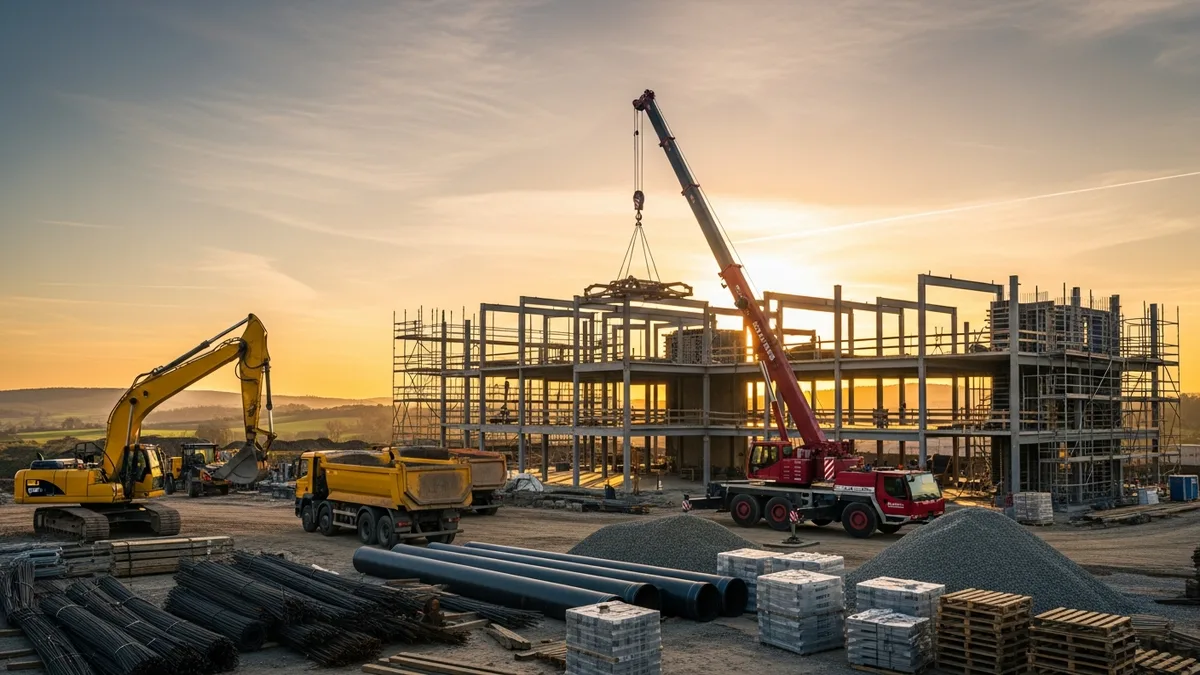
Every summer, the same story plays out across the country. A worker goes down on a rooftop, in a trench, or on a scaffold. Sometimes they recover. Sometimes they don’t. Heat illness is one of the most preventable causes of death in construction, and yet we lose people to it every single year.
Between 2011 and 2022, heat-related incidents killed over 400 workers in the U.S., with construction accounting for the largest share of those deaths. The Bureau of Labor Statistics puts construction workers at the top of the list for heat-related fatalities, and it’s not close. We work outside, we work hard, and we work in conditions that would send most people running for air conditioning.
But here’s the thing: none of those deaths had to happen. Heat illness is predictable, the warning signs are clear, and the prevention measures are straightforward. The problem isn’t a lack of knowledge. It’s a lack of consistent execution. So let’s talk about what actually works, what OSHA expects from you, and how to build heat safety into your daily operations so it becomes second nature instead of an afterthought.
Understanding Heat Illness: It’s More Than Just “Being Hot”
Before we get into protocols and plans, it’s worth understanding what’s actually happening inside a worker’s body when heat illness takes hold. This isn’t just about discomfort. It’s a cascade of physiological failures that can go from mild to life-threatening in minutes.
Heat cramps are usually the first sign. Painful muscle spasms, typically in the legs, arms, or abdomen, caused by fluid and electrolyte loss from sweating. Most guys try to push through cramps, which is exactly the wrong move.
Heat exhaustion is the next step up. Heavy sweating, weakness, cold or clammy skin, nausea, vomiting, and a fast but weak pulse. The body is struggling to cool itself but hasn’t completely failed yet. This is the critical intervention point. If you catch it here, you can prevent what comes next.
Heat stroke is the one that kills people. The body’s temperature regulation system shuts down entirely. Core temperature spikes above 104°F. The skin may be hot and dry (sweating has stopped), confusion sets in, and the worker may lose consciousness. Heat stroke is a medical emergency. Call 911 immediately. Every minute of delay increases the risk of permanent organ damage or death.
What makes heat illness particularly dangerous on construction sites is the combination of factors working against your crews. It’s not just air temperature. It’s humidity (which prevents sweat from evaporating), radiant heat from asphalt, concrete, and roofing materials, the physical intensity of the work itself, and PPE that traps heat against the body. A 90°F day with 80% humidity and direct sun on a black roof can produce conditions equivalent to 115°F or higher.
The other factor that doesn’t get enough attention is timing. According to OSHA data, more than a third of heat-related deaths occur on a worker’s first day, and over half occur within the first week. New hires, temps, and workers returning from vacation or illness are at the highest risk because their bodies haven’t adjusted to the conditions. We’ll get into acclimatization protocols later, but keep that stat in mind. It should change how you onboard people during summer months.
OSHA Requirements and the Legal Side of Heat Safety
Let’s talk about what you’re legally required to do, because “we’ve always done it this way” isn’t going to hold up if someone gets hurt.
At the federal level, OSHA doesn’t yet have a finalized heat-specific standard, though one has been in the rulemaking process for several years. But don’t let that fool you into thinking you’re off the hook. The General Duty Clause (Section 5(a)(1)) requires every employer to provide a workplace free from recognized hazards that are causing or likely to cause death or serious physical harm. Heat is absolutely a recognized hazard, and OSHA has been issuing citations under the General Duty Clause for heat-related incidents for years.
OSHA’s National Emphasis Program (NEP) on Heat launched in 2022, and it’s still very much active. Under this program, OSHA conducts proactive inspections on days when the heat index exceeds 80°F. Compliance officers are specifically looking for:
- Access to drinking water
- Availability of shade or cool rest areas
- Acclimatization procedures
- Emergency response planning
- Training records showing workers know the signs and symptoms of heat illness
If you’re in a state with its own OSHA plan, pay close attention to state-specific rules. California’s Title 8, Section 3395 is the gold standard for heat illness prevention standards and has been on the books since 2005. Washington, Oregon, Colorado, and several other states have adopted their own heat rules with specific trigger temperatures, mandatory rest breaks, and documentation requirements.
The bottom line: regardless of where you operate, you need a written heat illness prevention plan, you need to train your people on it, and you need to actually follow it every day the temperature climbs. This ties directly into your broader OSHA compliance program, and if you don’t already have a written safety plan that addresses heat, now is the time to build one.
Penalties are real. OSHA can issue citations up to $16,131 for serious violations and $161,323 for willful or repeated violations. But honestly, the fines are the least of your worries. A heat-related fatality on your jobsite will cost you far more in legal liability, insurance increases, project delays, and reputation damage than any fine OSHA hands out.
Building a Water-Rest-Shade Program That Actually Works
You’ve heard “water, rest, shade” a thousand times. It’s become almost a cliche in safety circles. But the reason it keeps getting repeated is because it works, and because a shocking number of contractors still don’t execute it consistently.
Water
The rule is simple: cool, potable drinking water must be available at all times, close enough that workers don’t have to walk more than a few minutes to get to it. OSHA and NIOSH recommend workers drink about one cup (8 ounces) of water every 15 to 20 minutes when working in hot conditions. That’s roughly a quart per hour.
Here’s where most contractors fall short. They’ll have a couple of water coolers on site, but the coolers are 200 yards from where the crew is actually working. Or the water runs out by 1 PM and nobody refills it. Or there’s water but no cups, and guys aren’t going to drink from a communal jug.
Make it easy. Put water stations within sight of every work area. Assign someone to check and refill them at least twice a day. Provide individual water bottles if your budget allows it. And don’t count on guys to hydrate themselves. Build water breaks into the work schedule so nobody has to choose between staying productive and taking care of their health.
One more thing: energy drinks, coffee, and soda don’t count. Caffeine is a diuretic. Alcohol is obviously out. Sports drinks with electrolytes can supplement water intake, but they shouldn’t replace it.
Rest
Mandatory rest breaks are where the rubber meets the road. California requires a minimum 10-minute cool-down rest period every 2 hours when temperatures hit 95°F. Even if your state doesn’t mandate specific intervals, you should be building them in anyway.
The length and frequency of breaks should scale with conditions. On a mild 85°F day, a 10-minute break every couple of hours might be sufficient. When you’re pushing into triple digits, you may need 15-minute breaks every hour, or you may need to shift work schedules entirely to avoid peak heat (more on that later).
Rest breaks need to happen in the shade or in an air-conditioned space. Sitting in direct sun doesn’t count as rest. Neither does sitting in a truck with the windows down.
Shade
Shade needs to be close, accessible, and big enough for your crew. Pop-up canopies, shade structures, covered trailers, or even the shadow of the building you’re constructing can work. What doesn’t work is telling guys to go find shade when there’s none within a reasonable distance.
For roofing crews, concrete crews, and others working in direct sun with no natural shade, you need to bring shade to them. Budget for it. A few hundred bucks in canopies and coolers is nothing compared to the cost of a heat-related incident.
Acclimatization: The Protocol Most Contractors Skip
This is the big one. Remember that stat about more than a third of heat deaths happening on a worker’s first day? Acclimatization, or the lack of it, is the primary reason.
When someone isn’t used to working in hot conditions, their body hasn’t adapted its cooling mechanisms. Sweat rate, blood flow patterns, and electrolyte balance all need time to adjust. Throwing an unacclimatized worker into a full shift of hard labor in 95°F heat is setting them up for trouble.
OSHA and NIOSH recommend a 7 to 14 day acclimatization schedule for new workers:
- Day 1: No more than 20% of the normal workload in hot conditions
- Day 2: 40%
- Day 3: 60%
- Day 4: 80%
- Days 5-7: 100%, with close monitoring
For workers who’ve been away for a week or more (vacation, illness, or just a string of cool days), the ramp-up is faster but still necessary. Start them at 50% on the first day back and increase by 10-20% each day.
I know what you’re thinking. “I can’t afford to have a guy working at 20% for a week.” I get it. Schedules are tight, labor is expensive, and there’s pressure to produce. But consider the alternative. If that worker goes down with heat stroke on day one, you’re losing them entirely, plus the time and cost of an incident investigation, potential OSHA involvement, and the morale hit to the rest of your crew.
The practical solution is planning. If you know you’re bringing on new hires or temps during summer months, factor the acclimatization schedule into your project scheduling. Pair new workers with experienced crew members who can monitor them and gradually increase their workload. Use your daily logs to document acclimatization progress so you have a record that you followed the protocol.
And watch the weather forecast. If a heat wave is coming, that’s not the week to start a new guy on a roofing crew.
Training Your Crews to Recognize and Respond to Heat Emergencies
All the protocols in the world don’t matter if your people don’t know the signs, don’t take them seriously, or don’t know what to do when someone goes down. Heat illness training needs to happen before summer starts, and it needs to be reinforced regularly throughout the hot months.
What Training Should Cover
Every worker on your site needs to know:
- The signs and symptoms of heat cramps, heat exhaustion, and heat stroke
- What to do when they notice symptoms in themselves or a coworker
- Where to find water, shade, and first aid supplies
- Who to call and how to activate emergency medical services
- The buddy system and why watching out for each other isn’t optional
- Risk factors that increase heat illness vulnerability (medications, previous heat illness, age, fitness level, alcohol use)
The Buddy System
Heat illness messes with your brain before it messes with your body. Confusion, irritability, and impaired judgment are all early symptoms, which means an affected worker may not realize they’re in trouble. That’s why the buddy system is non-negotiable in hot conditions.
Pair workers up. Make each person responsible for watching their partner throughout the shift. Train them on what to look for: changes in behavior, slowed movements, confusion, complaints of headache or nausea, and especially if someone stops sweating on a hot day.
Emergency Response
When someone shows signs of heat stroke (confusion, loss of consciousness, hot/dry skin, core temperature above 104°F), every second counts. Your crew needs to know:
- Call 911 immediately. Don’t wait to see if they get better.
- Move them to the coolest available area. Shade, air conditioning, whatever you’ve got.
- Cool them aggressively. Remove excess clothing. Apply ice packs to the neck, armpits, and groin. Douse them with cool water. Fan them. Use whatever you have.
- Do NOT give fluids to an unconscious or confused person (choking risk).
- Stay with them until EMS arrives.
Run through this scenario at least once before summer. A quick 15-minute drill where you walk through the steps can save a life when the real thing happens. Fold this into your broader training program so it doesn’t fall through the cracks.
Documentation
Contractors across the country trust Projul to run their businesses. Read their reviews.
Document your training. Keep sign-in sheets, note the topics covered, and record the date. If OSHA shows up after an incident, one of the first things they’ll ask for is your training records. “We talked about it at the morning meeting” doesn’t cut it. Written records that workers were trained on heat illness recognition, prevention measures, and emergency procedures are your best defense.
Your daily logs are the right place to note daily heat safety reminders, toolbox talks, and any heat-related incidents or near-misses. Consistent documentation creates a paper trail that shows you take this seriously.
Practical Strategies for Hot Weather Operations
Beyond the basics of water, rest, shade, and acclimatization, there are a number of operational adjustments that can make a real difference in keeping your crews safe and productive during hot weather.
Adjust Work Schedules
This is the single most effective thing you can do. The hottest part of the day in most areas is between 10 AM and 4 PM. If you can front-load your schedule with early starts (5 or 6 AM) and move the heaviest physical work to the morning hours, you’ll dramatically reduce heat exposure.
Some contractors shift to split schedules during extreme heat: work from 5 AM to 11 AM, take a long midday break, then finish from 4 PM to 7 PM. It’s not always practical, but for the worst days, it keeps people out of the worst conditions.
Use your scheduling tools to plan around forecasted heat. If you know next week is going to be brutal, schedule indoor work, planning tasks, or material deliveries during peak heat hours and save the heavy outdoor labor for early morning.
Modify the Work Itself
When you can’t avoid working in the heat, reduce the intensity. Use mechanical aids to reduce physical exertion. Rotate workers between heavy and light tasks. Break large tasks into smaller chunks with built-in rest periods.
Consider the PPE requirements for each task. Full Tyvek suits, respirators, and heavy fall protection gear all trap heat. If the task allows, schedule PPE-intensive work for cooler hours. When that’s not possible, increase rest frequency for workers in heavy gear.
Cool-Down Equipment
Invest in equipment that helps workers stay cool:
- Cooling towels and vests that use evaporative or phase-change cooling
- Misting fans for break areas
- Portable shade structures that can move with the crew
- Insulated water jugs that keep water cold all day
- Personal hydration packs for workers who move around the site
None of this is expensive relative to the cost of an incident. Budget for it as a line item in your summer projects.
Monitor Conditions
Don’t just guess at the temperature. Use a wet bulb globe temperature (WBGT) monitor if you can get one, or at minimum check the heat index throughout the day. The heat index combines air temperature and humidity to give you a more accurate picture of what conditions feel like.
OSHA’s heat safety app (free on iOS and Android) calculates the heat index and provides risk level guidance based on your location. It takes 10 seconds to check. Make it part of your morning routine.
Assign a supervisor or safety lead to monitor conditions throughout the day and call for additional breaks, schedule changes, or work stoppages when conditions deteriorate. Give them the authority to make those calls without needing approval from the project manager or owner.
Address the Mental Health Side
Heat doesn’t just affect the body. Working in extreme conditions day after day wears on people mentally. Fatigue, irritability, poor sleep from hot nights, and the stress of feeling physically terrible all contribute to decreased morale and increased risk of mistakes and injuries.
Check in with your people. Not just “are you drinking enough water?” but “how are you holding up?” Recognize that summer heat adds a real burden to an already demanding job, and create space for honest conversation about it. This connects directly to the broader conversation about mental health in construction, which is finally getting the attention it deserves.
Plan for the Worst
Have a clear plan for what happens when the heat becomes genuinely dangerous. At what heat index do you modify schedules? At what point do you shut down outdoor work entirely? Who makes that call? How do you communicate it to all crews on site?
Write it down. Make sure every supervisor knows the thresholds and the decision tree. When you’re standing in 110°F heat index conditions, you don’t want to be debating whether to pull the crews. That decision should already be made by your plan.
OSHA Heat Illness NEP Enforcement: What Contractors Need to Know
The National Emphasis Program (NEP) on heat-related hazards is not a suggestion or a future initiative. It is an active enforcement priority that affects every contractor working outdoors during warm months. Understanding how this program works in practice will help you stay ahead of inspections and avoid costly citations.
Under the NEP, OSHA compliance safety and health officers (CSHOs) are directed to initiate heat-related interventions whenever the National Weather Service has issued a heat warning or advisory for a local area. In addition, CSHOs conducting inspections for any reason (a complaint, a scheduled visit, or a referral) are instructed to assess heat-related hazards if the heat index at the worksite is 80°F or above. This means a routine inspection for scaffolding or fall protection can quickly turn into a heat safety audit if conditions are warm.
When a CSHO arrives on a hot day, they are specifically trained to look for several things. First, they will check whether potable drinking water is immediately accessible to workers. “Immediately” means within a short walk, not in a cooler back at the job trailer 500 feet away. Second, they will look for shade or climate-controlled rest areas. Third, they will ask about your acclimatization program and want to see documentation that new and returning workers were gradually introduced to hot conditions. Fourth, they will review your training records to verify workers were educated on heat illness signs, symptoms, and response procedures.
One aspect of NEP enforcement that catches many contractors off guard is the emphasis on proactive outreach. CSHOs are instructed to engage with workers directly and ask questions like “When was the last time you had water?” and “Do you know the signs of heat stroke?” If workers cannot answer these basic questions, that tells the inspector your training program is insufficient, even if you have a binder full of sign-in sheets in the office.
Citations under the NEP typically fall under the General Duty Clause, which means OSHA must demonstrate that a recognized hazard existed, the employer knew or should have known about it, and the hazard was causing or likely to cause death or serious harm. Given how well-documented heat hazards are in the construction industry, meeting that burden is straightforward for OSHA attorneys. Penalties for serious violations currently reach $16,131 per violation, and willful violations can hit $161,323. Multiple violations on a single site visit can stack up fast.
Beyond federal OSHA, state plan states are increasingly adopting their own heat-specific standards with even more detailed requirements. California’s standard requires employers to maintain written procedures, provide shade when temperatures exceed 80°F, and implement high-heat procedures (including mandatory buddy systems and pre-shift meetings) at 95°F. Oregon’s rules mandate access to shade at 80°F and a full suite of high-heat protocols at 90°F. Colorado’s agricultural and construction heat rules took effect in 2024 with specific rest break intervals tied to temperature thresholds.
The practical takeaway is that enforcement is real, it is increasing, and the best way to avoid problems is to build a heat illness prevention program that exceeds the minimum requirements. Document everything in your daily logs so you have a clear record that protocols were followed. If an inspector arrives on a 95°F day and your logs show you conducted a heat safety briefing that morning, provided documented water and shade access, and tracked acclimatization for new workers, you are in a strong position.
Wet Bulb Globe Temperature Monitoring for Construction Sites
Most contractors rely on air temperature or the heat index to gauge heat risk, but neither of those measurements tells the full story. The wet bulb globe temperature (WBGT) is the most comprehensive metric for assessing heat stress because it accounts for air temperature, humidity, wind speed, and radiant heat from the sun and surrounding surfaces all in a single reading.
On a construction site, radiant heat is a major factor that gets overlooked. Asphalt, concrete, metal roofing, and dark surfaces absorb and re-radiate heat, creating localized conditions that can be 15 to 20 degrees hotter than what the weather app on your phone reports. A WBGT monitor placed where your crew is actually working gives you a much more accurate picture of the conditions they are experiencing.
WBGT monitors are available as portable handheld devices that range from about $100 for basic models to $500 or more for professional-grade instruments. For a contractor running multiple outdoor crews through summer, a couple of these devices is a worthwhile investment. Place one in the primary work area and take readings at least three times per day: at the start of the shift, at midday, and in the early afternoon when conditions typically peak.
NIOSH and the American Conference of Governmental Industrial Hygienists (ACGIH) publish threshold limit values (TLVs) for heat exposure based on WBGT readings and work intensity. For heavy physical work like concrete finishing, roofing, or trenching, the recommended WBGT threshold for continuous work is around 77°F to 80°F. Above that, you should be implementing work-rest cycles. At a WBGT of 86°F or higher during heavy work, ACGIH recommends a 25-75 work-rest ratio, meaning 15 minutes of work followed by 45 minutes of rest in each hour.
Here is a simplified action chart based on WBGT and work intensity:
- WBGT below 78°F (heavy work): Normal operations with standard water and shade access. Monitor conditions and encourage hydration.
- WBGT 78°F to 82°F (heavy work): Implement 45 minutes work, 15 minutes rest per hour. Increase water availability. Watch for early symptoms.
- WBGT 82°F to 86°F (heavy work): Implement 30 minutes work, 30 minutes rest per hour. Mandatory buddy system. Consider rescheduling heaviest tasks.
- WBGT 86°F to 90°F (heavy work): Implement 15 minutes work, 45 minutes rest per hour. Seriously evaluate whether outdoor work should continue.
- WBGT above 90°F (heavy work): Stop heavy outdoor work. Reassign crews to lighter tasks, indoor work, or shut down operations for the day.
For moderate work (general carpentry, electrical rough-in, plumbing installation), the thresholds shift upward by roughly 4 to 6 degrees. For light work (supervision, site inspections, material inventory), thresholds are higher still.
Integrating WBGT monitoring into your daily routine takes very little effort. Assign one person per site to take readings and record them. Log the results alongside your other daily documentation using your time tracking and daily log tools so you have a timestamped record of conditions and the actions you took in response. This data becomes invaluable if you ever need to demonstrate that you were managing heat risk proactively.
Acclimatization Schedules for New and Returning Workers
We covered acclimatization basics earlier, but this topic deserves a deeper look because it is the single factor most closely associated with heat-related fatalities on construction sites. OSHA’s own data shows that three out of every four heat-related workplace deaths happen during the first week of work. Getting acclimatization right is not optional.
The physiology behind acclimatization is straightforward. When a person is repeatedly exposed to hot conditions over 7 to 14 days, their body adapts in measurable ways. Sweat production increases and starts earlier in response to heat. The composition of sweat changes, with the body retaining more sodium. Heart rate during exertion decreases as cardiovascular efficiency improves. Core body temperature stabilizes at a lower point during work. These adaptations are real and significant, but they take time to develop, and they are lost relatively quickly during time away from hot conditions.
For contractors, this means you need two distinct acclimatization protocols: one for new workers who have never worked in hot conditions on your site, and one for returning workers who have been away for a week or more.
New Worker Acclimatization Protocol (14-Day Schedule)
- Days 1-2: Limit hot-condition work to no more than 20% of a full shift. Assign lighter tasks. Pair with an experienced worker who monitors for symptoms.
- Days 3-4: Increase to 40% of normal workload in hot conditions. Continue buddy system monitoring.
- Days 5-6: Increase to 60%. Worker should be showing improved tolerance but still needs close observation.
- Days 7-8: Increase to 80%. Worker is approaching full acclimatization but remains at elevated risk.
- Days 9-14: Full workload permitted with standard monitoring. Continue to check in daily and watch for any regression.
Returning Worker Acclimatization Protocol (3-5 Day Schedule)
Workers who were previously acclimatized but have been away for 7 or more days retain some physiological adaptations, so the ramp-up is faster:
- Day 1: 50% of normal workload in hot conditions.
- Day 2: 60-70%.
- Day 3: 80%.
- Days 4-5: Full workload with monitoring.
If the absence was due to a heat-related illness, extend the returning worker protocol to match the new worker schedule. A previous heat illness episode increases susceptibility to future episodes.
The biggest challenge with acclimatization is not the protocol itself but the discipline to follow it. Supervisors face pressure to get production out of every worker on the crew, and pulling someone back to 20% capacity feels like a luxury. But the data is unambiguous. Unacclimatized workers are dramatically more likely to suffer heat illness, and the cost of an incident (in human terms, in OSHA penalties, in project delays, and in insurance premiums) far exceeds the cost of a gradual ramp-up.
Document acclimatization progress for every new and returning worker. Note the date they started, their daily workload percentage, any symptoms observed, and the date they reached full acclimatization. Keep these records with your project documentation. Use your daily logs to track each worker’s progress and flag anyone who shows signs of struggling with the heat.
One practical tip: schedule new hires to start on Monday whenever possible during summer months. This gives you a full work week to ramp them up before any weekend schedule changes, and it makes the tracking simpler for supervisors.
Heat Illness Emergency Response Protocols
When a worker goes down with suspected heat stroke, the first five minutes of response largely determine the outcome. Heat stroke has a mortality rate of over 50% when treatment is delayed, but survival rates jump above 90% when aggressive cooling begins within minutes. Your crews need a rehearsed, specific response plan, not a vague understanding that someone should call 911.
Designate a Heat Emergency Responder
On every crew working in hot conditions, one person should be designated as the heat emergency responder. This person is responsible for knowing the exact location of cooling supplies, having a charged cell phone with the site address readily available for 911 calls, and taking charge if a heat emergency occurs. Rotate this role daily or weekly, but make sure someone always has it. Announce who it is at the morning huddle.
The Five-Step Heat Stroke Response Protocol
Train every worker on these five steps. Post them in break areas and on the tailgate of every work truck.
Step 1: Recognize and alert. If a worker shows confusion, slurred speech, loss of consciousness, hot and dry skin, or stops sweating in hot conditions, assume heat stroke until proven otherwise. Shout for help and alert the designated heat emergency responder immediately.
Step 2: Call 911. Do not wait. Do not try to “see if they come around.” Call emergency medical services immediately. Provide the site address, describe the symptoms, and mention that you suspect heat stroke. Keep the line open if possible.
Step 3: Move to the coolest available location. Get the worker into shade, an air-conditioned vehicle or trailer, or any area that is cooler than where they collapsed. If no shade exists, create shade with whatever is available.
Step 4: Begin aggressive cooling. This is the most critical step. Remove unnecessary clothing and equipment. Apply ice packs or cold wet towels to the neck, armpits, and groin where large blood vessels are close to the skin surface. If available, immerse the worker in a tub or pool of cold water (this is the gold standard for rapid cooling). Pour cool water over their body. Fan them to promote evaporative cooling. Do not stop cooling efforts until EMS arrives or the worker’s condition visibly improves.
Step 5: Monitor and document. Stay with the worker continuously. Monitor breathing and consciousness. If the worker becomes unconscious and stops breathing, begin CPR if trained. Note the time symptoms were first observed, the time 911 was called, and all cooling measures applied. This information is critical for the EMS team and for your incident report.
Pre-Position Emergency Supplies
Do not wait until an emergency to figure out where your cooling supplies are. Every work site during hot months should have the following items staged and accessible:
- A cooler stocked with ice and cold water (separate from drinking water)
- Chemical cold packs as backup
- A portable shade canopy that can be deployed quickly
- Clean towels or sheets for cold water application
- A laminated card with the site address and GPS coordinates (workers often do not know the exact address of the site they are on)
- A first aid kit with a thermometer capable of reading high temperatures
Conduct Drills
At least once before the summer heat season begins, run a heat emergency drill with each crew. Walk through the five-step protocol using a simulated scenario. Time the response. Identify gaps. Did someone know where the ice cooler was? Could anyone recite the site address for a 911 call? Was a phone available and charged?
These drills take 15 to 20 minutes and can be incorporated into a regular toolbox talk. The goal is not perfection but familiarity. When the real thing happens, muscle memory and rehearsed steps replace panic and hesitation.
Track drill completion and any corrective actions in your project records. Use time tracking to log the time spent on safety drills so it is accounted for in your labor costs and demonstrates your commitment to worker safety.
Putting It All Together: Building Heat Safety Into Your Culture
The contractors who never have heat incidents aren’t the ones with the fanciest safety manuals. They’re the ones where heat safety is baked into the daily routine so deeply that nobody even thinks about it as a separate thing.
Here’s what that looks like in practice:
Morning huddles include heat. Every morning meeting during summer months should cover the day’s forecast, the heat index, planned break times, water station locations, and any crew members who might be at higher risk (new hires, returning workers, anyone on medications).
Supervisors lead by example. If the foreman skips water breaks and works through the heat, the crew will follow suit. If the foreman takes breaks, drinks water, and pulls guys into the shade when conditions spike, that sets the standard.
Incidents and near-misses get reported. Create a culture where reporting a heat cramp or a dizzy spell isn’t seen as weakness. If a worker doesn’t feel right, you want them to say something immediately, not tough it out until they collapse. Use your daily logs to track these events and look for patterns.
The plan gets reviewed and updated. Don’t just write your heat illness prevention plan and file it away. Review it at the start of every summer. Update it based on last year’s incidents, new OSHA guidance, and lessons learned. Get input from your field supervisors and crew leaders. They know what works and what doesn’t better than anyone in the office.
Technology supports the process. Use your project management tools to build heat safety into your workflows. Schedule reminders for water breaks. Track acclimatization progress for new hires. Log daily weather conditions and safety observations. If you’re not already using a system that makes this easy, take a look at what Projul can do for your daily documentation and crew management.
Accountability is real. If a supervisor consistently ignores heat protocols, that’s a performance issue, not a safety issue. Treat it the same way you’d treat someone who repeatedly ignores fall protection requirements. Standards only matter if they’re enforced.
The bottom line is this: heat illness is 100% preventable. We know what causes it, we know how to prevent it, and we know what to do when it happens. The only variable is whether we choose to do the work, every day, consistently, even when it’s inconvenient or costs a few minutes of production.
Your crews trust you to send them home safe at the end of every shift. During the hot months, that trust carries extra weight. Don’t take it for granted. Build the plan, train your people, follow through on the protocols, and make heat safety as automatic as putting on a hard hat.
Try a live demo and see how Projul simplifies this for your team.
Because nobody should die from the weather. Not on your watch.
Frequently Asked Questions
At what temperature should construction workers stop working outside?
What are the early signs of heat illness on a construction site?
Is heat illness prevention training required by OSHA?
How long does it take for a new worker to acclimatize to hot conditions?
What should be included in a construction heat illness prevention plan?
Related Articles
Construction Fire Watch: When You Need One and How to Run It Right
Fire watch is one of those requirements that catches GCs off guard until an inspector shows up or, worse, a fire breaks...
Read More →
Construction Emergency Response Plans: A Contractor's Complete Guide
Every construction site needs a solid emergency response plan before the first shovel hits dirt. This guide walks you...
Read More →
Construction Aerial Lift and Boom Lift Safety Guide
Aerial lifts and boom lifts give your crew access to improved work areas, but they come with serious risks. This guide...
Read More →