
Aerial Lift and Boom Lift Safety Guide (2026)
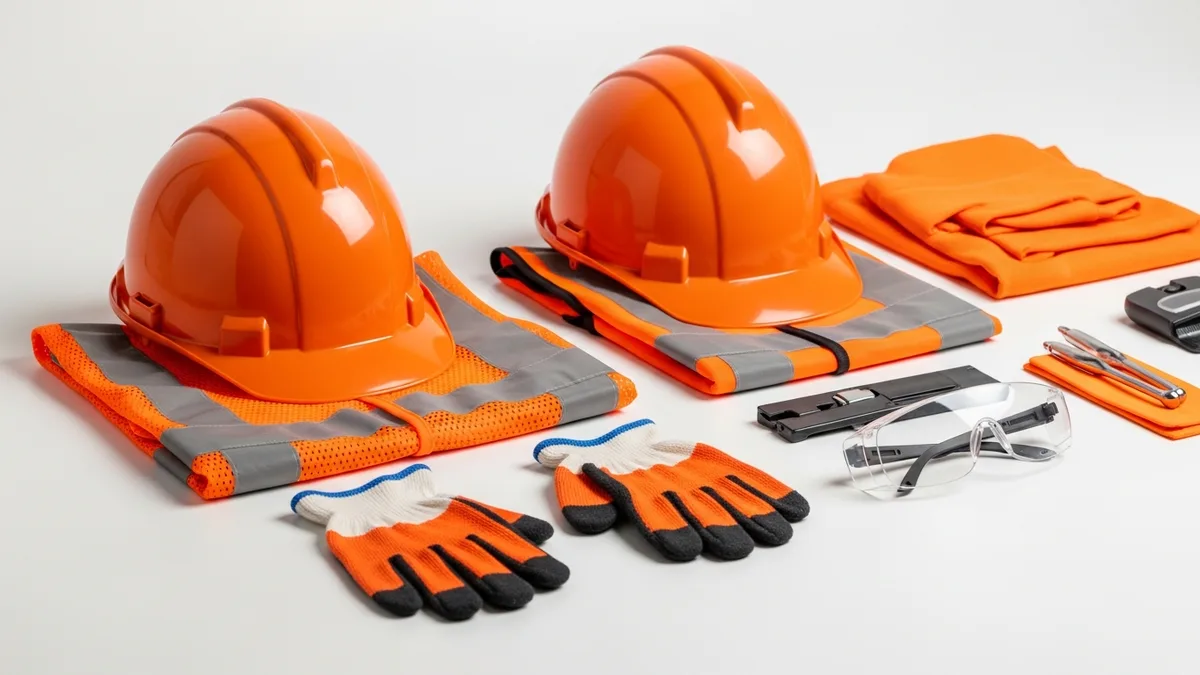
If your crews work at height, aerial lifts and boom lifts are probably part of your daily routine. These machines make it possible to reach building facades, install curtain wall and storefront glazing systems, run electrical, and handle dozens of other tasks that would otherwise require scaffolding or ladders. But they also put workers in situations where a single mistake can mean a fatal fall, a tip-over, or an electrocution.
Every year, OSHA investigates dozens of aerial lift fatalities on construction sites. Most of those incidents trace back to the same handful of causes: operators who were never properly trained, lifts that did not get inspected before use, and crews who skipped fall protection because “it was just a quick job.” None of those are acceptable excuses when someone gets hurt.
This guide breaks down what you need to know about aerial lift and boom lift safety, from OSHA requirements to daily inspections to the training your operators actually need. Whether you run a small crew or manage a fleet of lifts across multiple sites, the basics covered here will help you keep people safe and keep your company out of trouble.
Types of Aerial Lifts and Their Specific Risks
Before you can write a solid safety plan, you need to understand the equipment your crews are using. “Aerial lift” is a broad term that covers several different machine types, and each one has its own risk profile.
Boom lifts come in two main varieties. Articulating boom lifts (sometimes called knuckle booms) have jointed arms that can bend around obstacles. Telescoping boom lifts extend in a straight line for maximum reach. Both types put the operator in a bucket or platform at the end of a long arm, which creates a significant tip-over risk if the machine is not on stable ground or if the operator exceeds the rated capacity.
Scissor lifts raise a platform straight up using a crisscross support structure. They are more stable than boom lifts at lower heights, but they can still tip if driven on uneven surfaces or if wind loads push against the raised platform.
Vehicle-mounted lifts are aerial devices mounted on trucks or vans. You see these in utility work, tree trimming, and some facade maintenance. The vehicle itself needs to be properly outrigged and on level ground before the lift goes up.
Personnel lifts and vertical mast lifts are smaller, lighter machines designed for indoor work or tight spaces. They have lower reach but can still cause serious injury if operators fall from the platform or if the machine rolls into an opening.
Each type has different operating procedures, different stability characteristics, and different fall protection requirements. Your construction safety management program needs to account for every type of lift your crews use, not just the most common one.
OSHA Requirements for Aerial Lift Operations
OSHA does not treat aerial lift safety as optional, and neither should you. The primary standards that apply to aerial lifts on construction sites are:
29 CFR 1926.453 covers the design, modification, and operation of aerial lifts. This standard requires that lifts be operated according to the manufacturer’s instructions and that only trained personnel operate the equipment. It also prohibits modifications to the lift unless approved by the manufacturer.
29 CFR 1926.502 covers fall protection requirements. For boom-type lifts, OSHA requires a full body put to work with a lanyard attached to the boom or basket. This is not negotiable. Tying off to an adjacent structure instead of the lift itself is a common violation that inspectors catch regularly.
29 CFR 1926.454 covers training requirements for scaffold and aerial lift operators. Employers must ensure that every person who operates an aerial lift receives training on the specific hazards associated with that equipment.
Beyond these specific standards, the General Duty Clause (Section 5(a)(1) of the OSH Act) requires employers to provide a workplace free of recognized hazards. If you know your crew is using aerial lifts unsafely and you do nothing about it, you are exposed even if no specific standard addresses the exact situation.
A few requirements that trip up contractors on a regular basis:
- Lifts cannot be moved with workers in the raised platform unless the manufacturer’s manual specifically allows it
- Outriggers must be deployed on surfaces that can support the load
- Workers cannot stand on the guardrails or use ladders or planks to gain additional height from the platform
- The lift area below must be barricaded or monitored to protect people on the ground from falling objects
If your company needs a refresher on the broader compliance picture, our OSHA compliance guide for contractors covers the full framework including record-keeping, posting requirements, and how to handle inspections.
Pre-Use Inspections That Actually Prevent Incidents
A walkaround inspection before every shift is not just a compliance checkbox. It is the single most effective way to catch mechanical problems before they put someone in danger. The problem is that most operators either rush through it or skip it entirely.
Here is what a proper pre-use inspection looks like:
Ground-level visual check:
- Tires or tracks for damage, proper inflation, or missing lug nuts
- Hydraulic hoses and fittings for leaks, cracks, or abrasion
- Structural components for cracks, bends, or weld failures
- Safety decals and load capacity labels are readable
- Guardrails, gates, and platform floor are secure and undamaged
- Outriggers and stabilizers operate correctly and pads are present
Function test (with platform lowered):
- All controls operate smoothly in every direction
- Emergency stop and emergency lowering system work
- Horn and any warning lights function
- Brakes hold on a slope
Raised function test:
- Raise the platform a few feet and test all boom functions
- Check for unusual noises, jerky movements, or sluggish response
- Verify the platform stays level as the boom extends
Document everything. A daily inspection log protects your company if OSHA shows up and protects your operators by catching problems early. If your team tracks equipment across multiple sites, a construction equipment tracking system can help you centralize inspection records and maintenance history so nothing falls through the cracks.
Any deficiency found during inspection means the lift goes out of service until repairs are made. No exceptions. A slow hydraulic cylinder or a frayed wire rope is not something you “keep an eye on” through the shift.
Operator Training That Goes Beyond the Basics
Thousands of contractors have made the switch. See what they have to say.
OSHA requires training, but the standard is a floor, not a ceiling. If your training program consists of a 20-minute video and a signature on a form, you are not preparing your operators to handle real conditions on a construction site.
Effective aerial lift training covers three areas:
Classroom instruction should include the types of aerial lifts and their operating characteristics, relevant OSHA standards, hazard recognition (electrical lines, ground conditions, wind, overhead obstructions), fall protection requirements, and emergency procedures. This is where operators learn the “why” behind the rules.
Hands-on demonstration puts operators in the seat under supervision. They should practice ground-level controls, improved operations, maneuvering around obstacles, emergency lowering procedures, and proper positioning on uneven terrain. Every operator should demonstrate competence on the specific type of lift they will be using. Training on an articulating boom does not qualify someone to operate a telescoping boom without additional instruction.
Evaluation and documentation means a qualified person observes the operator and confirms they can safely operate the equipment. Keep records of who was trained, when, on what equipment, and who conducted the evaluation. These records are the first thing OSHA asks for after an incident.
Retraining is required when an operator is involved in an incident or near-miss, when a new type of equipment is introduced, when you observe unsafe operation, or when workplace conditions change significantly.
Your construction safety training program should integrate aerial lift training into the broader framework so operators understand how lift safety connects to fall protection, electrical safety, and site-specific hazard plans.
One more thing: rental equipment is not an excuse to skip training. If you rent a boom lift for a two-week project, every operator on your crew who will use that machine needs training on that specific model before they touch the controls. The rental company might offer a quick orientation, but the legal responsibility sits with you as the employer.
Common Aerial Lift Hazards and How to Control Them
Knowing the hazards is one thing. Having a plan to control them is what separates safe operations from incident reports. Here are the hazards that cause the most aerial lift injuries and fatalities, along with practical controls.
Electrocution from overhead power lines is the leading cause of aerial lift fatalities. Boom lifts can reach heights where contact with energized lines is possible, and the operator may not see the lines from the platform. Controls include maintaining a minimum 10-foot clearance from power lines (more for higher voltages), using a spotter when working near lines, contacting the utility company to de-energize or shield lines before work begins, and treating all overhead lines as energized unless confirmed otherwise by the utility. Our construction electrical safety guide goes deeper into working near energized systems.
Tip-overs happen when the lift is on soft, uneven, or sloped ground, when the operator exceeds the rated platform capacity, when wind loads push against the raised platform, or when the boom is extended over an edge or drop-off. Controls include assessing ground conditions before setup, using outriggers and cribbing on soft ground, monitoring wind speed and lowering the platform when gusts exceed manufacturer limits (typically 28 to 30 mph for most boom lifts), and never exceeding the rated load capacity including the weight of tools, materials, and all personnel on the platform.
Falls from the platform result from operators climbing on guardrails, not using fall protection, being ejected during sudden movements, or platform gate failures. The control is straightforward: full body use with a short lanyard attached to the designated anchor point on the lift, every single time. On boom lifts, this is mandatory under OSHA. On scissor lifts, check the manufacturer’s requirements and your site-specific safety plan.
Struck-by and crushing hazards affect both the operator and ground-level workers. The platform can pin an operator against an overhead structure, or tools and materials can fall from the platform onto workers below. Controls include planning the lift path before raising the platform, establishing a barricaded drop zone below the work area, using tool lanyards for hand tools, and keeping materials secured on the platform.
Mechanical failure during operation can leave workers stranded at height or cause uncontrolled lowering. This is why pre-shift inspections and a solid equipment maintenance program matter so much. Emergency lowering procedures should be practiced regularly, and ground-level rescue plans should be in place before anyone goes up.
Building a Lift Safety Program That Holds Up on Every Jobsite
Individual training sessions and inspection checklists are important, but they need to fit inside a larger safety program that your whole company follows consistently. Here is how to build one that works.
Written procedures should cover every aspect of aerial lift use on your projects. This includes site assessment requirements before a lift is brought on-site, operator qualification standards, daily inspection protocols, fall protection requirements by lift type, weather and wind limitations, emergency response and rescue plans, and incident reporting procedures. These procedures become part of your construction safety plan and should be reviewed at least annually.
Site-specific planning is critical because every jobsite is different. Before a lift shows up, someone needs to assess the ground conditions, identify overhead hazards (power lines, piping, structural members), plan travel routes for the lift, verify that the lift type and size match the work requirements, and confirm that ground-level workers are protected from the drop zone. This assessment should be documented and communicated to the lift operators during the pre-work briefing.
Toolbox talks and safety meetings keep aerial lift safety in front of your crews on a regular basis. Dedicate at least one safety meeting per quarter specifically to aerial lift operations, and hold brief pre-task discussions before any lift work on a new site or a new phase of work.
Incident investigation and near-miss reporting close the loop on your safety program. When something goes wrong or almost goes wrong, document what happened, figure out the root cause, and adjust your procedures. Near-misses are free lessons. Fatal incidents are not.
Technology and tracking can reduce the administrative burden of managing a lift safety program. The right construction safety software handles digital inspection forms, operator qualification tracking, and equipment maintenance records that are easier to manage and harder to lose than paper logs. If you are running multiple projects with multiple lifts, having everything in one system means you can spot trends, verify compliance, and respond to audits without digging through filing cabinets.
Curious how this looks in practice? Schedule a demo and we will show you.
Real Aerial Lift Accidents and What They Teach Us
Reading OSHA fatality reports is not fun, but it is one of the best ways to learn what goes wrong on real jobsites. Here are several incidents pulled from public investigation records that every contractor should study with their crews.
Boom lift tip-over on unprepared ground. A painting contractor was using a 60-foot articulating boom lift to finish exterior work on a commercial building. The lift was set up on a gravel lot that had been rained on the night before. As the operator extended the boom to full reach, the outrigger pad sank into the softened ground and the entire machine tipped. The operator was ejected from the basket and died on impact. The investigation found that no ground assessment had been conducted before setup and the operator had not been trained on ground condition evaluation. A five-minute walk around the site could have prevented the whole thing.
Electrocution during roofing work. A roofing crew was using a telescoping boom lift to access a flat roof on a strip mall. The operator raised the boom and made contact with a 7,200-volt power line running above the building. The operator was killed instantly and a ground worker who touched the machine received severe burns. The crew had not contacted the utility to identify line locations, no spotter was assigned, and the pre-task planning did not include an overhead hazard assessment. This type of incident happens multiple times every year across the country, and it is almost always preventable with basic planning.
Crushing between platform and structure. An HVAC technician was using a scissor lift inside a warehouse to install ductwork near the ceiling. While repositioning the lift with the platform raised, the operator drove the platform into a steel beam. The guardrail caught the beam and the operator was pinned between the controls and the beam, resulting in fatal crush injuries. The investigation found that the operator had not been trained on that specific lift model and was not aware that the drive controls were active while the platform was raised. The building owner had not flagged the low-clearance beams as a hazard during the pre-work walkthrough.
Fall from platform without fall protection. A worker on a 45-foot boom lift was reaching over the guardrail to attach a bracket to an exterior wall. He was not wearing a harness. The boom shifted slightly as hydraulic pressure adjusted, and the worker lost his balance and fell to the concrete below. He survived but sustained a traumatic brain injury and multiple fractures. His employer received a willful violation citation from OSHA because other workers on the same site confirmed that harness use was not enforced. The fine exceeded $150,000.
Untrained operator on a rented lift. A general contractor rented a boom lift for a two-day concrete form stripping job. Rather than waiting for the trained operator to arrive the next morning, the foreman asked a laborer to move the lift into position. The laborer had never operated a boom lift before. He raised the platform, misjudged the swing radius, and struck a partially erected concrete wall, which collapsed onto two workers below. One worker was hospitalized for three weeks. The rental agreement clearly stated that only trained operators should use the equipment, but nobody on site had read it.
Every one of these accidents shares common threads: skipped inspections, missing training documentation, poor pre-task planning, and a culture where “getting it done” outweighed doing it safely. When you review incidents like these with your crew during safety training sessions, the lessons stick in a way that reading a regulation never will.
Aerial Lift Safety Considerations by Industry
Aerial lifts show up on all kinds of jobsites, and the hazards shift depending on the type of work being performed. A one-size-fits-all safety approach misses the specific risks that different trades face. Here is how aerial lift safety plays out across several common industries.
Commercial Construction
Commercial projects typically involve multiple trades working in close proximity, often at different elevations simultaneously. Boom lifts may be operating near steel erection crews, concrete pours, and curtain wall installers all on the same site. The biggest challenges here are coordinating lift movements with crane operations, managing congested ground-level traffic around lift bases, and ensuring that one trade’s lift work does not create a struck-by hazard for another crew working below. A solid construction project management platform helps coordinate these overlapping activities so that lift operations are scheduled and communicated across all trades on site.
Residential Construction
Residential builders use aerial lifts less frequently than commercial contractors, but when they do, the risks are often higher because the crews have less experience with the equipment. Siding installers, painters, and gutter contractors are the most common users. Residential sites tend to have softer ground, sloped driveways, landscaping obstacles, and tighter access than commercial sites. Operators need to pay extra attention to ground conditions and overhead utilities, which run closer to buildings in residential neighborhoods. If your residential crews only use lifts a few times a year, refresher training before each use is a smart practice.
Electrical and Utility Work
Lineworkers and electrical contractors face the highest electrocution risk of any aerial lift users. Vehicle-mounted bucket trucks are the standard equipment, and operators routinely work within arm’s reach of energized conductors. These crews need specialized training that goes well beyond basic OSHA requirements, including minimum approach distances for different voltage levels, proper use of insulated tools and personal protective equipment, and detailed lockout/tagout procedures when de-energizing lines. Utility companies typically have their own aerial lift safety programs that exceed OSHA minimums, and subcontractors working on utility projects need to meet those standards.
Warehouse and Industrial Maintenance
Indoor lift use brings a different set of hazards. Scissor lifts and vertical mast lifts are common in warehouses, manufacturing plants, and distribution centers. The primary risks include driving into racking systems or fixed structures, working near overhead conveyors or piping, operating on smooth concrete floors where the machine can slide, and exposure to fumes or poor ventilation when using fuel-powered lifts indoors. Electric lifts are the standard choice for indoor work, and operators need to be trained on the specific clearance limitations of the facility. Many warehouse operators require a separate site orientation before any aerial lift work begins.
Telecommunications and Data Centers
Tower climbers and telecom installers use boom lifts for antenna installations, cable runs, and equipment mounting on structures that are too short for full tower climbing rigs but too tall for ladders. These sites often have RF (radio frequency) exposure hazards that are not present on typical construction jobs. Operators need to understand RF safety zones and coordinate with site managers to ensure that transmitters are powered down or that safe distances are maintained during lift operations. Data center construction projects also involve lifts for overhead cable tray and HVAC installation in facilities with strict cleanliness and access control requirements.
Painting and Coating
Paint contractors are among the heaviest users of aerial lifts, especially boom lifts for exterior building work. The specific hazards for this trade include working at full boom extension for long periods (increasing fatigue and tip-over risk), using spray equipment that adds weight to the platform and creates overspray that can obscure vision, wind sensitivity when applying coatings (painters tend to push wind limits because rescheduling costs money), and chemical exposure from coatings and solvents in the enclosed platform space. Paint crews should track wind conditions hourly when working at height and have clear stop-work thresholds that the foreman enforces without exceptions.
Tree Care and Landscaping
Arborists and tree service companies rely heavily on vehicle-mounted bucket trucks and occasionally rent boom lifts for large removals. The hazards are unique: operators work near limbs that are under tension, cutting operations generate falling debris that can strike the lift or bystanders, and the work often happens near residential power lines. Tree care lifts frequently set up on soft lawns, gravel shoulders, and sloped terrain that requires careful outrigger placement. Many tree care fatalities involve contact with overhead power lines while positioning the bucket, often because the operator was focused on the tree and lost awareness of the line location. Spotters are not optional in this trade.
Bridge and Infrastructure Maintenance
State DOTs and bridge contractors use under-bridge inspection platforms, snooper trucks, and boom lifts for maintenance work on overpasses, retaining walls, and other infrastructure. These operations happen alongside live traffic, which adds struck-by risk from vehicles in addition to the standard aerial lift hazards. Work zone setup, traffic control coordination, and high-visibility equipment are all part of the safety equation. Wind exposure on bridges and elevated highway structures is typically more severe than at ground level, and operators need site-specific wind thresholds rather than relying on the generic manufacturer limits.
No matter what industry you are in, the fundamentals stay the same: train your people, inspect the equipment, plan the work, and enforce the rules. The details of how you apply those fundamentals should reflect the specific hazards your crews face every day. If you need help building out a safety program that matches your trade, our OSHA compliance guide walks through the regulatory framework that applies across all construction sectors.
Creating an Aerial Lift Safety Program From Scratch
If your company does not have a formal aerial lift safety program, or if your current program is a dusty binder that nobody has opened since it was written, here is a step-by-step approach to building one that actually works on your jobsites.
Step 1: Inventory Your Equipment and Usage
Start by listing every aerial lift your company owns or regularly rents. For each machine, document the make, model, and year, the maximum platform height and capacity, the type (boom, scissor, vehicle-mounted, vertical mast), and which projects and trades use it. This inventory tells you the scope of your program. If you only use scissor lifts indoors, your program looks very different than if you run a fleet of 60-foot boom lifts on exterior commercial projects.
Step 2: Identify Your Hazards
Walk your active jobsites and document every hazard related to aerial lift use. Talk to your operators and foremen about what they actually encounter, not just what you think the hazards are. Common findings include overhead power lines within working radius of lift positions, soft or sloped ground at staging areas, congested work zones where lifts operate near other equipment, overhead obstructions that create crush points, and weather exposure at height. Map these hazards to specific sites and lift types so your controls are targeted, not generic.
Step 3: Write Your Procedures
Your written program should cover operator qualification and training requirements (who can operate, what training they need, how often they recertify), pre-shift inspection procedures with a standardized checklist, fall protection requirements by lift type, site assessment requirements before a lift is positioned, weather and wind limitations with specific thresholds, emergency response and rescue procedures, and incident and near-miss reporting processes. Keep the language direct and practical. If your operators cannot understand the procedures without a safety professional translating, rewrite them. The best safety programs read like instructions from a foreman, not a lawyer.
Step 4: Train Everyone
“Everyone” means every person who operates a lift, every person who supervises lift operations, and every person who works in areas where lifts are operating. Operators get the full training package: classroom, hands-on, and evaluation. Supervisors need to understand the program well enough to enforce it and to recognize unsafe conditions. Ground-level workers need to know the drop zone rules and what to do if they see a problem. Build your aerial lift training into your broader safety training program so it does not exist as a standalone topic that gets forgotten between sessions.
Step 5: Implement Daily Documentation
Paper checklists work, but they get lost, damaged, and stuffed into glove boxes where nobody looks at them. Digital inspection forms that your operators complete on a phone or tablet before each shift are easier to track, easier to audit, and harder to fake. The right construction management software lets you build custom inspection checklists, attach photos of deficiencies, route failed inspections to maintenance automatically, and pull compliance reports when you need them. Whatever system you use, the key is consistency. Every operator, every shift, no exceptions.
Step 6: Audit and Improve
Your safety program is not finished when you publish it. Schedule quarterly reviews where you look at inspection completion rates, training records and upcoming recertification dates, incident and near-miss reports, changes in equipment or project types that require procedure updates, and feedback from operators and supervisors. Adjust the program based on what you find. A safety program that never changes is a safety program that stopped paying attention to the work.
Pre-Operation Inspection Checklists by Lift Type
We covered the general pre-use inspection earlier in this guide, but different lift types have specific items that operators need to check. Here are detailed checklists broken out by equipment category that you can adapt for your own program.
Boom Lift Inspection Checklist (Articulating and Telescoping)
Before starting the engine or powering on:
- Walk the full perimeter and check for fluid leaks under the machine
- Inspect all tires for cuts, bulges, proper inflation, and secure lug nuts
- Check the turntable and slew ring for visible damage or debris
- Inspect the boom sections for dents, cracks, or bent members
- Examine all hydraulic cylinders for leaks, scoring, or rod damage
- Verify that all safety decals and capacity placards are legible
- Check the platform guardrails, midrails, and toeboards for secure attachment
- Confirm the platform gate or chain is functional and latches properly
- Inspect the harness anchor point on the platform for damage
- Check the ground control station for damage and verify override functions
After starting the engine (ground level):
- Test all boom functions from the ground controls: raise, lower, extend, retract, swing left, swing right
- Test the platform leveling system (if equipped)
- Verify the emergency stop at the ground station kills all functions
- Test the emergency lowering system (manual pump or gravity valve)
- Check engine oil pressure, hydraulic pressure, and fuel or battery level
- Listen for unusual noises during all movements
After raising the platform (low height test):
- Operate all functions from the platform controls
- Verify smooth, predictable response in all directions
- Test the horn and any audible alarms
- Confirm the platform remains level during boom movements
- Check that all limit switches and cutouts engage properly
Scissor Lift Inspection Checklist
Before powering on:
- Inspect the base frame and scissor arms for cracks, bends, or weld failures
- Check all hydraulic hoses and fittings for leaks
- Inspect the platform deck for damage, holes, or loose sections
- Verify guardrails, midrails, and toeboards are secure
- Check all four wheels or tires for damage and proper inflation
- Confirm the entry gate or chain functions correctly
- Look underneath for fluid leaks or debris caught in the scissor mechanism
- Verify the battery charge level (electric models) or fuel level (engine models)
- Check the pothole protection system (if equipped) for damage to the skirt plates
After powering on:
- Raise the platform a few feet and test the raise and lower functions
- Drive forward and backward at ground level to verify steering and brakes
- Test the emergency stop button on the platform
- Test the emergency lowering valve
- Verify the tilt alarm and cutout function by positioning on a slight slope (if safe to do so)
- Check all indicator lights and gauges
Vehicle-Mounted Lift Inspection Checklist
Vehicle inspection (in addition to standard DOT pre-trip):
- Inspect the outrigger beams for cracks or bending
- Check outrigger pads for damage and confirm they are stored securely
- Inspect the pedestal and turntable mounting bolts
- Examine the boom, knuckle joints, and extension cylinders
- Check the upper and lower control stations for damage
- Verify PTO engagement and disengagement
- Test all boom functions from both control stations
- Confirm the emergency stop and emergency lowering system work
- Inspect the bucket or platform for cracks, loose bolts, and secure guardrails
- Verify the insulation rating if the lift is rated for electrical work
What to Do When an Inspection Fails
When any checklist item fails, the response is simple: tag the machine out of service and do not use it until repairs are completed by a qualified mechanic. Do not jury-rig a fix, do not plan to “watch it through the shift,” and do not let another operator make the call to use it anyway. Document the deficiency, notify your equipment manager, and get a replacement machine to the site. Lost production from swapping a lift is nothing compared to the cost of an incident caused by a known defect.
Tracking inspection results and maintenance follow-ups across your fleet is one of those tasks that gets messy fast on paper. A centralized system where operators submit digital inspections and maintenance teams receive automatic notifications for failed items keeps the loop closed and keeps your equipment safe to operate.
It also helps to standardize your checklists across the company so that every operator, on every site, uses the same process. When a new operator transfers between projects, they should find the same inspection routine waiting for them. Consistency reduces confusion and makes it much harder for someone to claim they did not know what was expected.
One practical tip: print your checklists on waterproof cards and attach them to the lift with a cable tie as a backup to your digital system. When a phone dies or a tablet gets left in the truck, operators can still run through the physical checklist and log the results later. The goal is zero excuses for skipping the inspection, regardless of what technology is or is not available that morning.
For companies running large fleets or managing lifts across multiple states, consider building an aerial lift equipment database that tracks not just daily inspections but also annual certifications, manufacturer recall notices, and rental return condition reports. This level of documentation pays for itself the first time you face a liability claim or an OSHA audit that digs into your equipment maintenance history.
Aerial Lift Rental vs. Ownership: What Makes Sense for Your Business
Most contractors face this question at some point: do you keep renting lifts project by project, or does it make sense to buy? The answer depends on how often you use them, what types of work you do, and how much overhead you want to carry.
When renting makes sense:
If your company uses aerial lifts on fewer than half of your projects, renting is almost always the better financial move. Rental rates for a 40-foot boom lift typically run between $800 and $2,500 per week depending on your market and the time of year. A scissor lift is cheaper, usually $400 to $1,200 per week. Those numbers sound high until you compare them to the purchase price of a new boom lift, which can easily run $50,000 to $150,000 depending on reach and features.
Renting also means you are not responsible for long-term maintenance, storage, annual inspections, or insurance on the machine when it is sitting idle between jobs. For a contractor who needs a lift for a three-week facade project twice a year, the math on ownership rarely works out.
The trade-off is that rental availability can be tight during busy season. If your market heats up in spring and every contractor in town needs a 60-foot boom, you may find yourself on a waiting list or paying premium rates. Planning ahead and building rental lead times into your project scheduling process helps avoid last-minute scrambles that blow your budget.
When ownership makes sense:
If your crews use lifts on most projects, or if you specialize in work that requires aerial access (exterior painting, curtain wall installation, signage, facade maintenance), owning your equipment can save you serious money over time. A boom lift that costs $80,000 to purchase but would cost $2,000 per week to rent pays for itself in less than a year of steady use.
Ownership also gives you control over maintenance and condition. You know the history of your own machine. You know it was inspected this morning by your operator, not last Tuesday by someone at the rental yard. That level of control matters when you are putting workers 50 feet in the air.
The downsides of ownership are real, though. You need a place to store the equipment when it is not on a job. You need a maintenance program and qualified mechanics. You carry the insurance cost year-round. And when the machine reaches the end of its useful life or a newer model offers better reach and safety features, you are stuck with the depreciation.
A middle ground: long-term rental agreements
Some rental companies offer monthly or project-length rates that split the difference between spot rentals and ownership. If you have a six-month commercial project that needs two boom lifts the entire time, a long-term rental with a maintenance agreement baked in can give you ownership-level availability without the capital outlay. Negotiate these agreements before the project starts, not after you have already mobilized and have no bargaining position.
Tracking costs either way
Whether you rent or own, you need to track what aerial lifts cost you on each project. Rental invoices, fuel costs, maintenance expenses, operator training hours, and insurance allocations all factor into your true cost per lift-hour. If you are not tracking these numbers, you are bidding future work with incomplete information. A construction job costing system that captures equipment costs by project gives you the data you need to price your next bid accurately.
Weather and Seasonal Factors That Affect Lift Operations
Weather kills people on aerial lifts every year, and it almost always happens because someone decided the conditions were “good enough” to keep working. Having clear, written weather policies for lift operations is not overkill. It is a basic part of running a safe operation.
Wind is the biggest weather threat. Most boom lift manufacturers set a maximum operating wind speed of 28 mph, and many set it lower for machines at full extension. The problem is that ground-level wind speed and wind speed at 60 feet are not the same thing. Wind speeds increase with height, and gusts can be significantly stronger than sustained winds. A 20 mph breeze at ground level can easily mean 30+ mph gusts at the platform.
Invest in a portable anemometer and take readings at regular intervals during the shift, not just at the start of the day. When gusts exceed your threshold, bring the platform down. Period. No amount of schedule pressure justifies operating a boom lift in high winds. The operator in the basket is the one who pays the price if the machine tips, not the project manager who pushed to keep working.
Rain and wet conditions affect both traction and ground stability. Scissor lifts on wet concrete can lose traction during drive operations. Boom lifts on unpaved surfaces can sink into saturated soil, especially after extended rain. Controls on the platform become slippery, and visibility drops. Light rain may be workable depending on the task, but heavy rain or thunderstorms are automatic stop-work conditions.
Cold weather introduces its own set of problems. Hydraulic fluid thickens in cold temperatures, which makes lift movements sluggish and less predictable. Battery-powered lifts lose capacity in freezing conditions, which can reduce operating time significantly. Ice on the platform deck creates a slip hazard for the operator, and frost on guardrails makes them harder to grip. Operators working in cold weather also deal with reduced dexterity from gloves and bulky clothing, which affects their ability to operate controls precisely.
If your crews work through winter, your pre-shift inspection should include checking for ice accumulation on the platform, boom, and controls. Allow extra warm-up time for hydraulic systems before putting the lift into full operation. And make sure operators know that cold weather reduces their reaction time and increases the consequences of any mistake.
Heat and sun exposure affect the operator more than the machine. Workers on elevated platforms in direct sun during summer months are at high risk for heat-related illness. The platform offers no shade, reflected heat from building surfaces can push temperatures even higher, and dehydration sets in fast when you are focused on the work. Schedule lift operations for early morning or late afternoon during extreme heat. Require water on the platform. And train operators and ground crews to recognize heat exhaustion symptoms in themselves and in each other.
Lightning is a non-negotiable stop-work condition. An aerial lift, especially a boom lift at full extension, is essentially a lightning rod. If thunder is audible or lightning is visible, lower the platform immediately and move workers away from the machine. Do not wait for the storm to arrive. The 30-30 rule (if the time between flash and thunder is 30 seconds or less, take shelter; wait 30 minutes after the last flash to resume) is a simple standard that many construction companies use.
Seasonal planning considerations: If you know your project will run through winter or storm season, build weather delays into your schedule from the start. Trying to make up lost days by operating lifts in marginal conditions is how incidents happen. A realistic schedule that accounts for weather is cheaper than an OSHA investigation and a workers’ comp claim.
Rescue Planning: What to Do When Something Goes Wrong at Height
Having a rescue plan is not the same as having a plan that works. Too many contractors satisfy the OSHA requirement by writing “call 911” on a piece of paper and filing it away. That is not a rescue plan. That is a phone call. And by the time the fire department arrives, sets up, and reaches your worker, the outcome may already be determined.
Why self-rescue capability matters:
When a worker is injured or incapacitated on an aerial lift platform, time is critical. If they are suspended in a harness after being ejected from the platform (which is exactly what the harness is designed to do), they are at risk of suspension trauma. Blood pooling in the legs of a suspended worker can cause unconsciousness within minutes and organ failure shortly after. Waiting 15 to 30 minutes for emergency services is not acceptable when suspension trauma is a factor.
Your rescue plan needs to account for two scenarios: a worker who is conscious and can assist in their own rescue, and a worker who is unconscious and cannot.
Ground-level rescue using emergency lowering controls:
Every aerial lift has an emergency lowering system accessible from the ground. On most boom lifts, this is a manual hydraulic pump or a gravity-lowering valve at the base of the machine. On scissor lifts, it is typically a manual lowering valve near the base. Every person on the jobsite who works near aerial lifts should know where these controls are and how to operate them. Not just the operators. Ground crews, laborers, anyone who might be the first person to respond.
Practice the emergency lowering procedure at least once per quarter. Time it. If it takes your crew more than a few minutes to locate the controls and bring the platform down, you have a training gap that needs to be closed.
Elevated rescue:
If the emergency lowering system fails (mechanical failure, electrical fault, or structural damage to the lift), you need a secondary rescue method. Options include a second aerial lift positioned to access the stranded worker, a rescue descent device that allows a trained rescuer to reach the platform from an adjacent structure, or a rope rescue system operated by workers trained in industrial rope access. Each of these methods requires specific equipment, training, and practice. You cannot buy a rescue kit, throw it in the gang box, and expect it to work when someone’s life depends on it.
Rescue plan documentation:
Your written rescue plan should include the specific rescue methods available for each type of lift on the project, the names of trained rescue personnel on each shift, the location of rescue equipment, emergency contact numbers for local fire and EMS with response time estimates, and the procedures for activating the rescue plan. Review the plan with your crew during the project kickoff and again any time there is a change in equipment, personnel, or site conditions.
Coordination with local emergency services:
Before work begins, especially on projects in rural areas or on sites with limited access, contact your local fire department. Tell them what equipment you are using, what heights you are working at, and what access points are available for their apparatus. Some fire departments will do a site visit and pre-plan their response. This takes 30 minutes of your time and could save someone’s life.
If your jobsite is in an area where emergency response times exceed 10 minutes, your self-rescue capability becomes even more critical. Do not rely on a response time that you have not verified. Call the station, ask, and plan accordingly.
Aerial Lift Insurance, Liability, and Documentation for Contractors
Safety is the right thing to do, and it also protects your business from financial exposure that can shut you down. Aerial lift incidents generate some of the largest workers’ compensation claims and third-party lawsuits in the construction industry because the injuries tend to be severe or fatal. Your insurance program and documentation practices need to reflect that reality.
Workers’ compensation implications:
Every aerial lift injury results in a workers’ comp claim, and the severe ones (falls, crush injuries, electrocutions) generate claims that can run into hundreds of thousands of dollars or more. Your experience modification rate (EMR) is directly affected by the frequency and severity of your claims. A single fatal aerial lift accident can push your EMR above 1.0 for years, which increases your premiums and can disqualify you from bidding on projects that require a clean safety record.
Keeping your EMR low requires preventing incidents in the first place, which is everything else in this guide. But it also means managing claims effectively when they do happen: prompt reporting, thorough investigation, return-to-work programs, and cooperation with your insurance carrier’s claims team.
General liability and third-party exposure:
If your aerial lift drops a tool on a pedestrian, tips over onto a client’s building, or damages underground utilities while being transported, your general liability policy responds. But your policy has limits, and aerial lift incidents can exceed those limits quickly. Review your coverage annually with your insurance broker and make sure your per-occurrence and aggregate limits are adequate for the types of lifts you operate and the heights you work at.
If you use subcontractors who operate aerial lifts on your projects, verify that they carry their own insurance and that their coverage meets your contract requirements. Do not assume that your policy covers a sub’s aerial lift incident. It probably does not, and sorting out the coverage after someone is hurt is an expensive mess.
Rental equipment insurance:
When you rent an aerial lift, the rental agreement typically includes a damage waiver option. Read the fine print. Some damage waivers exclude tip-overs, which is one of the most common types of rental lift damage. Your inland marine or equipment floater policy may provide better coverage than the rental company’s waiver, but you need to confirm that rented equipment is covered under your policy before you decline the waiver.
If the rental lift is involved in an incident that injures one of your workers or a third party, the liability analysis gets complicated quickly. The rental company, your company, and potentially the lift manufacturer all have potential exposure. Having clean documentation of the pre-rental condition, your operator’s training records, and your daily inspections protects your position if litigation follows.
Documentation that protects you:
In any aerial lift incident, the first thing an attorney, an OSHA investigator, or an insurance adjuster asks for is documentation. They want to see operator training records with dates, trainer qualifications, and equipment-specific certifications. They want daily inspection logs for the lift involved in the incident. They want your written safety program and evidence that it was communicated to the crew. They want maintenance records showing the lift was properly serviced. And they want the site-specific safety plan that addresses aerial lift hazards for that project.
If you cannot produce these documents, you lose. It does not matter if your operator was actually trained and the lift was actually inspected. Without the records, you cannot prove it, and the assumption goes against you.
This is one of the strongest arguments for moving your safety documentation to a digital platform. Paper records get lost in truck cabs, damaged by weather, and stuffed into filing cabinets where they cannot be found six months later when the lawsuit arrives. A construction project management system that stores inspection logs, training records, and safety documents digitally means you can pull what you need in minutes, not days. When the OSHA compliance officer shows up on your jobsite and asks for your aerial lift inspection records from the past 90 days, you want to hand them a clean report, not a shoebox full of crumpled checklists.
Contractual requirements:
Many general contractors and project owners now include specific aerial lift safety requirements in their subcontract agreements. These may include minimum operator training standards that exceed OSHA requirements, specific lift types or models approved for the project, daily inspection documentation submitted to the GC’s safety department, proof of insurance with the GC named as additional insured, and pre-task planning requirements for every lift operation. Read your contracts carefully and build compliance into your project planning. Failing to meet a contractual safety requirement can get you removed from a project, and it gives the GC an argument to back-charge you for delays caused by your non-compliance.
Running a construction company means balancing production with safety every single day. Aerial lifts and boom lifts are powerful tools that let your crews work faster and reach areas that would otherwise require expensive scaffolding setups. But that speed and convenience come with real risk. The contractors who take lift safety seriously, who invest in proper training, who enforce daily inspections, and who build safety into every project plan, are the ones who keep their workers healthy and their businesses running. The shortcuts are never worth it.
Frequently Asked Questions
What OSHA standard covers aerial lift safety?
Do aerial lift operators need certification?
What is the difference between a boom lift and a scissor lift?
How often should aerial lifts be inspected?
Can you wear a use instead of a lanyard on a boom lift?
Related Articles
Construction Fire Watch: When You Need One and How to Run It Right
Fire watch is one of those requirements that catches GCs off guard until an inspector shows up or, worse, a fire breaks...
Read More →
Construction Emergency Response Plans: A Contractor's Complete Guide
Every construction site needs a solid emergency response plan before the first shovel hits dirt. This guide walks you...
Read More →
Construction Heat Illness Prevention: How to Keep Your Crews Safe When Temperatures Climb
Heat illness kills more construction workers than any other weather event. Here's what every contractor needs to know...
Read More →