
Plumbing Rough-In Inspection Tips for GCs
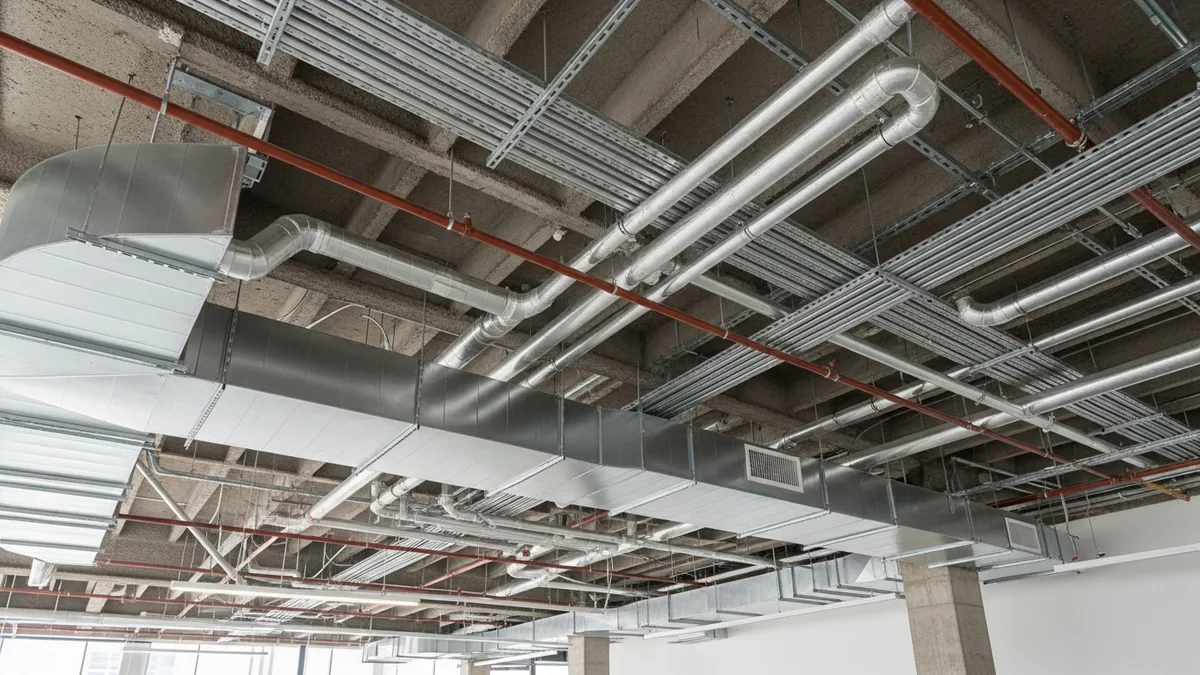
Construction Plumbing Rough-In Inspection Tips for General Contractors
If you have been running jobs for any length of time, you know the rough-in phase is where projects either stay on track or start bleeding time and money. The plumbing rough-in sits right in the middle of that critical window between framing and drywall, and once those walls close up, whatever is behind them stays there.
As a GC, you are not the one sweating pipe or pulling fittings. But you are the one who catches the fallout when something fails inspection, when a drain line is sloped wrong, or when a supply line runs through a structural member it should not touch. Your job is to know enough about what your plumbing sub is doing to keep the project moving and catch problems before they become expensive.
This guide breaks down what to look for during the plumbing rough-in, how to manage your plumbing subs through this phase, and how to avoid the common mistakes that lead to failed inspections and costly rework.
Understanding the Plumbing Rough-In Phase
The plumbing rough-in covers everything that goes inside the walls, under the floors, and above the ceilings before finish work begins. We are talking about supply lines, drain lines, waste lines, vent stacks, and all the connections that tie them together. No fixtures get installed yet. No faucets, no toilets, no sinks. Just the bones of the plumbing system.
For most residential projects, the rough-in happens after framing is complete and before insulation and drywall. On commercial jobs, you might have multiple rough-in phases depending on the building’s complexity. Either way, the sequence matters. Your plumbing rough-in needs to coordinate with electrical rough-in, HVAC rough-in, and any structural work that affects the same wall and floor cavities.
If you have ever dealt with a plumber and an electrician fighting over the same stud bay, you know how important sequencing is. Getting this right starts with your project schedule, and it requires clear communication with every trade on site.
The rough-in is also where the permit process gets real. Your plumbing sub should have pulled permits before any work started. If you are fuzzy on how permits work for your jurisdiction, our construction permits guide covers the process in detail. The inspection that follows the rough-in is a formal checkpoint, and your local building department will not let you move forward until it passes.
Here is the thing most newer GCs miss: you should not wait for the inspector to find problems. By the time the inspector shows up, your plumbing sub should have already done their own quality check, and you should have done your own walkthrough. The inspector is a final confirmation, not your quality control program.
What to Check During Your Pre-Inspection Walkthrough
Before you call for the official inspection, walk the job yourself. You do not need to be a master plumber to spot the common issues that fail inspections. Here is what to look for, system by system.
Drain, Waste, and Vent (DWV) Lines
Start with the DWV system because it is where most failures happen. Drain lines need proper slope to move waste by gravity. The standard is 1/4 inch of fall per foot of horizontal run for pipes 3 inches and smaller, and 1/8 inch per foot for 4-inch pipe. Grab a level or a smartphone app and check a few runs. If the slope looks flat or inconsistent, flag it.
Check every trap arm length. The distance between a fixture’s trap and its vent connection has code limits based on pipe size. A 1-1/2 inch trap arm cannot exceed 6 feet in most codes. If the trap arm is too long, the trap can siphon and lose its water seal, which means sewer gas in the building. This is a common fail point.
Look at the vent system. Every fixture needs a vent, and vents need to rise above the flood level rim of the highest fixture they serve before running horizontally. Wet vents and circuit vents are allowed in many codes, but they have specific sizing and distance rules. If something looks off, ask your plumber to explain the venting strategy. A good plumber should be able to walk you through it without hesitation.
Check all cleanout locations. Codes require cleanouts at specific intervals and at every change of direction. Make sure they are accessible. A cleanout behind a wall with no access panel is useless. On renovation projects where existing sewer lines are in poor condition, trenchless sewer line replacement can save significant time and disruption compared to traditional dig-and-replace methods.
Supply Lines
Supply lines are simpler but still need attention. Check that hot and cold lines are properly separated and labeled. Look at pipe sizing. Undersized supply lines cause pressure problems that your client will complain about for years.
Make sure supply lines are properly supported. Copper needs support every 6 feet on horizontal runs and 10 feet on vertical runs. PEX has different requirements depending on the manufacturer. Unsupported pipes sag, vibrate, and eventually fail.
If the project uses PEX, check that there are no kinks. A kinked PEX line restricts flow and is a defect. Also verify that PEX is not exposed to direct sunlight, which degrades the material. This matters on jobs where the rough-in sits open for weeks before drywall.
Pipe Protection and Clearances
Anywhere a pipe passes through a stud or joist, check for nail plates. Steel nail plates protect pipes from drywall screws and finish nails. If your plumber skipped them, make them go back and install every single one. This is not optional, it is code, and it prevents the kind of leak that shows up six months after closing and destroys a ceiling.
Check clearances from other systems. Plumbing lines should not contact electrical wiring. Hot water lines near electrical should have proper separation. And no pipe should compromise a structural member beyond what the engineer allows. If you see a joist that has been notched too deep or a load-bearing stud with an oversized hole, stop work and get your engineer involved. Our blueprints guide covers how to read the structural details that tell you what is allowed.
Pressure Testing
Your plumbing sub should pressure test the entire system before calling for inspection. DWV systems typically get a water test or air test. Supply lines get a pressure test, usually at 1.5 times the working pressure for a minimum of 15 minutes. Some jurisdictions require longer.
Do not skip this. Do not let your sub skip this. A pressure test catches leaks before they are hidden behind drywall. If you walk the job and see no evidence of testing, send the sub back to do it properly. The inspector will require it anyway, and showing up unprepared wastes everyone’s time.
Common Reasons Plumbing Rough-Ins Fail Inspection
Knowing why inspections fail helps you prevent those failures. Here are the issues that come up over and over again.
Wrong slope on drain lines. This is the number one failure. It looks right to the naked eye, but 1/8 inch over a 10-foot run is barely perceptible. Use a level. Every time.
Missing or incorrect venting. Venting rules are complex, and shortcuts here always get caught. If your plumber tried to wet-vent a bathroom group but got the sizing wrong, it fails.
No nail plates. Inspectors love catching this one because it is so easy to spot and so easy to fix. Just make sure it is done before they show up.
Unsupported pipe. Sagging pipes are obvious and always get flagged. Proper hangers and strapping are cheap. There is no excuse for missing them.
No cleanouts or inaccessible cleanouts. Your plumber knows where these go. If they are missing, it is either a rushed job or a sloppy crew.
Failed pressure test. If the system cannot hold pressure, nothing else matters. Fix the leaks first.
Wrong materials or unapproved fittings. Codes vary by jurisdiction. Some areas do not allow certain types of PEX or specific fitting methods. Your plumber needs to know the local code, not just the national standard.
Pipes through structural members without engineering approval. This is a structural and plumbing issue combined, and it can trigger involvement from your engineer and a correction that affects framing.
Not sure if Projul is the right fit? Hear from contractors who use it every day.
A solid quality control process catches most of these before the inspector ever sets foot on site. Build the walkthrough into your standard workflow and you will pass inspections consistently.
Managing Your Plumbing Subs Through the Rough-In
Your relationship with your plumbing sub during the rough-in sets the tone for the rest of the project. Here is how to manage it without micromanaging.
Set Clear Expectations Before Work Starts
Before your plumber touches a single pipe, make sure you are aligned on the scope, the schedule, and the standards. This means a pre-work meeting where you cover the plans, the spec, any unusual conditions, and the inspection timeline. If there are coordination issues with other trades, address them now.
Your subcontract should spell out who is responsible for permits, inspections, material procurement, and cleanup. If it does not, fix that for next time. Our subcontractor management guide goes deeper on how to structure these relationships so they work for both sides.
Use Photo Documentation
Take photos of the rough-in before drywall goes up. Every wall cavity, every drain run, every vent stack. These photos become invaluable if there is ever a warranty claim, a leak investigation, or a dispute about what was installed.
Better yet, have your plumbing sub take photos as they work and submit them through your project management system. Photo documentation tools make this simple and keep everything organized by project and date. When you can pull up a photo of exactly what is behind a wall from 18 months ago, that is worth its weight in gold.
Coordinate the Schedule Tightly
The rough-in phase is a traffic jam of trades. Plumbing, electrical, HVAC, low voltage, and fire protection all need access to the same spaces at roughly the same time. As the GC, you are the traffic cop.
Build your schedule so trades are not stacking on top of each other. Give your plumber enough time to complete their work and test it before the next trade moves in. If you compress the rough-in window too tight, quality suffers and you end up with failed inspections that cost more time than you saved.
This is where good scheduling software pays for itself. When you can see all your trades mapped out and adjust in real time, you make better decisions about sequencing. If you are still managing this on paper or in spreadsheets, you are making it harder than it needs to be.
Handle Problems Directly
When you find an issue during your walkthrough, bring it to your plumber directly. Do not wait, do not assume they will catch it, and do not let it slide because the inspector might not notice. Inspectors are good at their jobs, and even if one issue slips through, it will cause problems eventually.
Be specific about what you found and what the code requires. “The trap arm on the master bath lavatory looks longer than 6 feet” is a lot more productive than “something looks wrong in the master bath.” Your plumber will respect you more for knowing the specifics, and they will take your walkthroughs more seriously.
Coordinating Plumbing with Other Rough-In Trades
The plumbing rough-in does not happen in isolation. It shares space with electrical, HVAC, and sometimes fire protection. Managing these intersections is one of the GC’s most important jobs during the rough-in phase.
Plumbing and Electrical Coordination
Plumbing and electrical lines often compete for the same wall cavities and floor penetrations. The general rule is that plumbing gets priority because drain lines have slope requirements and cannot be easily rerouted. Electrical is more flexible. But this only works if both trades communicate, and that communication flows through you.
Set up a quick coordination meeting with your plumbing and electrical subs before either one starts. Walk the plans together, identify conflict points, and agree on who goes where. This 30-minute meeting can save days of rework. If you managed the electrical rough-in recently, you already know the drill from our electrical rough-in guide.
Plumbing and HVAC Conflicts
HVAC ductwork is bulky and inflexible. When a 6-inch drain line and a 10-inch duct both need to fit in a floor joist cavity, something has to give. Usually it is the duct that gets rerouted, but not always. Check the mechanical plans and the plumbing plans side by side for conflicts before anyone starts installing.
In commercial work, these conflicts get resolved during the coordination drawing phase. In residential, it often happens in the field, which means it happens too late unless you are paying attention.
Sequence and Timing
Most GCs run plumbing first in the rough-in sequence because of the slope requirements for drains. Plumbing lines cannot be moved easily once they are in place. Electrical and HVAC can typically work around them.
A common sequence looks like this:
- Plumbing rough-in (drains and vents first, then supply)
- HVAC rough-in (ductwork and refrigerant lines)
- Electrical rough-in (wiring and boxes)
- Low voltage (data, security, audio)
- Insulation
- Pre-drywall inspections for all trades
This is not a rigid rule, and your specific project might require a different approach. The point is to have a deliberate sequence and communicate it to every trade, not just hope everyone figures it out on their own.
Setting Yourself Up for a Passed Inspection
Passing the plumbing rough-in inspection is not about luck. It is about preparation, and most of that preparation is process.
Build a Pre-Inspection Checklist
Create a standard checklist that you or your superintendent walks before every plumbing rough-in inspection. Include every item we covered above: slope, venting, nail plates, support, pressure test results, cleanouts, and clearances. Run through it the day before the inspection and give your plumber time to fix anything you flag.
Over time, this checklist becomes part of your company’s DNA. New superintendents learn what to look for, and your plumbing subs learn that you check everything. The quality goes up across the board because everyone knows the standard.
Keep Your Documentation in Order
When the inspector shows up, they want to see the permit on site, the approved plans, and the pressure test results. Have these ready and accessible. Nothing annoys an inspector more than standing around while someone digs through a truck looking for paperwork.
Digital documentation makes this simple. When your permits, plans, photos, and test results all live in one system that you can pull up on a phone, the inspection goes smoothly. This is not about being high tech. It is about being organized.
Know Your Inspector
Every jurisdiction is different, and every inspector has their areas of focus. Some are sticklers for vent sizing. Others zero in on pipe support. Pay attention to what your local inspectors care about and make sure those items are perfect every time.
This does not mean you only fix what the inspector checks. It means you go above the minimum on everything and pay extra attention to the areas that get the most scrutiny in your market.
Plan for Re-Inspections
Even with perfect preparation, sometimes inspections fail. Maybe the inspector interprets a code section differently than your plumber expected, or maybe there is a legitimate deficiency that everyone missed. It happens.
The key is response time. When you get a correction notice, get your plumber back on site that day or the next morning. Fix the issue, document the correction with photos, and schedule the re-inspection immediately. Every day between a failed inspection and a passed re-inspection is a day your schedule slips.
Invest in the Right Tools
Managing all of this, the scheduling, the documentation, the coordination, the inspections, gets complicated quickly, especially when you are running multiple projects. The GCs who pass inspections consistently are the ones with systems in place that keep everything visible and organized.
If you are looking for a project management platform built for contractors who actually build things, take a look at what Projul offers. It is built by contractors, for contractors, and it handles the scheduling, documentation, and communication that make rough-in phases run without drama.
Wrapping It Up
The plumbing rough-in is not glamorous work. Nobody posts Instagram videos of drain slope verification. But getting it right is what separates GCs who run smooth projects from GCs who spend their careers fighting fires.
Know what your plumbing sub is installing. Walk the job before calling for inspection. Document everything with photos. Coordinate with your other trades so nobody is tripping over each other. And build a process that makes quality the default, not the exception.
Want to see this in action? Get a live demo of Projul and find out how it fits your workflow.
The pipes behind the walls are the ones your clients will live with for decades. Make sure they are right before those walls close up.
If you are pricing plumbing work and want a head start on your numbers, check out our free plumbing estimate template with real line items and pricing built in.
Frequently Asked Questions
What is a plumbing rough-in inspection?
How long does a plumbing rough-in inspection take?
Who is responsible for scheduling the plumbing rough-in inspection?
What happens if a plumbing rough-in fails inspection?
Can drywall be installed before the plumbing rough-in passes?
Related Articles
Construction Septic System Installation: What Every GC Needs to Know
Septic systems on rural builds bring unique scheduling, permitting, and soil challenges that can wreck your timeline if...
Read More →
Construction Painting Project Management: Coordinating Interior and Exterior Phases
Painting is one of those trades that touches every other trade on the schedule. Get the sequencing wrong, and you're...
Read More →
Epoxy Flooring and Industrial Coatings: A Contractor's Complete Guide
Epoxy flooring and industrial coatings are high-margin work when you get the process right and a fast way to lose money...
Read More →