
Construction Weather Delay Claims: Documentation & Claims Guide | Projul
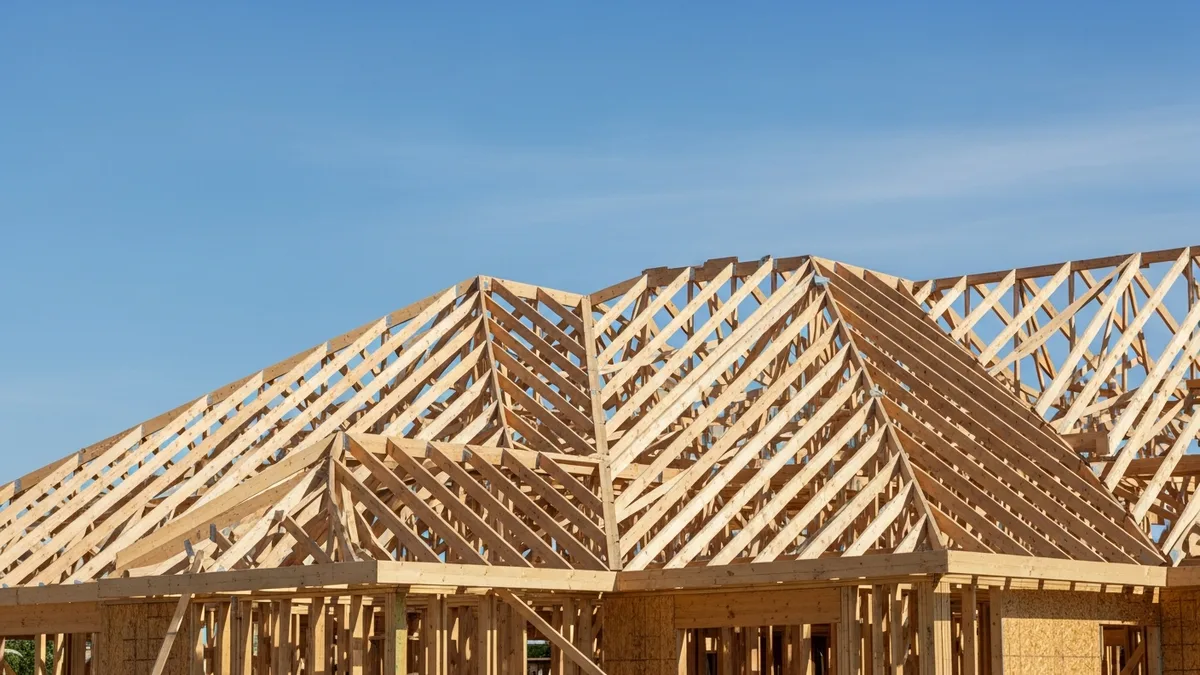
Rain does not care about your project deadline. Neither does snow, extreme heat, or a week of wind gusts that make crane operations impossible. Weather is one of the most common causes of construction delays, and it hits your schedule, your labor costs, and your cash flow all at once.
The problem is not the weather itself. Every contractor knows the sky does not always cooperate. The real problem is that too many contractors lose money on weather delays because they did not document them correctly, missed a notice deadline, or could not prove the delay actually affected their critical path.
This guide breaks down exactly how to handle weather delay claims from start to finish. We will cover what your contract probably says, how to build a paper trail that holds up, how to prove the delay mattered, and how to submit a claim that actually gets approved.
Understanding Weather Delay Provisions in Your Contract
Before a single drop of rain falls on your jobsite, you need to know what your contract says about weather delays. This is where most contractors get tripped up. They assume weather delays are automatically excused, and that is not always the case.
Most construction contracts break delays into three categories:
Excusable and compensable delays are caused by the owner or their agents, and the contractor gets both time and money. Weather rarely falls here unless the contract specifically says so.
Excusable but non-compensable delays are beyond anyone’s control. Weather usually lands in this bucket. You get additional time to finish the project, but you eat the extra costs yourself.
Non-excusable delays are on you. If your contract includes an allowance for “normal” weather days and you burn through them, additional weather delays beyond your baseline may not be excusable at all.
Here is what to look for when reviewing your contract:
- The definition of a “weather day.” Some contracts define it as any day with measurable precipitation. Others set thresholds like half an inch of rain or sustained winds above 30 mph. Some only count days where weather prevents work on the critical path.
- Normal weather allowances. Many contracts include an expected number of weather delay days based on historical averages. Only weather beyond this baseline qualifies for a time extension.
- Notice requirements. Almost every contract requires written notice within a specific window, usually 24 to 72 hours. Miss this and you may lose your claim entirely.
- Documentation standards. Some contracts spell out exactly what records you need to submit. Others are vague. Either way, more documentation beats less.
If you are working under AIA, ConsensusDocs, or EJCDC standard forms, weather is typically treated as an excusable, non-compensable delay. But always read the specific modifications and supplementary conditions. Owners and their attorneys regularly tweak the standard language.
Understanding these provisions before the project starts puts you in a much stronger position. If the weather language is unreasonable, negotiate it during the contract phase, not after you are already underwater.
Building a Bulletproof Documentation System
Documentation is the difference between a weather delay claim that gets approved and one that gets denied. You need records that are detailed, timestamped, and consistent. If it is not written down, it did not happen.
Here is what your documentation system should include:
Daily Logs
Your daily logs are the backbone of any delay claim. Every single day, rain or shine, your field team should record:
- Start and end times for the workday
- Weather conditions at the start of each shift, at midday, and at the end of the day
- Temperature, precipitation type and amount, wind speed, and visibility
- Which crews were on site and what work they performed
- Which crews were sent home or could not start due to weather
- Any equipment that could not operate safely
- Site conditions like standing water, frozen ground, or saturated soil that prevented work even after the weather cleared
The key here is consistency. If you only fill out detailed weather notes on bad days, it looks like you are building a case after the fact. When you record weather conditions every day, including the good ones, your documentation tells a credible story.
Photos and Videos
Take timestamped photos every day. On weather delay days, capture:
- The overall site conditions showing standing water, snow accumulation, or mud
- Specific work areas that cannot be accessed
- Equipment that is idle or unsafe to operate
- Any damage caused by the weather event
- Conditions the following day to show lingering effects
A photo of your flooded excavation with a timestamp is worth more than a paragraph in your daily log. Both together are even better.
Official Weather Records
Your on-site observations matter, but you also need third-party verification. Pull weather data from:
- The National Weather Service for your project location
- Local airport weather stations (these have the most reliable historical data)
- Commercial weather services that provide certified reports for specific GPS coordinates
Keep these records organized by date. When you submit your claim, the ability to match your daily log entries against official weather data makes your case significantly stronger.
Digital Record Keeping
If you are still tracking weather delays on paper or in spreadsheets, you are making this harder than it needs to be. A document management system lets your field team log conditions from their phone, attach photos instantly, and create a searchable, timestamped record that nobody can claim was fabricated after the fact.
Proving Weather Actually Impacted Your Schedule
Here is where most weather delay claims fall apart. It is not enough to show that it rained. You have to prove the rain actually delayed your project. That means connecting the weather event to your critical path.
The Critical Path Test
A weather delay only matters if it affects activities on the critical path of your schedule. If it rained on a Tuesday but your only planned work was interior painting in a building that was already dried in, that rain day does not qualify as a delay.
Read real contractor reviews and see why Projul carries a 9.8/10 on G2.
To prove schedule impact, you need:
A baseline schedule created before the project started, showing the planned sequence of work, durations, and the critical path. If you do not have a baseline schedule, you are already in trouble.
Schedule updates showing how weather events shifted activities on the critical path. This means actually updating your construction schedule after each significant weather event, not just at the end of the project when you are trying to justify your delay claim.
A time impact analysis (TIA) for major weather events. A TIA inserts the delay event into the schedule at the point it occurred and measures the resulting impact on the project completion date. This is the gold standard for proving delay, and it is what most dispute resolution panels and courts expect to see.
Cascading Effects
Weather delays rarely stop at one day. A heavy rain on Monday might mean:
- Tuesday is spent pumping water out of foundations
- Wednesday the soil is still too saturated for concrete trucks
- Thursday you can finally pour, but now your concrete sub has moved to another job and cannot come back until the following Monday
That one rain day just cost you a full week. Document every step of the cascade. Note which activities were directly affected, which were pushed because of resource reallocation, and which subcontractors had to reschedule.
Distinguishing Weather Delays from Other Delays
Owners and their consultants will look for ways to attribute your delay to something other than weather. If you had a material delivery issue the same week it rained, they will argue the delay was really about the late delivery. This is called concurrent delay, and it can reduce or eliminate your weather claim.
Protect yourself by keeping your daily reports detailed enough to separate weather impacts from other issues. If the material was late AND it rained, note both, but be clear about which specific activities were stopped by weather versus which were waiting on materials.
Submitting Your Weather Delay Claim
You have the documentation. You have the schedule analysis. Now you need to package it into a claim that gets results.
Timely Notice
Send written notice as soon as the delay occurs. Do not wait until the end of the month or the end of the project. Your contract almost certainly requires prompt notice, and courts have consistently upheld forfeiture of delay claims when contractors failed to provide timely written notice.
Your initial notice should include:
- The date(s) of the weather event
- A description of the conditions
- Which activities were affected
- A preliminary estimate of the delay impact
- A statement that you are reserving your right to a time extension and any applicable cost recovery
Send it by whatever method your contract requires, usually written letter or email to the owner’s representative. Keep a copy and a delivery confirmation.
The Formal Claim Package
After the initial notice, prepare a formal claim that includes:
- A narrative describing the weather events, their impact on your work, and the resulting schedule delay
- Daily logs for each affected day, showing conditions and work stoppages
- Photos and videos with timestamps
- Official weather data from third-party sources
- Schedule analysis showing the baseline, the as-built progress, and the time impact of each weather event
- Cost documentation if you are seeking compensation beyond a time extension (equipment standby, extended general conditions, labor inefficiency)
- Contract references pointing to the specific provisions that entitle you to relief
Presentation Matters
A claim that is well-organized and clearly presented gets taken seriously. A claim that is a jumbled stack of photocopies does not. Use a clear structure with an executive summary up front, supporting documentation organized by date, and a specific request stating exactly how many days you are claiming and why.
Your project management tools can help here. If your daily logs, photos, schedule updates, and correspondence are already organized in one system, pulling together a claim package takes hours instead of days.
Recovering Costs Beyond Time Extensions
Getting extra time is important, but time alone does not pay your bills. Weather delays cost real money, and you should know what costs you can potentially recover.
Compensable Costs
Even when your contract treats weather as non-compensable, there are situations where you may recover costs:
- Abnormal weather that exceeds historical averages by a significant margin. If your area normally gets 5 rain days in March and you got 18, the argument for cost recovery is stronger.
- Owner-caused acceleration after a weather delay. If the owner grants you a time extension but then demands you meet the original deadline anyway, that forced acceleration is compensable.
- Changes in work caused by weather. If weather damage requires you to redo completed work, that may qualify as a change order rather than a weather delay.
What Costs to Track
If you have any chance of recovering costs, you need to track them from day one. Keep records of:
- Extended general conditions: Site supervision, temporary facilities, insurance, and permits that run longer because of the delay
- Equipment standby: Cranes, excavators, and other equipment sitting idle on site that you are still paying for
- Labor inefficiency: Reduced productivity when crews return to a waterlogged site, work in extreme temperatures, or deal with stop-and-start conditions
- Material costs: Price escalation on materials ordered later because of the delay, or costs to protect and store materials during weather events
- Subcontractor costs: Subs will send you their own delay claims. Track these and include them in your claim to the owner.
Maintaining a clear budget tracking system throughout the project makes cost recovery claims far more credible. When you can show exact dollar amounts tied to specific weather events with supporting invoices and timesheets, owners and their adjusters take your claim seriously.
Protecting Your Bottom Line on Every Project
Weather delay claims are not something you figure out after the fact. The contractors who consistently recover time and money for weather delays are the ones who build the process into their standard operations from day one.
Before the Project Starts
- Review the weather provisions in every contract before you sign. Push back on language that eliminates or unreasonably limits weather delay claims.
- Research historical weather data for the project location and time of year. Build realistic weather allowances into your baseline schedule.
- Set up your documentation system. Make sure your field team knows exactly what to record and how. A construction daily log template that includes weather fields makes this automatic.
During the Project
- Record weather conditions every day, not just on bad days. Consistency builds credibility.
- Send notice immediately when a weather event impacts your work. Do not wait.
- Update your schedule after every significant delay. A schedule that has not been updated in three months will not support a delay claim.
- Track costs in real time. Do not try to reconstruct them later.
- Communicate with your subs. Make sure they understand the notice requirements and are sending you their own documentation.
When Disputes Arise
Even with perfect documentation, weather delay claims sometimes end up in dispute resolution. Having a clean paper trail gives you the strongest possible position whether you are negotiating, mediating, or headed to arbitration.
The contractors who do this well are not spending hours on extra paperwork. They have systems in place that capture the right information as part of their normal daily operations. Weather delay documentation should not feel like a special project. It should be baked into how you run every job.
Want to put this into practice? Book a demo with Projul and see the difference.
Mother Nature is going to do what she does. You cannot control the weather, but you can absolutely control how you prepare for it, document it, and recover from it. Start treating weather delay management as a core business process, not an afterthought, and you will stop leaving money on the table every time the forecast turns ugly.
Frequently Asked Questions
How many weather delay days should I include in my construction schedule?
Can I claim a weather delay if my crew could have worked but chose not to?
What documentation do I need for a weather delay claim?
How soon do I need to notify the owner about a weather delay?
Can I recover costs for weather delays or just get a time extension?
Related Articles

BIM Clash Detection: How to Catch Conflicts Before They Cost You on the Jobsite
BIM Clash Detection: How to Catch Conflicts Before They Cost You on the Jobsite Every contractor has a story about the...
Read More →
Asphalt Paving and Compaction Guide: Mix Types, Laydown Temperatures, and Quality Testing
Asphalt paving looks straightforward from a distance. A truck dumps material, the paver lays it down, and rollers...
Read More →
Construction Jobsite Wi-Fi & Connectivity Guide: Setting Up Reliable Internet in the Field
A practical guide to getting reliable internet on construction job sites. Learn about cellular hotspots, mesh networks,...
Read More →