
Residential vs Commercial Construction Compared
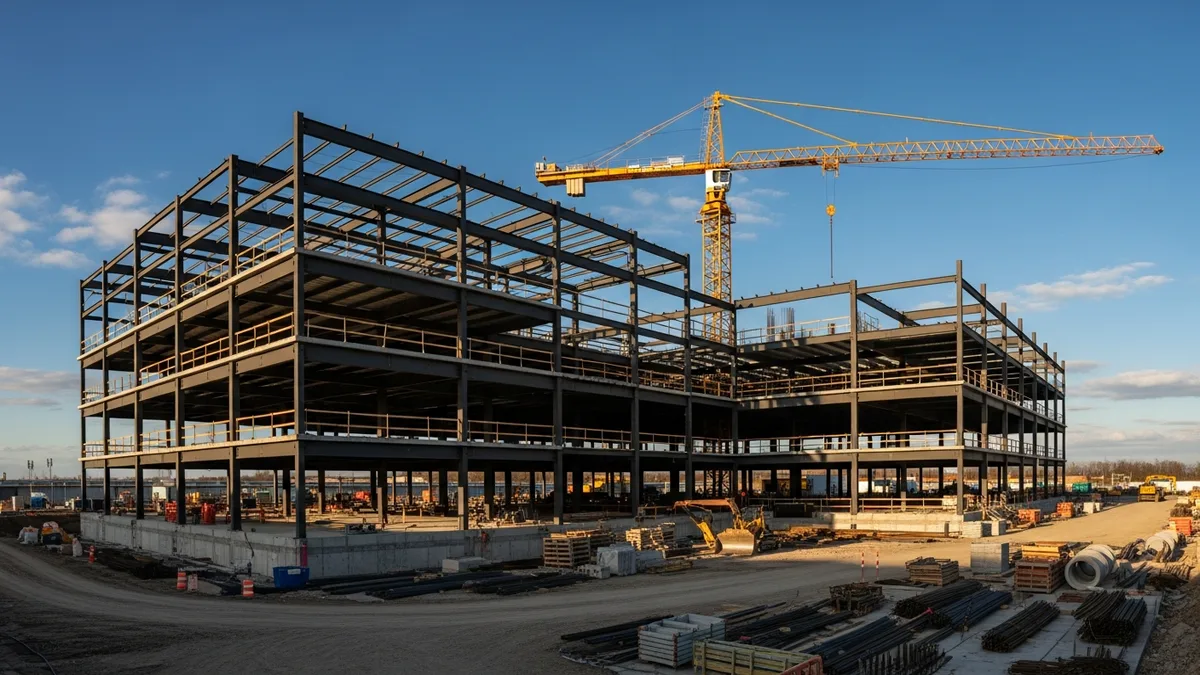
If you have been doing residential work and wondering what commercial construction is all about, you are not alone. And if you are a commercial contractor curious about the residential side, same thing.
The truth is, residential and commercial construction share the same basic skills. You are still building structures, managing crews, and hitting deadlines. But the way you do business in each sector is very different.
This guide breaks down the real differences between residential and commercial work, the pros and cons of each, what it takes to make the switch, and how your software needs change depending on the type of work you do.
The Basics: What Counts as Residential vs Commercial
Before we get into the details, let’s define what we are talking about.
Residential construction covers single-family homes, townhomes, duplexes, condos, and apartment buildings (usually up to four units, though some states draw the line differently). This includes new construction, remodels, additions, and major renovations.
Commercial construction covers everything else. Office buildings, retail spaces, restaurants, warehouses, schools, hospitals, government buildings, churches, and multi-family projects above the residential threshold. It also includes industrial work like manufacturing plants and data centers.
The line between them is not always clear. A custom home with $3 million in finishes has more in common with a boutique hotel than a starter home. And a small retail tenant improvement might feel a lot like a residential remodel. But from a business standpoint, the two sectors operate differently in almost every way.
Permitting and Building Codes
Residential
Residential permitting is generally straightforward. You pull permits from the local building department, schedule inspections, and follow the International Residential Code (IRC) or your state’s residential code.
Most residential projects go through plan review in a few days to a few weeks. Inspections follow a predictable sequence: foundation, framing, rough-in for mechanical/electrical/plumbing, insulation, and final.
The permitting process varies by city and county, but most residential contractors get comfortable with their local building department quickly.
Commercial
Commercial permitting is a different animal. Projects must comply with the International Building Code (IBC), which is significantly more detailed than the residential code. Depending on the building type, you may also deal with:
- ADA accessibility requirements
- Fire code and fire marshal review
- Environmental impact studies
- Zoning approvals and variances
- Health department review (for restaurants and food service)
- State-level plan review for certain building types
Plan review for commercial projects can take weeks to months. Some jurisdictions require separate structural, mechanical, electrical, and plumbing plan reviews, each with its own reviewer and timeline.
Bottom line: Commercial permitting takes longer, costs more, and involves more agencies. Build that time and cost into your project schedule and budget.
Financing and Payment Structure
This is where the two worlds are most different, and where most contractors feel the impact first.
Residential Payment
Residential projects are usually funded by the homeowner through personal savings, home equity loans, or construction loans. Payment structures are relatively simple:
- Deposit at contract signing (usually 10% to 30%)
- Progress payments at milestones (foundation, framing, rough-in, finish)
- Final payment at completion and walkthrough
Payment cycles are short. Most residential contractors get paid within a week or two of invoicing. Disputes get resolved quickly because the homeowner lives in the project and wants it done.
Commercial Payment
Commercial projects run on a completely different financial system:
- Progress billing based on a schedule of values, submitted monthly
- Retainage held at 5% to 10% of each payment (released at substantial completion or later)
- Net 30 to net 60 payment terms are standard
- Lien waivers required with every payment application
The payment cycle on commercial work is long. You submit a pay application, the GC reviews it, the architect reviews it, the owner approves it, and then accounting cuts the check. Sixty to ninety days from work completion to cash in hand is normal.
Cash flow impact: If you are used to residential payment cycles, commercial payment terms will squeeze your cash flow hard. You need enough working capital to cover two to three months of payroll and materials before your first check arrives.
Projul’s invoicing and job costing tools help you track costs against budget in real time so you know exactly where your cash stands on every project, whether it is a kitchen remodel or a retail buildout.
Project Timelines
Residential
Most residential projects run three to twelve months depending on size and complexity. A bathroom remodel might take four to six weeks. A custom home build runs eight to twelve months. Renovations fall somewhere in between.
Schedules are flexible. Homeowners push back timelines, change their minds on finishes, and add work mid-project. Residential contractors learn to build float into their schedules.
Commercial
Commercial projects run six months to several years. A small tenant improvement might take two to three months. A mid-size office building takes twelve to eighteen months. Large projects can run three years or more.
Schedules are tight and contractual. Liquidated damages for late completion are common, often hundreds or thousands of dollars per day. Missing your deadline on a commercial job costs real money.
Commercial schedules require detailed planning. You are coordinating dozens of trades, tracking long-lead materials, and managing inspections across multiple phases. Projul’s project management features help you keep all of these moving pieces organized in one place.
Crew Size and Labor
Residential
Residential crews are small. A typical framing crew is four to eight people. Finish work might be two to four. Many residential contractors run multiple small projects with the same core team, moving from job to job.
Finding and keeping good residential workers is challenging but manageable. Many residential trades are learned on the job, and the barrier to entry is lower.
Commercial
Commercial projects need bigger crews. A mid-size commercial project might have 30 to 100 workers on site on any given day across multiple trades. Large projects run hundreds of workers.
Labor management is more complex. You are dealing with union agreements (in many markets), prevailing wage requirements on government work, detailed safety programs, and stricter documentation of worker qualifications.
OSHA compliance is enforced more heavily on commercial sites. Dedicated safety officers, daily toolbox talks, written safety plans, and regular audits are standard on most commercial jobs.
Insurance and Bonding
Residential Insurance
Residential contractors need:
- General liability insurance ($1 million per occurrence is typical)
- Workers compensation
- Commercial auto insurance
- Possibly a small umbrella policy
Annual premiums for a small residential contractor might run $5,000 to $15,000 depending on the state and trade.
Commercial Insurance
Commercial work requires significantly more coverage:
- General liability at $2 million or more per occurrence
- Workers compensation with higher payroll limits
- Commercial auto coverage
- Professional liability (for design-build work)
- Umbrella or excess liability ($5 million to $10 million is common)
- Builder’s risk insurance
Annual premiums for a commercial contractor can run $50,000 to $200,000 or more depending on project volume and trade.
Understanding the lingo is half the battle. Our construction terminology guide can help.
Surety Bonding
This is the big one. Most commercial and all government projects require surety bonds.
Performance bonds guarantee you will complete the work. Payment bonds guarantee you will pay your subs and suppliers. These bonds are typically issued for the full contract value.
Getting bonded requires:
- Strong personal and business credit
- Clean financial statements (usually CPA-reviewed or audited)
- Positive net worth and working capital
- A track record of successfully completed projects
- Personal indemnity from company owners
Your bonding capacity limits the size of projects you can take. A contractor with $500,000 in bonding capacity cannot bid a $2 million project. Building bonding capacity takes time and a strong financial track record.
Client Relationships
Residential Clients
Your client is usually the homeowner. You are working in their home, around their family, dealing with their emotions about the space they live in.
Residential work is personal. Homeowners get stressed about dust, noise, timeline, and cost. Communication is constant and often informal. Text messages, phone calls, and in-person conversations are the norm.
The upside is that a happy homeowner refers you to their friends and neighbors. Word-of-mouth drives most residential businesses. Managing those client relationships is critical, and a good CRM system like Projul’s helps you track every lead, follow up at the right time, and turn one project into three referrals.
Commercial Clients
Your client is a business entity, a property management company, a developer, or a government agency. Decisions are made by committees, reviewed by architects, and approved through formal processes.
Communication is formal. RFIs (requests for information), submittals, meeting minutes, and written correspondence are the standard. You will attend regular project meetings and submit weekly progress reports.
The relationship is professional and transactional. Commercial clients care about schedule, budget, and quality. Hit those three targets and you will get invited to bid the next project.
Pros and Cons of Each Sector
Residential: Pros
- Lower barrier to entry (less capital, smaller insurance, no bonding required)
- Faster payment cycles
- Smaller projects mean less financial risk per job
- Repeat business and referrals drive growth
- More flexibility in scheduling and project selection
- Personal satisfaction from improving someone’s home
Residential: Cons
- Lower total project values
- Emotional clients can be difficult to manage
- Seasonal slowdowns in many markets
- Competition from unlicensed and uninsured operators
- Scope creep is constant
- Harder to scale beyond a certain point
Commercial: Pros
- Higher project values and revenue potential
- Professional client relationships
- More predictable and repeatable project types
- Stronger legal protections (formal contracts and bonding)
- Opportunities for long-term relationships with developers and property managers
- Less competition from unqualified operators (bonding and insurance requirements filter them out)
Commercial: Cons
- Higher overhead and insurance costs
- Long payment cycles strain cash flow
- Bonding requirements limit growth
- More regulatory compliance and documentation
- Liquidated damages create financial risk for schedule delays
- Harder to break into without a track record
Making the Switch: Residential to Commercial
If you are a residential contractor thinking about moving into commercial work, here is the practical roadmap:
1. Build Your Financial Foundation
Commercial work requires more working capital. You need enough cash to fund two to three months of operations before your first payment arrives. Clean up your books, build cash reserves, and get your financial statements in order.
2. Get Bonded
Contact a surety broker (not just an insurance agent) and start the bonding process. They will review your financials and tell you what bonding capacity you qualify for. Start small and build from there.
3. Upgrade Your Insurance
Talk to a construction-focused insurance broker about commercial coverage requirements. Get your policies upgraded before you start bidding.
4. Start Small
Tenant improvements, small retail buildouts, and restaurant renovations are good entry points. These projects are commercial in nature but closer in size and complexity to the residential work you already know.
5. Build Relationships
Commercial work runs on relationships. Attend industry events, join your local AGC or ABC chapter, and start meeting GCs, developers, and architects. Many commercial contractors got their first project through someone they met at an industry event.
6. Learn the Process
Formal bidding, AIA contracts, schedule of values, progress billing, submittals, RFIs. Commercial construction has its own language and process. Learn it before you need it.
7. Invest in Systems
Commercial projects generate more paperwork, more communication, and more data than residential jobs. You need software that handles both worlds without slowing you down.
Making the Switch: Commercial to Residential
Going the other direction? Here is what to know:
1. Adjust Your Expectations
Residential projects are smaller, faster, and more personal. If you are used to multi-million-dollar commercial jobs, a $50,000 kitchen remodel will feel very different.
2. Build Your Referral Network
Residential growth is driven by referrals, online reviews, and local reputation. Invest in marketing, build a strong online presence, and deliver exceptional customer service.
3. Simplify Your Processes
Commercial documentation is overkill for most residential projects. Simplify your contracts, invoicing, and project management to match the speed and scale of residential work.
4. Learn to Manage Homeowners
Homeowners are not professional clients. They are emotional, involved, and living in your workspace. Communication skills and patience matter more in residential work than anywhere else.
How Software Needs Differ
Your business software needs to match the type of work you do. Here is where the differences show up:
Estimating
Residential estimating is often simpler. You are pricing familiar work with known materials and crews. Commercial estimating requires detailed takeoffs, subcontractor bid management, and more formal proposals.
Projul’s estimating features handle both. You can build quick estimates for a bathroom remodel and detailed proposals for a commercial tenant improvement, all in the same system.
Project Management
Residential project management is about keeping a few balls in the air across multiple small jobs. Commercial project management is about coordinating dozens of tasks, trades, and milestones on a single large project.
Either way, you need a system that keeps everything organized and accessible. Projul’s project management tools scale from a single crew running three residential jobs to a team managing a multi-phase commercial build.
Job Costing
Job costing matters in both sectors, but the stakes are higher in commercial work where payment cycles are longer and retainage ties up cash. Knowing your actual costs versus budget in real time is the difference between profit and loss.
Projul’s job costing features track labor, materials, and subcontractor costs against your budget so you always know where you stand.
Client Management
Residential contractors need strong CRM tools to manage leads, follow up with prospects, and track referrals. Commercial contractors need to manage relationships with GCs, developers, architects, and repeat clients.
Projul’s CRM works for both, helping you track every contact and opportunity regardless of project type. On the Pro plan, Projul AI Connect lets ChatGPT, Claude, or Gemini turn a homeowner’s voicemail or a property manager’s email into a new lead in Projul, without creating duplicate clients.
The Bottom Line
Residential and commercial construction are not better or worse than each other. They are different. Different clients, different processes, different risks, and different rewards.
The most successful contractors understand which sector fits their business best and build their company around it. Some thrive doing $20,000 bathroom remodels. Others thrive doing $20 million office buildings. And some build a business that does both.
Whatever direction you choose, the fundamentals are the same: estimate accurately, manage your cash flow, document everything, and deliver quality work on time.
Ready to see how Projul handles both residential and commercial work? Check out our pricing and take it for a spin.
Frequently Asked Questions
Is commercial construction more profitable than residential?
What licenses do I need to do commercial construction?
Can I use the same crew for residential and commercial jobs?
How long does it take to transition from residential to commercial construction?
Do I need different insurance for commercial construction?
What is a surety bond and do I need one for commercial work?
Related Articles
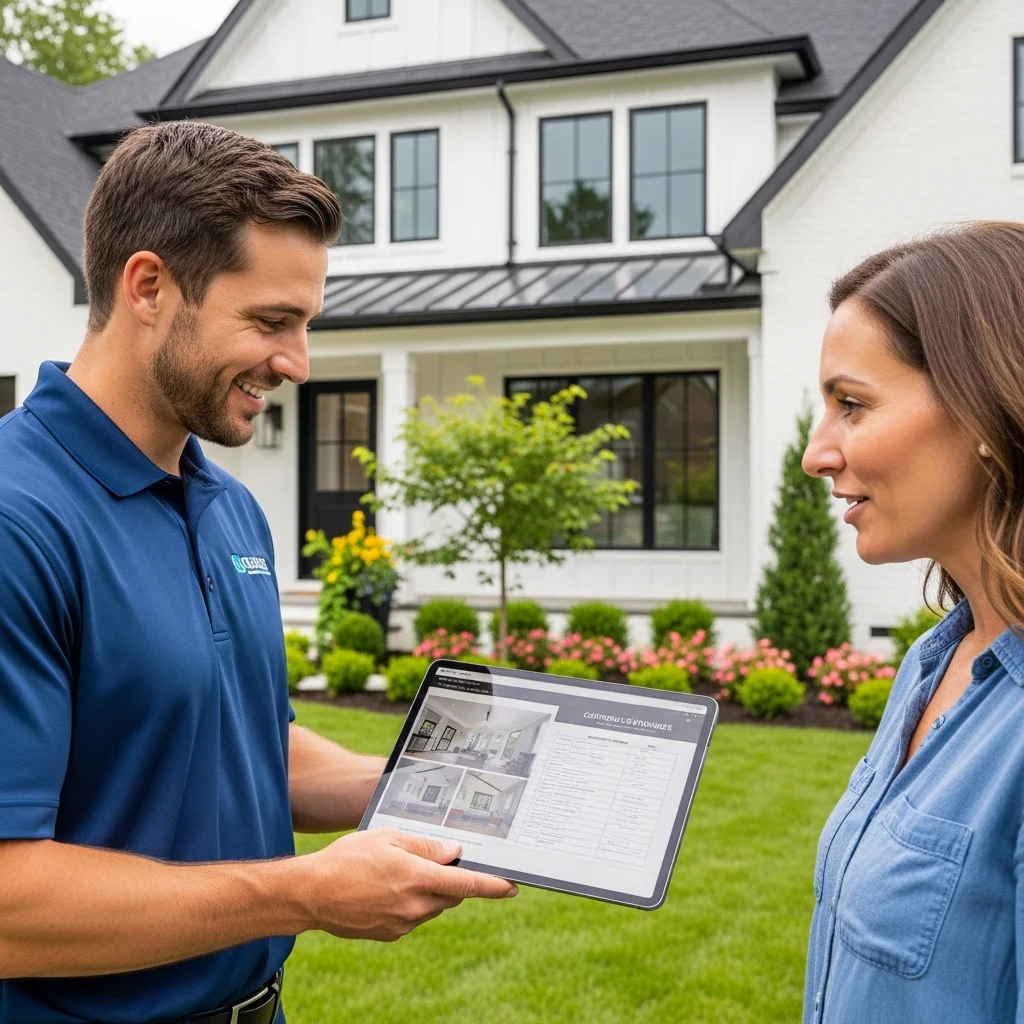
Sell More Jobs With Photos in Your Estimates
Most contractors send plain text estimates with line items and dollar amounts. But adding photos to your estimates can...
Read More →
Building Your Own Contractor Shop or Yard: What Every GC Needs to Know
At some point, every growing contractor faces the same question: do we keep renting, or do we build our own shop? This...
Read More →
Construction Contract Negotiation: 25 Tips to Protect Your Business Before You Sign
Most contractors lose money not because they can't build, but because they signed a bad contract. Here are 25...
Read More →