
Best Roofing CRM Software in 2026 (Top 5 Compared)

Too many roofing companies lose potential customers because their leads disappear into scattered spreadsheets and forgotten email threads. When you rely on memory and random notes to track prospects, qualified leads slip through the cracks. The right roofing CRM software changes this problem by organizing every opportunity in one central location.
Roofing contractors who switch from manual tracking to dedicated CRM systems see immediate improvements in their close rates. These platforms help you follow up consistently, schedule estimates on time, and maintain detailed client histories. For salespeople, office managers, and business owners tired of missing opportunities, roofing software provides the structure needed to grow your roofing business.
Why Manual Lead Tracking Kills Your Close Rate

Manual lead tracking costs roofing companies an average of 27% of their leads due to poor follow-up timing. Spreadsheets and sticky notes work when you handle five leads per month. But as your business grows, manual systems create serious problems that Projul’s CRM solves by organizing every prospect in one place.
Quick tip: Roofing contractors using manual tracking methods lose an average of 27% of their leads due to poor follow-up timing and forgotten appointments.
Spreadsheets cannot send reminders or track communication history. You forget to call prospects back, miss scheduled estimates, and lose track of where each lead stands in your sales process. Important details about customer preferences and project requirements get lost between team members.
Paper-based systems make team collaboration impossible. When your roofing team works from different locations or job sites, nobody has access to current lead information. This disconnect leads to duplicate efforts and confused customers who receive multiple calls about the same project.
How Roofing CRM Software Transforms Your Sales Process

Projul’s CRM organizes every prospect in a clear pipeline view so you see exactly which leads need immediate attention. Over 5,000 contractors use Projul to track which estimates are pending approval and which customers are ready to sign contracts. This visibility prevents opportunities from falling through the cracks.
The best roofing software includes automated follow-up reminders that ensure consistent communication. Instead of relying on memory, the system tells you exactly when to contact each prospect. These timely touchpoints keep your roofing business top-of-mind during the decision-making process.
Client history tracking provides valuable context for every conversation. When you call a prospect, you know their previous concerns, budget discussions, and project timeline preferences. This preparation helps you address objections and close more jobs through personalized service.
Essential CRM Features for Roofing Jobs

Projul’s 26+ features include lead scoring that helps you prioritize prospects based on project size, timeline, and buying signals. This focus ensures your roofing team spends time on the most promising opportunities.
Did you know? Roofing companies that implement lead scoring see a 30% increase in conversion rates because they focus their efforts on prospects most likely to buy.
Pipeline management shows you exactly where each opportunity stands. Visual dashboards display leads moving from initial contact through estimate delivery to contract signing. This transparency helps identify bottlenecks in your sales process.
Communication tracking records every phone call, email, and site visit. Your entire team can see the complete conversation history without asking colleagues for updates. This shared knowledge improves customer service and prevents important details from being forgotten.
Lead Management That Actually Works

Projul connects to your website forms, social media ads, and phone systems to automatically create new prospects. This automation eliminates manual data entry and ensures no inquiries get overlooked. Contractors using Projul save 2+ hours daily on lead management tasks alone.
Lead assignment features distribute new opportunities among your roofing team based on territory, expertise, or workload. Automatic assignments ensure fast response times while preventing conflicts over prospect ownership. Clear assignment rules help maintain accountability across your sales team.
Follow-up scheduling keeps every prospect engaged through your sales cycle. The system reminds you to call back interested homeowners, send additional information, or schedule estimate appointments. Consistent follow-up separates successful roofing contractors from those who lose deals to competitors.
CRM Roofing Software Integration with Project Management

Projul combines CRM with project management in a single platform so once you close a deal, the same system tracks job progress from material ordering through final completion. This integration eliminates double data entry, saving contractors $4,788/year on average by replacing multiple standalone apps.
Project timelines help you schedule work efficiently while keeping customers updated on progress. Milestone tracking shows completion percentages for each phase of roofing projects. This visibility helps manage customer expectations and prevent disputes over project status.
Job statuses update automatically as work progresses. Your office staff can answer customer questions about completion dates without calling the job site. This real-time information improves customer satisfaction and reduces phone calls to your support team.
Professional Proposals That Close More Deals

Projul’s proposal templates create polished estimates that impress potential customers, rated 4.9/5 on G2. Pre-built roofing estimate templates for different project types and customizable options for your specific services ensure consistency while saving time on document creation.
Integrated pricing databases keep your proposals competitive and profitable. The system calculates material costs, labor requirements, and overhead expenses automatically. This accuracy prevents estimation errors that lead to reduced profit margins or customer disputes.
Digital signature capabilities allow customers to approve proposals immediately. Instead of waiting for printed contracts to be signed and returned, you can close deals during the initial presentation. This speed reduces the chance that prospects will change their minds or accept competitor offers.
Quick tip: Roofing companies using digital signatures close deals 40% faster than those relying on paper contracts because customers can approve projects immediately after presentations.
Job Site Communication and Mobile Access
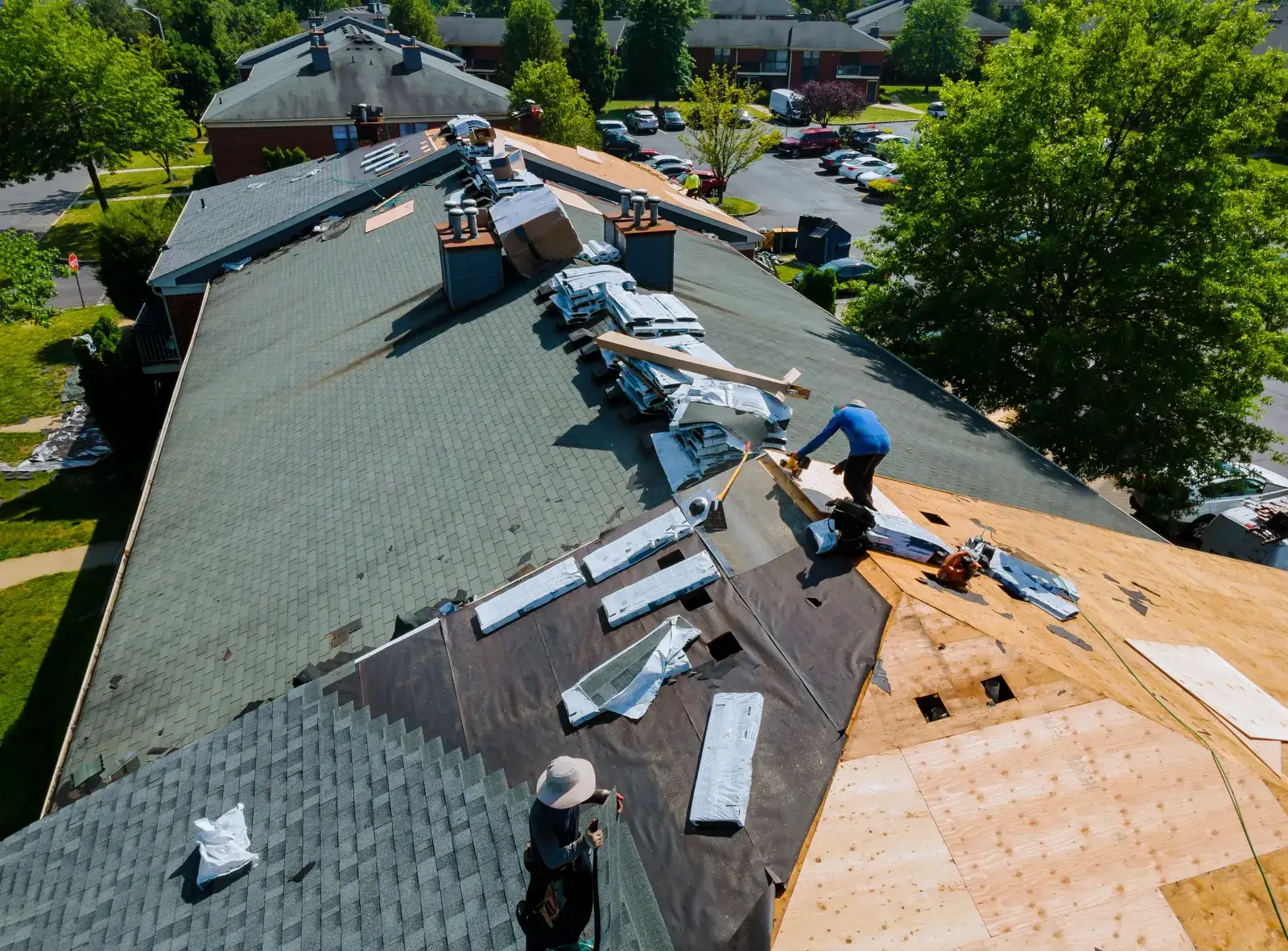
Projul’s mobile app lets your roofing team access customer information and project details from any job site. Field crews can update job progress, upload photos, and communicate with the office without returning to headquarters. with no per-user fees, your entire crew stays connected.
Photo apps integration helps document project progress and quality control. Before and after pictures provide proof of completed work while helping resolve any customer concerns. Visual documentation protects your roofing business from liability issues and supports warranty claims.
Internal communication tools keep everyone informed about project changes and customer requests. Team members can share updates, ask questions, and coordinate schedules through the platform. Keeping communication in one place reduces confusion and improves project efficiency.
Document Management for Roofing Projects

Contractors across the country trust Projul to run their businesses. Read their reviews.
Projul’s centralized document storage keeps all project paperwork organized and accessible in one place. Contracts, permits, insurance certificates, and warranty information stay connected to specific jobs. Your team saves 2+ hours daily by finding any document instantly instead of searching through filing cabinets or email attachments.
Store documents feature allows you to upload photos, blueprints, and inspection reports directly to customer records. This organization helps during warranty calls and follow-up services. Having complete project histories improves customer service and builds long-term relationships.
Version control ensures everyone works with current information. When contracts or project specifications change, the system tracks revisions and notifies relevant team members. This accuracy prevents costly mistakes from outdated information.
Integrated Financing Options

Projul’s payment processing integration simplifies billing and collections so customers can pay deposits or final balances through secure online portals. Contractors using Projul report a 32% profit increase when they combine integrated financing with accurate job costing.
Financing options help close larger roofing jobs by making projects affordable for more homeowners. Integrated financing partners provide instant approval decisions during estimate presentations. This capability expands your potential customer base and increases average project values.
Commission tracking calculates salesperson earnings automatically based on closed deals and payment collections. Accurate commission reporting motivates your roofing sales team while reducing payroll processing time. Transparent tracking prevents disputes and builds trust with sales representatives.
Roofing App Features That Drive Results

Projul’s mobile app includes canvassing tools that help generate new leads in target neighborhoods. Map-based interfaces show completed projects and identify potential customers nearby. Over 5,000 contractors use this geographic approach to work efficiently while building neighborhood presence.
Aerial measurements integration provides quick roof calculations without requiring ladder access. These measurements help create initial estimates during door-to-door canvassing efforts. Fast estimates impress homeowners and help you capture leads before competitors arrive.
Lead capture forms work offline so your team can collect prospect information even without internet connectivity. Once connection restores, the information syncs automatically to your main database. This reliability ensures no potential customers get lost due to technical issues.
Team Collaboration Across Multiple Locations

Projul’s multi-location support with no per-user fees helps roofing companies coordinate operations across different territories without per-user fees. Each location can manage their local leads while sharing resources and best practices through the central platform.
User permissions control who can access sensitive information like pricing and profit margins. Office managers can view financial data while field crews see only job-specific details. These security controls protect your roofing business while maintaining appropriate access levels.
Analytics dashboard provides insights into sales performance, lead sources, and project profitability. Key metrics help identify successful marketing channels and underperforming team members. Data driven decisions improve your roofing business operations and increase overall profitability.
More Contractors Choose Integrated Platforms
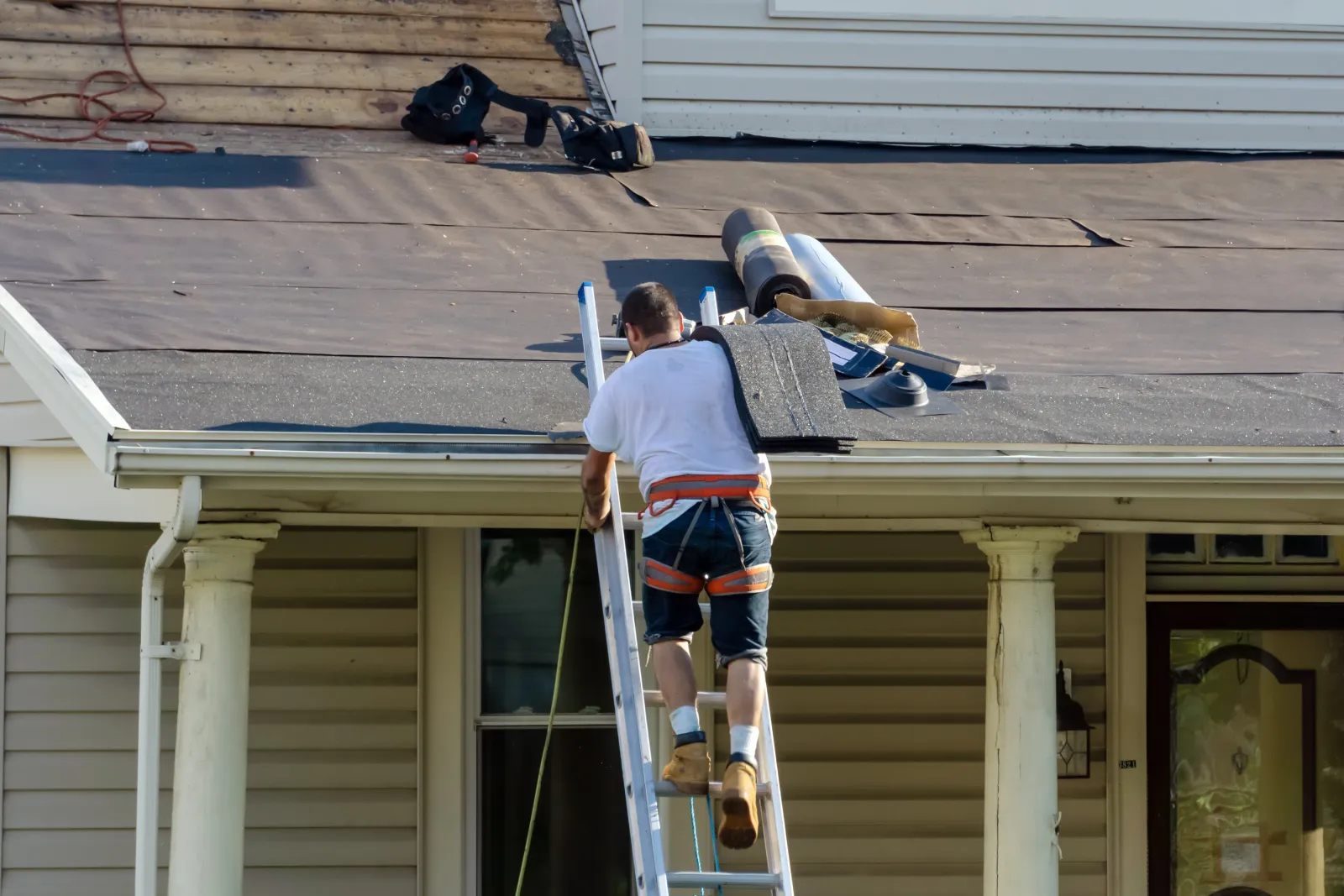
Projul’s all-in-one platform handles every business function so you stop juggling separate programs for estimating, project management, and customer tracking. Contractors save $4,788/year on average by consolidating into one system that cuts out repetitive tasks.
Numerous integrations connect your roofing software with suppliers like ABC Supply for ordering materials and tracking deliveries. Email marketing tools help maintain customer relationships and generate referral business. These connections eliminate manual processes and improve operational efficiency.
If client management is a priority, check out our construction customer relationship management guide.
Automated follow ups ensure consistent communication with past customers for maintenance services and referrals. The system can send anniversary reminders, warranty check-ins, and seasonal maintenance offers. This ongoing contact helps build long-term customer relationships and generates additional revenue.
Material Orders and Supply Chain Management

Projul’s integrated material ordering eliminates phone calls and email chains with suppliers. You can order supplies directly from project estimates with accurate quantities and delivery dates. Projul’s 26+ features include this supply chain automation that reduces ordering errors and improves project timing.
Inventory tracking helps manage stock levels for common materials and supplies. You know when to reorder items before running out during critical projects. This planning prevents project delays and maintains customer satisfaction.
Delivery scheduling coordinates material arrivals with project timelines. The system can automatically notify suppliers when materials are needed and track delivery confirmations. This coordination ensures materials arrive when your roofing team needs them.
Lead Capture That Grows Your Business

Projul’s website integration captures online inquiries automatically and creates new prospects in your database. Contact forms, chat widgets, and phone tracking convert website visitors into qualified leads without manual data entry. Contractors using Projul save 2+ hours daily on lead capture alone.
Social media monitoring identifies potential customers discussing roofing needs online. The system can alert your team to relevant conversations and help you engage prospects early in their research process. This proactive approach helps you compete against other roofing companies.
Referral tracking credits existing customers for new business they generate. Automated referral programs encourage satisfied customers to recommend your services to neighbors and friends. These programs help grow your roofing business through word-of-mouth marketing.
Quick estimating tools help close deals faster by generating preliminary quotes during initial conversations. While detailed estimates require site visits, quick calculations help qualify prospects and set appropriate expectations. For complete estimation capabilities that connect directly with your CRM, check out our complete guide to roofing contractor software.
Advanced Project Management Features

Projul’s milestone tracking breaks complex roofing projects into manageable phases with clear completion criteria. Your team knows exactly what needs finishing before moving to the next phase. Projul’s 4.9/5 G2 rating reflects how well these project management features work for real contractors.
Resource scheduling helps allocate crew members and equipment across multiple job sites. The system prevents conflicts and ensures appropriate staffing for each project type. Efficient scheduling maximizes productivity while maintaining quality standards.
Change order management tracks project modifications and their impact on timelines and costs. When customers request additional work, the system documents changes and updates project totals automatically. This tracking prevents disputes and ensures accurate billing.
For roofing companies handling multiple complex projects simultaneously, dedicated project management tools become essential. Learn more about coordinating large-scale operations in our article about Managing Roofing Projects Without the Headaches.
Billing Processes and Financial Management

Projul’s automated billing generates invoices based on project milestones and completion percentages, helping contractors see a 32% profit increase through better financial visibility. This automation ensures accurate billing while reducing administrative work for your office staff.
Payment tracking shows which invoices are outstanding and when payments are due. Automated reminders help collect payments faster while maintaining professional relationships. This visibility helps manage cash flow and identify potential collection issues early.
Financial reporting provides insights into project profitability and business performance. You can analyze which types of roofing jobs generate the best margins and adjust your marketing focus accordingly. These insights help improve your business strategy for maximum profitability.
Ready to see how Projul can work for your crew? Schedule a free demo and we will walk you through it.
Frequently Asked Questions
What is roofing CRM software and how does it help my business?
Roofing CRM software organizes all your customer interactions, leads, and project information in one central platform. Projul’s CRM helps roofing contractors track prospects from initial contact through project completion, ensuring no opportunities slip through the cracks. The system automates follow-ups, manages communication history, and provides pipeline visibility that helps close more jobs consistently.
Can CRM roofing software really help me close more jobs?
Yes, roofing companies using dedicated CRM systems typically see 20-30% improvements in close rates. Projul helps you respond faster to new leads, maintain consistent follow-up, and present professional proposals that impress customers. The system prevents missed appointments and forgotten callbacks that often cost contractors potential business.
How does roofing CRM software integrate with my existing processes?
Projul integrates with your website, phone systems, and existing business tools to capture leads automatically. The platform connects estimating, project management, and customer service functions in one system. This integration eliminates double data entry and ensures your entire team has access to current customer information.
What features should I look for in roofing software?
Essential features include lead capture, automated follow-ups, pipeline management, and mobile access. Projul includes all these capabilities plus professional proposal generation, project tracking, and financial management tools. Look for platforms that provide industry-specific features like aerial measurements and supplier integrations.
How quickly can my team start using roofing software?
Most roofing teams can start using Projul within a few days of setup. The platform includes pre-built templates and intuitive interfaces designed specifically for roofing contractors. We provide thorough training and ongoing support to ensure your team maximizes the system benefits quickly.
Will CRM roofing software work for both residential and commercial roofing?
Absolutely. Projul handles both residential and commercial roofing projects with customizable features for different project types. The system scales from small residential repairs to large commercial installations, adapting to your specific business needs and customer requirements.
How does mobile access help my roofing business?
Mobile functionality lets your team access customer information and update project details from any job site. Projul’s mobile app enables real-time communication, photo documentation, and schedule updates without returning to the office. This connectivity improves customer service and operational efficiency.
Can CRM roofing software help with material ordering and project management?
Yes, Projul includes integrated material ordering and full project management software features. You can order supplies directly from estimates, track deliveries, and monitor project progress through completion. This integration cuts down on admin work for your office staff.
What kind of support does Projul provide during implementation?
Projul offers complete implementation support including data migration, team training, and ongoing technical assistance. Our support team understands the roofing industry and provides guidance specific to your business needs. We ensure smooth transitions and help you achieve maximum benefits from the platform.
How does Projul help with lead management and follow-up?
Projul automates lead capture from multiple sources and provides systematic follow-up reminders. The platform tracks all customer communications and schedules appropriate touchpoints throughout your sales cycle. This consistency helps convert more prospects into paying customers while maintaining professional relationships.
Storm Damage Lead Management and Insurance Claim Tracking
Storm season creates a surge of inbound leads that can overwhelm roofing companies without a structured system in place. When a hailstorm or hurricane moves through a region, your phone starts ringing nonstop with homeowners looking for inspections. Without a dedicated CRM for construction companies, those leads pile up faster than your team can process them, and competitors who respond first win the job.
Projul helps roofing contractors manage storm damage leads by capturing every inquiry automatically and routing it to the right salesperson based on territory or availability. When a homeowner submits a request through your lead capture form, the system creates a new prospect record, assigns it to a rep, and starts the follow-up clock. This speed matters because storm damage leads have a 48-hour window where homeowners are most motivated to act.
Not every storm lead comes through a form. On Projul Pro, your office can hand the pile of voicemails to ChatGPT, Claude, or Gemini, and Projul AI Connect turns each one into a new lead with the address and a short summary of the damage, without creating duplicates for homeowners already in your system.
Insurance Claim Tracking Workflows
Insurance restoration work adds complexity that standard sales pipelines cannot handle. Each job involves coordination between the homeowner, the insurance adjuster, and your roofing team. Missing a single step in the claims process can delay approval by weeks or kill the deal entirely.
A roofing CRM built for storm work should track the following milestones for every insurance claim:
- Initial inspection completed - Document damage with photos and measurements
- Claim filed with carrier - Record claim number, adjuster name, and carrier contact info
- Adjuster meeting scheduled - Coordinate between homeowner, adjuster, and your rep
- Scope of work agreed - Confirm the approved repair scope matches your estimate
- Supplement submitted - Track any additional damage discovered during tear-off
- Payment received from carrier - Monitor depreciation holdback and final payment status
Projul’s custom fields and pipeline stages let you track all of these milestones without leaving the platform. Your office staff can filter the dashboard to see which jobs are waiting on adjuster meetings, which supplements are outstanding, and which projects are approved and ready to schedule. This visibility prevents jobs from stalling in the claims process and keeps revenue flowing during busy storm seasons.
Quick tip: Roofing contractors who track insurance claims inside their CRM close 35% more restoration jobs because they follow up on stalled claims before homeowners lose interest or hire someone else.
Documenting Damage for Faster Approvals
Photo documentation directly inside your CRM record creates an organized evidence package for each claim. When your inspector uploads hail impact photos, wind damage images, and measurement data to the prospect record in Projul, that information stays attached to the job through every stage. Your team can pull up the complete damage file during adjuster meetings without searching through phone galleries or email threads.
Detailed documentation also protects your roofing business during disputes. If an insurance carrier pushes back on the scope of work, having timestamped photos and notes inside your CRM gives you the evidence needed to support your supplement requests. Contractors who document thoroughly inside their CRM report faster supplement approvals and fewer denied claims.
Roofing CRM Pipeline Stages That Match Your Sales Process
Generic CRM platforms force roofing contractors into pipeline stages designed for software companies or retail businesses. These stages do not reflect how roofing sales actually work. A proper roofing CRM should mirror the real steps your team follows from first contact to warranty registration.
The Six Pipeline Stages Every Roofing Company Needs
Stage 1: Inspection Scheduled - The prospect has agreed to a roof inspection or estimate appointment. Your CRM should track the scheduled date, assigned inspector, and any notes from the initial phone call. Projul lets you attach the appointment to the prospect record so your team sees exactly when each inspection happens.
Stage 2: Claim Filed - For insurance restoration work, this stage indicates the homeowner has filed a claim with their carrier. Track the claim number, insurance company, and filing date. Jobs can sit in this stage for days or weeks depending on carrier response times, so automated reminders keep your team following up with the homeowner on claim status.
Stage 3: Approved - The insurance carrier or homeowner has approved the project. This is where you confirm the scope of work, finalize pricing, and prepare the contract for signature. Projul’s digital proposal tools let you send the agreement immediately so you lock in the job before the homeowner gets distracted or shops around.
Stage 4: Scheduled - Materials are ordered and the crew is assigned a start date. Your CRM should connect this stage to your project management calendar so scheduling conflicts are visible before they cause problems. Projul handles this automatically because the CRM and project management tools share the same database.
Stage 5: Completed - The roofing work is finished, final inspection is done, and the customer has signed off. Photo documentation of the completed project gets attached to the record for warranty purposes. This stage triggers the final invoice and any remaining payment collection steps.
Stage 6: Warranty - The job moves into long-term warranty tracking. Projul stores warranty terms, manufacturer registration details, and scheduled maintenance reminders. This stage keeps past customers in your system for future re-roofing opportunities and referral outreach.
Why Custom Stages Matter for Roofing
Roofing companies that use generic pipeline stages like “Prospect, Qualified, Proposal, Closed” miss critical transitions in their sales process. A lead that has been inspected but is waiting on insurance approval needs different follow-up than a lead that received an estimate but has not responded. Custom stages give your team clear direction on what action to take next for every opportunity in the pipeline.
Projul’s pipeline customization lets you add, rename, or reorder stages to match your exact workflow. You can create separate pipelines for retail roofing jobs and insurance restoration work since these sales processes have different timelines and requirements. This flexibility means the CRM adapts to your business instead of forcing your business to adapt to the software.
Did you know? Roofing companies with six or more pipeline stages in their CRM report 25% shorter sales cycles because each stage has a clear next action that prevents leads from going stale.
Automated Follow-Up Sequences for Roofing Leads
The biggest revenue leak for roofing companies is not losing leads to competitors. It is losing leads to your own follow-up gaps. When a homeowner requests an estimate and your team does not call back within two hours, the chance of reaching that prospect drops by over 60%. Automated follow-up sequences inside your CRM solve this problem by making sure every lead gets contacted on a consistent schedule.
Reducing No-Shows With Automated Reminders
Missed estimate appointments cost roofing contractors thousands of dollars in wasted drive time and lost productivity. A salesperson who drives 30 minutes to an appointment only to find nobody home has lost an hour of selling time. Multiply that by three or four no-shows per week and the revenue impact adds up fast.
Projul’s automated reminders reduce no-shows by sending appointment confirmations through text and email at key intervals:
- 24 hours before - Reminder with date, time window, and what to expect during the inspection
- 2 hours before - Quick confirmation asking the homeowner to reply if they need to reschedule
- 30 minutes before - Final heads-up that your rep is on the way
Roofing companies using automated appointment reminders report 40% fewer no-shows compared to teams that rely on manual confirmation calls. The time your office staff saves on confirmation calls can go toward following up with new leads instead.
Re-Engagement Sequences for Cold Leads
Not every roofing lead closes on the first attempt. Homeowners delay roof replacements, wait for insurance decisions, or simply get busy with other priorities. A lead that goes quiet for two weeks is not necessarily dead. It just needs the right follow-up at the right time.
Automated re-engagement sequences bring cold leads back to life by sending helpful touchpoints over weeks and months:
- Day 3 after no response - Friendly check-in asking if they have questions about the estimate
- Day 7 - Share a helpful resource like a guide to understanding roof damage or insurance claims
- Day 14 - Offer to schedule a quick call to review their options before storm season
- Day 30 - Send a case study or testimonial from a similar project in their neighborhood
- Day 60 - Final outreach with an updated estimate or seasonal promotion
These sequences run automatically inside Projul so your sales team does not need to remember which leads to follow up with or when. The system handles the timing while your reps focus on active conversations and closing deals.
Quick tip: Roofing contractors who implement automated re-engagement sequences recover 15-20% of leads that would otherwise be marked as lost, adding significant revenue without any additional marketing spend.
Speed-to-Lead Response Times
The first roofing company to respond to a new lead wins the job over 50% of the time. Automated lead response gives your company an advantage by sending an immediate acknowledgment to every new inquiry. While your competitors check voicemail and return calls hours later, Projul sends a confirmation text and email within seconds of a new lead capture form submission.
This instant response tells the homeowner that your company is professional, responsive, and ready to help. It also buys your sales team a few minutes to review the lead details before making the personal follow-up call. The combination of automated instant response plus a fast personal call creates a powerful first impression that sets the tone for the entire sales process.
Roofing CRM Pricing Comparison for Growing Teams
Pricing is one of the most confusing parts of choosing a roofing CRM because every platform uses a different pricing model. Some charge per user per month, others charge flat rates with feature tiers, and a few bundle CRM with project management at a single price. Understanding the true cost for your team size helps you make an informed decision.
How Per-User Pricing Adds Up
Most standalone CRM platforms charge between $25 and $100 per user per month. This sounds reasonable for a small team, but the costs multiply quickly as your roofing company grows:
5-person team - A CRM at $50/user/month costs $250/month or $3,000/year. Add a separate project management tool at $30/user/month and you are paying $4,800/year for two platforms that do not share data.
15-person team - The same CRM and PM combo costs $14,400/year. At this team size, you also need admin time to manage user accounts, permissions, and data syncing between platforms. The hidden labor cost adds another $2,000-$3,000 annually.
30-person team - Per-user pricing at $80/user/month across two platforms hits $57,600/year. Many platforms also charge extra for features like automation, custom reports, and API access at higher tiers. Enterprise pricing can push the total well above $70,000 annually.
Why Flat-Rate Pricing Saves Roofing Companies Money
Projul uses flat-rate pricing with no per-user fees, so hiring doesn’t add per-seat charges. The price changes only when you move to a plan with a higher user limit, and Pro includes unlimited users. This pricing model is designed for roofing companies that want to give every team member access without worrying about escalating software costs.
For a 15-person roofing company, the savings compared to per-user platforms are substantial. Instead of paying $14,400 or more per year for separate CRM and project management tools, Projul provides both in a single platform on Core+ at $7,188 per year for up to 20 users. The savings grow even larger as your team expands because there are no per-user fees.
What to Watch for in CRM Pricing
Several hidden costs catch roofing contractors off guard when evaluating CRM platforms:
- Implementation fees - Some platforms charge $1,000-$5,000 for initial setup and data migration
- Training costs - Complex systems may require paid training sessions at $500-$2,000 per session
- Feature gating - Basic plans often exclude automation, custom pipelines, and reporting features that roofing companies need
- Integration fees - Connecting your CRM to accounting software, suppliers, or marketing tools may require paid add-ons
- Storage limits - Photo-heavy roofing documentation can exceed storage caps on lower-tier plans
- Contract lock-in - Annual contracts with early termination penalties reduce your flexibility to switch
Every Projul plan includes its listed features with no hidden fees for automation, integrations, or storage. This transparency lets you budget accurately and avoid surprise costs that inflate your total software spend.
Did you know? Roofing companies that switch from per-user CRM pricing to flat-rate platforms like Projul save an average of $4,788 per year while gaining access to more features and no per-user fees.
Comparing Popular Roofing CRM Options
When evaluating roofing CRM platforms, consider these factors alongside the monthly price:
- Roofing-specific features - Does the platform include pipeline stages, estimate templates, and workflows designed for roofing contractors, or is it a generic CRM you have to customize yourself?
- Project management integration - Can you track jobs from lead to completion in one system, or do you need a separate tool for scheduling and production?
- Mobile app quality - Field teams need fast, reliable mobile access for updates, photos, and communication on job sites
- Ease of adoption - Your team will only use software they find intuitive. Complicated platforms with steep learning curves lead to low adoption and wasted money
- Support quality - Roofing-specific support teams understand your workflow and can help solve problems faster than generic help desks
Projul consistently earns top ratings from roofing contractors because it combines CRM, estimating, and project management in one platform with industry-specific features for roofers. The flat-rate pricing model and no per-user fees make it especially attractive for growing teams that do not want their software costs to scale linearly with headcount.
Choosing the Right Software for Roofers

Projul combines all the CRM, estimating, and project management tools with ease of use, earning a 4.9/5 G2 rating from real contractors. Your team should be able to learn the system quickly without extensive training. Complex platforms that require weeks of learning often fail to deliver.
Cloud-based solutions provide access from any device and location. This flexibility supports remote work and field operations while ensuring data security through professional hosting services. Regular backups protect your customer information and business data.
Customer support quality affects your long-term success with any software platform. Choose providers that offer thorough training, responsive technical support, and regular system updates. Good support helps your team maximize the software benefits and resolve issues quickly.
If you are a smaller operation looking for a CRM that fits your budget, our best CRM for small construction businesses comparison covers the top picks across all trades, including roofing.