
Sports Facility and Stadium Construction Guide
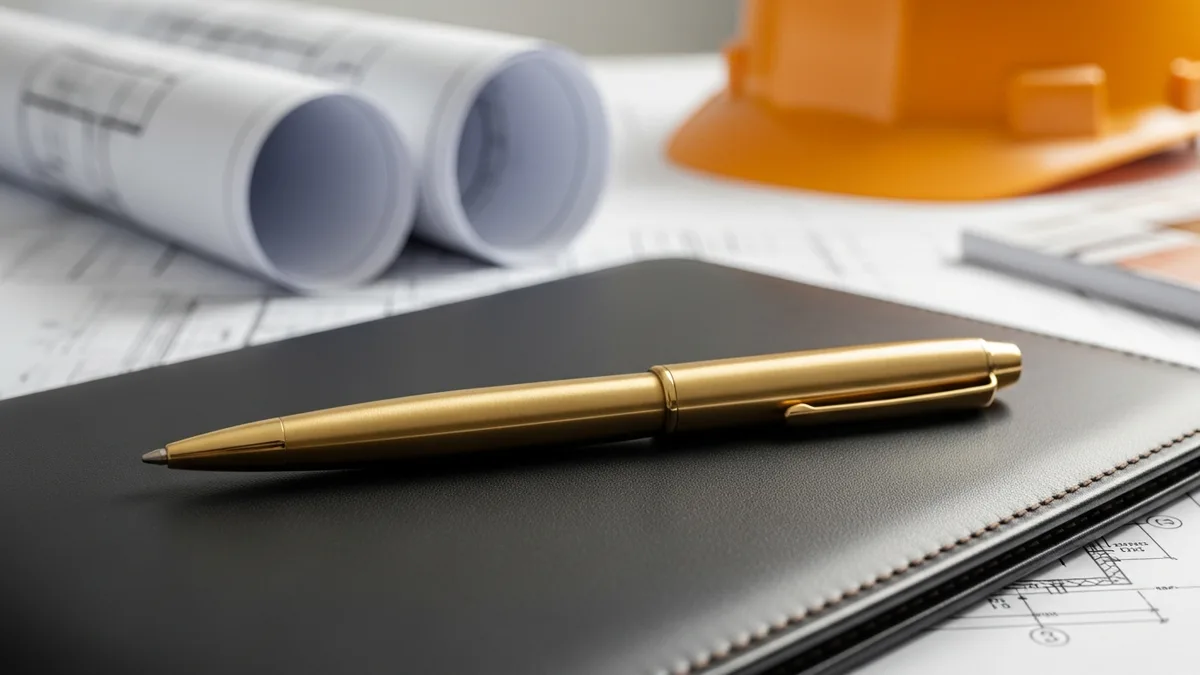
Building a sports facility or stadium is one of the biggest projects a general contractor can take on. These jobs touch every trade, involve massive coordination headaches, and run on schedules that don’t have much room for slippage. Whether you are looking at a 5,000-seat community stadium, a 20,000-seat college venue, or something bigger, the fundamentals stay the same. You need solid structural work, reliable MEP systems, quality playing surfaces, comfortable spectator areas, and a project management approach that keeps dozens of subcontractors moving in the right direction.
This guide breaks down the six major areas you need to understand before you price, plan, or break ground on a sports facility project.
Large-Span Structural Systems: Getting the Bones Right
The structural system is the single biggest engineering challenge on any stadium job. Unlike a typical commercial building where you can drop columns every 30 or 40 feet, a stadium needs clear spans that let thousands of people see the field without posts blocking their view. That means long-span trusses, and those trusses change everything about how you sequence the job.
Most stadium structures start with reinforced concrete foundations and lower bowl construction. The footings on these projects are massive. You are often dealing with mat foundations or deep piles depending on soil conditions. If you have not worked with this scale of concrete before, review the basics in our concrete fundamentals guide before you start estimating quantities.
Once the lower structure is up, the steel goes in. Stadium roof systems commonly use one of three approaches:
- Long-span trusses spanning 150 to 300 feet or more, fabricated off-site and lifted into place with heavy cranes
- Space frame systems that distribute loads across a three-dimensional grid of steel members
- Cable-supported or tension ring systems where cables carry roof loads to compression rings or mast structures
Each approach has different crane requirements, erection sequences, and temporary bracing needs. The steel erection plan is something your structural engineer and steel erector need to coordinate months before the first piece of iron shows up on site. Lifting a 200-foot truss that weighs 80 tons is not something you figure out the week of.
Retractable roof systems add another layer of complexity. The track systems, drive mechanisms, and weatherproofing details require specialized subcontractors who have done this work before. If your project includes a retractable or operable roof, plan on that system driving a significant portion of your critical path schedule.
One thing that catches contractors off guard on their first stadium job is the sheer volume of structural connections. A typical stadium has thousands of unique connection details. Each one needs shop drawings, fabrication, and field verification. Your steel detailer and fabricator need adequate lead time, and your field inspection team needs to be ready to keep up with the pace of erection.
For managing the permit and inspection process on structural steel this complex, build in extra time. Third-party inspection is almost always required, and the inspector needs access to connections that might be 150 feet in the air.
Seating Systems and Spectator Bowl Construction
The seating bowl is where your concrete and precast work really ramps up. Stadium seating is typically built using one of two methods: cast-in-place reinforced concrete raker beams with precast treads, or entirely precast seating sections that are crane-set into position.
Cast-in-place construction gives you more flexibility with geometry but takes longer. You are building formwork for raker beams at steep angles, placing rebar in tight conditions, and pouring concrete on slopes that make finishing difficult. The geometry of a seating bowl is not forgiving. If your raker beams are off by even a fraction of a degree, the sightlines suffer and every row above that point is affected.
Precast seating sections speed things up significantly. A precast manufacturer can produce double-tee or single-tee seating units in a controlled environment while you are still working on the foundation and lower structure. When the structure is ready, you crane the sections into place and grout the connections. A crew can set dozens of seating sections in a single day, which compresses the schedule compared to forming and pouring everything in place.
Regardless of which method you use, the seating bowl involves these key considerations:
- Sightline geometry dictated by the architect and verified during construction with survey equipment
- Expansion joints every 150 to 200 feet to handle thermal movement in long concrete structures
- Waterproofing on the underside of seating decks, since the concourse and premium spaces below cannot tolerate leaks
- Handrail and guardrail systems that meet code for assembly occupancy (higher loads than standard commercial)
- ADA accessible seating distributed throughout the venue with companion seats and sightline compliance
Premium seating areas like suites, club levels, and loge boxes add finish work that looks more like a high-end hotel than a stadium. You are dealing with millwork, glass partitions, dedicated HVAC zones, and food service infrastructure in spaces that sit right in the middle of a concrete seating structure. Coordinating that finish work while the rest of the bowl is still under construction takes careful phasing.
Synthetic Turf and Playing Surface Installation
The playing surface is often one of the last major systems to go in, but it needs to be planned from day one because the subsurface drainage and base preparation are part of your early sitework.
For synthetic turf fields, the typical installation sequence looks like this:
- Subgrade preparation with proper grading to drain specifications, usually a minimum 0.5% slope
- Aggregate base consisting of crushed stone compacted in lifts to create a stable, free-draining platform
- Drainage system with perforated pipe in a herringbone or grid pattern connected to the storm system
- Shock pad or e-layer that provides impact attenuation and levels minor imperfections in the base
- Turf carpet rolled out in panels and seamed together with adhesive or sewing
- Infill material spread and brushed into the turf fibers, typically crumb rubber, sand, or newer organic alternatives like cork or coconut fiber
The base work has to be precise. Synthetic turf shows every imperfection in the substrate, and standing water on a turf field means the drainage failed. Most turf manufacturers require the base to be laser-graded to within plus or minus a quarter inch over 10 feet. That is tighter than most parking lots.
Contractors across the country trust Projul to run their businesses. Read their reviews.
For natural grass installations, you are looking at either sodding or seeding on top of a sand-based root zone mix. Professional sports fields use a USGA-spec sand profile with subsurface heating and drainage. These systems include miles of tubing, sophisticated irrigation controls, and grow lights for indoor or partially covered venues. Natural grass in a stadium is essentially a living system that needs constant attention, which is why many multi-use facilities choose synthetic turf.
If the facility will host multiple sports, you need to plan for conversion systems. Football to soccer, basketball to hockey, concerts to sporting events. The field conversion process involves removing temporary flooring, adjusting goal post locations, repainting lines, and sometimes adding or removing seating sections that extend over the playing surface. These conversions happen on tight turnarounds, sometimes overnight, so the infrastructure needs to support fast changeovers.
Your scheduling approach needs to account for the fact that turf installation is weather-sensitive and requires a clean site. You cannot be tracking mud across a freshly graded base or dropping debris on installed turf panels.
Lighting, Electrical, and Power Distribution
Stadium electrical systems are a different animal compared to standard commercial work. The power demands are enormous, the lighting requirements are specific to broadcast television standards, and the redundancy requirements for life safety in a venue holding tens of thousands of people are significant.
Start with the power service. A mid-size stadium might need 5 to 15 megawatts of electrical capacity. That usually means a dedicated utility substation on the property, sometimes owned by the venue and sometimes by the utility. The lead time on substation equipment, especially transformers, can be 12 months or more. Order early.
If you want a deeper look at managing electrical subcontractors on complex projects, our guide on working with electrical contractors covers the coordination side of things.
The lighting system breaks down into several categories:
- Field lighting designed to meet specific foot-candle and uniformity requirements for the sport being played, with higher standards for HD and 4K broadcast
- Bowl lighting for spectator circulation and comfort during events
- Concourse and back-of-house lighting for operational areas, concessions, and service corridors
- Emergency and egress lighting sized for assembly occupancy with battery backup or generator feed
- Architectural and facade lighting that defines the building’s appearance at night
Field lighting for broadcast-quality venues requires careful photometric design. The lights need to produce even illumination across the playing surface without creating hot spots, shadows, or glare for players and spectators. LED technology has replaced metal halide in almost all new stadium construction because LEDs offer instant on/off, dimming capability, better color rendering, and dramatically lower energy consumption.
Light pole or catwalk placement affects the structural design, so this coordination happens early. Roof-mounted lighting requires provisions in the steel structure for catwalk access, conduit routing, and maintenance platforms. You do not want to figure out how electricians are going to re-lamp fixtures 200 feet above the field after the roof is closed in.
Beyond lighting, the electrical scope on a stadium includes:
- Distributed antenna systems (DAS) for cellular coverage throughout the venue
- Public address and sound systems with speaker clusters sized and aimed by acoustic engineers
- Video boards and ribbon displays with dedicated power, data, and structural support
- Point-of-sale systems at every concession stand and retail location
- Security systems including cameras, access control, and screening equipment
- Building automation for HVAC, lighting controls, and energy management
The cable tray and conduit infrastructure for all of this is massive. Stadium projects commonly run hundreds of miles of wire and cable. Coordinating routing with structural openings, ductwork, plumbing, and fire protection requires BIM coordination that starts during design and continues through construction. If your team is not running regular clash detection sessions, you will find out about conflicts the hard way.
Concession Areas, Restrooms, and Back-of-House Buildout
Spectators spend a lot of money in concession areas, so owners pay close attention to the buildout of these spaces. From a construction standpoint, concession stands are essentially small commercial kitchens repeated dozens of times around the concourse. Each one needs:
- Grease-rated exhaust hoods with makeup air
- Grease traps and dedicated waste lines that run through the concrete structure to the sanitary system
- Dedicated electrical circuits for cooking equipment, refrigeration, and point-of-sale
- Hot and cold water supply with commercial-grade fixtures
- Floor drains and waterproof flooring typically quarry tile or epoxy-coated concrete
- Fire suppression with wet chemical systems under hoods
- Health department-compliant finishes on walls, ceilings, and countertops
- Ventilation systems coordinated with the building HVAC to prevent cooking odors from spreading into the seating bowl
Multiply that by 30, 40, or 50 concession points in a large venue and you start to see the coordination challenge. The plumbing rough-in for concession stands ties directly to your concrete pour schedule because those waste lines and water supplies need to be in place before the slab goes down.
Restrooms in a stadium are sized to code requirements for assembly occupancy, which calls for significantly more fixtures per occupant than a standard commercial building. A 40,000-seat stadium might have over 1,000 plumbing fixtures spread across multiple restroom banks on every level. That is a plumbing scope that rivals a hospital. Managing your plumbing subcontractors on this type of project means clear coordination on rough-in timing, material staging, and fixture delivery schedules.
Back-of-house areas include commissary kitchens, loading docks, waste handling rooms, mechanical rooms, electrical rooms, IT/telecom rooms, security command centers, first aid stations, and athlete facilities like locker rooms and training areas. These spaces have their own finish standards and equipment requirements that often get less attention during design but still need to be built on schedule.
Premium hospitality spaces like restaurants, bars, and club lounges require a level of finish quality that matches high-end commercial interiors. Owners and their food service operators have strong opinions about layouts, finishes, and equipment. Expect changes in these areas, and carry adequate contingency for them.
Managing the Project: Scheduling, Coordination, and Keeping It All Together
A stadium project has more moving parts than almost any other building type. You might have 50 to 100 subcontractors on site during peak construction, multiple shifts, and a schedule that ties to a hard deadline like opening day of a sports season. There is no pushing the grand opening back a month because the owner needs to start selling tickets and generating revenue.
The project management approach on a stadium job has to be structured and disciplined. Here is what works:
Master schedule with detailed phase milestones. Break the project into logical phases: sitework and foundations, structural frame, building enclosure, MEP rough-in, interior buildout, systems commissioning, and final punchlist. Each phase needs clear start and finish dates tied to predecessor activities. Use scheduling software that can handle this level of detail and that your superintendents will actually use in the field.
Weekly coordination meetings by zone. On a large stadium project, a single all-hands coordination meeting does not cut it. Break the building into zones (north bowl, south bowl, east concourse, west concourse, roof, field level) and run separate coordination meetings for each zone. The superintendent responsible for each zone runs the meeting with the relevant subs.
BIM coordination from day one. The mechanical, electrical, plumbing, and fire protection systems in a stadium are too dense and too interconnected to coordinate on paper. Run regular BIM clash detection sessions and resolve conflicts before they hit the field. Every conflict resolved on screen is a conflict that does not cost you money in the field.
Material procurement tracking. Long-lead items on a stadium project include structural steel, precast concrete, roofing systems, video boards, turf systems, elevators, escalators, kitchen equipment, and specialty systems. Some of these items have lead times of 9 to 18 months. Your procurement log needs to be a living document that gets reviewed weekly.
Change order discipline. Stadium owners, team owners, and their design consultants will push changes throughout the project. Premium suite finishes, technology upgrades, sponsor branding requirements, and last-minute additions are common. Document every change, price it promptly, and get authorization before proceeding. A weak change order process on a stadium project can cost you millions.
Commissioning and testing. Before you hand over a stadium, every system needs to be tested, balanced, and commissioned. That includes HVAC, electrical switchgear, emergency power, fire alarm, fire suppression, elevators, escalators, PA systems, video boards, lighting controls, security systems, and life safety egress. Commissioning on a stadium is a multi-week effort that needs its own schedule and dedicated personnel.
Using a platform like Projul for scheduling and project management gives your team real-time visibility into task status, material deliveries, and subcontractor coordination without relying on spreadsheets and phone calls. When you have this many moving pieces, the difference between a connected team and a disconnected one shows up directly in your schedule and your budget.
HVAC and Climate Control in Large Venues
Heating, cooling, and ventilating a stadium presents challenges you will not find on any other building type. The sheer volume of air, the number of occupants, and the difference between conditioned and unconditioned zones make the mechanical scope one of the most expensive and coordination-heavy parts of the project.
Open-air stadiums still need significant HVAC work. The concourses, premium suites, club spaces, locker rooms, press boxes, and back-of-house areas all require full climate control. In a warm climate, the cooling loads for a premium suite level with floor-to-ceiling glass overlooking the field can be enormous. Solar heat gain through that glass drives up tonnage requirements and makes equipment sizing critical. Undersized systems mean uncomfortable suite holders, and uncomfortable suite holders mean unhappy owners.
Enclosed or domed stadiums take this to another level entirely. You are conditioning a space that might hold 60,000 to 80,000 people, each one generating roughly 400 BTUs per hour of body heat. Add in lighting heat loads, cooking equipment in concession areas, and solar gain through translucent roof panels, and you are looking at cooling plants in the range of 5,000 to 15,000 tons. That is the cooling capacity of a small district energy system.
The air distribution strategy matters as much as the equipment sizing. Most large venues use a displacement ventilation approach for the seating bowl, where conditioned air is delivered at low velocity from beneath the seats and rises naturally as it warms. This approach uses less energy than traditional overhead distribution because you are only conditioning the occupied zone, not trying to cool the entire volume up to the roof structure.
For the concourse and premium levels, you are typically running conventional variable air volume (VAV) systems with rooftop or basement air handling units. Ductwork routing in a stadium is a coordination nightmare because the structural members, cable trays, plumbing, and fire protection mains are all competing for the same space in the ceiling plenum. This is where your BIM coordination pays for itself ten times over. A duct conflict discovered in the model costs an hour of someone’s time. The same conflict discovered in the field costs thousands of dollars and days of schedule.
Smoke management is a code-driven requirement in enclosed venues and covered concourses. The HVAC system often serves double duty as the smoke evacuation system, with fans that can reverse direction or ramp up to higher speeds during a fire event. The fire protection engineer, mechanical engineer, and controls contractor all need to be in lockstep on how this system operates. Commissioning the smoke management system usually involves a witnessed test with the fire marshal, and it is not something you want to fail.
A few other mechanical considerations specific to stadiums:
- Kitchen exhaust for concession areas generates huge volumes of grease-laden air that needs to be routed to the exterior without contaminating adjacent spaces or the seating bowl
- Pressurization of stairwells and elevator shafts per code to prevent smoke migration during emergencies
- Ice plant systems if the venue will host hockey or ice events, which add a dedicated refrigeration plant and miles of glycol piping embedded in the floor slab
- Dehumidification in natatoriums or aquatic centers where the pool water generates constant moisture that will destroy finishes and corrode steel if not controlled
- Press box and broadcast booth cooling with dedicated systems because broadcast equipment generates significant heat in small enclosed spaces
The mechanical equipment itself presents logistical challenges. Chillers, cooling towers, and large air handling units often need to be set in place with cranes during specific windows in the construction sequence. Once the roof is on, you cannot get a 30-ton air handler into a mechanical room that was designed without adequate equipment access. Plan the equipment delivery and rigging sequence early and coordinate it with your construction scheduling plan so these critical lifts happen on time.
Site Logistics and Staging for Stadium Projects
The logistics of building a stadium deserve their own plan, and on most large venue projects, the general contractor assigns a dedicated logistics manager whose full-time job is keeping the site organized and materials flowing.
Stadium construction sites are unique because the building itself occupies most of the available footprint. A stadium might cover 15 to 25 acres, and the surrounding area that would normally serve as your laydown yard is often the future parking lot, still under separate contract or not yet graded. That leaves you with limited staging area for a project that requires massive quantities of material.
Structural steel alone can involve thousands of individual pieces that need to be delivered, sorted, and staged in erection sequence. Precast seating sections, each weighing 20 to 40 tons, need a staging area close enough to the crane that you are not spending half your day walking pieces across the site. Mechanical equipment, ductwork, piping, and electrical gear all need covered storage and organized laydown.
Here is how experienced stadium contractors handle site logistics:
Just-in-time delivery for major materials. Instead of stockpiling everything on site, coordinate with fabricators and suppliers to deliver materials in the sequence you need them. Steel gets delivered in erection sequence. Precast arrives in the order it will be set. Ductwork shows up floor by floor as the building progresses upward. This requires tight coordination with your supply chain, but it dramatically reduces the laydown area you need.
Tower cranes versus mobile cranes. Most stadium projects use a combination of both. Tower cranes provide continuous lifting capacity and can reach across the building footprint. Mobile cranes handle specific heavy lifts like truss erection or equipment setting. The crane plan needs to account for coverage zones, load capacities at various radii, and how crane locations affect material delivery routes.
Traffic management on and around the site. Stadium projects in urban areas often sit adjacent to active roadways, transit lines, or other occupied buildings. Your traffic plan needs to address construction vehicle routing, material delivery windows (often restricted to off-peak hours), pedestrian protection, and coordination with local traffic authorities. Some urban stadium projects require dedicated haul routes and temporary traffic signals.
Temporary utilities and services. A stadium under construction needs temporary power (often multiple temporary substations), temporary water for concrete curing and dust control, temporary sanitation facilities for hundreds of workers, and temporary lighting for multiple shifts. As the permanent building systems come online, you transition from temporary to permanent services in a planned sequence.
Worker access and parking. During peak construction, you might have 1,500 to 3,000 workers on site across multiple shifts. Those workers need somewhere to park, a way to get from the parking area to their work zone, and access to break areas and sanitation facilities. Remote parking with shuttle buses is common on large venue projects. Time spent by workers walking from the gate to their work area is time they are not producing, so minimize travel distances where you can.
Waste management. The volume of construction waste on a stadium project is staggering. Concrete form material, steel scrap, packaging, drywall cutoffs, and general debris pile up fast. Plan for multiple dumpster locations around the building perimeter, a regular hauling schedule, and recycling separation if your contract or local regulations require it. Keeping the site clean is not just about appearance. A messy site is a dangerous site, and safety incidents slow everything down.
The logistics plan should be a living document that gets updated as the project progresses through different phases. What works during foundation work will not work during steel erection, and what works during steel erection will not work during interior buildout. Each phase transition requires a logistics reset.
Safety Planning for High-Rise Assembly Construction
Stadium construction has a safety profile that combines the hazards of heavy industrial work with the complexity of high-rise construction. Workers are exposed to fall hazards from seating bowl raker beams, steel erection at height, overhead crane operations, and confined spaces in mechanical rooms and utility tunnels. The injury rates on stadium projects can be high if safety is not planned and enforced with the same rigor as the construction schedule.
Your safety plan for a stadium project should address these specific hazards:
Fall protection above the seating bowl. Workers installing raker beam formwork, setting precast sections, and doing finish work on the seating bowl are often working on steep slopes at significant heights. Standard guardrail systems may not work on raker beams with slopes exceeding 1:2. You may need personal fall arrest systems with engineered anchor points, safety nets, or a combination of methods. The fall protection plan needs to be site-specific and developed by a competent person who understands the geometry of a seating bowl.
Steel erection safety. The steel erection phase on a stadium involves heavy picks, working at heights well over 100 feet, and connecting structural members in conditions that require workers to position themselves on narrow beams. OSHA’s Steel Erection Standard (Subpart R) applies, and your steel erector should have a detailed erection plan that addresses connector procedures, column stability, and temporary bracing. Controlled decking zones, perimeter protection, and a clear communication plan between the crane operator and iron workers are all non-negotiable.
Crane operations. With multiple cranes operating on a tight site, your lift plan needs to address swing radius conflicts, communication protocols between crane operators, load chart verification for every critical lift, and exclusion zones where workers are not permitted during lifting operations. Anti-collision systems on tower cranes are worth the investment on multi-crane sites.
Confined space entry. Stadium projects include utility tunnels, mechanical vaults, elevator pits, and underground storm chambers that qualify as confined spaces. Have a written confined space program, train your entry teams, and keep rescue equipment on site. Do not assume your subcontractors have their own programs in place. Verify it.
Crowd management during occupied-adjacent work. Some stadium projects involve renovation or expansion of an existing venue that continues to host events during construction. In these cases, you need a plan that separates construction activity from public areas, controls noise and dust during events, and ensures egress routes remain clear. This coordination usually involves the venue’s operations team and local fire marshal.
Heat illness prevention. Stadium construction often involves extended exposure to direct sun and high temperatures, especially during concrete work and steel erection in summer months. Have a written heat illness prevention plan, provide shade and hydration stations, train supervisors to recognize heat-related symptoms, and adjust work schedules during extreme heat. In some regions, heat illness prevention is an OSHA enforcement priority.
Building a strong safety culture starts at the top. Your project manager and superintendent set the tone. When safety violations are tolerated because “we need to make schedule,” you are setting yourself up for a serious incident that will cost more time and money than whatever you saved by cutting corners. Track your safety metrics, run regular toolbox talks, and make safety observations part of every worker’s daily routine.
Keeping your safety documentation organized across a project this size is a challenge in itself. Digital tools that let your field team log incidents, near-misses, and daily safety observations in real time keep you ahead of problems instead of reacting to them. That kind of visibility across every zone and every trade is what separates contractors who build safely from those who just talk about it. If you are looking at construction management tools, make sure safety tracking is part of the package.
Post-Construction: Warranty, Turnover, and Facility Startup
Handing over a completed stadium is not like handing over a typical commercial building. The turnover process is more involved, the systems are more complex, and the owner’s operations team needs significant lead time to prepare for their first event.
Commissioning and systems testing. We touched on this in the project management section, but it deserves more detail. Commissioning on a stadium involves testing every system individually (functional performance testing), then testing how systems work together (integrated systems testing). The fire alarm system needs to communicate with the smoke management system. The emergency power generator needs to pick up life safety loads within the required timeframe. The PA system needs to produce intelligible sound levels in every seating section. The lighting control system needs to execute pre-programmed scenes for different event types. Each of these tests generates documentation that becomes part of the turnover package.
Punchlist management. A stadium punchlist can run to thousands of items spread across hundreds of individual spaces. Organizing the punchlist by zone, trade, and priority level helps you get through it efficiently. Premium spaces like suites and club levels get priority because the owner needs those areas ready for suite holder previews and sales events that often happen weeks before the first public event. Use a digital punchlist system that lets inspectors log items with photos and locations so subcontractors can find and fix issues without a guided tour.
Operations and maintenance manuals. The owner’s facilities team needs comprehensive O&M documentation for every system in the building. That includes equipment cut sheets, warranty information, maintenance schedules, spare parts lists, control system documentation, and as-built drawings. On a stadium project, the O&M manual is not a single binder. It is a library. Start compiling it early and require subcontractors to submit their documentation as systems are completed, not at the end of the project when everyone is rushing to close out.
Owner training. The facilities team needs hands-on training on every major system before they take over the building. HVAC controls, fire alarm operation, lighting controls, video board operation, security systems, and building management systems all require training sessions with the installing contractors. Schedule these sessions during the commissioning phase when the systems are operational and the installing contractors are still on site.
Test events. Most stadium owners schedule one or more test events before the official opening. These might be small community events, charity functions, or soft-opening concerts that put a fraction of the full capacity through the building. Test events reveal operational issues that commissioning alone does not catch: wayfinding confusion, concession bottlenecks, inadequate signage, acoustic dead spots, and cellular coverage gaps. As the contractor, your role during test events is to have your key people on site ready to address issues in real time and to document anything that needs corrective action.
Warranty period management. Stadium warranties typically run one to two years for general construction with longer warranties on specific systems like roofing (15 to 20 years), waterproofing (10 years), and specialty equipment. Set up a warranty tracking system that logs warranty start dates, expiration dates, and responsible subcontractors for every warranted item. When the owner reports a warranty issue, you need to be able to identify the responsible sub and get them on site quickly. Poor warranty response damages your reputation with an owner who will be spending money on their facility for decades.
As-built documentation. The as-built drawings on a stadium project are critical because future renovations and maintenance depend on accurate documentation of what was actually built. Require your subcontractors to maintain redline markups throughout construction and submit them for incorporation into the final as-built set. Pay attention to below-grade conditions, concealed utilities, and structural modifications that will be impossible to verify once the building is enclosed. Digital as-built tools that let field teams capture changes in real time produce better documentation than the traditional “update the drawings at the end” approach.
The closeout phase often gets compressed because everyone is focused on the grand opening date. Resist the temptation to defer closeout activities. An organized, thorough turnover process protects you legally, strengthens your relationship with the owner, and sets you up for future work on the facility. Stadiums require ongoing capital improvement projects for years after opening, and the contractor who built the original venue has a significant advantage in winning that follow-on work.
Permitting and Regulatory Hurdles Specific to Sports Venues
Getting permits on a standard commercial job is one thing. Getting permits on a 30,000-seat stadium is a completely different process, and if you have not been through it before, the timeline will shock you. Municipal review for a large assembly venue can take 6 to 18 months depending on the jurisdiction, and that clock does not always start when you think it does.
The first thing that slows you down is the number of agencies involved. A typical commercial building goes through the building department and maybe a fire marshal review. A stadium goes through all of that plus traffic engineering, environmental review, stormwater management, public health (for food service areas), the Americans with Disabilities Act review, sometimes a state fire marshal in addition to local, and potentially federal agencies if wetlands, endangered species, or federal funding are involved. Each agency has its own review timeline, and they do not coordinate with each other unless you force the issue.
Environmental impact reviews deserve special attention. In many jurisdictions, a project of this scale triggers either an Environmental Impact Statement (EIS) or a less intensive Environmental Assessment. These documents evaluate traffic impacts, noise impacts, light pollution, stormwater runoff, habitat disruption, and air quality effects during construction and operation. The EIS process alone can take 12 to 24 months, and it often results in mitigation requirements that add cost to the project. Traffic improvements, sound walls, stormwater detention basins, and habitat restoration are all common mitigation items that end up in the contractor’s scope.
Traffic studies are almost always required and frequently become a major point of contention with the surrounding community. A stadium that holds 40,000 people generates enormous traffic loads for a few hours before and after events. The traffic engineer needs to model these loads and propose intersection improvements, signal timing changes, turn lanes, and sometimes entirely new roadway connections. The roadway work often becomes a separate contract that has to be substantially complete before the stadium opens, which means it needs to start early in the overall project timeline.
ADA compliance on a stadium goes well beyond the standard requirements for a commercial building. The Department of Justice has specific guidelines for assembly venues that dictate the number and distribution of wheelchair-accessible seats, companion seat requirements, sightline requirements (wheelchair users must have sightlines comparable to standing spectators in front of them), accessible routes to all seating levels, accessible concession counters, and accessible restroom ratios. Getting the accessible seating distribution wrong can result in a DOJ complaint that requires expensive remediation after the building is open.
Fire and life safety reviews for assembly venues are intensive. The fire marshal will scrutinize your egress plan, including the width and number of exits, travel distances, exit signage, emergency lighting, and the capacity calculation for every seating section, concourse, and gathering space. Many jurisdictions require a full egress analysis using computer modeling that simulates crowd movement during an emergency evacuation. The results of that analysis may drive changes to exit widths, stairway locations, or concourse configurations that affect the architectural and structural design.
Here is a practical approach to managing the permit process on a stadium project:
- Hire a dedicated permit expediter who knows the local agencies and can keep submittals moving through the review process. This person is worth their weight in gold.
- Submit early design packages for foundation and structural work while the full building permit is still under review. Most jurisdictions will issue partial permits (often called “early start” or “foundation only” permits) that let you begin site work and foundations while the remaining design is finalized.
- Hold pre-application meetings with every reviewing agency before you submit. Find out what they are going to want, what their current review timelines look like, and who the assigned reviewer will be. Personal relationships matter in the permit process.
- Track every submittal, comment, and resubmittal in a log that gets reviewed weekly. Permits that go quiet in the review queue stay quiet unless someone follows up.
- Budget for permit fees that can be substantial on a project this size. Building permit fees, plan review fees, impact fees, utility connection fees, and specialty permit fees can add up to hundreds of thousands of dollars on a major stadium project.
If your firm handles project management with Projul, you can track permit milestones alongside your construction schedule so nothing falls through the cracks. Permit delays are one of the most common reasons stadium projects miss their target dates, and they are almost always avoidable with proactive management.
Budgeting and Cost Control on Nine-Figure Projects
Stadium and sports facility budgets operate at a scale where small percentage overruns translate into millions of dollars. A project that starts with a $250 million budget and creeps to $275 million has burned through $25 million in contingency that the owner may not have. As the general contractor or construction manager, your cost control systems need to be airtight from preconstruction through closeout.
The budgeting process on a stadium starts during preconstruction with conceptual estimating. At this stage, you are working from schematic designs, maybe some renderings, and a program document that describes what the owner wants. Conceptual estimates for stadiums are typically built using cost-per-seat benchmarks, cost-per-square-foot benchmarks for different space types, and historical data from comparable projects. The problem is that no two stadiums are the same, and benchmark data can mislead you if the comparable project had a different roof type, a different site condition, or was built in a different labor market.
As design progresses through Design Development and Construction Documents, your estimates get more detailed. By the time you have a full set of construction documents, you should be pricing from actual quantities: tons of steel, cubic yards of concrete, square feet of curtain wall, linear feet of piping, and so on. Quantity takeoffs on a stadium are enormous, and errors in the takeoff translate directly into bid busts. Double-check your quantities on the major cost drivers: structural steel, concrete, MEP systems, and specialty items like turf, seating, and video boards.
Here are the cost categories that typically drive a stadium budget:
- Structural system (steel and concrete): 25% to 35% of hard costs. The roof system is often the single most expensive structural element, especially if it is retractable or features a signature architectural shape.
- MEP systems: 20% to 30% of hard costs. HVAC, electrical, plumbing, and fire protection are all substantial scopes in a stadium.
- Sitework and infrastructure: 10% to 15%, including grading, utilities, roadways, parking, and stormwater management.
- Architectural finishes: 10% to 20%, with premium areas (suites, clubs, restaurants) accounting for a disproportionate share.
- Specialty systems: 5% to 10%, including video boards, sound systems, turf, seating, kitchen equipment, and security systems.
- General conditions and fee: 8% to 12%, covering your on-site staff, temporary facilities, equipment, insurance, and profit.
- Contingency: 5% to 10% during preconstruction, drawn down as design is finalized and risks are retired.
Value engineering is a constant conversation on stadium projects because the owner’s vision almost always exceeds the initial budget. Your job during preconstruction is to help the owner and architect find ways to reduce cost without sacrificing the core experience. Common value engineering targets include simplifying the roof structure, reducing the number of premium suite levels, substituting materials in back-of-house areas, and phasing certain amenities for future buildout.
During construction, cost control shifts to tracking actual costs against the budget by cost code, managing change orders, and forecasting the final cost at completion. The forecast is the number that matters most. Your monthly cost report should include the original budget, approved changes, pending changes, cost to date, committed costs, and the estimated cost to complete for every line item. If the forecast trends upward, you need to identify the cause and decide whether to absorb it, offset it with savings elsewhere, or present it to the owner as a potential change.
Change orders are a significant cost driver on stadiums. Owners and their consultants will push changes throughout the project. Some changes are necessary (unforeseen conditions, code changes, design errors), and some are elective (upgraded finishes, additional technology, sponsor requirements). Regardless of the reason, every change needs to be documented, priced, and approved through a formal process. On a project this size, an informal “go ahead and do it, we will sort out the cost later” approach will bury you.
Subcontractor management is where cost control lives or dies on a stadium project. You might have 60 to 80 subcontracts with a combined value of $150 million or more. Each subcontract needs clear scope definition, a schedule of values tied to measurable progress, a change order process, and regular payment applications that reflect actual work in place. Review pay apps carefully. On a project with this many subs, overpayment errors add up fast, and getting money back from a sub who has been overpaid is always harder than holding it in the first place.
Track your construction costs weekly, not monthly. Monthly cost reporting on a fast-moving stadium project means you are always looking at data that is 2 to 4 weeks old. By the time you see a problem in a monthly report, it has already gotten worse. Weekly cost tracking, even if it is a high-level summary of the major cost codes, gives you the early warning you need to intervene before variances compound.
Multi-Sport Conversion Systems and Flexible Venue Design
One of the biggest trends in sports facility construction over the past decade is the multi-use venue. Owners want a building that can host football on Saturday, soccer on Sunday, a concert on Wednesday, and a trade show the following week. That flexibility is great for revenue, but it creates construction challenges that single-purpose venues do not have.
The conversion system is the heart of a multi-use venue. At its most basic, conversion means changing the field markings and moving some portable goals. At its most complex, it means transforming the entire lower bowl by retracting seating sections, installing temporary flooring over a football field to create a basketball court, or flooding a floor for ice hockey and figure skating.
Retractable seating systems are among the most mechanically complex elements in a multi-use venue. These are powered platforms on steel tracks that carry thousands of seats and can telescope in or out to change the bowl configuration. A football configuration might pull seating tight to the sidelines, while a concert configuration retracts those sections to create a flat floor area in front of the stage. These systems use electric motors, heavy-duty rollers, and guide rails that need to be embedded in the concrete structure during construction. Retrofitting retractable seating into an existing bowl is extremely expensive, so get the design right the first time.
Ice conversion systems require a dedicated refrigeration plant, miles of glycol piping embedded in a concrete slab, insulation to isolate the cold slab from the surrounding structure, and a robust dehumidification system to prevent condensation from forming on every surface in the building. The ice floor is typically a permanent installation covered by insulated panels and portable flooring when the venue is configured for non-ice events. Building the ice floor adds 4 to 8 weeks to your schedule and requires specialized contractors who know how to install glycol piping at the correct spacing and depth.
Concert configuration brings its own requirements. The venue needs structural capacity for rigging points in the roof that can support speaker clusters, lighting trusses, video screens, and sometimes aerial performance equipment. These rigging loads can be substantial. A major touring production might hang 200,000 pounds or more from the roof structure. The rigging points need to be designed into the structural steel from the beginning, with documented load capacities that the venue’s rigging team can reference for every event. Floor loading for stages, barricades, and production equipment also needs to exceed typical assembly floor loads.
Trade show and convention use requires large column-free floor areas, utility connections (power, data, water) at regular intervals across the floor, loading docks sized for 53-foot trailers, and overhead doors that connect the exhibit floor to the dock area. If convention use is part of the program, the floor slab needs to be designed for forklift traffic and heavy point loads from exhibit booth equipment.
The mechanical systems in a multi-use venue need to be flexible enough to handle different load profiles. A sold-out hockey game with ice on the floor generates very different HVAC demands than a half-capacity concert with stage lighting adding 500,000 watts of heat to the space. The building automation system needs pre-programmed event profiles that adjust ventilation rates, temperature setpoints, and equipment staging based on the event type. Commissioning these profiles before the first event is critical.
From a construction standpoint, multi-use venues cost more than single-purpose buildings because of the additional infrastructure: conversion systems, redundant floor surfaces, flexible MEP systems, and the structural over-design needed to handle multiple load cases. Budget 15% to 25% more than a comparable single-purpose venue, and make sure the owner understands that the additional upfront cost is what makes the revenue flexibility possible.
Technology Infrastructure and Smart Venue Systems
Modern stadiums are as much technology projects as they are construction projects. The technology infrastructure that goes into a new venue rivals what you would find in a large corporate campus or data center, and it all needs to be coordinated with the traditional building systems during construction.
The backbone of a smart venue is the structured cabling network. A stadium might need 5,000 to 15,000 network drops serving point-of-sale terminals, digital signage, security cameras, access control panels, building automation controllers, and staff workstations. On top of that, you have the wireless infrastructure: a distributed antenna system (DAS) for cellular coverage and a high-density Wi-Fi network that can support 30,000 or more simultaneous connections. The wireless design is driven by the density of users in the seating bowl, where every spectator has a phone and expects to post photos, check scores, and order food from their seat.
The DAS installation is one of the most coordination-intensive technology scopes on a stadium project. DAS requires antennas distributed throughout the building, connected by fiber optic and coax cabling to a headend room where the cellular carriers’ equipment lives. Antenna placement needs to balance RF coverage requirements with aesthetic considerations (architects do not want antennas visible in premium areas) and structural attachment points. The DAS contractor, the architect, the structural engineer, and each cellular carrier all have input on antenna placement, and getting them aligned takes multiple rounds of coordination.
Video board systems are a major procurement item with long lead times. A stadium video board might be 60 feet wide and 40 feet tall, built from thousands of individual LED panels, and supported by a dedicated steel structure that hangs from the roof or stands on its own foundation. The power requirements for a large video board can exceed 500 kilowatts, and the video processing equipment fills a dedicated control room. Order video boards early in the project because manufacturing lead times commonly run 6 to 9 months, and installation requires the supporting structure to be complete and the power distribution to be in place.
Other technology systems that need to be planned and coordinated during construction include:
- IP-based security cameras covering every public area, loading dock, mechanical room, and building perimeter. A large stadium might have 500 to 1,000 cameras, each one needing power, data, and a mounting location with clear sightlines.
- Access control systems at every door, gate, and restricted area. Modern venues use credential-based access (key cards, mobile credentials) that tie into a central management platform.
- Digital signage and wayfinding displays throughout the concourse that show directions, menus, promotions, and emergency messaging. These displays need power, data, and mounting provisions built into the concourse walls and ceilings.
- Mobile ticketing and entry systems with scanners at every gate that can process thousands of ticket scans per minute during the arrival rush.
- In-seat ordering and retail platforms that let spectators order food and merchandise from their phones for delivery to their section.
- Broadcast infrastructure including camera positions, broadcast booths, fiber connections to the production truck compound, and satellite uplink locations on the building exterior or parking lot.
The conduit and cable tray infrastructure for all of this technology runs alongside the electrical and mechanical systems in the ceiling plenum, riser shafts, and underfloor spaces. If you are not including the technology contractors in your BIM coordination process, you will have conflicts. Technology cabling is often the last system to be routed, and if there is no space left in the ceiling plenum because the ductwork and sprinkler mains took all the available room, you have a problem that is expensive to solve after the fact.
One important lesson from recent stadium projects: plan for technology obsolescence. The lifespan of a stadium is 30 to 50 years, but the technology inside it will go through multiple refresh cycles during that time. Design the infrastructure (conduit pathways, equipment rooms, power capacity) with room to grow. Running extra empty conduit during construction costs very little compared to the cost of adding pathways after the building is enclosed. Oversizing equipment rooms and electrical panels for future technology loads is a smart investment that the owner will appreciate when they upgrade their systems five or ten years after opening.
The technology scope on a stadium should be managed as its own mini-project within the larger construction effort, with a dedicated technology project manager who coordinates between the general contractor’s team and the various technology subcontractors. This person needs to understand both construction sequencing and IT infrastructure, because the technology systems depend on construction milestones (power available, ceiling closed in, equipment rooms ready) that drive the installation sequence.
For contractors who manage their projects with Projul’s scheduling tools, integrating technology milestones into the master schedule keeps these critical dependencies visible to everyone on the team. When the DAS contractor needs access to the seating bowl ceiling before the acoustical panels go up, that dependency needs to be in the schedule, not in someone’s head.
Stadium projects also require careful budget tracking because the numbers are large and cost overruns compound fast. A 2% overrun on a $200 million project is $4 million. That is not a rounding error. Track costs weekly, compare actuals to budget by cost code, and flag variances early so you can make course corrections before they snowball.
The payoff for getting this right is significant. A well-built sports facility serves its community for 30 to 50 years. The contractor who builds it earns a reputation that opens doors to other major projects. And there is something genuinely satisfying about driving past a stadium on game night, seeing the lights on and the crowd filing in, and knowing your crew built that.
Try a live demo and see how Projul simplifies this for your team.
If you are considering bidding on a sports facility project and want a better way to manage the complexity, take a look at how Projul handles large commercial projects. The right project management tools will not build the stadium for you, but they will keep you from drowning in the details while you do.
Frequently Asked Questions
How long does it take to build a sports stadium?
What type of steel structure is used in stadium construction?
How much does it cost to build a sports facility?
What is the difference between natural grass and synthetic turf for sports fields?
What permits are needed to build a sports stadium?
Related Articles
Construction Bridge Building and Repair: A Contractor's Field Guide
Bridge construction and repair demand a different level of coordination than most commercial or residential projects....
Read More →
Soil Nail Walls vs. MSE Retaining Structures: A Contractor's Field Guide
Soil nail walls and MSE retaining structures both hold back earth, but they work in completely different ways. This...
Read More →
Construction Data Center & Server Room Build-Out Guide
Data center build-outs are some of the most demanding projects in commercial construction. Every system has to work...
Read More →