
Bridge Building and Repair Guide for Contractors

Bridge construction and repair sit in a category all their own. The work happens over water, across active highways, and in conditions that change with the weather, the tide, and the political mood of whatever agency is funding the project. If you have only built buildings, your first bridge job will humble you fast.
This guide covers the major phases of bridge construction, the unique challenges of working over water, how traffic control plans keep people safe, and why project management software has become a non-negotiable tool for contractors running bridge work in 2026.
Substructure: Abutments, Piers, and Everything Below the Deck
The substructure is the foundation of the bridge. It includes the abutments at each end and any intermediate piers or bents that support the spans in between. Getting this right is everything. A bad pour on a pier cap or a pile that drifts out of tolerance will haunt you for the entire project.
Abutments are the retaining structures at each end of the bridge. They transfer the load from the superstructure down to the ground and hold back the earth behind them. Most abutments are cast-in-place reinforced concrete, though some shorter-span bridges use precast components. The backwall, seat, wingwalls, and footing all need to be formed, poured, and cured before you can set beams.
Piers and bents support the bridge between the abutments. A pier is typically a solid wall or column on a footing, while a bent is a row of columns connected by a cap beam. The choice between them depends on the span layout, water depth, soil conditions, and aesthetics (yes, the engineer of record and the owner care about how the bridge looks).
Foundation work for piers often involves one of these methods:
- Spread footings when bedrock or competent soil is close to the surface
- Driven piles (steel H-piles, pipe piles, or prestressed concrete piles) when you need to reach deeper bearing layers
- Drilled shafts (also called caissons) for heavy loads or difficult soil conditions where driven piles will not work
Pile driving on a bridge project is loud, disruptive, and requires constant monitoring. You will track blow counts, check for pile run (when the pile keeps going and will not reach refusal), and coordinate with the geotechnical engineer on any field changes. If you are driving piles near an existing structure, vibration monitoring is not optional.
One thing that catches newer bridge contractors off guard is the sheer volume of concrete work involved. Between footings, pile caps, columns, pier caps, and abutment walls, you might be pouring dozens of separate elements before you ever set a beam. Each pour needs its own mix design approval, placement plan, and curing protocol. Miss a cure window in hot weather and you are looking at cracking that will show up in the first inspection.
Rebar placement in substructure elements is dense and complicated. Pier caps for multi-girder bridges can have three or four layers of reinforcing steel running in different directions. Your ironworkers need clear, marked-up shop drawings, and your quality control inspections need to happen before every pour, not after.
Superstructure: Beams, Girders, and the Bridge Deck
Once the substructure is complete and the bearings are set, you move to the superstructure. This is the part of the bridge that people actually see and drive on. It includes the primary structural members (beams or girders), the deck, barriers, railings, and the wearing surface.
Beam types vary by span length, load requirements, and design preference:
- Prestressed concrete girders are the workhorse of highway bridge construction. They come in standard shapes (AASHTO Type I through VI, bulb-tees, or state-specific shapes) and are fabricated off-site, then delivered and set by crane. Lead times for prestressed girders can run 8 to 16 weeks, so ordering early is critical.
- Steel plate girders are used for longer spans or curved alignments where concrete girders do not work well. They are fabricated in a steel shop, shipped in sections, and bolted or welded together in the field. Steel erection requires detailed crane lift plans and careful sequencing to avoid overstressing partially completed spans.
- Box beams (prestressed concrete) are common for shorter spans and are often used side-by-side with a thin concrete overlay rather than a full composite deck.
Setting beams is one of the most visible and nerve-wracking days on a bridge project. A single prestressed concrete girder for a highway bridge can weigh 40 to 80 tons. You need the right crane (or cranes, for tandem picks), solid crane pads, a clear swing path, and a crew that has rehearsed the sequence. Road closures or lane restrictions are usually required during beam setting, so coordinate with your traffic control plan and the DOT well in advance.
The bridge deck is typically a reinforced concrete slab poured on top of the beams. On prestressed concrete girder bridges, the deck acts compositely with the beams, meaning the two work together structurally. Deck pours are large, continuous operations. You might pour 200 to 500 cubic yards in a single placement, and the concrete needs to be placed, vibrated, screeded, and finished in a tight window.
Deck construction involves:
- Installing stay-in-place metal deck forms (SIP forms) between the beams
- Tying the deck reinforcing steel (usually two layers, top and bottom)
- Setting screed rails and the finishing machine
- Coordinating the concrete delivery to keep the pour moving without cold joints
- Curing the deck per specification (wet cure, curing compound, or both)
The deck pour is where scheduling precision matters most. If your concrete plant has a breakdown at hour three of a six-hour pour, you have a problem. Build contingency into your concrete supply plan. Have a backup plant on standby if the project is large enough to justify it.
Formwork Over Water: Cofferdams, Barges, and Trestle Access
Working over water changes everything about how you plan and execute a bridge project. You cannot just drive a truck to the work area. Access, material delivery, and crew safety all require specialized planning.
Cofferdams are temporary structures that hold back the water so you can build foundations in the dry (or at least drier). Sheet pile cofferdams are the most common type on bridge projects. You drive interlocking steel sheet piles into the riverbed or lakebed to form a box around the pier location, then pump out the water inside. The sheets need to be driven deep enough to limit water infiltration, and you will need pumps running continuously to keep the work area manageable.
Building a cofferdam is a project within a project. You need:
- A cofferdam design (usually prepared by a specialty engineer)
- Sheet pile delivery and storage (these are long, heavy, and awkward to handle)
- A vibratory hammer or impact hammer to drive the sheets
- Internal bracing if the cofferdam is deep or the water pressure is significant
- Dewatering pumps, backup pumps, and fuel for all of them
- A plan for what happens when the river rises
Work barges serve as floating platforms for cranes, material storage, and crew operations. On wider rivers or coastal projects, barges are essential. You need to account for tidal changes, current, draft restrictions, and anchoring. A barge-mounted crane has different capacity ratings than the same crane on solid ground because the barge moves. Your lift plans need to reflect that.
Trestle access is another approach. A temporary trestle is essentially a low bridge built alongside or leading to the work area. It provides a stable platform for equipment and material delivery. Trestles are expensive to build and remove, but on large bridge projects they pay for themselves by making the work more efficient and safer.
Environmental regulations add another layer of complexity when working over water. You will likely need erosion and sediment control plans, turbidity monitoring, spill prevention plans, and possibly biological monitors if the waterway has protected species. Violating a stormwater or environmental permit on a federal bridge project can shut you down and trigger fines that eat your margin and then some.
Bridge Repair and Rehabilitation: Keeping Existing Structures in Service
Not every bridge project starts from scratch. A huge portion of the bridge construction market is repair and rehabilitation work on aging structures. The American Society of Civil Engineers has been sounding the alarm about structurally deficient bridges for decades, and that backlog means steady work for contractors who know how to do rehab.
Common bridge repair scopes include:
Deck overlays and replacements. Concrete bridge decks deteriorate from deicing salt, freeze-thaw cycles, and heavy truck traffic. A deck overlay removes the top inch or two of deteriorated concrete (usually by hydrodemolition or milling) and places a new wearing surface. Full deck replacement strips the deck down to the beams and builds a new one. Latex-modified concrete and silica fume overlays are common repair materials.
Joint and bearing replacement. Expansion joints and bearings are wear items on a bridge. Joints seal the gaps between deck sections and allow for thermal movement. When they fail, water and salt get into the substructure below and accelerate deterioration. Bearing replacement usually requires jacking up the superstructure, which is a precision operation. Hydraulic jacks, load cells, and careful monitoring are required to avoid overstressing the beams or cracking the deck.
Substructure repair. Concrete spalling, exposed rebar, and section loss on piers and abutments need to be addressed before they become structural problems. Repair methods include saw-cutting around the damaged area, removing loose concrete, cleaning and coating the rebar, and placing repair mortar or concrete. For underwater repairs, specialty divers or tremie concrete placements may be needed.
Steel painting and coating. Steel bridges need periodic repainting to prevent corrosion. If the existing paint contains lead (common on older bridges), the project becomes an environmental abatement job with containment, worker protection, and hazardous waste disposal requirements. This is not a simple paint job. It is a full hazmat operation.
Scour repair. Scour is the erosion of the riverbed around bridge foundations caused by water flow. It is the number one cause of bridge failures in the United States. Scour repair typically involves placing riprap (large stone) or concrete around the base of piers and abutments to protect against further erosion.
Rehabilitation projects have a unique challenge: the bridge usually needs to stay open to traffic during construction. That means working in tight spaces next to live lanes, dealing with vibration from passing trucks, and phasing the work so at least some lanes remain open at all times. Your project phasing and sequencing plan is just as important as your structural engineering on a bridge rehab.
Traffic Control: Maintaining Flow and Keeping Everyone Safe
Traffic control on bridge projects is not an afterthought. It is a core discipline that requires its own planning, its own personnel, and its own line items in the budget. Getting it wrong puts your crew and the public at risk, and it can result in heavy fines or contract termination.
Don’t just take our word for it. See what contractors say about Projul.
Most state DOTs require a Traffic Control Plan (TCP) developed by a licensed traffic engineer and approved before construction begins. The plan covers:
- Lane closures and shifts. Which lanes close, when, and for how long. Night work is common on busy routes to minimize impact on commuters.
- Detour routes. If the bridge must close entirely, an approved detour with proper signage needs to be in place.
- Temporary signals. Single-lane bridges under construction often use temporary traffic signals or flaggers to alternate traffic flow.
- Work zone speed limits. Reduced speed limits through the construction zone, with proper advance warning signs.
- Barrier and attenuator placement. Concrete barrier walls (Jersey barriers) separate the work zone from live traffic. Crash attenuators (impact cushions) protect the ends of barrier runs.
Every person working within the traffic control zone needs proper training. Most states require Traffic Control Technician (TCT) or Traffic Control Supervisor (TCS) certification for key personnel. Flaggers need certification too.
The cost of traffic control on a bridge project can be surprising. On a busy highway bridge rehabilitation, traffic control can run 15 to 25 percent of the total project cost. Barrier rental, attenuator placement, temporary striping, sign installation, and flagger labor add up fast.
Here is what experienced bridge contractors will tell you about traffic control:
- Plan your work around the traffic restrictions, not the other way around. If you only have a lane closure window from 9 PM to 5 AM, that is your production window. Staff and equip accordingly.
- Inspect your traffic control setup daily. Signs get knocked down, barrels get hit, delineators disappear. A DOT inspector who finds missing traffic control devices will write you up.
- Document everything. Take photos of your traffic control setup at the start of every shift. When there is an incident in the work zone (and there will be), your daily reports and photo documentation are your defense.
- Budget for traffic control changes. The TCP you submitted at bid time will get modified multiple times as conditions change. Be ready to adapt.
Good traffic control also protects your schedule. A traffic incident in your work zone can shut down construction for hours or days while the investigation plays out. Proper setup and documentation reduce that risk.
Managing Bridge Projects with Construction Software
Bridge projects generate a mountain of paperwork. Shop drawings, material certifications, inspection reports, concrete batch tickets, pile driving logs, traffic control logs, environmental compliance reports, pay applications, RFIs, change orders, and daily field reports. Managing all of that with paper folders and email threads is a recipe for missed deadlines and lost documents.
Construction management software built for field-heavy operations, like Projul, gives bridge contractors a central platform to track all of it. Here is how software fits into the major pain points on bridge work:
Scheduling across phases. Bridge projects have long durations with distinct phases that depend on each other. You cannot pour a pier cap until the columns are complete and cured. You cannot set beams until the pier caps have reached design strength. You cannot pour the deck until the beams are set and the deck forms are in place. A visual scheduling tool that shows dependencies and critical path keeps the project team aligned and helps you spot problems before they become delays. If you are new to construction scheduling methods, bridge work will force you to learn fast.
Document management. A single bridge project can generate thousands of documents. Shop drawings for every structural element. Mill certificates for steel. Concrete mix designs and batch tickets for every pour. Inspection reports from the DOT. Environmental monitoring reports. Having a centralized document system where every team member can find the current version of any document saves hours of searching and prevents people from working off outdated information.
Daily field reports. Bridge inspectors (both your own QC staff and the owner’s representatives) live on the job site and document everything. Digital daily reports with photo attachments, weather data, labor counts, and equipment usage create a contemporaneous record that is invaluable when disputes arise. And on bridge projects that can run two to three years, disputes will arise.
Communication between office and field. Bridge projects often have field crews spread across multiple work areas, sometimes on both sides of a river. The project manager may be in an office miles away. A platform that centralizes team communication keeps everyone connected without relying on phone calls that nobody answers and text messages that get lost in the scroll.
Subcontractor coordination. A bridge project might involve your own forces for concrete work, a pile driving subcontractor, a steel erection sub, a traffic control sub, a painting sub, an electrical sub for bridge lighting, and a landscaping sub for site restoration. Keeping all of those subs on schedule and accountable requires a system, not a spreadsheet.
Cost tracking. Bridge projects have complex pay item structures, often with dozens or hundreds of individual bid items. Tracking installed quantities against bid quantities, managing material costs against budgets, and processing monthly pay applications to the owner all require careful accounting. Project management software that ties field production data to cost tracking gives you real-time visibility into your financial position instead of finding out you lost money after the project is over.
The contractors who are winning bridge work in 2026 are not the ones with the most equipment or the biggest bonding capacity. They are the ones who can demonstrate to owners and DOTs that they have systems in place to manage complex, long-duration projects without things falling through the cracks. Having a construction management platform is part of that story.
Material Procurement and Lead Times on Bridge Projects
Bridge projects live and die by material lead times. Unlike a commercial building where you might substitute one supplier for another on short notice, bridge materials are engineered to specific project requirements and often come from a limited number of fabricators. If you do not have a procurement plan locked down in the first weeks after contract award, you are already behind.
Prestressed concrete girders have some of the longest lead times on a bridge project. The fabricator needs approved shop drawings before they can start casting, and shop drawing review can take four to eight weeks depending on how responsive the engineer of record is. Once approved, casting, curing, and delivery add another six to twelve weeks. On a project with a tight completion date, late girder delivery can blow your entire schedule. Place the order the day you get shop drawing approval. Do not wait.
Structural steel for plate girders or steel bent caps follows a similar path. Steel shops are busy, and your project is competing with every other bridge and building project in the region for shop time. Expect 12 to 20 weeks from shop drawing approval to delivery for fabricated structural steel. If the steel requires fracture-critical fabrication (common on bridge projects), add time for the additional inspection and testing requirements.
Bearings and expansion joints are specialty items that most contractors do not think about until it is too late. Elastomeric bearings, pot bearings, and disc bearings all have lead times in the 8 to 14 week range. Modular expansion joints can take even longer. These items need to be in hand before you start setting beams, so work backward from your erection date and order accordingly.
Reinforcing steel is generally easier to source, but bridge projects use large quantities of epoxy-coated rebar, which can have longer lead times than black bar. If your project calls for stainless steel or galvanized reinforcing (more common on coastal bridges), plan for additional procurement time.
Precast concrete elements beyond girders, such as precast barrier rail, precast deck panels, or precast pile caps, also require shop drawing review and fabrication lead time. If the project uses any proprietary systems (post-tensioning hardware, stay cable components, or specialty drainage systems), those lead times could be the longest on the entire job.
A few practical tips from contractors who have learned the hard way:
- Build a procurement log on day one. List every major material, the required delivery date, the order date you need to hit, and who is responsible for tracking it. Review it weekly. Construction scheduling tools that let you tie procurement milestones to field activities make this much easier to manage.
- Get submittals out immediately. The single biggest cause of late material delivery is late submittal review. Push your subs to produce shop drawings fast, and push the engineer to review them fast. Track every submittal with dates and hold people accountable.
- Inspect materials at the source when possible. For prestressed girders, visit the precast plant during casting. For structural steel, visit the fabrication shop during fit-up. Finding a problem at the plant is annoying. Finding the same problem after the girder is on the truck is expensive.
- Have a backup plan for concrete supply. If your project is remote and there is only one batch plant within range, talk to the plant owner early about capacity, scheduling priority, and what happens if a truck breaks down during your pour. On large deck pours, some contractors bring in a portable batch plant to guarantee supply.
Procurement mistakes rarely show up on the day they happen. They show up weeks or months later when the material is not there and the crane is sitting idle. The contractors who track this closely, whether on paper or through project management features built for field work, are the ones who deliver on time.
Inspection and Quality Assurance Protocols
Bridge construction is one of the most heavily inspected types of work in the construction industry. On a public bridge project, you will have DOT inspectors on site for virtually every significant operation. They are not there to hassle you. They are there because bridges carry the public, and failures are catastrophic. Understanding the inspection process and building your quality program around it will save you grief and rework.
Concrete operations are inspected at multiple stages. Before every pour, the inspector will check rebar placement against the approved shop drawings, verify cover depths, check that embeds and blockouts are in the right locations, and confirm that the forms are clean, oiled, and properly braced. During the pour, they will check slump, air content, and temperature on the incoming concrete and cast test cylinders for strength verification. After the pour, they will monitor your curing procedures. If any of these checks fail, the pour gets shut down until the issue is resolved.
Pile driving requires an inspector present for every pile. They will log blow counts at regular intervals, verify pile lengths, check for damage during driving, and confirm that the pile reaches the required bearing capacity (either by blow count criteria or dynamic testing). If a pile refuses early or runs long, the inspector and the engineer will decide how to proceed. Your pile driving foreman needs to communicate clearly and calmly with the inspection team when conditions in the field do not match what the borings predicted.
Steel erection inspection covers bolt tensioning (either turn-of-nut or direct tension indicator methods), weld quality (visual inspection and possibly ultrasonic or magnetic particle testing), and overall geometry. High-strength bolted connections on a bridge are not like bolted connections in a building. The torque requirements, inspection criteria, and documentation are all more demanding.
Deck pours get particular attention. The inspector will check everything: rebar placement, slab thickness, screed setup, concrete properties, placement method, vibration, finishing, and curing. On many DOT projects, the concrete mix for the bridge deck goes through a pre-qualification process where trial batches are tested before the mix is approved for production use.
Your own quality control program should get ahead of the owner’s inspection. If your QC inspector catches a problem before the DOT inspector does, you fix it on your terms. If the DOT catches it first, you fix it on their terms, which usually means more paperwork, a Non-Conformance Report (NCR), and possibly an engineered repair that costs three times what a simple fix would have.
Build your QC program around these habits:
- Pre-pour and pre-placement inspections by your own QC staff, using the same checklists the DOT uses
- Calibrated equipment for concrete testing, bolt tensioning, and survey work
- Daily documentation of all QC activities, with photos, stored in a system where the project team can access them immediately. Digital daily reports with photo attachments are the minimum standard on bridge work in 2026.
- Hold points in your schedule for inspection. Do not start a pour assuming the inspector will approve it on the fly. Schedule the pre-pour inspection the day before and give yourself time to fix anything that comes up.
- Material certifications organized and available. Every piece of steel, every rebar bundle, every bearing, and every bag of grout needs a mill cert or manufacturer’s certification. Organize them by element so you can pull the documentation for any component of the bridge within minutes.
Contractors who treat QA/QC as a box-checking exercise get burned on bridge work. The ones who build a genuine quality culture, where the superintendent cares as much about rebar cover as the inspector does, finish projects with clean records and repeat clients.
Estimating and Bidding Bridge Work
Bidding a bridge project is a different animal than bidding a building or a site work job. The pay item structure, the risk profile, the bonding requirements, and the competitive landscape are all different. If you are crossing over from commercial or residential construction, understand what you are getting into before you sign a bid bond.
Unit price contracts are the standard on public bridge work. Instead of a lump sum for the whole project, you bid individual prices for each item: cubic yards of Class A concrete, linear feet of driven piling, square yards of bridge deck, tons of structural steel, and so on. The owner estimates quantities, but the final payment is based on actual installed quantities. This means your unit prices need to account for all your costs, including mobilization, overhead, and profit, distributed across the items.
Unbalanced bidding is a common strategy on unit price bridge work. Contractors load higher prices onto items they expect to overrun and lower prices on items they expect to underrun, making their total bid competitive while positioning themselves to earn more as quantities adjust. This is legal and expected, but it requires a deep understanding of the actual quantities and field conditions. Get it wrong and you end up with a low unit price on the item that doubles in quantity.
Quantity takeoff on a bridge project requires reading structural drawings, geotechnical reports, and specifications carefully. Common mistakes include:
- Underestimating concrete quantities by not accounting for haunches, build-ups, or over-excavation backfill
- Missing temporary work items like cofferdams, trestles, and falsework that are not always broken out as separate pay items
- Not accounting for waste and overbreak on excavation items
- Ignoring mobilization costs for specialty equipment like pile driving rigs, barge-mounted cranes, or hydrodemolition equipment
Subcontractor pricing can make or break your bid. On a typical bridge project, you might self-perform the concrete work and sub out pile driving, steel erection, traffic control, painting, electrical, and site restoration. Get at least two quotes on every major sub-item. Bridge subs know the market and they know when you need them. If you are getting only one quote on a critical item, you are at their mercy.
Risk items that experienced bridge estimators price carefully:
- Dewatering. The geotechnical report tells you what the groundwater table is, but the actual water infiltration into your cofferdam might be twice what the borings suggest. Price your dewatering with a healthy contingency.
- Weather delays. Bridge projects span multiple seasons. If you are pouring concrete in winter, add costs for heating, insulated blankets, and reduced productivity. If you are in a hurricane zone, price the risk of demobilization and remobilization.
- Utility conflicts. Bridges often carry utilities (water lines, gas lines, electrical conduit, fiber optic cable) that need to be relocated before construction or protected during construction. Utility relocations are notorious for delays and cost overruns.
- Contaminated soil or water. If the geotechnical report shows any signs of contamination, price the testing, handling, and disposal costs. Discovering contamination after you start is one of the fastest ways to lose money on a bridge job.
Bonding is the gatekeeper for bridge work. Most public bridge projects require a bid bond (typically 5 or 10 percent of the bid amount), a performance bond (100 percent), and a payment bond (100 percent). Your surety evaluates your company’s financial strength, work history, and management capacity before issuing bonds. If you have never built a bridge, getting bonded for your first one will require a convincing plan that shows you have the personnel, equipment, and project management systems to deliver.
Your bid should also account for the documentation burden. Bridge projects require more administrative effort than most other construction work. Daily reports, inspection logs, test results, submittals, pay application backup, and as-built drawings all take time. If you do not include that labor in your estimate, it comes out of your profit.
One final piece of advice on bidding bridge work: know your competition. Public bids are opened publicly, and historical bid results are available from most state DOTs. Study who is bidding, what they are pricing, and where they are winning. The bridge market in most regions is dominated by a handful of experienced contractors. Breaking in takes patience, competitive pricing, and a track record of execution that you build one project at a time.
Getting Started in Bridge Construction
If your company has been doing commercial or residential work and you are looking at bridge construction as a growth opportunity, here is some honest advice.
Start as a subcontractor. Do not bid a bridge project as a prime contractor until you have done the work as a sub. Take on the concrete substructure work, the deck pours, or the approach slabs on someone else’s bridge project. Learn the DOT inspection process, the documentation requirements, and the pace of the work before you are on the hook for the whole thing.
Invest in your people. Bridge work requires a different skill set than building work. Your superintendents need experience with pile driving, heavy lifts, over-water operations, and DOT inspection protocols. Hire people who have done it or partner with firms that have.
Understand the bonding requirements. Public bridge projects require bid bonds, performance bonds, and payment bonds. If your bonding capacity is not sufficient, you will not even get to the table. Start building your bridge resume with smaller projects to grow your bonding line.
Get your safety program in order. Bridge work has a higher risk profile than most commercial construction. Falls, drowning, crane incidents, and struck-by hazards are all raised on bridge sites. Your safety program needs to address these specific risks, and your EMR (Experience Modification Rate) needs to be competitive to win work.
Learn the specifications. Every state DOT has its own standard specifications for bridge construction. These are thick documents that cover everything from concrete mix designs to pile driving criteria to how you cure a bridge deck. Read them. Know them. Your project managers and superintendents should be able to find any specification section without flipping through pages for ten minutes.
Bridge construction is not easy work. The projects are long, the risks are real, and the owners are demanding. But the contractors who build bridges well earn reputations that open doors to more work. It is a specialty that rewards competence, consistency, and the ability to manage complexity. And with the right project management systems in place, that complexity becomes manageable.
Curious how this looks in practice? Schedule a demo and we will show you.
If you are ready to bring better organization to your bridge projects or any other construction work, take a look at what Projul can do for your team.
Frequently Asked Questions
How long does a typical bridge construction project take?
What permits are needed for bridge construction?
How do contractors manage safety on bridge construction sites?
What is the difference between bridge rehabilitation and bridge replacement?
Can construction management software help with bridge projects?
Related Articles
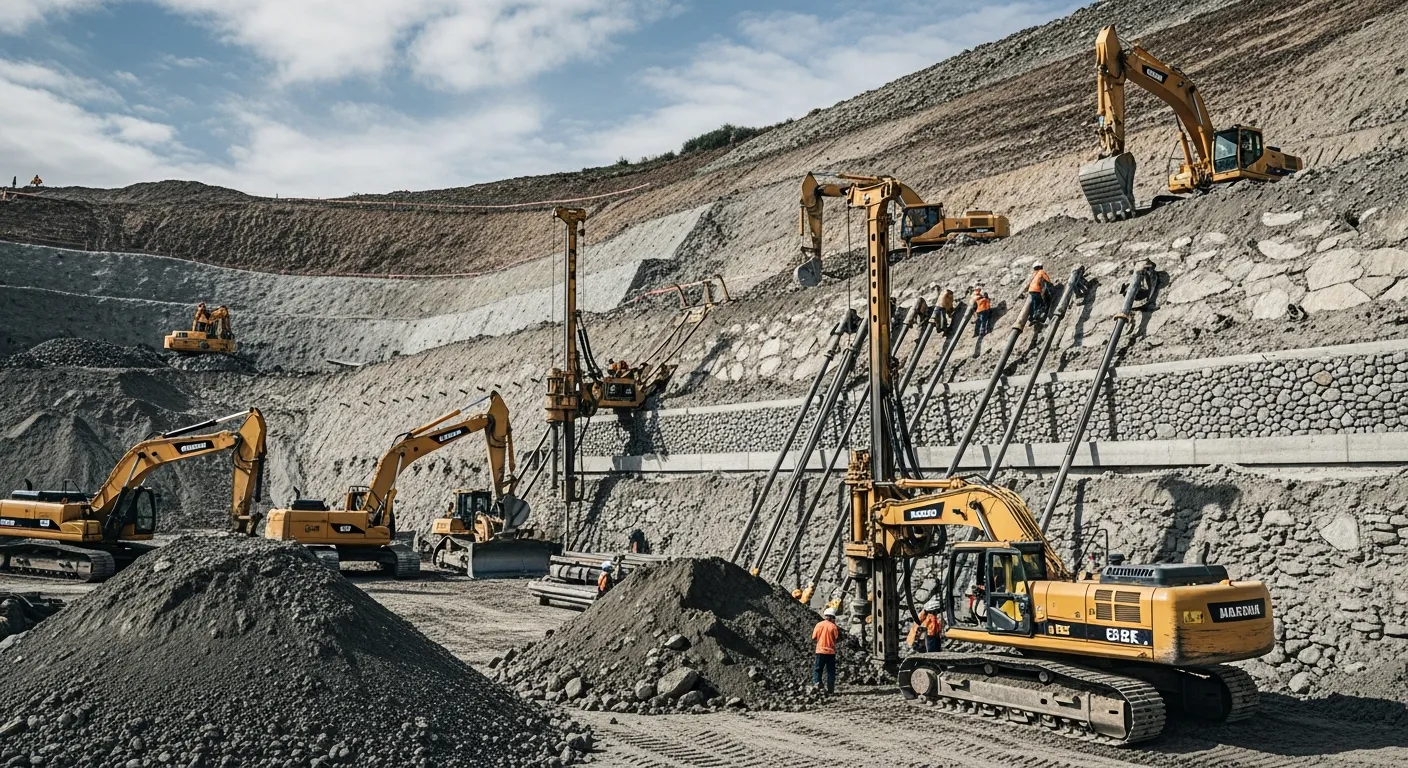
Soil Nail Walls vs. MSE Retaining Structures: A Contractor's Field Guide
Soil nail walls and MSE retaining structures both hold back earth, but they work in completely different ways. This...
Read More →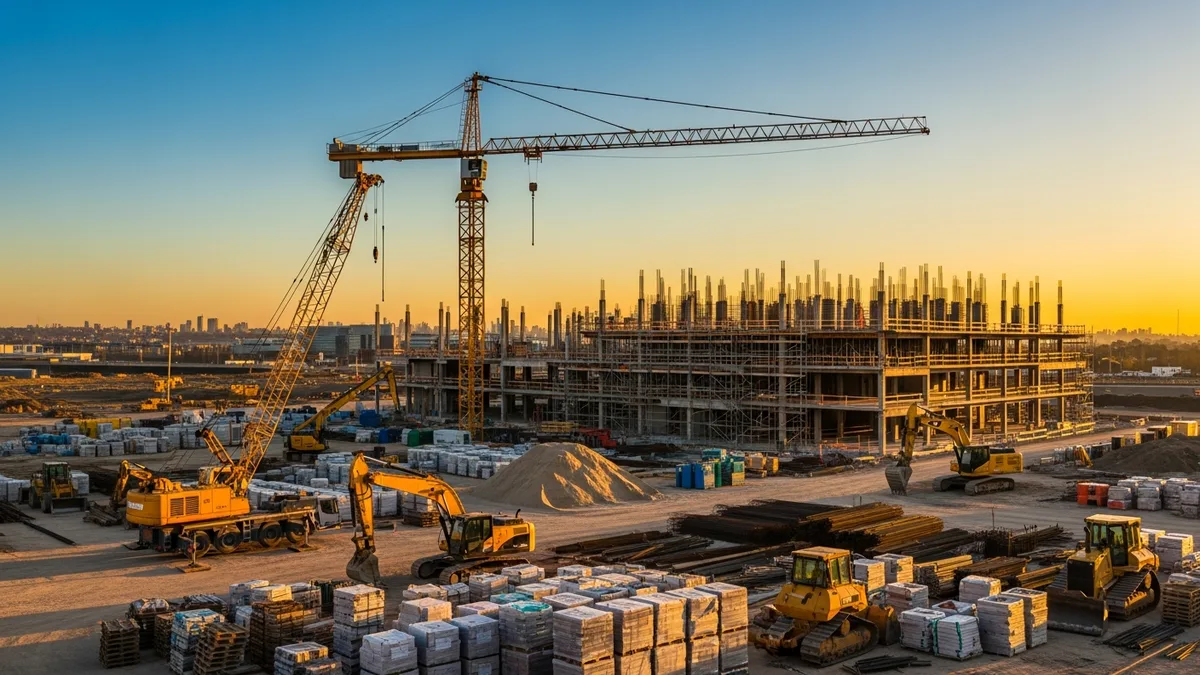
Construction Data Center & Server Room Build-Out Guide
Data center build-outs are some of the most demanding projects in commercial construction. Every system has to work...
Read More →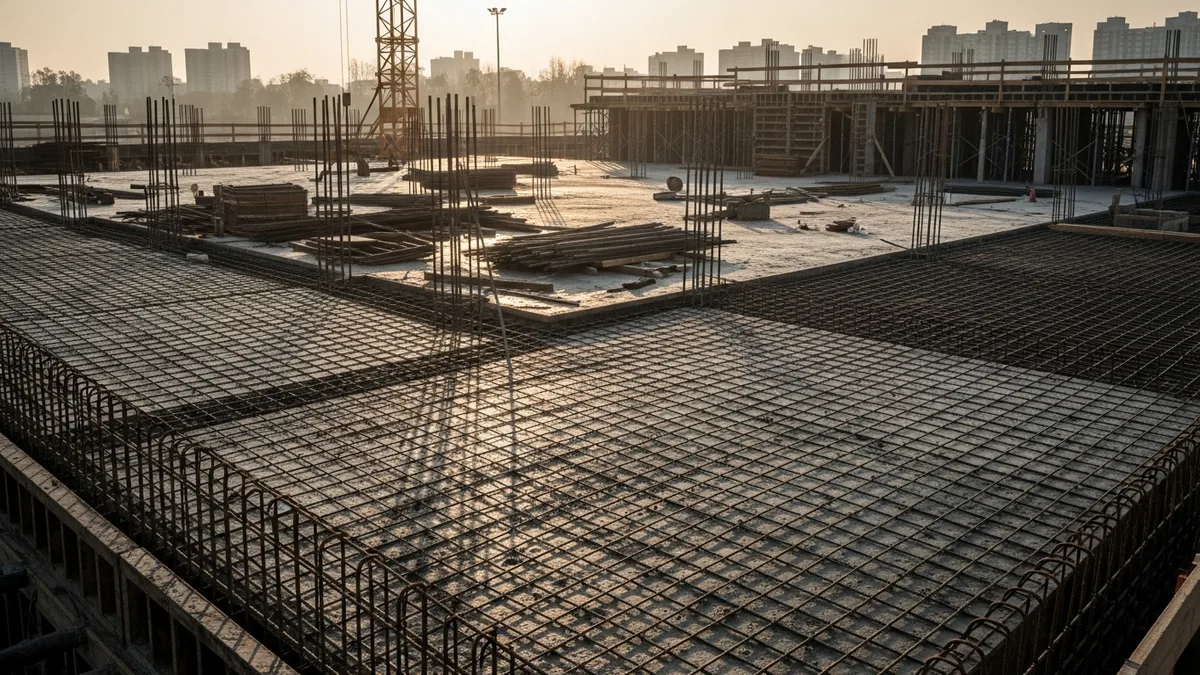
Construction Wastewater Treatment Plant Guide: Concrete Tankage, Process Piping, and SCADA
Building a wastewater treatment plant is one of the most demanding projects a contractor can take on. From massive...
Read More →