
Construction Site Logistics: Deliveries and Staging
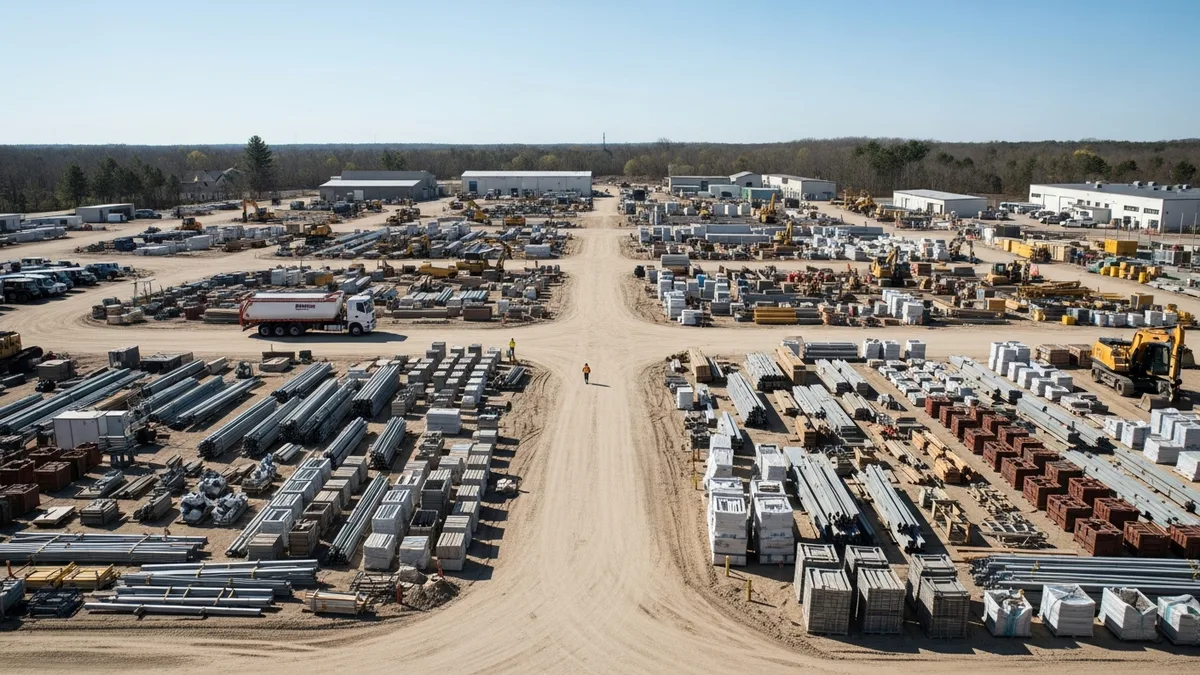
Every contractor has lived through the nightmare: a concrete truck shows up at 7 AM, but the forms aren’t ready. A lumber delivery arrives on the same morning the drywall crew needs the only clear path to the building. The crane is sitting idle because the steel delivery got pushed back two days and nobody updated the schedule.
Bad site logistics don’t just waste time. They waste money, burn goodwill with subs, and create safety hazards that can shut a job down. The right construction scheduling software helps you coordinate deliveries, crews, and equipment so nothing shows up at the wrong time. The fix isn’t complicated, but it does require planning before boots hit the ground.
This guide breaks down how to plan material deliveries, set up staging areas, and manage site access so your jobs run on schedule instead of in circles.
Why Site Logistics Planning Matters More Than Most Contractors Think
On small jobs, you can get away with winging it. The site is simple, the crew is small, and if something goes sideways you can adjust on the fly. But as projects grow in scope, the cost of poor logistics planning grows with them.
Consider the numbers. The Construction Industry Institute found that poor material management accounts for up to 18% of total project costs on some jobs. That’s not just the cost of wasted material. It includes the labor hours burned waiting for deliveries, double-handling materials that were staged in the wrong spot, and rework caused by damaged goods that sat in the weather too long.
Site logistics touches every part of a project:
- Schedule: Late deliveries push back entire sequences of work. One missed concrete pour can cascade through weeks of downstream trades.
- Safety: Cluttered sites, blind corners from poorly placed material stacks, and unplanned truck movements are a recipe for incidents. Before any digging starts, make sure you have a plan for underground utility locating to avoid hitting buried lines.
- Budget: Every hour a crew spends waiting or moving materials around is an hour they’re not producing. On a 20-person crew billing $65/hour average, one wasted hour costs $1,300.
- Relationships: Subs remember the GCs who run organized sites. They also remember the ones where their crews sat in the parking lot for two hours because nobody coordinated access.
The good news: most logistics problems are predictable. You know when the steel is coming. You know how big the trusses are. You know which trades overlap on the schedule. Planning for all of this ahead of time is straightforward if you build it into your process.
If you’re still in the early stages of setting up a job, our construction mobilization guide covers the broader picture of getting a site ready to go.
Building a Delivery Schedule That Actually Works
A delivery schedule is only useful if it connects directly to your construction schedule. Materials need to arrive in the order they’re needed, not in the order that’s most convenient for your suppliers.
Start With the Schedule, Work Backward
Pull your construction schedule and identify every activity that requires a material delivery. For each one, note:
- What materials are needed
- How much (quantity and number of truckloads)
- The install date
- Required lead time from the supplier
- How long the material can sit on site before it becomes a problem (weather exposure, theft risk, space constraints)
From there, calculate your order dates and delivery dates. The delivery should land close enough to the install date that you’re not storing materials for weeks, but far enough ahead that a one or two-day delay doesn’t shut down the crew.
Coordinate Across Trades
This is where most delivery schedules fall apart. Each sub schedules their own deliveries independently, and suddenly you’ve got three trucks trying to use the same gate at the same time on a Tuesday morning.
The fix: centralize delivery coordination. The GC or site superintendent should maintain a master delivery calendar that every sub feeds into. No delivery gets scheduled without checking for conflicts.
A few practical rules that help:
- One major delivery per time window. If the concrete trucks are coming between 7 and 10 AM, nobody else gets that window.
- Assign delivery days by trade. Electrical materials on Mondays, plumbing on Wednesdays, etc. This sounds rigid, but it prevents chaos.
- Require 48-hour notice for any delivery changes. Suppliers and subs need to communicate changes early enough for you to adjust.
Using scheduling software that lets you layer delivery milestones onto your construction schedule makes this much easier to manage and share with the team.
Plan for the Inevitable Delays
No delivery schedule survives contact with reality without some disruption. Build buffers into your plan:
- Keep a 2-3 day float on critical path deliveries
- Identify backup suppliers for commodity materials
- Have a “Plan B” staging location if your primary area is full when a delivery arrives early
- Track delivery performance by supplier so you know who’s reliable and who needs extra lead time
Setting Up Staging Areas That Keep the Site Moving
Where you put materials on site matters as much as when they arrive. Bad staging decisions create a chain reaction: materials block access routes, crews waste time hunting for what they need, and items get damaged from repeated handling.
Principles of Good Staging
Think of staging like a warehouse layout. The goal is to minimize the distance and effort between where materials land and where they get installed. On commercial projects, proper loading dock design plays a major role in how efficiently materials flow from the truck to the staging area.
Proximity to the work zone. Materials should stage as close to their point of use as possible. If the drywall is going on the third floor, staging it at the far end of the parking lot means every sheet gets handled multiple times. Can you get it closer? Can a crane or hoist move it directly to the floor where it’s needed?
Accessibility for delivery vehicles. Your staging area needs to be reachable by whatever truck is delivering to it. That means checking turning radii, overhead clearances, and ground conditions. A fully loaded flatbed on soft ground after a rain is going nowhere.
Protection from the elements. Some materials can sit in the rain. Most can’t. Plan covered staging for moisture-sensitive items like drywall, insulation, electrical panels, and finish materials. Even a simple tarp setup beats leaving materials exposed.
Security. Copper, tools, and expensive fixtures walk off jobsites constantly. Stage high-value items in locked containers or fenced areas with camera coverage. Our guide on jobsite organization goes deeper on keeping your site tight and secure.
Staging Zones by Phase
Your staging plan should evolve as the project moves through phases. What works during foundation doesn’t work during finishes.
Site work and foundation phase: Staging is simple. You’ve got open ground, few trades on site, and materials are mostly bulk (aggregate, rebar, formwork). Stage near the work area and keep haul routes clear for heavy equipment.
Structural phase: Space gets tighter. Steel, precast, and trusses need lay-down areas sized for their footprint. Crane reach dictates where materials can stage, so plan your lay-down areas within the crane’s working radius.
Rough-in phase: Multiple trades are on site simultaneously. Each needs their own staging zone to prevent materials from getting mixed up or buried. Mark zones clearly and enforce them.
Finish phase: The site is mostly enclosed. Staging shifts to smaller quantities brought in just before installation. Interior hallways and rooms become temporary staging, which requires careful coordination so one trade’s materials don’t block another trade’s work area. For a more detailed look at staging workflows and material flow planning, check out our construction site logistics and staging plan guide.
Track What’s On Site
You can’t manage what you can’t see. Keep a running log of what materials are on site, where they’re staged, and when they’re scheduled for install. This doesn’t need to be fancy. A whiteboard in the trailer works. But digital tracking through your inventory management system scales better as projects grow.
Managing Site Access and Traffic Flow
Contractors across the country trust Projul to run their businesses. Read their reviews.
On a busy jobsite, the access point is a bottleneck that can slow everything down if it’s not managed. Delivery trucks, crew vehicles, equipment, and pedestrians all need to move safely without interfering with each other.
Map Your Access Routes
Before the job starts, create a site access plan that addresses:
- Entry and exit points. Separate them if possible. One-way traffic flow reduces conflicts and improves safety.
- Truck routes. Mark the path delivery trucks should follow from the gate to the staging area and back out. Account for turning radii, overhead wires, and weight limits on pavement or temporary roads.
- Crew parking. Get personal vehicles away from the work zone. Designate a parking area that doesn’t interfere with deliveries or equipment movement.
- Pedestrian paths. Separate foot traffic from vehicle traffic. This is basic safety but it’s ignored on too many sites.
- Emergency access. Fire lanes and emergency vehicle access must remain clear at all times. No exceptions.
Time-Based Access Management
Not everything can happen at once. Managing who accesses the site and when is just as important as managing where they go.
Effective approaches include:
- Delivery windows. Assign specific time blocks for deliveries. Early morning for concrete, midday for material drops, etc.
- Peak hour restrictions. If your site is in a residential or commercial area, restrict heavy truck traffic during rush hours. Your neighbors and the city will appreciate it.
- Gate logs. Track every vehicle entering and leaving the site. This helps with security, accountability, and understanding your actual traffic patterns.
Document all of this in your daily logs so you have a record of what happened and when. That documentation becomes valuable if there’s ever a dispute about delivery timing or site conditions.
Tight Sites and Urban Projects
Urban jobsites present the toughest logistics challenges. You might have zero on-site staging, no room for trucks to turn around, and neighbors who will call the city if a delivery blocks the sidewalk for ten minutes.
For tight sites:
- Just-in-time delivery is essential. Materials go straight from the truck to the point of installation whenever possible.
- Off-site staging with shuttle deliveries. Rent a nearby lot or warehouse and shuttle materials to the site in smaller loads as needed. Projects with strict environmental requirements, like cold storage and refrigerated warehouse builds, often require this approach to protect temperature-sensitive materials.
- Night and early morning deliveries. Coordinate with the city for permits to deliver during off-hours when traffic is lighter.
- Vertical logistics. On mid-rise and high-rise projects, plan your hoist and crane schedule with the same care you’d give the construction schedule. A bottleneck at the hoist affects every trade on the upper floors.
Reducing Waste and Double-Handling Through Better Logistics
Poor logistics don’t just slow you down. They generate waste. Materials that get moved multiple times get damaged. Items staged in the wrong spot get forgotten and reordered. Deliveries that arrive too early sit in the weather and deteriorate.
The connection between logistics and waste is direct. A few practices that cut both:
Order accurate quantities. This starts in the estimating phase. Tight takeoffs mean fewer surplus materials on site. If your estimating process is dialed in, you’re ordering what you need and not much more.
Stage materials once. Every time materials get picked up and moved, there’s a chance for damage and a cost in labor. Plan your staging so materials go from the delivery truck to one staging location to the point of installation. Three touches maximum.
Protect stored materials. Covering, improving, and properly stacking materials prevents weather damage and crushing. It takes ten minutes to throw tarps and costs nothing compared to replacing a pallet of warped lumber.
Manage cutoffs and remnants. Designate a specific area for reusable cutoffs and scraps. Make it easy for crews to grab a piece of leftover material instead of cutting into new stock.
For a deeper look at reducing material waste on your jobs, check out our guide on construction material waste reduction.
Putting It All Together: Your Site Logistics Checklist
A good site logistics plan doesn’t need to be a 50-page document. It needs to be clear, shared with everyone on the job, and updated as conditions change.
Here’s a checklist you can adapt for your projects:
Before the Job Starts
- Walk the site and photograph existing conditions
- Identify access points, overhead obstructions, and underground utilities
- Create a site plan showing staging areas, access routes, parking, and equipment locations
- Build the delivery schedule tied to the construction schedule
- Establish delivery windows and communicate them to all subs and suppliers
- Set up staging areas with proper protection and security
- Post the site logistics plan in the trailer and distribute it digitally
- Confirm permits for any street closures, crane operations, or oversized loads
During Construction
- Hold weekly logistics coordination meetings (15 minutes max)
- Update the delivery calendar as the schedule shifts
- Monitor staging areas for overcrowding and adjust as needed
- Log all deliveries in daily reports with photos of material condition on arrival
- Reassign staging zones as the project moves through phases
- Address conflicts between trades quickly before they snowball
Documentation
Keep photos and records of your logistics plan, delivery receipts, and any issues that arise. Using a photo and document management system that ties images to specific dates and locations makes it easy to find what you need if questions come up later.
Adapt as You Go
No plan survives a full project without changes. The key is having a system that makes updating easy and ensures the updated information reaches everyone who needs it. A logistics plan that lives in a binder in the trailer and never gets updated is worse than no plan at all, because people will follow outdated information.
The best-run jobsites treat logistics as a living part of the project, not a box to check during mobilization. When you build logistics planning into your weekly rhythm, it stops being extra work and starts being the thing that keeps everything else on track.
The Bottom Line
Site logistics isn’t glamorous work. Nobody brags about their delivery schedule at the bar. But the contractors who consistently finish on time and on budget are almost always the ones who plan their logistics before the first truck rolls through the gate.
Start with the schedule. Plan your deliveries backward from install dates. Set up staging areas that minimize handling. Control site access so nothing bottlenecks. And keep the plan updated as the job moves forward.
Want to see this in action? Get a live demo of Projul and find out how it fits your workflow.
Your crews will spend more time building and less time waiting. Your subs will want to work with you again. And your bottom line will reflect the difference between a site that runs smoothly and one that’s constantly reacting to problems that could have been prevented.
Frequently Asked Questions
What is a site logistics plan in construction?
How far in advance should I schedule material deliveries?
What makes a good staging area on a construction site?
How do I manage site access when the jobsite is in a tight urban area?
Who is responsible for site logistics on a construction project?
Related Articles

Construction Team Meetings: A Practical Guide to Meetings That Actually Get Results
Most construction team meetings waste time. Here's how to run weekly check-ins, safety meetings, kickoffs, and...
Read More →
Project Management for Small Contractors: You Don't Need Enterprise Software
You don't need a 50-person company to benefit from project management. Even a 5-person crew loses money without a...
Read More →
Free Construction Schedule Template
A solid construction schedule keeps your jobs on track, your crews busy, and your clients happy. Grab our free...
Read More →